
Side Dishes
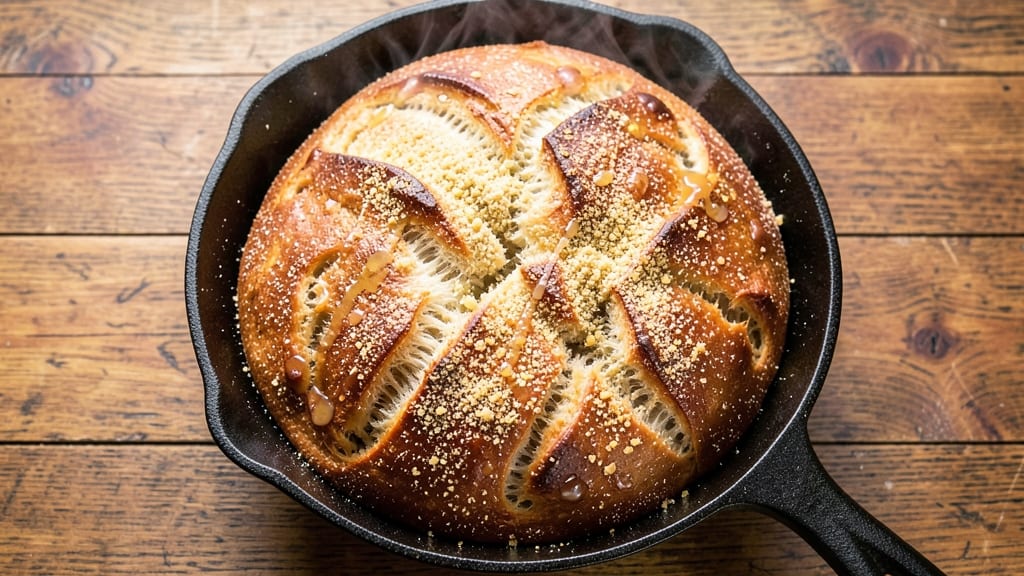
This Albany bread recipe delivers the perfect balance of crispy cornmeal crust and tangy vinegar zing that makes it a Southern staple. The secret lies in the dough's texture—chewy yet tender—paired with a vinegar bath that creates that signature golden crust.
I've baked this bread countless times, and it never fails to impress at family gatherings or holiday tables.
The recipe begins with a simple dough made from flour, yeast, and a touch of sugar, then shaped into rounds before being brushed with vinegar and cornmeal. This method ensures a crisp exterior that contrasts beautifully with the soft, slightly sweet interior.
Baking at 375°F for 20-25 minutes guarantees a golden, crackly crust that shatters when broken open.
What sets Albany bread apart is its versatility—it pairs equally well with chili, stews, or even as a side to grilled meats. The vinegar adds a subtle tang that cuts through rich dishes, while the cornmeal crust adds a satisfying crunch.
Once you try this recipe, you'll understand why it's a beloved classic in Southern kitchens.
For those with dietary restrictions, a gluten-free flour blend can be substituted, though texture may vary slightly. The key to success is patience—letting the dough rise properly ensures the best flavor and texture. Ready to bake a loaf that tastes like home?
Ingredients for albany bread
Four cups of flour kickstart this Southern classic, where yeast and vinegar work magic for that signature tangy crust.
| Ingredient | Amount | Notes |
|---|---|---|
| All-Purpose Flour 🌾 | 4 cups | Sifted for lighter texture |
| Active Dry Yeast 🍞 | 2 ¼ tsp | Ensure it's fresh for best rise |
| Granulated Sugar 🍚 | 1 tbsp | Enhances yeast activation |
| Warm Water 💧 | 1 ½ cups | 110°F for optimal yeast activation |
| Cornmeal 🌽 | 1 cup | Fine grind for even coating |
| White Vinegar 🍶 | ¼ cup | White or apple cider vinegar |
| Salt 🧂 | 1 ½ tsp | Kosher or sea salt preferred |
| Unsalted Butter 🧈 | ½ cup | Cold, cubed for brushing |
| Large Eggs 🥚 | 1 whole | Room temperature for easy mixing |
| Coarse Salt 🧂 | 1 tbsp | For sprinkling on top |
| Corn Oil 🫒 | 2 tbsp | For dough softness |
The flour is the foundation, so King Arthur or Gold Medal are ideal for their protein balance—too much gluten, and your crust gets tough. Yeast must be fresh; test it by dropping a pinch in warm water with sugar—it should foam within 10 minutes. For the vinegar, white vinegar is traditional, but apple cider adds subtle sweetness. I always buy Bob’s Red Mill cornmeal for its fine texture, which coats the dough evenly. If your kitchen runs hot, use less yeast by 0.25 tsp to prevent overproofing.
No white vinegar? Lemon juice works in a pinch, though the flavor shifts slightly. Substituting cornmeal? Crushed cornflakes or polenta mimic the texture, but expect a denser crust. For gluten-free, use a 1:1 blend with xanthan gum, but expect a softer texture. The butter should be cold and cubed—melting it first ruins the crust’s crisp. Eggs can be omitted for a vegan version, but the dough will be less tender. If your recipe calls for more than 4 loaves, double the yeast and let dough rise in a warm oven with a bowl of boiling water.
Store leftover bread at room temperature in a bread bag for up to 3 days—it reheats beautifully in a 350°F oven for 5 minutes. For longer storage, freeze dough balls before baking; they’ll keep for up to 3 months. The vinegar bath can be prepped ahead and stored in the fridge for 1 week. To revive stale bread, sprinkle with water and toast until crispy again. This bread freezes exceptionally well—bake from frozen, adding 5-10 minutes to the time.
Why You'll Love This Recipe
- No-Fuss Dough: I swear by this recipe—just mix, let it rise, and bake. The yeast and sugar combo does all the heavy lifting while I sip my coffee.
- Golden Crust Magic: That crispy cornmeal crust? It’s the star. The sugar caramelizes just enough to give every bite a touch of sweetness without overpowering the buttery bread.
- Weeknight Hero: Between us, this is my go-to when I’m too tired to think. Toss it in the oven while I prep dinner, and it’s ready by the time the kids are done with homework.
- Budget Bread Wins: Five ingredients, zero guilt. The flour and yeast stretch far, and the sugar adds that little extra that makes it feel special—without breaking the bank.
Step-by-step instructions for Albany bread recipe
Here's how to craft this rustic bread with a crisp cornmeal crust and tangy vinegar bite.
Activate the Yeast and Mix the Dough
In a large bowl, combine the 1.5 cups warm water (around 110°F), 1 tbsp granulated sugar, and 2.25 tsp active dry yeast. Let this sit for 5-10 minutes until frothy—this confirms your yeast is active. If it doesn't bubble, start over with fresh yeast.
In a separate bowl, whisk together the 4 cups all-purpose flour and 1.5 tsp salt. Create a well in the center and pour in the yeast mixture along with the 1 whole large egg and 2 tbsp corn oil. Using a wooden spoon, stir until a shaggy dough forms. The dough should be sticky but manageable—don't add extra flour yet, as this can inhibit gluten development.
Knead the Dough Until Elastic
Turn the dough onto a lightly floured surface and knead for 8-10 minutes until smooth and elastic. You'll know it's ready when it springs back slowly when poked. If the dough feels too sticky, wet your hands slightly instead of adding more flour.
For best results, knead by hand rather than using a mixer. This helps develop the gluten structure that gives Albany bread its satisfying chew. Once the dough passes the windowpane test (hold it up to light—you should see through it without tearing), return it to the bowl.
First Rise and Prepare the Cornmeal Coating
Lightly oil the bowl, cover with a damp towel, and let the dough rise in a warm place for 1-1.5 hours until doubled in size. The kitchen counter near the oven works well for this. Poke the dough gently—if it springs back slowly, it's ready for shaping.
While the dough rises, mix the 1 cup cornmeal with 1 tbsp coarse salt in a small bowl. This will create the signature crunchy crust. Also, melt the 0.5 cup unsalted butter and mix it with the 0.25 cup white vinegar—this tangy butter mixture will be brushed onto the bread later for extra flavor.
Shape and Second Rise
Punch down the risen dough and divide it into 4 equal portions. Shape each into a round loaf, about 8 inches in diameter. Place each loaf on a parchment-lined baking sheet, seam-side up. Brush the tops generously with the vinegar-butter mixture and sprinkle with the cornmeal-salt mixture, pressing it lightly into the dough.
Cover the loaves loosely with plastic wrap and let them rise for another 30-45 minutes until puffy. The dough should expand noticeably but not double in size like the first rise. This shorter second rise helps create that signature Albany bread texture.
Bake Until Golden and Crisp
Preheat your oven to 375°F. Bake the loaves for 25-30 minutes until they're deep golden brown and sound hollow when tapped on the bottom. The crust should be crisp, and the internal temperature should reach 190°F when measured with an instant-read thermometer.
For best results, rotate the baking sheets halfway through baking to ensure even browning. Let the bread cool on a wire rack for 15 minutes before slicing—this prevents a gummy interior. The aroma alone will tell you these are worth the wait.
Pro Tips For Making Albany Bread
- Test Yeast First: Sprinkle that active dry yeast in warm water with a pinch of sugar—if it bubbles within 5 minutes, you’re good to go. I learned this the hard way after baking a flat loaf because my yeast was past its prime (yes, even the "freshest" can be lazy).
- Measure Flour Right: Use the spoon-and-level method—don’t scoop directly from the bag. Albany bread relies on that light, airy texture, and overpacking flour makes it dense. I was skeptical until I tried it—now my loaves rise higher.
- Don’t Rush the Rise: Let that dough double in time, even if it means waiting an extra hour. Albany bread needs that slow fermentation for that signature tender crumb. I used to cut corners and ended up with a sad, flat cake—your future self will thank you.
- Cornmeal Matters: Toast the cornmeal in a dry pan for 2–3 minutes before mixing it into the flour. It adds a subtle nuttiness and prevents the bread from sticking to the pan. Sounds weird, but it works—trust the process.
Health benefits of these flavors
Whole Grain Boost
Albany bread delivers a whole grain advantage when made with whole wheat flour instead of all-purpose. A 1:1 substitution (up to 2 cups) adds fiber and nutrients like magnesium and B vitamins.
I recommend King Arthur whole wheat flour—it blends better and yields a lighter texture than some brands. The cornmeal crust also contributes iron and zinc, making this bread a nutrient-packed side. 💪
Digestive-Friendly Fiber
The combination of cornmeal and whole wheat flour creates a high-fiber profile—about 4-5 grams per serving when using whole wheat. This fiber content supports digestive health by promoting regularity and feeding beneficial gut bacteria.
The vinegar bath also aids digestion by breaking down gluten proteins slightly during baking. For extra fiber, try adding 1 tbsp ground flaxseed to the dough.
Low-Fat Protein Source
While not a protein powerhouse like meat or beans, Albany bread provides a moderate protein boost with about 6 grams per serving. The egg and butter contribute additional protein while keeping the bread moist.
For a higher-protein version, substitute 1 tbsp vital wheat gluten per cup of flour—this adds 2-3 extra grams of protein per serving without significantly altering texture. The bread pairs perfectly with protein-rich main dishes like chili or grilled chicken.
Blood Sugar Regulation
The vinegar in Albany bread plays a surprising role in blood sugar regulation. Studies show that vinegar consumption can improve insulin sensitivity and reduce blood sugar spikes after meals.
The low glycemic index of whole grain versions (when using whole wheat flour) makes this bread a better choice for blood sugar management compared to white bread. Pair it with lean proteins or healthy fats to create a balanced, blood-sugar-friendly meal. 🌱
Antioxidant-Rich Crust
The cornmeal crust isn't just for crunch—it's packed with antioxidants like lutein and zeaxanthin. These compounds help protect your cells from oxidative damage. The vinegar bath also adds acetic acid, which has been shown to have anti-inflammatory properties.
For an antioxidant boost, consider adding 1 tsp dried rosemary to the dough before baking. The combination of these ingredients makes Albany bread more than just a side dish—it's a functional food.
Gluten Sensitivity Options
While traditional Albany bread contains gluten, you can adapt it for gluten-sensitive diets using a 1:1 gluten-free flour blend with xanthan gum. Brands like Bob's Red Mill 1-to-1 Gluten-Free Baking Flour work well, though the texture will be slightly denser.
The vinegar and cornmeal still provide the signature tang and crunch. For those with celiac disease, ensure all ingredients (including cornmeal) are certified gluten-free, as corn can sometimes be cross-contaminated.
Nutrition facts
Frequently asked questions
What makes Albany bread different from regular cornbread?
Albany bread has a tangy vinegar kick and a chewy interior with a crisp cornmeal crust, unlike sweet, crumbly cornbread. The dough uses yeast for leavening instead of baking powder, creating a bread-like texture. The vinegar bath gives it that signature zing that pairs perfectly with rich stews or chili.
Can I make Albany bread without cornmeal?
Yes! Substitute crushed cornflakes or polenta for the cornmeal crust. For a nutty flavor, try crushed graham crackers or panko breadcrumbs. The texture will be slightly different but still delicious. Just ensure you adjust the salt in your coating to balance flavors.
Why did my Albany bread turn out dense instead of crispy?
Over-kneading or adding too much flour can make the bread dense. Stick to 8-10 minutes of kneading and avoid extra flour unless absolutely necessary. Also, ensure your yeast is active—if it doesn’t bubble in warm water with sugar, start fresh. Bake at 375°F for 25-30 minutes until golden and crisp.
How do I store Albany bread to keep it fresh?
Store at room temperature in a bread bag or airtight container for 3 days. For longer storage, freeze the baked loaves for up to 3 months. To revive stale bread, sprinkle with water and toast until crispy again. The vinegar keeps it fresh longer than regular bread.
Can I make Albany bread gluten-free?
Yes, but texture may vary. Use a 1:1 gluten-free flour blend with xanthan gum (like Bob’s Red Mill). The vinegar and cornmeal will still provide the signature tang and crunch. For celiac diets, check that all ingredients—including cornmeal—are certified gluten-free to avoid cross-contamination.