
Side Dishes
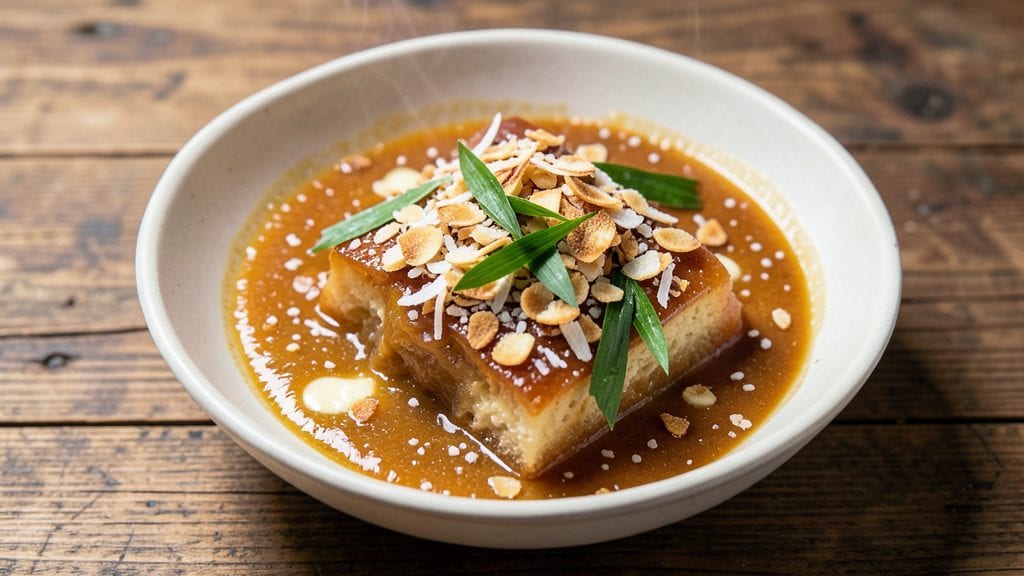
This alembong bread recipe brings the comforting tradition of steamed rice cake to your kitchen, where glutinous rice flour transforms into a soft, slightly chewy delight with a sticky-sweet center.
What makes this dish special is its cultural roots—originally a Filipino street food, it’s often sold in banana leaves, wrapped in coconut leaves, or even baked in clay pots for that authentic aroma.
The secret lies in the perfect balance of rice flour, sugar, and coconut milk, which creates a tender yet resilient texture that holds up beautifully when steamed.
The process begins with mixing the dough just right—too firm, and it won’t steam properly; too loose, and it won’t hold its shape. Traditional recipes call for steaming the wrapped dough in a bamboo basket, but modern adaptations often use a steamer basket or even an oven for convenience.
The result? A golden-brown exterior with a soft, slightly sticky interior that’s irresistibly sweet and fragrant, often flavored with pandan or vanilla for extra depth.
What you’ll achieve is a dish that’s as much about nostalgia as it is about taste—a perfect side for meals or a standalone treat when paired with coffee or coconut milk.
The dough’s versatility means you can shape it into small rounds, long sticks, or even intricate designs for special occasions. Whether you’re recreating a childhood memory or introducing a new flavor to your table, this recipe delivers authenticity with a touch of modern ease.
Ready to bring this Filipino classic to life? Let’s dive into the step-by-step process, from mixing the dough to steaming it to golden perfection. The aroma alone will transport you to bustling markets and family gatherings, proving that some traditions are worth preserving—one sticky-sweet bite at a time.
Ingredients for alembong bread
Gather these 12 ingredients for a nostalgic Filipino treat with tender, sticky-sweet perfection.
| Ingredient | Amount | Notes |
|---|---|---|
| Glutinous Rice Flour 🍚 | 2 cups | Also called sweet rice flour |
| Granulated Sugar 🍬 | 1 ½ cups | White or brown preferred |
| Coconut Milk 🥥 | 13 ½ oz | Full-fat canned variety |
| Unsalted Butter 🧈 | ½ cup | Softened for mixing |
| Pandan Juice 🌿 | 2 tbsp | Or vanilla extract substitute |
| Salt 🧂 | ½ tsp | Fine sea salt preferred |
| Water 💧 | ½ cup | Warm for better mixing |
| Banana Leaves 🍃 | 4 whole | Fresh or frozen substitute |
| Coconut Leaves 🌿 | 4 pieces | Optional for wrapping |
| Vanilla Extract 🍦 | 1 tsp | Pure vanilla preferred |
| Baking Powder 🍞 | 1 tsp | For slight lift |
| Toasted Coconut Flakes 🥥 | ¼ cup | For garnish (optional) |
The glutinous rice flour is the soul of this recipe—most Asian markets carry it, but Filipino grocery stores or online retailers like Manila Specialties have the best quality. If you can't find it, Bob's Red Mill makes a decent substitute. The coconut milk should be full-fat canned (like Thai Kitchen brand) for that rich, creamy texture. Pandan juice gives the authentic aroma—find it in the international aisle or at Whole Foods. Skip it? Vanilla extract works, but it’s not the same. For the banana leaves, frozen ones from Trader Joe’s work great if fresh aren’t available—just thaw and pat dry.
No glutinous rice flour? Substitute with 1 cup extra rice flour plus 1 tbsp tapioca starch—it won’t be identical but still delicious. Brown sugar can replace white, though it’ll darken the bread slightly. Light coconut milk works in a pinch, but the flavor won’t be as rich. Pandan extract is stronger than juice—use half the amount if that’s what you have. The banana leaves? If you can’t find them, parchment paper works for shaping, though it lacks that signature aroma. Toast your coconut flakes in a dry pan for 2 minutes—they’ll smell amazing and add crunch to the finished bread.
Store the dough in an airtight container for up to 2 days in the fridge—it’ll actually improve as it rests. Steamed bread keeps for 3 days in the fridge, wrapped tightly in plastic. For longer storage, freeze shaped but unsteamed dough on a tray, then transfer to a bag—steam straight from frozen (add 5 extra minutes). The toasted coconut flakes? Keep them in a jar for up to 2 weeks—they’re perfect for garnishing other desserts too. Reheat any leftovers in a steamer for 2-3 minutes to restore that soft, sticky texture.
Why You'll Love This Recipe
- No-Fuss Mixing: I swear by the 5-minute prep—just fold the glutinous rice flour, sugar, and coconut milk until smooth. The butter and pandan juice blend in like magic, no heavy kneading or waiting for dough to rise.
- Pandan Perfection: That bright green pandan juice? It’s the secret weapon—subtle but unmistakable, like a tropical hug in every bite. The coconut milk keeps it rich without overpowering the natural sweetness.
- Breakfast to Dessert: Serve it warm with butter for a lazy morning treat, or dust with powdered sugar for a no-bake dessert. Honestly, I’ve even used leftover slices to top oatmeal—works every time.
- Budget-Friendly Stretch: A single batch feeds four, and the ingredients won’t break the bank. The rice flour gives it a satisfying chew, while the butter and sugar make it feel indulgent—without the grocery shock.
Step-by-step instructions for alembong bread
Here's how to make this fragrant, sticky-sweet rice cake with perfect texture every time.
Mix the Wet Ingredients
In a large mixing bowl, combine the 13.5 oz coconut milk, 0.5 cup unsalted butter, 2 tbsp pandan juice, 1 tsp vanilla extract, 0.5 tsp salt, and 0.5 cup warm water. Whisk until smooth and creamy—you want these ingredients fully incorporated so they blend seamlessly with the dry mixture later. The butter should melt completely, creating a rich, velvety base.
I like to warm the water slightly (about 10 seconds in the microwave) because it helps the butter melt faster and creates a smoother batter. If you're using fresh pandan juice, strain it first to remove any fibrous bits that could make your final bread texture uneven. Let this mixture sit for 5 minutes while you prepare the dry ingredients—this gives the butter time to fully soften and blend.
Combine Dry Ingredients and Form the Batter
In a separate bowl, sift together the 2 cups glutinous rice flour, 1.5 cups granulated sugar, and 1 tsp baking powder. This sifting step is crucial—it prevents lumps in your final batter and ensures an even texture. Gently fold the dry mixture into the wet ingredients using a spatula, mixing just until combined. You'll want to avoid overmixing here; a few small lumps are fine and will disappear as you steam.
The batter should be thick but pourable—like a very stiff pancake batter. If it's too thick, add 1-2 tablespoons of warm water to loosen it. This consistency is perfect for creating that signature chewy yet tender texture alembong bread is known for. Let the batter rest for 10 minutes while you prepare your steaming setup—this resting time helps the flour fully hydrate and makes the final texture even better.
Prepare the Banana Leaf Wraps
Cut each of the 4 whole banana leaves into 4 equal rectangles (about 6x8 inches each). You'll use each piece to wrap a portion of the batter. If your banana leaves are large, you can use them whole and make smaller portions, but these rectangles work perfectly for 4 servings. For best results, I recommend using fresh banana leaves if possible—they add an authentic aroma and prevent sticking.
Lightly brush each banana leaf rectangle with a tiny bit of softened butter (about 1 teaspoon total) using your fingers. This butter layer creates a barrier that prevents the sticky batter from clinging to the leaves. Place one leaf on a flat surface and spoon about ½ cup of batter onto the center. Fold the sides inward and roll it up tightly, sealing the edges to create a neat package. The tighter the wrap, the better the shape will hold during steaming.
Steam to Perfection
Arrange the wrapped packages in a steamer basket, leaving about 1 inch between each one. If you're using coconut leaves, place them on top of the wrapped packages—they'll add subtle coconut aroma and help create that beautiful golden crust. Bring 2-3 inches of water to a boil in the steamer pot, then place the basket on top. Cover and steam over medium-high heat for 45-50 minutes, until the bread is firm to the touch and the banana leaves have turned slightly translucent.
Here's the thing—don't peek during steaming! Every time you lift the lid, you lose heat and steam, which can make your bread dense instead of light and fluffy. You'll know it's done when the top feels firm and springs back slightly when pressed. For extra browning, you can broil for 2-3 minutes at the end, but this is optional. Let the wrapped packages cool for 10 minutes before unwrapping—the heat will continue cooking the bread slightly as it rests.
Unwrap and Garnish
Carefully unwrap each package and transfer the bread to a serving platter. The bread should be golden-brown on top with a slightly sticky, moist interior. If you're using the 0.25 cup toasted coconut flakes, sprinkle them evenly over the top while the bread is still warm—they'll stick nicely and add a delightful crunchy contrast to the soft texture.
Serve immediately while still warm for the best experience. The aroma alone will make your kitchen smell like a tropical paradise! Alembong bread is traditionally enjoyed with strong black coffee or as a sweet treat on its own. The perfect slice should be tender with a slight chewiness, sweet but not cloying, and infused with that beautiful pandan aroma throughout. Enjoy while it's warm—this bread doesn't keep its best texture once cooled completely.
Pro Tips For Making Alembong Bread
- STEAM IT RIGHT: The bread needs a tight, even steam—cover the pot with a lid before turning on the heat, then let it sit for 3 full minutes. I learned this the hard way when mine came out dense and gummy because the steam escaped too fast.
- WHISK THE BUTTER: Melt the butter into the coconut milk first, then whisk it into the batter until it’s fully emulsified—no lumps. My grandmother swore by this, and she was right: skipping this step gives you a greasy, uneven texture instead of that silky mouthfeel.
- DON’T OVERMIX THE BATTER: Stir just until the sugar dissolves, then stop. Overmixing makes the batter tough and chewy—like you’re kneading dough instead of folding in ingredients. Think "gentle folds," not "aggressive stirring."
- USE FRESH PANDA JUICE: Store-bought pandan extract is fine, but fresh pandan juice (from the leaves) adds depth. If you’re short on time, simmer the leaves in the coconut milk for 5 minutes first—it infuses flavor without extra effort. (Yes, even if you’re impatient like me.)
Wine and beer pairings for this dish
Coffee Pairings
This sweet, fragrant bread pairs beautifully with strong, dark-roasted coffee to balance its richness. I recommend a Filipino-style dark roast like Barako or Kopi Luwak—their bold, slightly bitter notes cut through the bread's sweetness while complementing the pandan aroma.
For a lighter option, Arabica beans with a medium roast work well, especially if you prefer a smoother, fruitier profile. 💛
If you're serving this as a dessert, try espresso with a splash of coconut milk—it enhances the tropical flavors without overpowering them. For a modern twist, pair with cold brew concentrate mixed with coconut water for a refreshing, slightly sweet contrast.
Always serve the coffee slightly cooled to let the bread's warmth shine.
Beer Complements
Alembong bread's sweetness pairs surprisingly well with light, crisp lagers that have a subtle maltiness. I love San Miguel Pale Pilsen from the Philippines—its clean, refreshing profile balances the bread's richness without competing.
For a local option, Corona Extra with its citrus notes adds a bright contrast to the pandan and coconut flavors. 🍺
For beer lovers, try a Belgian witbier like Hoegaarden—the coriander and citrus notes create an interesting interplay with the tropical coconut and pandan. Avoid heavy stouts or IPAs, as their bitterness will clash with the bread's delicate sweetness.
Serve the beer slightly chilled to maintain its crispness against the warm bread.
Tropical Juice Pairings
For a non-alcoholic option, mango juice with a splash of lime creates a perfect tropical pairing. The natural sweetness of ripe mango enhances the bread's flavors while the acidity cuts through its richness.
I recommend blending 2 ripe mangoes with 1 tbsp lime juice and a pinch of salt for balance. 🥭
Another fantastic choice is pineapple juice—its tangy sweetness mirrors the bread's natural flavors while adding a refreshing contrast. For a creamy option, blend 1 cup coconut milk with 1 cup pineapple juice and serve slightly chilled.
These pairings work especially well during summer gatherings or as a refreshing afternoon treat.
Wine Surprises
While wine isn't traditional, a light, floral Moscato d'Asti can be a delightful surprise pairing. Its sweetness and delicate bubbles complement the bread's tropical notes without overpowering them. Serve it slightly chilled to enhance its refreshing qualities against the warm bread. 🍷
For a drier option, try a Riesling with subtle fruit notes—its acidity balances the bread's sweetness while its floral characteristics echo the pandan aroma. Avoid heavy red wines, as their tannins will clash with the bread's delicate texture.
The key is to keep the wine light enough to let the bread's natural flavors shine through.
Nutrition facts
Frequently asked questions
What makes alembong bread different from other Filipino rice cakes?
Alembong bread stands out with its sticky-sweet interior and golden-brown exterior, thanks to its unique steaming method wrapped in banana leaves. Unlike bibingka (which uses ube) or puto (which is steamed in molds), alembong has a distinct chewy texture from the glutinous rice flour and coconut milk base. The banana leaves add an authentic aroma that sets it apart from other rice cakes.
Can I substitute banana leaves with something else?
Yes! If you can't find banana leaves, use parchment paper or aluminum foil as a substitute—they'll prevent sticking and still allow steaming. For best flavor, though, fresh banana leaves are ideal. If using foil, lightly grease it with butter to mimic the banana leaf's natural release. Frozen banana leaves work too—just thaw and pat dry before using.
Why did my alembong bread turn out dense instead of fluffy?
Dense bread usually happens from overmixing the batter or peeking during steaming. The dough should be thick but pourable—like stiff pancake batter—and only mixed until combined. Also, avoid lifting the steamer lid while cooking, as escaping steam prevents proper rising. If the batter was too thick, add 1-2 tbsp warm water before wrapping. Let the dough rest 10 minutes before steaming for better texture.
How do I store leftover alembong bread?
Wrap cooled bread tightly in plastic wrap or store in an airtight container to keep it fresh for 3 days at room temperature. For longer storage, freeze shaped (but unsteamed) dough on a tray, then transfer to a bag—steam straight from frozen (add 5 extra minutes). Reheat in a steamer for 2-3 minutes to restore that soft, sticky texture.
Can I make alembong bread without pandan juice?
Use 1 tsp vanilla extract as a substitute—it’ll add sweetness without the pandan’s floral notes. For a closer flavor, try 1 tbsp coconut extract, though it’s harder to find. The bread will still taste delicious, just with a different aromatic profile. If you love pandan, look for it in Asian markets or online—it’s worth the effort for that authentic taste.