
Desserts
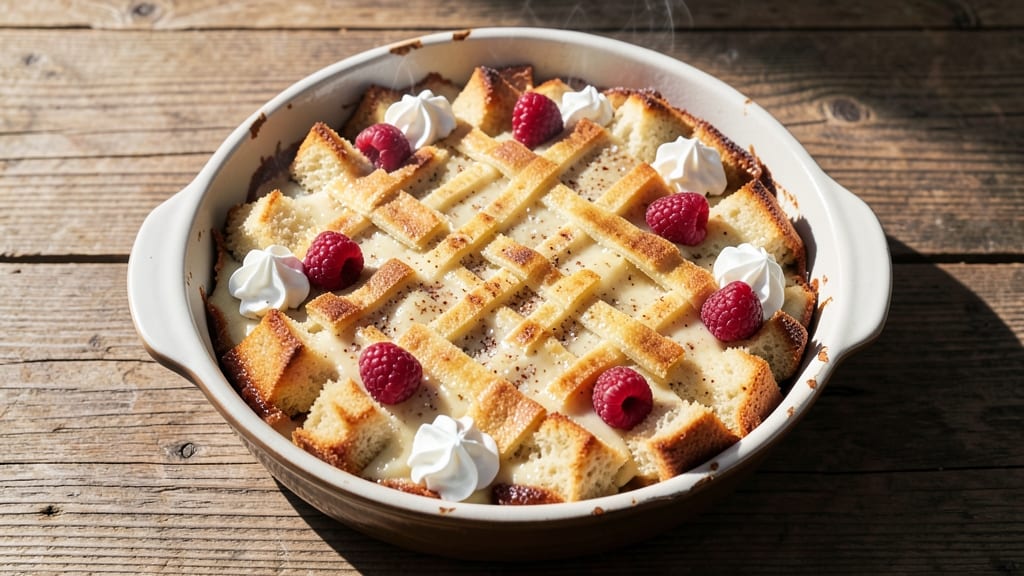
This Amish bread pudding recipe brings comfort food tradition to your table with its signature vanilla-cinnamon crust and irresistibly gooey center. The secret lies in using slightly stale bread that soaks up the custard perfectly, creating that signature pull-apart texture.
I first discovered this recipe while researching Pennsylvania Dutch cooking traditions, and it quickly became a family favorite—especially during cold winter evenings.
The beauty of this dessert is its simplicity: just a few basic ingredients transform into something extraordinary when baked together. The warm vanilla-cinnamon crust forms a fragrant, slightly crispy shell that contrasts beautifully with the soft, custardy interior.
What makes it truly special is how the bread absorbs the custard mixture without becoming soggy, delivering that classic Amish texture in every bite.
By the time it emerges from the oven, you'll have a golden-brown pudding with a fragrant crust that smells like a warm hug. The custard inside is rich and creamy, with pockets of melted butter that make each pull-apart bite worth the wait.
Serve it warm with a dollop of whipped cream or a drizzle of caramel sauce for the ultimate comforting dessert experience.
This recipe is perfect for special occasions or as a comforting treat any night of the week. The best part? It's easy to prepare ahead and reheats beautifully, making it ideal for gatherings or when you want to impress guests with a homemade dessert that feels like a warm embrace.
Ingredients for amish bread pudding
Twelve simple ingredients transform into this legendary Amish bread pudding with its signature pull-apart magic.
| Ingredient | Amount | Notes |
|---|---|---|
| Day-Old White Bread 🍞 | 12 cups | Crusts removed, torn into chunks |
| Large Eggs 🥚 | 6 whole | Room temperature for best blending |
| Heavy Cream 🥛 | 2 cups | Full-fat for maximum richness |
| Whole Milk 🥛 | 1 cup | Warmed slightly for smoother custard |
| Granulated Sugar 🍚 | 1 ½ cups | Light brown sugar adds subtle depth |
| Unsalted Butter 🧈 | ¾ cup | Cold, cubed for crust texture |
| Pure Vanilla Extract 🍯 | 2 tbsp | High-quality bourbon-based preferred |
| Ground Cinnamon 🌿 | 2 tbsp | Freshly ground for aromatic punch |
| Fine Sea Salt 🧂 | 1 ½ tsp | Diamond Crystal preferred for balance |
| All-Purpose Flour 🌾 | ½ cup | For crust binding (optional) |
| Toasted Chopped Walnuts 🥜 | ½ cup | Optional for rustic texture |
| Powdered Sugar 🍚 | ¼ cup | For dusting crust (optional) |
The bread is non-negotiable—day-old loaves from your local bakery or the crusty ends of a sandwich bread work best. Breads like sourdough or brioche add extra richness, but classic white is traditional. If you can't find stale bread, toast slices lightly and let cool—the key is that dry texture. For the custard, heavy cream and whole milk create that signature velvety mouthfeel. I always grab Organic Valley or Horizon dairy—they're reliable and affordable. The butter? Plugrá or Land O'Lakes unsalted cubes melt beautifully into the crust without overpowering.
No vanilla extract? Vanilla bean paste or even a scraped vanilla pod works wonders—just scrape those seeds into your custard. Running short on cinnamon? Cardamom or nutmeg at half the amount adds warmth without overpowering. The walnuts are optional but Trader Joe's or Costco sell pre-toasted ones for convenience. For the crust, flour and powdered sugar create that perfect crunch—don't skip the cold butter cubes! They melt just enough to bind while keeping that delightful texture. Making this ahead? Prepare the custard mixture the night before—it gets even better after resting.
This keeps beautifully for 4 days in the fridge, though it's best served fresh from the oven. Reheats perfectly in a 350°F oven for 10-15 minutes—just cover with foil if worried about drying. For make-ahead gatherings, assemble the dish and refrigerate overnight, then bake straight from the fridge (add 10-15 minutes to baking time). The crust gets even more fragrant when reheated. Portion into individual ramekins for elegant serving—great for holiday dinners or church potlucks. Leftovers? Freeze for up to 3 months—just thaw in the fridge overnight.
Why You'll Love This Recipe
- No-Waste Magic: I swear by this recipe for turning stale bread into something golden and irresistible. Just toss in cubes—no fancy slicing, no stress—and the eggs and cream work their magic while you sip coffee.
- Creamy Caramel Bliss: That perfect balance of custardy richness and caramelized sugar? It’s what makes this pudding feel like a hug. The heavy cream and milk make every bite velvety, while the sugar gives it that signature Amish sweetness.
- Breakfast or Dessert: Honestly, I serve this for both—drizzled with maple syrup in the morning or topped with vanilla ice cream at night. The simplicity of the ingredients means it’s always a crowd-pleaser, no matter the meal.
- Budget-Friendly Luxury: Between us, this is my go-to for using up day-old bread without breaking the bank. Eggs and milk are cheap staples, and the result tastes like a fancy dessert. Plus, leftovers reheat beautifully for lazy mornings.
Step-by-step instructions for Amish bread pudding
This classic dessert comes together with a perfect balance of textures and flavors—creamy custard, crispy crust, and warm vanilla-cinnamon notes.
Prepare the Bread Base
In a large bowl, combine the 12 cups day-old white bread (crusts removed and torn into chunks) with 2 tbsp ground cinnamon and 1.5 tsp fine sea salt. Toss gently until every piece is evenly coated with the warm spices. The bread should absorb the cinnamon and salt, creating a fragrant foundation for the custard.
If using the 0.5 cup toasted chopped walnuts, sprinkle them over the bread mixture and toss again to distribute evenly. The walnuts add a delightful crunch that contrasts beautifully with the soft custard. Set the bread mixture aside while you prepare the custard—this gives the spices time to infuse fully.
Whisk the Custard Mixture
In a separate large bowl, whisk together the 6 whole large eggs (room temperature for best blending) and 1.5 cups granulated sugar until fully combined and slightly pale. This step is crucial for creating a smooth, velvety custard without lumps. Add 2 tbsp pure vanilla extract and whisk again until the mixture is fragrant and uniform.
Next, pour in the 2 cups heavy cream and 1 cup whole milk (warmed slightly for smoother custard) and whisk gently to incorporate. The warmth of the milk helps emulsify the mixture, ensuring a silky texture. If using the 0.5 cup all-purpose flour, sprinkle it over the mixture and whisk until just combined—this optional step adds a subtle binding for a firmer crust.
Combine and Bake the Pudding
Preheat your oven to 350°F and grease a 9x13-inch baking dish generously with butter or nonstick spray. This ensures the pudding doesn’t stick and creates a golden, crispy crust. Pour the custard mixture over the bread in the bowl, gently folding with a spatula to evenly distribute the liquid. Let it sit for 5 minutes to allow the bread to soak up the custard fully.
Transfer the bread pudding to the prepared baking dish and press down lightly with your hands or a spatula to compact the mixture. This step helps create a uniform texture and prevents large gaps in the finished dessert. Bake for 45-50 minutes until the top is golden brown and the center is just set—it should still have a slight wobble when gently shaken.
Finish with Butter and Sugar
While the pudding bakes, melt the 0.75 cup unsalted butter in a small saucepan over low heat until fully liquid but not browned. Drizzle the melted butter evenly over the top of the hot pudding, letting it soak in for 2-3 minutes. This step adds an incredible richness and enhances the crust’s crispiness.
Sprinkle the 0.25 cup powdered sugar evenly over the top and return the pudding to the oven for 5-7 minutes to caramelize slightly. The sugar will melt and create a glossy, sweet glaze that contrasts perfectly with the warm, spiced custard. Let the pudding rest for 10 minutes before serving—this allows the flavors to meld and the texture to set just right.
Serve Warm with Vanilla Ice Cream
Slice the bread pudding into 8 generous portions and serve immediately while still warm. The contrast of the creamy, cinnamon-infused custard with the crispy, buttery crust is pure magic. Pair it with a scoop of vanilla ice cream to elevate the experience—each bite delivers a symphony of textures and flavors that make this dessert unforgettable.
Pro Tips For Making Amish Bread Pudding
- Cube Bread Evenly: Use a serrated knife and cut the day-old bread into 1.5-inch cubes—any smaller and they’ll turn to mush, any bigger and the center stays raw. I learned this the hard way after pulling out a gooey mess that needed another 20 minutes in the oven.
- Whisk Eggs Cold: Chill the eggs in the fridge for 10 minutes before whisking them into the milk-cream mix—this prevents scrambling when they hit the warm bread. My grandmother swore by this, and she was right: the custard stays silky instead of grainy.
- Skip the Overmixing: Stir the bread cubes into the custard just until combined—lumps are fine, but overworking it makes the pudding dense. I was skeptical until I tried it; now I resist the urge to "fix" the batter, and the texture stays light.
- Bake Until Golden: Watch the heat—start at 350°F (175°C) for 45 minutes, then crank to 375°F (190°C) for the last 10-15 minutes to get that caramelized crust. Sounds weird, but it works: the edges get crisp while the center stays creamy.
Pro cooking tips for amish bread pudding
Bread Texture Secrets
The key to that signature Amish pull-apart texture starts with day-old bread—never fresh! I use sourdough or Italian bread from my local bakery because their denser structure holds up better. Tear the bread into 1.5-inch chunks (not too small) so the custard soaks through evenly without turning mushy.
For extra richness, I sometimes substitute 2 cups of the bread with crumbled biscotti—it adds a delightful crunch that contrasts beautifully with the custard. 🍞
Custard Consistency
Your custard mixture should be thick but pourable—like heavy cream. I whisk the eggs and sugar first until pale (about 3-4 minutes) to fully emulsify before adding liquids. For a smoother texture, warm the milk to 110°F—just hot enough to steam slightly when poured.
If your mixture looks too thin, whisk in 1 extra egg yolk for stability. Pro tip: Let the custard sit for 10 minutes before combining with bread to prevent a watery center.
Butter Crust Hack
The vanilla-cinnamon crust comes from melting ½ cup cold butter cubes over the hot pudding after initial baking. Use European-style butter (like Plugrá)—it has higher fat content for that perfect golden crust. For extra flavor, I mix 1 tsp cinnamon into the melted butter before drizzling.
The powdered sugar step isn't just for looks—it creates a caramelized glaze that adds depth. Brush the crust with simple syrup (equal parts sugar and water) for an extra glossy finish.
Baking Time Mastery
Ovens run hot! I always bake at 350°F for 45 minutes, then check for doneness by inserting a knife—it should come out clean but slightly moist. If the top browns too quickly, tent with foil. For individual servings, use 6-ounce ramekins and bake for 30-35 minutes.
The center should jiggle slightly when shaken—this ensures maximum pull-apart magic. Let it rest 10 minutes before slicing, or the custard will run everywhere. ⏰
Make-Ahead Magic
This dessert tastes even better the next day! I assemble the pudding in a greased baking dish, cover with foil, and refrigerate overnight. Bake straight from the fridge, adding 10-15 minutes to the time.
For freezer prep, bake fully, cool completely, wrap tightly in plastic wrap, then foil. Reheat at 300°F for 20-25 minutes until warmed through. The crust stays crispy, and the custard remains creamy—just like fresh from the oven.
Serving Like a Pro
For restaurant-worthy presentation, dust with powdered sugar and garnish with toasted walnuts or cinnamon sticks. Serve with vanilla bean ice cream (I love Ben & Jerry's or Häagen-Dazs) for that classic Amish dessert experience.
For a boozy twist, drizzle with bourbon caramel sauce or maple syrup. The contrast of warm pudding and cold ice cream is pure comfort food perfection. 🍦
Nutrition facts
Frequently asked questions
Why does Amish bread pudding need stale bread?
Stale bread absorbs the custard perfectly without turning mushy, creating that signature pull-apart texture. Fresh bread would soak up too much liquid and make the pudding dense. For convenience, lightly toast fresh bread and let it cool completely before using—it mimics the dry texture of day-old bread.
Can I make this bread pudding without eggs?
Yes! Replace the eggs with a flax egg substitute (1 tbsp ground flaxseed + 3 tbsp water per egg) or use 1 cup unsweetened applesauce for binding. The texture will be slightly denser, but still delicious. For best results, increase the sugar slightly to 1.75 cups to compensate for the egg's richness.
How do I fix a watery bread pudding?
If your pudding turns out too runny, it likely didn't bake long enough. For next time, bake 5-10 minutes longer until the center is set but still slightly jiggly. If already baked, let it chill in the fridge for 1 hour—the custard will thicken as it cools. For immediate fixes, sprinkle extra powdered sugar on top and broil for 2 minutes to caramelize and add structure.
What's the difference between this and regular bread pudding?
This Amish version features a vanilla-cinnamon crust from melted butter and powdered sugar, plus a richer custard with heavy cream. Traditional bread pudding often uses milk and less butter. The Amish technique also includes pressing the bread down firmly before baking for that perfect pull-apart texture.
Can I use this recipe for individual servings?
Scale down to 6-ounce ramekins and bake for 30-35 minutes at 350°F. For extra elegance, top each portion with a dollop of whipped cream and a sprinkle of cinnamon before serving. Individual portions reheat beautifully—just cover with foil and warm at 300°F for 10 minutes**.