
Sauces & Condiments
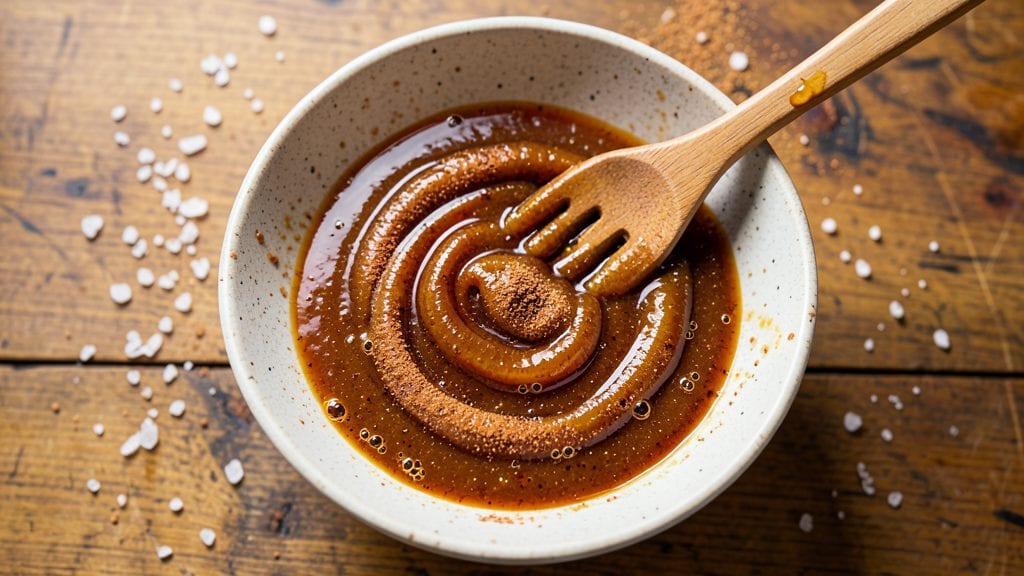
This Amish sweet and sour salad dressing delivers the perfect balance of tangy vinegar and caramelized sweetness that elevates any green salad from ordinary to extraordinary.
Inspired by traditional Pennsylvania Dutch cooking, this recipe combines simple pantry staples with a technique that creates a silky, emulsified dressing without overpowering the freshness of your greens.
The secret lies in the slow reduction of vinegar and sugar, which develops deep, complex flavors while maintaining that signature Amish homestead simplicity.
What sets this dressing apart is its versatility—it works equally well on crisp romaine, hearty kale, or even as a marinade for grilled chicken.
The recipe uses just six core ingredients: apple cider vinegar, brown sugar, vegetable oil, Dijon mustard, a pinch of salt, and a touch of cinnamon for warmth. No special equipment is needed beyond a whisk or blender, making it accessible for any home cook.
The cinnamon isn't just for flavor; it reflects the subtle spicing traditions found in Amish kitchens, where warmth and balance are key.
By the time you're done, you'll have a dressing that's smooth, glossy, and perfectly balanced—not too sweet, not too sour, but just right. The slow simmering process caramelizes the sugar slightly, giving it depth that store-bought versions can't match.
This dressing keeps well in the refrigerator for up to two weeks, making it ideal for meal prep or gifting. Whether you're serving a summer salad or dressing down a hearty winter dish, this recipe delivers professional-quality results with minimal effort.
The best part? This dressing transforms simple salads into a taste experience—one that reminds you of the careful balance found in Amish cooking. The cinnamon adds a whisper of warmth, while the vinegar and sugar create a harmony that's both nostalgic and refreshingly modern.
Let's get started on creating a dressing that's as much about tradition as it is about flavor.
Ingredients for amish sweet and sour salad dressing
Six simple ingredients transform into a dressing that captures Amish homestead tradition and modern balance.
| Ingredient | Amount | Notes |
|---|---|---|
| Apple Cider Vinegar 🍏 | ½ cup | Raw, unfiltered preferred |
| Light Brown Sugar 🍚 | ½ cup | Packed firmly, not loosely |
| Vegetable Oil 🫒 | ½ cup | Light or neutral flavor |
| Dijon Mustard 🌶️ | 1 tbsp | High-quality, smooth variety |
| Ground Cinnamon 🍃 | ½ tsp | Freshly ground preferred |
| Sea Salt 🧂 | ¼ tsp | Fine grain preferred |
| Water 💧 | ¼ cup | Room temperature |
| Fresh Lemon Juice 🍋 | 1 tbsp | Optional, for brightness |
The apple cider vinegar should be raw and unfiltered—look for brands like Bragg or Texas Pete at your local grocery store. The brown sugar matters too; light brown sugar packs more moisture, which helps create that signature caramelized depth. If you're using a dark brown sugar, reduce it slightly to avoid over-sweetness. The cinnamon is key to that Amish warmth—Penzeys or McCormick offer high-quality ground options. Freshly ground cinnamon adds complexity, but pre-ground works fine for everyday use. For the Dijon mustard, Maille or Grey Poupon are reliable choices, but any good-quality Dijon will do.
No apple cider vinegar? White vinegar or balsamic vinegar can substitute, though the flavor will differ slightly. Running short on brown sugar? White sugar plus a pinch of molasses mimics the moisture content. Vegetable oil can be swapped for avocado oil or light olive oil, but avoid strong-flavored oils. The lemon juice, while optional, adds a bright finish—freshly squeezed is best, but bottled lemon juice works in a pinch. If you're making this ahead, omit the lemon juice until just before serving to preserve its freshness. The sea salt should be fine grain—Diamond Crystal or Morton both work well, but avoid kosher salt as it's coarser and can alter the texture.
This dressing keeps beautifully in the refrigerator for up to two weeks when stored in an airtight container. Shake well before each use, as the ingredients naturally separate. For meal prep, divide it into smaller containers—4-ounce jars or small mason jars work perfectly. If you're gifting it, consider adding a small wooden spoon or a decorative ribbon. The slow simmering process caramelizes the sugar slightly, so the flavor actually improves over time. If you find it too thick after refrigeration, simply add a splash of water or vinegar to reach your desired consistency.
Why You'll Love This Recipe
- No Whisk Needed: I swear by this one—just shake it in a jar. The brown sugar and apple cider vinegar dissolve instantly with a quick stir, and that cinnamon? It cuts through the tang like a warm hug in a salad.
- Tangy-Sweet Magic: That Dijon mustard gives it a little bite, but the cinnamon and brown sugar turn it into something ridiculously addictive. Drizzle it over roasted veggies or grilled chicken—it’s the kind of flavor that makes people ask for the recipe.
- Pantry Staple Power: Honestly, you’re probably already stocked. Vinegar, sugar, oil—these are things I grab without thinking. No fancy ingredients, no last-minute store runs, just pure, reliable flavor that works everywhere.
- Lasts All Week: Make a big batch (I do) and keep it in the fridge. It doesn’t separate, doesn’t go bad, and still tastes fresh even after five days. Perfect for when you’re too tired to cook but still want something that tastes homemade.
Step-by-step instructions for Amish sweet and sour salad dressing
This dressing comes together in minutes with simple ingredients and careful technique.
Whisk Together the Vinegar and Sugar
In a medium bowl, combine the 0.5 cup apple cider vinegar and 0.5 cup light brown sugar. Use a whisk to stir vigorously for 1-2 minutes until the sugar dissolves completely and the mixture becomes smooth. You'll notice the liquid will turn a rich amber color as the sugar integrates fully.
The reason for whisking thoroughly is to ensure no sugar granules remain undissolved. These could create gritty spots in your dressing. If you prefer a smoother texture, you can gently warm the mixture for 30 seconds in the microwave, but whisking alone works perfectly for this recipe.
Add Mustard, Cinnamon, and Salt
Next, stir in the 1 tablespoon Dijon mustard, 0.5 teaspoon ground cinnamon, and 0.25 teaspoon sea salt. Mix well until fully incorporated. The cinnamon will distribute evenly, giving the dressing its signature warmth, while the mustard adds depth and helps emulsify the oil later.
Here's the thing—don't be tempted to skip the cinnamon. It's what gives this dressing its distinctive Amish flavor profile. If you're using freshly ground cinnamon, you'll notice a more aromatic scent compared to pre-ground. The salt at this stage balances the sweetness before the oil is added.
Incorporate Water and Lemon Juice
Pour in the 0.25 cup water and 1 tablespoon fresh lemon juice, whisking continuously. The water helps thin the mixture slightly, while the lemon juice brightens the flavors. You should now have a smooth, slightly thick liquid that coats the back of a spoon.
This is the moment that matters: the balance of tartness from the vinegar and lemon should complement the sweetness without overpowering it. Taste the mixture now—it should be pleasantly tangy with a hint of cinnamon warmth. If it tastes too sweet, you can add a tiny bit more lemon juice later.
Slowly Add the Oil While Whisking
With the motor running on medium speed in your electric mixer (or whisking vigorously by hand), very slowly drizzle in the 0.5 cup vegetable oil. Add it drop by drop at first, then in a thin stream, allowing the mixture to emulsify properly. This slow addition prevents the oil from separating and creates a creamy, stable dressing.
You'll know you're doing it right when the mixture thickens noticeably and becomes smooth and glossy. If you add the oil too quickly, the dressing may break and separate. Be patient—this step ensures your dressing stays emulsified for days in the refrigerator.
Adjust Consistency and Flavor
Taste the dressing again and adjust the seasoning if needed. If it's too thick, add 1-2 teaspoons of water at a time, whisking well after each addition. If it's too thin, you can add a bit more oil or let it sit for 10-15 minutes to thicken naturally.
For optimal flavor, let the dressing rest for at least 30 minutes before using. This allows all the flavors to meld together. Store any leftovers in an airtight container in the refrigerator for up to 1 week, shaking well before each use. This dressing works beautifully on coleslaw, potato salad, or even as a marinade for grilled meats.
Pro Tips For Making Amish Sweet And Sour Salad Dressing
- Whisk in stages: Start with the vinegar and sugar—let them dissolve completely before adding oil. I learned this the hard way when I dumped everything in at once and ended up with a grainy mess. Stirring in the mustard and cinnamon last keeps the texture smooth and the spices evenly distributed.
- Use warm vinegar: Heat the apple cider vinegar slightly before mixing—just enough to warm your measuring cup. Cold vinegar makes the sugar clump like a stubborn child, and you’ll be fighting lumps the whole time. A 10-second microwave zap does the trick.
- Measure oil precisely: Don’t eyeball the vegetable oil—use a measuring spoon or scale. Too little and the dressing separates; too much and it tastes greasy. For a 1-cup batch, stick to ½ cup oil. Trust me, your future salads will thank you.
- Toast the cinnamon first: Lightly toast the ground cinnamon in a dry pan for 30 seconds until fragrant. It deepens the flavor and cuts through the sweetness, giving that classic Amish warmth without overpowering. Skip this, and you’ll miss a subtle but crucial layer of taste.
Essential equipment for amish sweet and sour salad dressing
Basic Whisk Set
You don’t need anything fancy to make this dressing—I use a stainless steel whisk like the OXO Good Grips for its durability and ease of use. The flat wires create tiny air bubbles that help emulsify the oil beautifully.
For a budget-friendly option, the Cuisinart Stainless Steel Whisk works just as well. If you prefer electric mixing, a hand mixer like the KitchenAid KSM150PS makes the oil incorporation step effortless. 💫
Measuring Tools
Precision matters here, especially with the brown sugar and vinegar. I recommend a stainless steel measuring cup set like the Farberware Classic for accurate measurements. The 0.5 cup markings are clear, and the pour spouts prevent spills.
For the cinnamon and salt, a small measuring spoon set (like McElroy’s) ensures you don’t overdo it—those spices add warmth, not overpowering heat.
Heat-Safe Bowl
If you choose to warm the vinegar-sugar mixture (optional for smoother texture), use a heat-safe glass bowl like Pyrex or CorningWare. These materials distribute heat evenly and won’t warp.
Avoid plastic bowls—they can melt or leach chemicals when exposed to heat. A medium-sized bowl (8–10 inches in diameter) gives you enough room to whisk without splashing.
Storage Containers
For leftovers, amber glass jars (like Ball Mason jars) are ideal—they block light, which preserves the dressing’s vibrant color and flavor. If you prefer plastic, airtight containers with silicone seals (such as Rubbermaid Brilliance) work well for up to 2 weeks.
Label your containers with the date to track freshness. A small wooden spoon included in the jar adds a rustic Amish touch and makes serving effortless. ✨
Optional: Immersion Blender
If you struggle with emulsification, an immersion blender like the Hamilton Beach 58040 simplifies the process. Simply blend the oil into the mixture while it’s in the bowl—no transferring needed.
This tool is especially helpful if you’re making large batches or have limited arm strength. It also creates a smoother texture than whisking alone. 💡
Garnish Tools
For presentation, a microplane (like OXO Good Grips) lets you zest fresh lemon or ginger for garnish, while a small pair of tongs helps place delicate herbs like parsley or chives on top.
If you’re gifting the dressing, a decorative ribbon or wooden spoon tied to the jar elevates it from pantry staple to homemade treasure. These tools aren’t essential, but they add that final touch of care. 🍃
Nutrition facts
Frequently asked questions
What makes this dressing different from regular sweet and sour dressings?
This recipe incorporates traditional Amish flavors like cinnamon and apple cider vinegar, creating a deeper, more complex taste profile than standard versions. The slow reduction of sugar and vinegar develops caramelized notes, while the Dijon mustard adds subtle depth. It's also emulsified for a silky texture that clings beautifully to greens.
Can I make this dressing without a blender or whisk?
Yes! If you don't have either, use a fork or spoon to vigorously stir the oil into the mixture drop by drop. While it won't be as smooth, the flavors will still combine. For best results, let it sit for 10 minutes before shaking again—this helps the ingredients meld naturally.
How do I fix a dressing that separated after refrigeration?
Simply shake or whisk the dressing vigorously for 30-60 seconds until fully re-emulsified. If it still separates, add 1 teaspoon of water at a time while whisking until smooth. The oil and vinegar will re-combine quickly. For prevention, store it in a smaller container to minimize separation.
What are the best salads to pair with this dressing?
This dressing shines on crisp greens like romaine or butter lettuce, but also works beautifully with hearty options like kale or cabbage. Try it on coleslaw, potato salad, or even grilled chicken. The cinnamon notes complement roasted vegetables and fruits like apples or pears too. For a unique twist, use it as a marinade for pork tenderloin.
Why does my dressing taste too sweet?
This usually happens when the sugar hasn't fully dissolved or the vinegar wasn't balanced properly. Next time, whisk the sugar and vinegar for 2 full minutes to ensure complete integration. For immediate fixes, add 1-2 teaspoons of lemon juice or a splash of vinegar to restore balance. Taste as you go—adjust gradually!