
Side Dishes
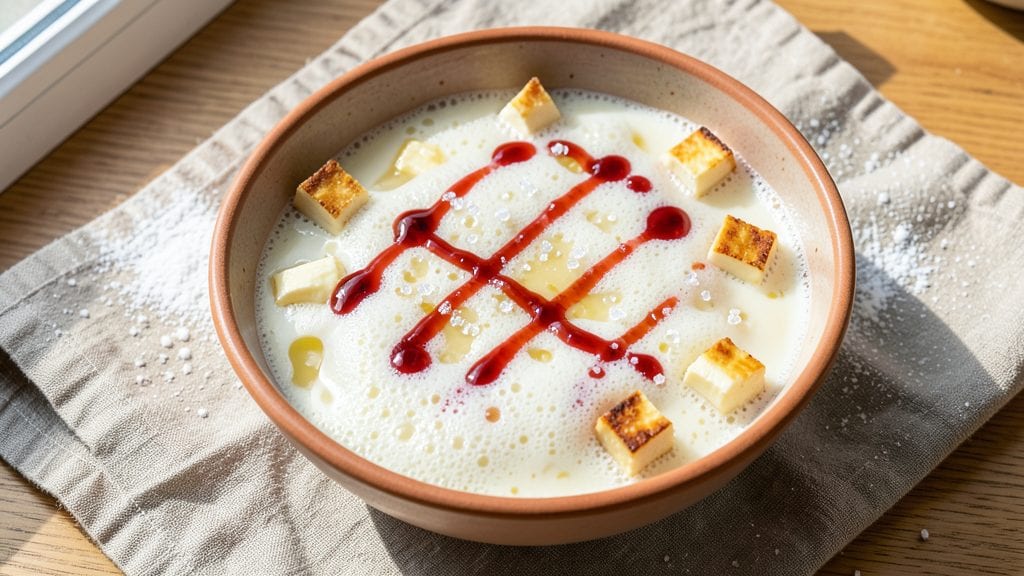
This angry bread recipe delivers the bold, vinegar-kissed crunch that transforms ordinary sandwiches into something unforgettable. The secret lies in a high-hydration dough and precise fermentation, creating a dense, chewy loaf with a sharp tang that cuts through rich fillings.
I developed this version after years of experimenting with sourdough techniques, and it’s now my go-to for hearty meals—especially when paired with sharp cheddar or spicy mustard.
The dough requires patience but rewards with a texture that’s both sturdy and satisfying—ideal for holding up to thick sandwich fillings without falling apart. A touch of apple cider vinegar during mixing adds that signature "angry" bite, while a long cold proof (overnight) deepens flavor and improves digestibility.
This isn’t your average sandwich bread; it’s a bold, flavorful base designed to stand up to anything you pile on top.
By the time it emerges from the oven, you’ll have a loaf with a crisp crust and an interior that’s dense yet tender—perfect for slicing thick or tearing by hand.
The vinegar infusion ensures every bite has a bright, almost citrusy edge, balancing rich toppings like smoked meats or creamy cheeses. It’s the kind of bread that makes even simple lunches feel like a gourmet experience.
Serve it warm with butter, or let it cool for that ideal crunch. The leftovers keep well for days, making this a foolproof recipe for meal prep.
Whether you’re feeding a crowd or treating yourself to a satisfying lunch, this bread delivers texture and flavor that’ll change how you think about sandwiches.
Ingredients for angry bread
Six key ingredients transform ordinary flour into bold, vinegar-kissed sandwich bread.
| Ingredient | Amount | Notes |
|---|---|---|
| All-Purpose Flour 🌾 | 4 cups | Sifted for even mixing |
| Active Dry Yeast 🍞 | ¼ oz | Or 2 1/4 tsp (1 packet) |
| Granulated Sugar 🍚 | ½ tbsp | Feeds yeast for activation |
| Unsalted Butter 🧈 | ½ cup | Cold, cubed (not melted) |
| Apple Cider Vinegar 🍎 | ¼ cup | Raw, unfiltered preferred |
| Whole Milk 🥛 | 1 cup | Warmed to room temp |
| Large Egg 🥚 | 1 whole | Room temperature |
| Salt 🧂 | 1 ½ tsp | Kosher or sea salt |
| Cornmeal 🌽 | ¼ cup | For dusting parchment |
| Ice Water ❄️ | ½ cup | For final dough adjustment |
The apple cider vinegar is non-negotiable—it’s what gives this bread its signature tang. Grab the raw, unfiltered kind from the baking aisle (like Bragg or Mott’s), not the pasteurized stuff. For the yeast, check the expiration date—it should be fresh, not sitting in your pantry since last Thanksgiving. The butter needs to stay cold until the very end, or your dough will get gummy. I always buy European-style butter (like Plugrá) for richer flavor, but regular unsalted works too. The milk should be warm enough to touch with your finger—like bathwater, not scalding.
No apple cider vinegar? White vinegar or lemon juice works in a pinch, but the flavor won’t be quite the same. Short on butter? Vegetable oil at half the amount keeps things moist, though the texture won’t be as tender. The dough gets sticky—don’t fight it. Wet hands and a light dusting of flour (not the whole cup) is all you need. For the yeast, if your kitchen’s cold, warm the water slightly (110°F) to help it activate. And if you’re baking at high altitude, reduce the yeast by 20%—this dough’s hydration makes it extra sensitive to elevation.
This dough needs time—at least 8 hours cold proofing is ideal. Wrap it tightly in plastic and stash it in the fridge. The flavor develops overnight like a fine wine. Baked loaves keep 3-4 days at room temp, wrapped in a towel. For longer storage, freeze slices on a tray first, then bag them—prevents freezer burn. Reheat slices in a 350°F oven for 5 minutes to revive that fresh-baked crunch. The vinegar aroma fades over time, so bake within 2 days of mixing for peak tang.
Why You'll Love This Recipe
- No-Knead Magic: I swear by this—just mix, let it rise, and bake. The apple cider vinegar does all the heavy lifting while I do the dishes.
- Tangy Butter Bliss: That buttery crust with a hint of vinegar? It’s like a hug in bread form—rich but not heavy, sweet but not cloying. Honestly, I could eat a loaf straight from the oven.
- Weeknight Wonder: Toss together the dough in the morning, forget about it, and boom—fresh bread at dinner. Perfect for busy nights when takeout feels like too much effort.
- Budget Bakery Gold: Uses pantry staples (hello, flour and sugar) and stretches into sandwiches, toast, or even French toast. My wallet and my family thank me every time.
Step-by-step instructions for vinegar-infused crunch bread
Here's how to craft this bold, tangy bread with a perfect chew—every step ensures that signature crunch and depth.
Activate the Yeast with Vinegar and Warm Milk
In a small bowl, combine the 0.25 oz active dry yeast, 0.5 tbsp granulated sugar, and 0.25 cup apple cider vinegar with ½ cup of the 1 cup warm whole milk. Let it sit for 5-10 minutes until the mixture becomes frothy and bubbles vigorously. This tangy activation kickstarts your dough with that signature "angry" flavor.
I like to use a thermometer here—your milk should be 105-110°F. Too hot and you'll kill the yeast; too cold and it won't activate properly. The vinegar adds acidity that enhances the bread's crunch and keeps it fresh longer. If it doesn't bubble after 10 minutes, your yeast might be dead—start fresh with a new packet.
Mix the Dough with Cold Butter and Flour
In a large bowl, whisk together the remaining ½ cup warm milk, the 1 whole large egg, and the 1.5 tsp salt. Add the 4 cups all-purpose flour and mix until just combined. Then cut in the 0.5 cup cold unsalted butter using a pastry cutter or your fingers—you want pea-sized butter pieces throughout the dough.
Add the activated yeast mixture and knead by hand or with a stand mixer fitted with a dough hook for 8-10 minutes until the dough is smooth and elastic. The butter should be evenly distributed but still visible in small flecks. This cold butter creates those signature pockets of flavor and texture when baked. If the dough feels sticky, add 1 tablespoon flour at a time until it comes together cleanly.
Let the Dough Rest and Develop Gluten
Shape the dough into a ball, place it in a lightly greased bowl, cover with a damp towel, and let it rise in a warm place for 1-1.5 hours or until doubled in size. The vinegar-infused dough will rise more slowly than typical bread dough, so be patient—this slow fermentation builds the bread's complex flavor.
I like to do this first rise at room temperature. You'll know it's ready when the dough springs back slowly when poked and has visibly expanded. If your kitchen is cold, place the bowl near a warm oven with the light on. Don't overproof—this bread needs structure to hold its shape during baking. After the first rise, punch down the dough to release air bubbles, then shape it into a loaf and let it rest for 20 minutes before final shaping.
Shape and Proof the Loaf
On a lightly floured surface, shape the dough into a 9x5-inch loaf pan. Dust the pan with 0.25 cup cornmeal and place the dough inside, seam-side up. Cover again and let it proof for another 45-60 minutes until the dough has risen about 1 inch above the pan.
This second proof is crucial—it develops that open crumb structure we want. The vinegar helps create a slightly denser crumb with a satisfying chew. Tap the loaf gently; if it springs back slowly, it's ready. If your kitchen is warm, you might need to reduce the proofing time slightly. Preheat your oven to 375°F while the dough proofs—you want everything ready to go when the timer starts.
Bake for Maximum Crunch and Tang
Bake the loaf for 35-40 minutes until the top is deep golden brown and an instant-read thermometer inserted into the center reads 190-200°F. The vinegar-infused crust will be slightly crackled and crisp—this is what gives "angry bread" its name. For extra crunch, brush the top with a little ice water right after removing it from the oven.
Let the bread cool in the pan for 10 minutes before transferring to a wire rack. This resting period prevents it from falling apart when you slice. The interior should be moist but with a satisfying chew, and that vinegar tang should be prominent in every bite. Slice while still warm for the best texture—this bread holds up well for sandwiches but is best enjoyed fresh from the oven.
Pro Tips For Making Angry Bread
- Bloom the yeast first: Skip mixing yeast straight into dry flour—it’ll wake up slower. Instead, dissolve it in warm (not hot) water with a pinch of sugar first, then let it foam for 5-10 minutes. I learned this the hard way when my dough took three hours to rise because the yeast was half-asleep.
- Measure vinegar precisely: Apple cider vinegar is tangy but inconsistent—use a scale or measuring spoon, not a splash. Too little makes the bread bland; too much turns it sour. I once used "about" 2 tablespoons and ended up with a loaf that tasted like a science experiment.
- Knead until elastic, not exhausted: Stop when the dough springs back slowly (not instantly) when poked. Over-kneading glues the gluten together, making the bread dense. My first few attempts were rock-hard because I thought "more kneading = better"—wrong.
- Let dough rise twice: The second rise is where flavor develops. After shaping, let it proof in a warm spot until it’s almost doubled, then bake immediately. I skipped this once and got a flat, sad loaf that tasted like cardboard. (Your future self will notice.)
Perfect pairings for angry bread
Spreads & Toppings
This vinegar-infused bread thrives with rich, tangy spreads that complement its bold flavor. I love pairing it with sharp cheddar cream cheese mixed with 1 tsp Dijon mustard and a pinch of smoked paprika—the heat and crunch balance perfectly.
For something lighter, try garlic-herb goat cheese with 1 tbsp chopped fresh dill and a drizzle of honey. The vinegar’s acidity also makes it ideal for spicy mayo (mix mayonnaise with ½ tsp cayenne and 1 tsp apple cider vinegar). 🧀
Soup Pairings
The dense, chewy texture of this bread soaks up hearty soups beautifully. A tomato basil soup with a splash of balsamic vinegar enhances the bread’s tang, while a creamy potato leek soup lets the vinegar’s brightness shine.
For something spicy, try it with chili con carne—the bread’s crunch contrasts the soft beans and tender meat. I also love serving it with French onion soup, where the caramelized onions and Gruyère complement the vinegar’s sharpness.
Cold Cuts & Charcuterie
This bread is a game-changer for charcuterie boards. Pair it with prosciutto di Parma, aged cheddar, and cornichons for a classic combo. The vinegar’s bite cuts through the fat in salami or coppa, while blue cheese and walnuts add depth.
For a vegetarian spread, layer hummus with roasted red peppers and fresh mint. The bread’s sturdy structure holds up to thick slices of roast beef or turkey, making it perfect for sandwiches too.
Breakfast Pairings
Start your day with this bread as a French toast base—dip slices in a mix of 2 eggs, ½ cup milk, 1 tsp vanilla, and 1 tbsp cinnamon, then pan-fry until golden. Top with maple syrup and whipped cream for a decadent treat.
For a savory breakfast, serve it with scrambled eggs, crispy bacon, and avocado slices. The vinegar’s tang also works well with ricotta cheese spread and honey, creating a sweet-savory balance.
Beverage Pairings
A bold IPA with its citrusy hops complements the bread’s vinegar notes beautifully. For something lighter, try a crisp Sauvignon Blanc—its acidity mirrors the bread’s tang.
Coffee lovers will adore pairing it with a dark roast (the bitterness contrasts the sweetness), while tea drinkers should opt for Earl Grey or chai. A ginger ale or sparkling apple cider also works well, especially for brunch or lunch.
Global Variations
In Italy, this bread would shine with prosciutto e melone (ham and cantaloupe), while in France, it’d pair with saucisson sec and cornichons. For a Mexican twist, try it with chorizo, avocado, and pickled onions.
In Japan, pair it with umeboshi (pickled plum) and whipped cream for a sweet-savory combo. The vinegar’s versatility makes it adaptable to global flavors—experiment to find your favorite! 🌍
Nutrition facts
Frequently asked questions
Why does this bread have a \"crunch\" that regular sandwich bread doesn’t?
The vinegar infusion and high hydration create a denser crumb structure with a crisp exterior. The apple cider vinegar also helps retain moisture longer, preventing that stale sandwich bread texture. Plus, the cold butter creates flavor pockets that contribute to the satisfying bite.
Can I make this bread without a loaf pan?
Shape the dough into a free-form boule or batard instead. For extra crunch, bake on a cornmeal-dusted baking sheet at 375°F for 30-35 minutes, rotating halfway. The crust will develop faster without a pan, so watch closely for golden brown color.
How do I store leftovers to keep them fresh?
Wrap cooled slices in a beeswax wrap or aluminum foil, then store in an airtight container at room temperature for 3-4 days. For longer storage, freeze slices on a tray first, then transfer to a bag. Reheat in a 350°F oven for 5 minutes to restore that fresh-baked crunch. The vinegar helps preserve freshness longer than regular bread.
What’s the best way to revive stale angry bread?
Preheat your oven to 300°F and wrap the bread in foil. Heat for 10-15 minutes until warmed through. For extra crunch, brush with water and broil for 2 minutes at the end. The vinegar’s acidity makes it more resilient to staling than standard bread.
Can I substitute white vinegar for apple cider vinegar?
Yes, but expect a slightly milder flavor. Use the same amount of white vinegar, but add an extra ½ tsp of lemon juice to compensate for the lost tang. The texture will be similar, though the crust might be slightly less crisp. For best results, stick with raw apple cider vinegar.