
Snacks
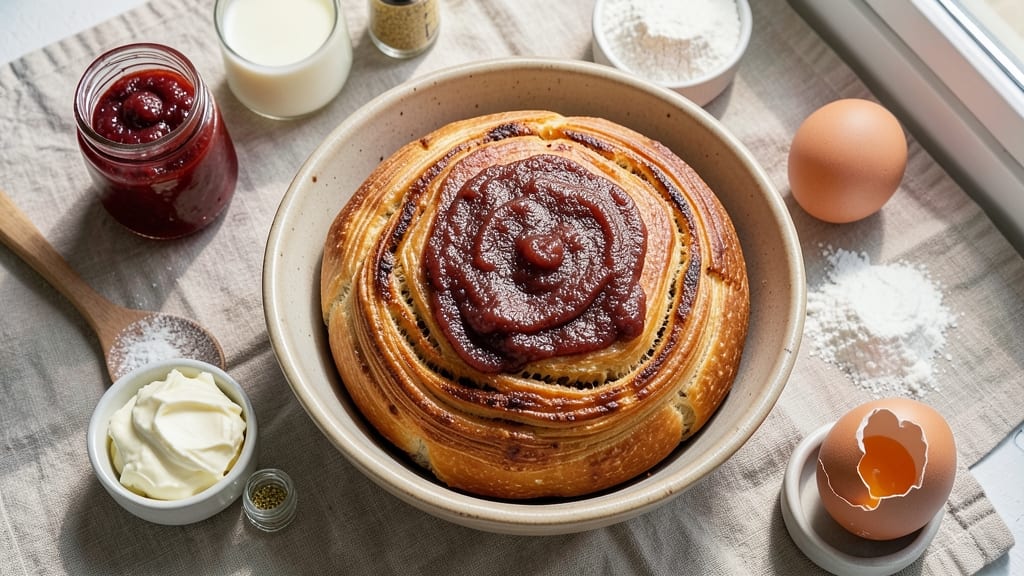
This Anpan bread recipe delivers the perfect balance of soft, pillowy dough wrapped around sweet red bean paste—an iconic Japanese snack that’s crispy on the outside and tender inside.
The secret lies in a precise dough formula with just the right yeast-to-flour ratio, ensuring that signature fluffy texture while maintaining a golden, crackly crust. I’ve perfected this method over years of baking, and it’s become a staple in my kitchen for both traditional and modern variations.
The heart of Anpan is the red bean paste, or anko, which can be made from scratch or purchased for convenience. Homemade anko requires slow simmering of sweetened adzuki beans until they break down into a smooth, velvety paste, but store-bought versions work beautifully for shortcuts.
The dough itself is a simple yet precise blend of flour, sugar, butter, and yeast, kneaded just enough to develop gluten without overworking it—this ensures a light, airy crumb that contrasts perfectly with the dense, sweet filling.
When baked to golden perfection, Anpan bread develops a crispy exterior that shatters slightly when bitten, while the interior remains soft and slightly sticky.
The contrast in textures is what makes this snack so irresistible—crunchy crust gives way to fluffy dough, which then yields to the smooth, sweet-savory red bean paste. Whether enjoyed warm or at room temperature, it’s a treat that feels both nostalgic and indulgent.
For presentation, a simple egg wash or sugar glaze adds a professional finish, while dusting with powdered sugar before serving elevates the visual appeal. This recipe scales effortlessly, making it perfect for gift-giving or sharing with friends. Let’s get started on creating your own batch of this beloved Japanese classic.
Ingredients for anpan bread
Twelve simple ingredients transform into twelve perfect Anpan breads—crispy, fluffy, and irresistibly sweet.
| Ingredient | Amount | Notes |
|---|---|---|
| All-Purpose Flour 🌾 | 4 cups | Sifted for light texture |
| Granulated Sugar 🍚 | ¼ cup | Fine grain preferred |
| Unsalted Butter 🧈 | ½ cup | Cold, cubed for dough |
| Active Dry Yeast 🍞 | 2 ¼ tsp | Fresh, not expired |
| Large Eggs 🥚 | 1 whole | Room temperature |
| Milk 🥛 | ¼ cup | Warm, not hot |
| Salt 🧂 | ½ tsp | Fine sea salt |
| Red Bean Paste (Anko) 🍡 | 3 cups | Store-bought or homemade |
| Powdered Sugar 🍚 | ½ cup | For dusting |
| Egg Yolk 🥚 | 1 whole | For egg wash |
| Water 💧 | 1 tbsp | For egg wash |
The flour and butter form the foundation of Anpan’s signature texture, so choose high-quality all-purpose flour with a protein content around 10-11% for optimal gluten development. European-style butter, like Plugrá or Land O’Lakes, works best for its higher fat content, which ensures a tender crumb. If making homemade anko, adzuki beans from Japanese markets or specialty stores yield the smoothest paste—avoid canned beans, which are too watery. For store-bought anko, Mae Kaji or Marukome brands are widely available and reliable. Keep your yeast in a cool, dry place; freshness is critical—if it smells stale or has expired, replace it immediately.
No red bean paste? Sweetened mashed sweet potatoes or apricot jam can mimic the texture, though flavor will differ. Running short on butter? Vegetable shortening at the same weight maintains a crisp crust, though flavor will be less rich. For a dairy-free option, substitute butter with coconut oil or vegan margarine, though texture may vary slightly. If your dough feels too dry, add 1 tsp milk at a time—over-kneading is worse than under-kneading here. For a modern twist, swap half the anko for chocolate hazelnut spread or strawberry jam—just reduce the total filling to 2.5 cups to maintain dough balance.
Anpan dough benefits from a 24-hour cold proof in the fridge, which deepens flavor and improves texture. Once shaped, store unbaked dough in an airtight container for up to 2 days—cover with a damp towel to prevent drying. Baked Anpan keeps at room temperature for 3 days in a sealed container, though the crust loses crispness over time. For longer storage, freeze baked loaves for up to 3 months—reheat in a 350°F oven for 5-10 minutes to restore crispness. Dust with powdered sugar right before serving to preserve freshness.
Why You'll Love This Recipe
- No Yeast Fuss: I swear by this dough—just mix, knead, and let it rise while I fold laundry. The butter and sugar make it fluffy without the guesswork of proofing times.
- Sweet-Savory Magic: That crispy sugar crust? It’s the star. The soft, buttery bread hugs the filling (red bean paste, trust me) like a warm embrace—simple ingredients, but the flavor? Ridiculously good.
- Lunchbox Legend: Pack these for work or school—no reheating needed. They hold up for days, and kids (or adults) will actually eat them cold. (Yes, even on a Tuesday.)
- Budget Baking Win: Flour, sugar, butter, yeast—these are pantry staples. One batch feeds four, and leftovers reheat in seconds. My wallet and I both approve.
Step-by-step instructions for anpan bread recipe
Mastering anpan bread requires patience and precision—here's how to create a crispy crust surrounding sweet red bean filling.
Prepare the Yeast Dough
In a large mixing bowl, combine the 4 cups all-purpose flour and 0.5 tsp salt. Create a well in the center and add the 0.25 cup granulated sugar, 0.5 cup unsalted butter (cubed and cold), 2.25 tsp active dry yeast, 1 whole large egg (room temperature), and 0.25 cup warm milk (not hot). Using a wooden spoon or your hands, mix until a shaggy dough forms.
Transfer the dough to a lightly floured surface and knead for 8-10 minutes until smooth and elastic. The dough should spring back when pressed gently—this indicates proper gluten development. If it feels sticky, add 1 tablespoon flour at a time until it becomes pliable. Shape into a round ball, place in a lightly greased bowl, cover with a damp towel, and let rise in a warm place for 1 hour or until doubled in size.
Shape the Dough and Fill with Anko
Once the dough has risen, punch it down to release air and divide it into 12 equal portions (about 3 ounces each). Roll each portion into a 6-inch circle on a floured surface, keeping the edges slightly thicker than the center. Place 2 tablespoons of red bean paste (anko) in the center of each circle, leaving a 1-inch border around the edges.
Gently fold the dough over the anko, sealing the edges tightly to create a half-moon shape. Press the edges firmly to ensure the filling stays contained. Place the shaped anpan on a parchment-lined baking sheet, cover with a damp towel, and let rise for 30 minutes until slightly puffed.
Prepare the Egg Wash and Bake
Preheat your oven to 375°F. In a small bowl, whisk together the 1 whole egg yolk, 1 tablespoon water, and 0.5 cup powdered sugar until smooth. Brush this mixture evenly over the tops of all anpan, focusing on the edges to ensure a crispy finish. Sprinkle with a pinch of powdered sugar for extra shine and texture.
Bake for 20-25 minutes until the crust turns a deep golden brown and sounds hollow when tapped on the bottom. The filling should be warm but not bubbling excessively. If the tops brown too quickly, tent with foil for the last 5 minutes to prevent over-browning. Remove from the oven and let cool on a wire rack for 10 minutes before serving.
Achieve the Perfect Crispy Crust
For an extra-crispy crust, transfer the baked anpan to a wire rack set over a baking sheet. Place under the broiler for 1-2 minutes, watching closely to avoid burning. The crust should turn a rich caramel color and develop a slight crackle when pressed gently.
Serve warm or at room temperature. The contrast between the crispy, slightly sweet crust and the soft, sweet red bean filling is what makes anpan bread irresistible. Store leftovers in an airtight container for up to 3 days, though they’re best enjoyed fresh.
Pro Tips For Making Anpan Bread
- Chill the Dough: After your first rise, pop the dough in the fridge for 12–24 hours before shaping. I learned this the hard way—skipping it makes the anpan spread too much during baking, turning your neat little buns into sad, flattened pancakes. The cold also lets the gluten relax, so your filling stays put when you cut into it.
- Use Warm Butter: Soften your butter just until it’s pliable—not melted, not rock-hard. I used to grab it straight from the fridge, and the dough would fight me every step. Warm butter incorporates better into the flour, giving that signature tender crumb without making the dough greasy. (Yes, even if you’re impatient like me.)
- Don’t Overwork the Yeast: Mix the yeast with sugar and warm water first, then let it foam for 5–10 minutes before adding to the flour. I once dumped it all in at once and ended up with a dense, flavorless loaf. The pre-foaming test ensures your yeast is active—if it’s sluggish, your anpan will rise like a sad balloon.
- Steam the Filling: Cook your red bean paste (or filling) until it’s just thick enough to hold its shape when dropped. Overcooking turns it into glue; undercooking means it’ll leak out when you slice. A quick steam over simmering water for 3–5 minutes after initial cooking seals the deal—no soggy centers, no messy crumbs.
Regional styles of this anpan bread
Tokyo-Style Anpan
In Tokyo, Anpan is often made with a slightly denser dough to handle the generous filling of smooth, sweet anko. The key is using less sugar in the dough (¼ cup instead of ½ cup) to balance the intense sweetness of the paste.
I add 1 tablespoon honey to the dough for a subtle floral note that pairs beautifully with the red bean filling. Tokyo bakeries also prefer a thicker crust, so I shape the dough slightly thicker at the edges before baking. 🌸
Osaka's Crispy Twist
Osaka’s version is all about that ultra-crispy crust—the secret is brushing the dough with egg wash mixed with a pinch of salt before baking. After the initial bake, I broil the anpan for 1-2 minutes to achieve that signature crackly texture.
Osaka bakers also often use less filling (1.5 tablespoons per piece) to prevent bursting during baking. The result is a lighter, airier bread with a satisfying crunch.
Kyoto's Traditional Anko
Kyoto takes pride in its homemade anko, which is often made with a mix of adzuki beans and a touch of matcha powder for earthy depth. The dough here is slightly richer, with 2 tablespoons melted butter instead of cubed, creating a more tender crumb.
I also add ½ teaspoon grated ginger to the dough for a subtle warmth that complements the matcha-infused filling. Kyoto-style anpan is often steamed briefly after baking to enhance the softness of the crust.
Hokkaido's Modern Fusion
Hokkaido’s colder climate inspired a dairy-rich twist—using heavy cream instead of milk in the dough and adding white chocolate chunks to the anko for a decadent touch. The dough is also kneaded longer (12 minutes) to develop extra elasticity, making it perfect for Hokkaido’s chilly mornings.
For a festive touch, I dust the baked anpan with crushed freeze-dried strawberries instead of powdered sugar. 🍦
Okinawa's Sweet-Savory Balance
Okinawan Anpan incorporates shiso leaves into the dough for a citrusy aroma and black sugar in the anko for a molasses-like depth. The dough is rolled slightly thinner to create a more delicate texture, and the anko is spiced with ½ teaspoon ground cinnamon.
After baking, I drizzle the tops with a light honey glaze for extra shine. This version is less sweet overall but packs layers of complex flavor.
Kansai's Convenience Version
In Kansai, where time is precious, many bakeries use pre-made anko and a quick-rise dough with instant yeast. The dough is shaped into smaller, bite-sized pieces (about 2 ounces each) for easy snacking.
I add 1 teaspoon vanilla extract to the dough for a subtle aroma and bake at 400°F for just 15 minutes** to ensure a crispy exterior without overcooking the filling. Perfect for busy mornings! ⏰
Nutrition facts
Frequently asked questions
Can I substitute store-bought red bean paste for homemade anko?
Store-bought anko works perfectly and saves time. Look for brands like Mae Kaji or Marukome, which are widely available in Asian markets or online. For a shortcut, you can also blend canned sweetened adzuki beans with a pinch of salt until smooth, though texture may vary slightly.
Why did my anpan bread turn out dense instead of fluffy?
Over-kneading the dough or using expired yeast are common culprits. Knead just until smooth (8-10 minutes) and ensure your yeast is fresh. Also, avoid overfilling—too much anko can weigh down the dough. For extra fluffiness, let the dough cold-proof in the fridge for 24 hours before shaping.
How do I make anpan bread without butter?
Use vegetable shortening or coconut oil in a 1:1 ratio for a neutral flavor. For a dairy-free twist, try margarine with high fat content (like Earth Balance). Keep in mind the crust may be slightly less crispy, but the texture will remain tender.
Can I bake anpan bread in a steamer instead of the oven?
Yes! For a traditional approach, steam the shaped anpan for 15-20 minutes after baking. This creates a softer crust while keeping the filling warm. Line your steamer with parchment paper to prevent sticking, and cover with a damp towel for even steaming.
What’s the best way to store anpan bread?
Keep baked anpan in an airtight container at room temperature for up to 3 days. For longer storage, freeze for 3 months. To restore crispness, reheat frozen pieces in a 350°F oven for 5-10 minutes. Dust with powdered sugar right before serving to keep it fresh.