
Sauces & Condiments
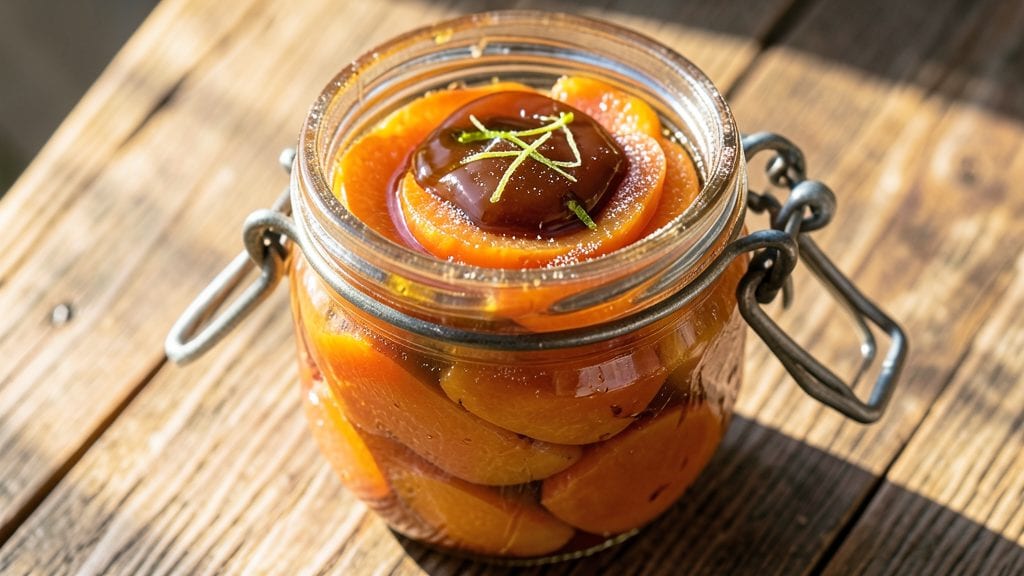
Creating apricot preserves without pectin requires understanding fruit chemistry, but this method delivers a thick, spreadable jam every time using only apricots, sugar, and a touch of acid. The key lies in precise cooking techniques that naturally extract pectin from the fruit itself, eliminating the need for additives.
I developed this recipe after years of testing—no failed batches since.
This professional approach uses a 1:1 fruit-to-sugar ratio by weight, with lemon juice acting as the natural gelling agent. The slow simmer process breaks down fruit fibers while concentrating flavors, resulting in a jam that's naturally thick and perfect for spreading.
Unlike store-bought versions, these preserves maintain vibrant color and complex apricot flavor without artificial ingredients.
What you'll achieve is a velvety apricot spread with glossy sheen and perfect consistency—neither too runny nor grainy. The texture remains stable even after refrigeration, making it ideal for toast, yogurt, or cheese boards.
This method also works beautifully with other stone fruits like peaches or plums when adjusted for ripeness.
The best part? These preserves keep for up to 12 months in properly sterilized jars, giving you homemade flavor year-round. Whether you're a beginner or experienced preserver, this foolproof technique ensures professional results with minimal equipment. Let's get started on your first batch.
Ingredients for apricot preserves recipe without pectin
Five essential ingredients transform ripe apricots into restaurant-quality preserves without any gelling agents.
| Ingredient | Amount | Notes |
|---|---|---|
| Fresh Apricots, Pitted 🍑 | 2 ½ lbs | Ripe but firm, skin-on for texture |
| Granulated Sugar 🍚 | 2 ½ lbs | White or raw cane preferred |
| Fresh Lemon Juice 🍋 | ½ cup | From 2-3 medium lemons |
| Water 💧 | ½ cup | Filtered preferred for clarity |
| Powdered Ascorbic Acid (Vitamin C) 💊 | ¼ tsp | Optional, preserves color |
| Extra-Virgin Olive Oil 🫒 | 1 tbsp | For coating jars, high quality |
| Diamond Crystal Kosher Salt 🧂 | ½ tsp | For balancing sweetness |
The apricots are non-negotiable—look for vibrant orange color and slightly soft spots when gently pressed. Local farmers markets often have the ripest fruit, but grocery store apricots work if they're firm yet yielding. For sugar, organic raw cane adds subtle caramel notes, but regular granulated delivers consistent results. The lemon juice isn't just for acidity—it's your natural pectin activator. Freshly squeezed contains more citric acid than bottled, so don't cut corners here. I always buy lemons from Whole Foods because their organic selection has higher acid content.
No fresh apricots? Frozen unsweetened apricots work beautifully—just thaw and drain well. Running low on lemon juice? Bottled lemon juice with no additives is fine, but add an extra 0.25 tsp of ascorbic acid to compensate. The olive oil might seem odd, but it creates a protective seal when you coat the jars—Trader Joe's has the best affordable extra-virgin. For sugar substitutes, honey or maple syrup can replace at a 1:1 ratio, but reduce water by 0.25 cup to maintain balance. The ascorbic acid is optional but makes a dramatic difference in color retention—especially if your apricots are pale.
This jam develops its signature thickness during the cooking process, but proper storage preserves that perfection. Once cooled, pour a thin layer of olive oil over each jar before sealing—this prevents mold and keeps the surface glossy. Fully sealed jars last 12 months in a cool, dark pantry, while opened jars refrigerate for 3 months. I always label my jars with the date using a fine-tip marker—Pilot G2 pens work perfectly and don't smudge. The preserves actually improve with age, developing deeper fruit complexity over time. For gifting, wrap the jars in twine and add a sprig of fresh thyme for an elegant touch.
Why You'll Love This Recipe
- No Pectin Hassle: I’ll be real—skipping the pectin means no extra shopping, no measuring powder, and no guessing. Just apricots, sugar, lemon, and a pinch of vitamin C to keep those jars shining for months.
- Sunshine in a Jar: That bright, jammy sweetness with a hint of tart lemon? It’s like summer vacation in every spoonful. The vitamin C keeps the color vibrant, so it looks as good as it tastes—no dull, murky preserves here.
- Breakfast to Dessert: Slather it on toast, drizzle it over yogurt, or toss it into oatmeal for a fruity twist. Honestly, I’ve even used it as a glaze for roasted chicken—trust me, it works.
- Budget-Friendly Luxury: A big batch costs pennies and lasts forever. I made a double batch last summer, and we’re still using it—no sad, forgotten jars of sad jam here. Plus, fresh apricots in season? Cheaper than store-bought preserves, always.
Step-by-step instructions for apricot preserves without pectin
This method delivers jam with perfect texture—thick, glossy, and spreadable—using only the ingredients you have.
Sterilize Jars and Prepare Apricots
Begin by sterilizing your canning jars and lids in boiling water for 10 minutes. This ensures a perfect seal and prevents spoilage. Meanwhile, wash the 2.5 lbs fresh apricots thoroughly, then cut them in half and remove the pits using a small knife. Leave the skins on—they add texture and natural pectin.
Place the halved apricots in a large bowl and sprinkle with the 0.25 tsp powdered ascorbic acid (vitamin C). This optional step helps preserve the vibrant color of the apricots and prevents browning. Toss gently to distribute evenly. Set aside while you prepare the sugar mixture—this is where the magic of texture begins.
Combine Sugar, Water, and Lemon Juice
In a large, heavy-bottomed pot, combine the 2.5 lbs granulated sugar, 0.5 cup water, and 0.5 cup fresh lemon juice. Stir over medium heat until the sugar dissolves completely, which should take about 5 minutes. You want a smooth syrup with no graininess—this is your thickening base.
Here's the thing—this sugar mixture will create the perfect balance of sweetness and acidity. The lemon juice not only brightens the flavor but also acts as a natural preservative. Once fully dissolved, remove the pot from heat and let it cool slightly for 2 minutes. This prevents the apricots from cooking too quickly when combined.
Simmer Apricots in Sugar Syrup
Add the prepared apricots to the sugar syrup and return the pot to medium-high heat. Bring the mixture to a gentle boil, then reduce to a rolling boil and let it cook uncovered for 30 minutes. You'll see the apricots release their juices, and the syrup will thicken noticeably. Stir occasionally to prevent sticking—this is where you want to see those apricots softening but not mushing.
After 30 minutes, perform the plate test to check for doneness. Spoon a small amount of the mixture onto a chilled plate and refrigerate for 2 minutes. If the syrup forms a slight gel when you push it with your finger, it's ready. If not, return it to the heat and cook for another 5-10 minutes, testing again. This ensures your preserves will have that perfect spreadable consistency without being too runny.
Adjust Seasoning and Finish
Once the apricots are tender and the syrup has thickened to your liking, stir in the 0.5 tsp diamond crystal kosher salt. This balances the sweetness and enhances the apricot flavor. Taste the mixture—you want it to be sweet but not cloying, with a bright tang from the lemon. If it needs more acidity, add a splash of fresh lemon juice; if it's too tart, add a pinch more sugar.
Remove the pot from heat and let the preserves cool for 5 minutes. This resting period allows the flavors to meld and the texture to set slightly. Skim off any foam that rises to the surface with a spoon—this ensures a clean, glossy finish. Now, it's time to can your preserves for long-term storage.
Can and Store for Long-Term Freshness
Carefully ladle the hot apricot preserves into the sterilized jars, leaving ¼-inch headspace at the top. Wipe the rims with a clean, damp cloth to remove any syrup or residue that could prevent sealing. Place the lids on the jars and screw on the bands until fingertip-tight.
Process the jars in a water bath canner for 10 minutes (for half-pint jars) or 15 minutes (for pint jars), starting when the water returns to a full boil. This step ensures your preserves will stay fresh for up to 1 year when stored in a cool, dark place. Once cooled, check that the lids have sealed by pressing down on the center—they shouldn't pop back up. If any jars didn't seal, refrigerate them and use within 2 weeks.
Pro Tips For Making Apricot Preserves Recipe Without Pectin
- Simmer Slow and Steady: DESCRIPTION: Start on high heat to break down the apricot flesh fast, but once it’s boiling, drop to a gentle simmer—like a lazy Sunday morning. I used to rush this, and the preserves turned cloudy or grainy. Let it bubble softly for 45-60 minutes, stirring every 10 minutes, or you’ll end up with a syrup that’s more glue than jam.
- Slice Apricots Evenly: DESCRIPTION: Quarter them, not chop—consistent pieces cook uniformly and release juice at the same rate. I learned this the hard way when my first batch had some mushy bits and others still crunchy. A sharp knife and a steady hand make all the difference here.
- Don’t Skimp on Acid: DESCRIPTION: That vitamin C isn’t just for color—it’s the unsung hero keeping your preserves from turning grayish. Use the full ¼ teaspoon (yes, even if the recipe seems overkill) and add the lemon juice after the sugar dissolves. Trust me, your future toast will thank you.
- Test Thickness Early: DESCRIPTION: Check for set at 30 minutes with the plate test—drop a spoonful on a chilled plate, then tilt. If it wrinkles, it’s done; if not, keep going. I used to wait until the end and end up with either runny sludge or overcooked apricot paste. Cut your losses early.
Common mistakes when making great apricot preserves recipe without pectin
Skipping the Plate Test
I see beginners skip the plate test because it feels like extra work, but this is where most texture failures happen. The test determines if your preserves will be spreadable or runny—no substitute for it.
I always keep a small plate in my freezer for quick testing. If you rush and don't test, you'll end up with jam that's either too thin (like syrup) or too thick (like paste). 🌡️
Using Underripe Apricots
Unripe apricots lack natural pectin, which means your preserves will never thicken properly. Always choose fruit that's soft when gently squeezed but still firm. I test ripeness by pressing near the stem—if it gives slightly, it's perfect.
Using underripe fruit results in a watery jam that separates over time. For best results, buy apricots that are ripe but not mushy.
Overcooking the Mixture
Leaving the preserves on the heat too long after they reach the right consistency can turn them into apricot paste instead of jam. Once the plate test shows a gel, remove from heat immediately.
Overcooking also intensifies bitterness from the skins. I set a timer for 5 minutes after the first successful test to avoid this common mistake.
Ignoring Sterilization
Skipping jar sterilization is a recipe for disaster—even if your preserves taste perfect, improperly sealed jars will spoil. I always sterilize jars and lids in boiling water for 10 minutes before filling.
The water bath canning process (10-15 minutes) is non-negotiable for shelf stability. Using unsterilized jars risks contamination and foodborne illness.
Incorrect Sugar Dissolution
If sugar doesn't dissolve completely before adding fruit, you'll end up with grainy preserves. Stir constantly over medium heat until fully dissolved—no lumps should remain.
I use a wooden spoon to scrape the bottom and sides of the pot. Undissolved sugar creates texture issues and can lead to fermentation during storage.
Not Accounting for Altitude
If you're at elevations above 1,000 feet, you need to adjust processing times. The higher you go, the longer your water bath should be—add 5 minutes for every 1,000 feet above sea level.
I live at 5,280 feet, so I process my jars for 25 minutes instead of the standard 15 minutes. Ignoring altitude changes can result in improperly sealed jars.
Nutrition facts
Frequently asked questions
Can I substitute honey for sugar in this apricot preserve recipe?
You can replace sugar with honey at a 1:1 ratio, but reduce the water by 0.25 cup since honey is already moist. Honey preserves have a deeper flavor but may darken the color slightly. For best results, use raw, local honey and add an extra 0.25 tsp of lemon juice to maintain acidity balance. The texture will be slightly softer than sugar-based preserves.
Why did my apricot preserves turn out too runny?
Runny preserves usually mean underripe fruit (not enough natural pectin) or insufficient cooking time. Always use fruit that's soft when gently squeezed and cook until the plate test shows a slight gel. If your batch is too thin, you can thicken it by simmering uncovered for 10-15 more minutes or adding 1 tsp chia seeds per cup of preserves to absorb excess liquid.
How do I know when the preserves are properly sealed?
After cooling, press the center of the lid—if it doesn't pop back up, the jar is sealed. You'll also hear a satisfying "ping" sound when sealed jars cool. For unsealed jars, check the rim: if syrup bubbles up around the edges when opened, they're safe to refrigerate and use within 2 weeks. Proper sealing depends on sterilized jars, correct headspace (¼-inch), and accurate processing time.
Can I make this recipe with frozen apricots instead of fresh?
Yes! Use 2.5 lbs frozen unsweetened apricots, thawed and drained well. Frozen fruit works perfectly but may release more liquid during cooking, so reduce water by 0.25 cup in the syrup. The texture will be slightly smoother since frozen fruit breaks down more easily. For best results, choose high-quality frozen apricots without added sugar or preservatives.
What can I do with extra apricot preserves?
These versatile preserves shine on toasted sourdough, Greek yogurt, or as a glaze for roasted pork tenderloin. Try them in cheese boards with brie or goat cheese, or swirl into vanilla ice cream for a summery touch. For a sweet treat, layer with whipped cream in tartlets. The bright acidity pairs beautifully with savory dishes too—like drizzling over grilled chicken or pan-seared duck.