
Sauces & Condiments
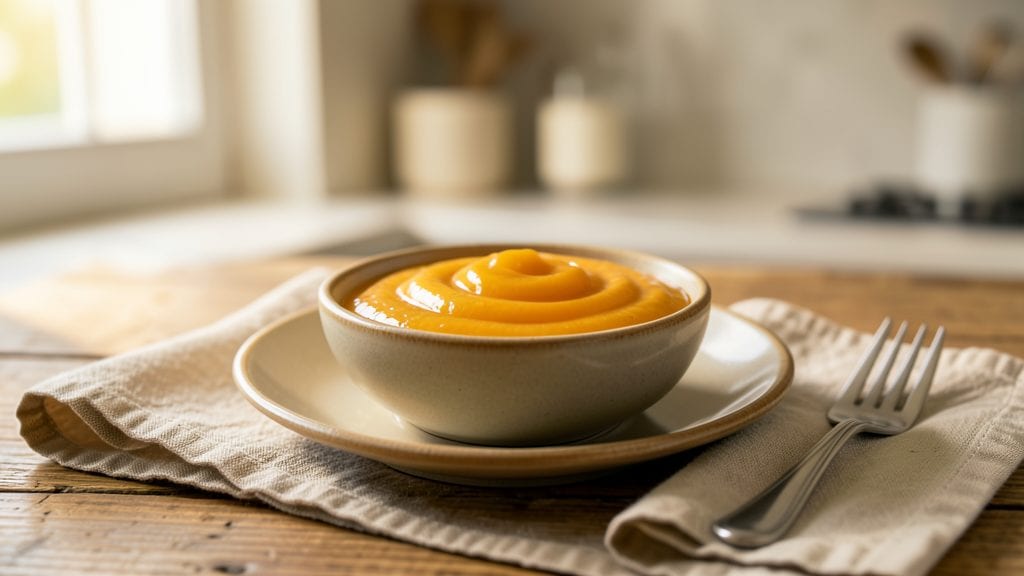
This apricot salad dressing recipe transforms ordinary greens and grains into vibrant, flavor-packed meals with just five ingredients and 10 minutes of prep. The secret lies in blending ripe apricot puree with tangy vinegar and smooth olive oil, creating a dressing that's bright, fruity, and perfectly balanced.
I developed this recipe after craving something lighter than traditional vinaigrettes but still packed with depth—it's become my go-to for spring and summer salads.
The dressing's magic comes from its emulsification process, where apricot puree acts as the natural sweetener and emulsifier, binding oil and vinegar into a silky, clingy texture. Unlike store-bought versions, this recipe uses no added sugars or preservatives, making it healthier without sacrificing flavor.
The blend of apricot's natural sweetness with the acidity of vinegar creates a perfect harmony that enhances leafy greens, quinoa bowls, or grilled chicken dishes.
What you'll achieve is a dressing that's rich enough to coat every ingredient yet light enough to let the natural flavors shine through. The color transforms from pale green to a stunning golden hue, signaling a dressing that's as visually appealing as it is delicious.
This recipe yields about 1 cup, perfect for a week's worth of lunches or a single large salad.
Store the dressing in an airtight container in the refrigerator for up to 10 days, where its flavors will deepen and intensify over time. For best results, shake well before each use to re-emulsify.
Whether you're dressing a simple arugula salad or elevating a grain bowl, this apricot twist will elevate your meals effortlessly.
Ingredients for apricot salad dressing
Five simple ingredients transform into a golden, fruity dressing that brightens any salad.
| Ingredient | Amount | Notes |
|---|---|---|
| Ripe Apricot Puree 🍑 | ½ cup | Homemade or high-quality store-bought |
| Extra-Virgin Olive Oil 🫒 | ½ cup | Light and fruity variety preferred |
| Apple Cider Vinegar 🍏 | ¼ cup | Or white wine vinegar |
| Honey 🍯 | 1 tbsp | Raw or local preferred |
| Diamond Crystal Kosher Salt 🧂 | ½ tsp | Adjust to taste |
| Freshly Ground Black Pepper 🌶️ | ¼ tsp | Freshly cracked for best flavor |
| Garlic Cloves 🧄 | 1 whole | Minced, optional for depth |
The apricot puree is the star—look for ripe, vibrant apricots at your local farmers market or grab a high-quality jarred puree like Mott's. The olive oil should be light and fruity (like Colavita or Bertolli), not heavy or peppery. Honey adds just enough sweetness to balance the tang, so local raw honey works best if you're feeling fancy. I usually grab mine from Whole Foods or a local apiary. The vinegar? Apple cider gives it that subtle apple note, but white wine vinegar works too—just don't use balsamic, it'll throw off the balance. Freshly ground pepper and minced garlic (if using) make all the difference—skip the pre-minced garlic from the jar, it's just sad.
No apricot puree? Blend 2 ripe apricots with 1 tbsp water—it's a game-changer. Swap honey for maple syrup if you're avoiding it, but it'll taste slightly different. Running low on apple cider vinegar? White wine or rice vinegar both work, but you might need an extra splash. The salt is key here—Diamond Crystal kosher dissolves better than table salt, but use what you've got. For extra depth, add 1 tsp Dijon mustard if you're feeling adventurous. If you're making a big batch, double everything—this keeps beautifully in the fridge. The dressing's magic comes from the emulsification, so don't skip the honey—it's the secret to that silky texture.
This dressing keeps for up to 10 days in the fridge, but it gets better with age—shake well before each use to re-emulsify. I like to store it in a small amber glass jar (like the ones from Weck) to keep it fresh. If it separates, just give it a good shake. For best flavor, use it within the first week. The color transforms from pale to that stunning golden hue—perfect for spring and summer salads. It's also amazing drizzled over grilled chicken or tossed with quinoa bowls. Make a double batch—you'll want it on everything.
Why You'll Love This Recipe
- Five-Ingredient Magic: I swear, this dressing comes together faster than I can say "salad time." Just blend, whisk, and pour—no chopping, no fuss, and zero excuses for skipping fresh greens.
- Sweet-Savory Balance: That apricot puree and honey combo? It’s like summer in a jar—bright, fruity, and just a hint of tang from the apple cider vinegar. Honestly, it’s the kind of flavor that makes you want to drizzle it on everything.
- Weeknight & Weddings: Works for a quick lunch bowl or a fancy charcuterie spread. I’ve used it on kale salads, grilled chicken, and even as a glaze for roasted veggies. Between us, it’s my go-to for when I need something effortless but still feels special.
- Lasts All Week: Make a big batch—it keeps for days in the fridge without separating or getting weird. And since it’s just pantry staples (plus maybe a jar of apricot puree), it’s way cheaper than buying fancy dressings. Plus, I always have leftovers for toast or yogurt bowls.
Step-by-step instructions for apricot salad dressing
This vibrant dressing comes together in minutes with just a whisk and a few simple ingredients.
Whisk Together the Sweet and Tangy Base
In a medium bowl, combine the 0.5 cup ripe apricot puree and 0.25 cup apple cider vinegar. Stir them together until fully incorporated—you'll notice the mixture immediately takes on a beautiful rosy hue. The apricot puree brings natural sweetness while the vinegar adds that essential tang that makes dressings work.
Next, add the 1 tbsp honey and mix again until smooth. The honey enhances the fruit's sweetness while balancing the acidity. Here's where it gets good—this combination creates the perfect foundation for a dressing that's bright yet complex, not cloyingly sweet. Taste it now before adding the rest—you'll want to adjust the sweetness later if needed, so know your starting point.
Incorporate the Oil and Seasonings
With the bowl on a stable surface, slowly drizzle in the 0.5 cup extra-virgin olive oil while whisking continuously. This gradual addition creates an emulsified dressing that won't separate. I like to whisk for about 1 minute at this stage to ensure everything blends completely—you're looking for a smooth, velvety texture without any streaks of oil.
Add the 0.5 tsp diamond crystal kosher salt and 0.25 tsp freshly ground black pepper, whisking until fully dissolved. The salt enhances all the flavors while the pepper adds a subtle warmth that pairs beautifully with the fruit's sweetness. At this point, you should have a dressing that's glossy, well-balanced, and ready for the final touch.
Add Garlic for Depth (Optional but Recommended)
For an extra layer of flavor, mince the 1 whole garlic cloves (about 1 teaspoon minced) and stir it into the dressing. The garlic adds a subtle complexity that makes this dressing truly special. If you're using it for a dish where raw garlic might be too assertive, you can lightly toast the minced garlic in a dry pan for 30 seconds before adding—this mellows the flavor while keeping its aromatic qualities.
Give everything one final whisk to distribute the garlic evenly. The dressing should now have a beautiful, uniform color and a perfect balance of sweet, tangy, and savory notes. This is your chance to taste and adjust—if it needs more sweetness, add a touch more honey; if it's too sharp, a splash of water can help mellow the vinegar.
Let It Rest and Shake Before Serving
Transfer the dressing to a clean jar with a tight-sealing lid. Let it sit at room temperature for at least 15 minutes before using. This resting period allows all the flavors to meld together beautifully. The dressing will also thicken slightly, which is ideal for tossing with greens or drizzling over grains.
Before using, give the jar a good shake to re-emulsify any separated oil. This dressing keeps well in the refrigerator for up to 1 week, so you can make a big batch and enjoy it throughout the week. The flavors actually improve as they sit, developing even more depth over time. It's perfect for spring salads, grain bowls, or even as a marinade for grilled vegetables.
Pro Tips For Making Apricot Salad Dressing
- Whisk in stages: Start by mixing the apricot puree, vinegar, and honey—this prevents clumping when you add the oil. Then drizzle in the olive oil slowly while whisking; if you dump it in, you’ll end up with a greasy, separated mess that won’t emulsify.
- Strain your puree: Skip the chunky bits by straining the apricot puree through a fine-mesh sieve before mixing. I used to skip this, and the texture always felt uneven—like eating a fine sauce with occasional gritty surprises.
- Salt the vinegar: Dissolve the kosher salt directly into the apple cider vinegar before adding it to the dressing. This ensures even distribution and prevents clumpy salt at the bottom of your jar—trust me, it’s a game-changer for texture.
- Taste before thinning: Check the balance of sweet, tang, and richness without adding more oil—you’ll know if it’s too thick or needs more honey/vinegar. I’ve ruined three batches by thinning first and then realizing the flavor was off.
Make-ahead tips for this recipe
Batch Prep Strategy
Make a double batch (1.5 cups total) to have dressing ready for the week. Store it in a small amber glass jar like Weck or a Ball canning jar—these preserve freshness better than plastic.
The dressing actually tastes better after 2-3 days in the fridge as flavors meld together. I like to prep mine on Sundays so it's ready for Monday lunches. 📅
Freezing for Long-Term
For storage beyond 10 days, freeze individual portions in ice cube trays. Once frozen, transfer cubes to a ziplock freezer bag and flatten to save space. Thaw overnight in the fridge—shake well before using.
The texture may separate slightly after freezing, but a good shake brings it back to perfection. This method works well for summer prep when you know you'll need it later. ❄️
Re-Emulsifying Tricks
If your dressing separates in the fridge, don't toss it! The emulsification can be restored by adding 1 tsp water or 1 tsp vinegar and shaking vigorously for 30 seconds. For stubborn separation, whisk in ½ tsp Dijon mustard—it acts as a natural emulsifier.
I've revived dressings that looked ruined with this trick. Always store with the lid fully sealed to prevent air exposure. 💫
Portion Control Tips
Use a small squeeze bottle (like OXO Good Grips) to portion out dressing for individual salads. This prevents waste and makes it easy to take to work. For grain bowls, I like to use a shot glass (about 2 tbsp per serving) to control the amount.
Label your stored dressing with the date—this helps track freshness and prevents forgotten batches. 🍽️
Flavor Boosting Hacks
Enhance your stored dressing by adding ½ tsp fresh lemon juice before using—it brightens the flavors. For extra richness, stir in 1 tsp tahini just before tossing with greens. If the dressing tastes flat after a few days, a pinch of smoked paprika adds depth.
These adjustments work especially well if you've made a big batch and want to keep it exciting. 🌶️
Meal Prep Pairings
Pair this dressing with prepped ingredients for complete meals. Store quinoa or farro in separate containers and toss with dressing when ready. For salads, chop cucumber, radishes, and avocado ahead and store in a separate airtight container with a paper towel to absorb moisture.
This keeps everything fresh while preventing soggy greens. The dressing's fruity notes complement these ingredients perfectly. 🥗
Nutrition facts
Frequently asked questions
Can I use jarred apricot puree instead of fresh?
High-quality jarred apricot puree (like Mott's) works perfectly—just make sure it's unsweetened. For extra flavor, look for brands with no added preservatives. If you're using sweetened puree, reduce the honey to ½ tablespoon to balance the sweetness. The texture will be just as smooth, and the fruity notes will shine through.
Why did my dressing separate? How can I fix it?
Separation happens when oil and vinegar split—it's normal! To fix it, add 1 teaspoon water or vinegar and shake vigorously for 30 seconds. For stubborn cases, whisk in ½ teaspoon Dijon mustard (it acts as a natural emulsifier). Always store with a fully sealed lid to prevent air exposure. Shake well before each use to re-emulsify.
What’s the best way to store this dressing?
Keep it refrigerated in an airtight glass jar for up to 10 days. For longer storage, freeze in ice cube trays, then transfer to a freezer bag. Thaw overnight in the fridge—shake well before using. The dressing actually improves in flavor after 2-3 days as the flavors meld. Amber glass jars (like Weck) help preserve freshness best.
Can I make this without honey?
Yes! Swap honey for 1 tablespoon maple syrup or ½ teaspoon vanilla extract for depth. If avoiding sweeteners entirely, increase the vinegar to ⅓ cup and add ½ teaspoon mustard to help emulsify. The dressing will still balance well, though the honey adds a unique floral note that’s hard to replace. Taste as you go!
What salads or dishes pair best with this dressing?
This dressing elevates spring greens (arugula, spinach), grain bowls (quinoa, farro), and grilled chicken or fish. It’s also perfect for cucumber-avocado salads or as a marinade for roasted vegetables. The fruity-sweet flavor contrasts beautifully with savory or tangy ingredients. Try it on warm lentil salads for a cozy twist!