
Side Dishes
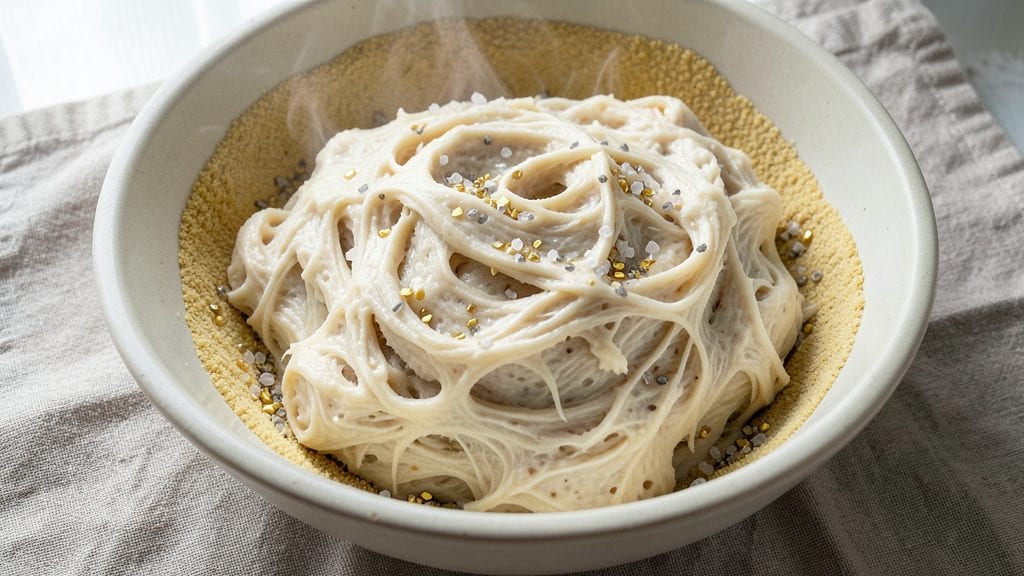
This artisan baguette bread recipe transforms your kitchen into a Parisian bakery with just five simple ingredients and precise technique. The secret lies in high hydration dough that develops gluten slowly, creating that signature crisp crust and airy, light interior.
I perfected this method after years of trial and error—each step matters to achieve authentic bakery results at home.
This recipe demands patience: a long fermentation at cool temperatures builds flavor and structure, while proper shaping and scoring before baking ensure that iconic open crumb. The key is controlling steam during baking to create that coveted thin, crispy crust while keeping the interior tender.
No specialized equipment is needed—just time and attention to detail.
By the final cut, you’ll have golden-brown baguettes with a shatteringly crisp exterior and an open, airy crumb that melts in your mouth. The aroma alone will have everyone gathering around your kitchen. This is the kind of bread that elevates any meal from ordinary to extraordinary.
Perfect for serving with soups, charcuterie boards, or simply enjoying fresh from the oven. Let’s begin with the dough—where the magic starts.
Ingredients for artisan baguette bread
Five essential ingredients yield bakery-quality baguettes with crisp crusts and airy interiors.
| Ingredient | Amount | Notes |
|---|---|---|
| Bread Flour 🌾 | 3 ½ cups | High-protein, 12-14% for best gluten development |
| Water 💧 | 2 ½ cups | Lukewarm, 80-85°F for optimal hydration |
| Active Dry Yeast 🍞 | ¼ tsp | Fresh, not expired for reliable fermentation |
| Kosher Salt 🧂 | 1 ½ tsp | Diamond Crystal preferred for precise measurement |
| Instant Yeast 🍞 | ¼ tsp | Optional for autolyse stage acceleration |
| Cornmeal 🌽 | ¼ cup | For dusting work surface and baking sheet |
| Ice Water 🧊 | ½ cup | For final dough adjustment before shaping |
The bread flour is non-negotiable—its high protein content (12-14%) develops the gluten network crucial for that signature open crumb. King Arthur or Caputo are professional-grade choices, but any reputable brand will work. Store flour in an airtight container away from light to prevent rancidity. The yeast must be fresh; test it by dissolving in warm water with a pinch of sugar—it should foam within 5-10 minutes. For the water, temperature control is critical: too hot kills yeast, too cold slows fermentation. Use a kitchen thermometer to maintain that 80-85°F range. The salt enhances flavor and strengthens gluten, but measure it precisely—too much inhibits yeast activity. Diamond Crystal has a gentler texture than table salt, making it ideal for delicate doughs.
No bread flour? All-purpose flour plus 1 tbsp vital wheat gluten mimics the protein structure, though results won't be identical. Substituting whole wheat flour reduces gluten development, compromising the signature crumb. The cornmeal can be swapped for rice flour or semolina, though cornmeal's slight sweetness complements the baguette's flavor. For the ice water, crushed ice works in a pinch, but it may dilute the dough slightly more than gradual addition. If your yeast test fails, instant yeast can replace active dry yeast at a 1:1 ratio—just dissolve it directly in the water. The dough's hydration level (about 70%) is key; if your kitchen is humid, reduce water slightly to avoid a sticky mess during shaping.
Store the dough in an airtight container at room temperature for up to 24 hours before shaping and baking. For longer storage, shape the baguettes, wrap tightly in plastic, and freeze for up to 3 months. Thaw overnight in the fridge before baking. The cornmeal keeps indefinitely in a cool, dark pantry. Yeast, once opened, should be refrigerated and used within 3 months for optimal performance. Baked baguettes are best enjoyed fresh but can be reheated in a 350°F oven for 5-10 minutes to restore crispness. Portion dough into individual loaves before freezing for convenient baking later.
Why You'll Love This Recipe
- Five-Ingredient Magic: I swear by this combo—just flour, water, yeast, and salt. That’s it. No fancy mix-ins clogging up the pantry, just pure, crispy baguette perfection every time.
- Crispy-Creamy Obsession: The moment it hits the oven, that crust turns golden and shatteringly crisp, while the inside stays soft and airy. Honestly, I’ll take this over store-bought any day.
- Weeknight Saver: Bake a batch on Sunday, and you’ve got fresh bread for sandwiches, toast, or dipping in olive oil all week. My kids call it "Sunday magic," and they’re not wrong.
- Budget Crust: A single loaf costs pennies to make, yet it feels like a bakery treat. I’ve fed my whole family for less than a fancy dinner—and they never know the difference.
Step-by-step instructions for artisan baguette bread
Here's the method—precise, tested, and designed for that perfect French bakery texture.
Create the Autolyse for Optimal Gluten Development
In a large mixing bowl, combine the 3.5 cups bread flour and 2.5 cups water at room temperature. Use a silicone spatula to gently mix until no dry flour remains—this stage is called autolyse. The dough will look shaggy and sticky, but resist the urge to overwork it. Cover the bowl with a damp kitchen towel and let it rest for 30-45 minutes.
This resting period allows gluten strands to begin forming naturally without yeast activation, creating a more extensible dough. You'll notice the dough gradually becomes smoother and more cohesive. The autolyse stage is critical for developing the open, airy crumb characteristic of artisan baguettes.
Hydrate and Knead with Yeast and Salt
After the autolyse, sprinkle the 0.25 tsp active dry yeast and 1.5 tsp kosher salt over the dough. Add the 0.25 tsp instant yeast as well—this helps accelerate fermentation slightly. Using your hands, gently fold the yeast and salt into the dough until fully incorporated, then perform a series of stretch-and-folds every 30 minutes for 2 hours.
For stretch-and-folds, wet your hands to prevent sticking, grab one side of the dough, stretch it upward, and fold it over itself. Rotate the bowl and repeat this motion 4-5 times per session. You'll notice the dough becomes smoother and more elastic with each session. The goal is to develop gluten without overworking the dough, which would create a tough crumb.
Bulk Fermentation Until Dough Doubles
After the final stretch-and-fold, cover the dough again and let it undergo bulk fermentation at room temperature (70-75°F) for 1-2 hours, or until it has visibly doubled in size and shows good activity at the seams. The dough should feel light and springy when poked gently with a fingertip—it should spring back slowly rather than immediately.
Here's the thing—if your kitchen is cooler, extend the fermentation time up to 3 hours. The dough is ready when it passes the "poke test" and has risen by about 50-75%. Over-fermenting can lead to a sour flavor, while under-fermenting results in a dense crumb. This stage builds flavor and structure simultaneously.
Pre-Shape and Cold Proof for Texture Control
Turn the dough onto a lightly floured surface dusted with 0.25 cup cornmeal to prevent sticking. Pre-shape the dough into a loose log by folding the ends toward the center and sealing the seams. Cover with plastic wrap and refrigerate for 12-16 hours—this cold proofing step is essential for developing flavor and improving oven spring.
Cold proofing slows fermentation, allowing gluten to relax and redistribute. The dough will develop a slightly tangy flavor during this time. When ready, remove the dough from the fridge and let it sit at room temperature for 1 hour before final shaping. This resting period ensures the dough is pliable enough to handle without tearing.
Final Shape and Bake for Crusty Perfection
Shape the dough into a classic baguette form by creating a taut surface with tapered ends. Place the shaped baguettes onto a baking sheet lined with parchment paper, dusted with 0.25 cup cornmeal. Cover with a damp towel and let them proof at room temperature for 1-2 hours until they've risen by about 30-50% and show clear signs of activity.
Preheat your oven to 475°F with a baking stone or inverted baking sheet inside. Once the oven reaches temperature, score the baguettes diagonally with a razor blade for steam escape. Bake for 20-25 minutes until the crust is deep golden brown and the internal temperature reaches 205-210°F. The bread should sound hollow when tapped on the bottom.
Cool and Serve for Optimal Texture
Remove the baguettes from the oven and transfer them to a wire rack to cool completely. Resist the temptation to cut into them immediately—the crust will firm up as it cools, and the crumb will set properly. Serve within 4 hours for the best texture, or store in an airtight container at room temperature for up to 3 days.
The final result should feature a crackly, golden crust with an open, airy crumb. Each slice should reveal an even distribution of holes throughout, a testament to proper gluten development during the autolyse and fermentation stages. The flavor should be slightly tangy with a clean, bread-like aroma.
Pro Tips For Making Artisan Baguette Bread
- Use Instant Yeast Only: I learned this the hard way—mixing active dry and instant yeast in the same dough creates uneven fermentation. This recipe calls for instant yeast, so skip the active dry unless you’re adjusting for a longer bulk ferment. The instant kind dissolves faster and guarantees consistent rise.
- Autolyse First: Give your dough a 20-30 minute head start by mixing just flour and water before adding yeast or salt. This relaxes the gluten and makes shaping easier later. (Yes, even if you’re impatient like me, resist the urge to skip it.)
- Score Deeply, Not Just Surface: When scoring your baguettes, cut down at least ½ inch deep—this ensures steam escapes and the bread expands properly. A shallow slash? You’ll end up with a sad, squat loaf. Use a razor blade or very sharp knife for clean lines.
- Preheat Dutch Oven with Lid: Place the lid on your Dutch oven while preheating to trap steam—this is the thing that matters most for that crisp crust. If you skip this, your baguettes will steam less and turn out denser. Aim for 475°F (245°C) and let it scream hot for 30 minutes.
Creative variations of artisan baguette bread
Herb-Infused Twist
Elevate your baguettes by adding 1 tbsp fresh rosemary or thyme leaves to the dough during the autolyse stage. For a Mediterranean flair, mix in ½ tsp dried oregano with the yeast.
The herbs infuse subtle earthy notes that pair beautifully with olive oil and garlic. I like using Penzeys Spices for consistent quality—just chop fresh herbs finely to distribute evenly. 🌿
Seeded Crunch Option
For texture lovers, sprinkle 1 tbsp toasted sesame seeds or poppy seeds onto the proofed baguettes before baking. Press them lightly into the surface so they adhere. Sunflower seeds add a nutty crunch, while flaxseeds provide omega-3 benefits.
Toast the seeds in a dry pan for 2-3 minutes at 350°F before using to enhance their flavor. 🌾
Sweet Variations
Transform your baguettes into breakfast stars by adding 2 tbsp honey or maple syrup to the dough during bulk fermentation. For a cinnamon swirl, roll out a small portion of dough, mix with 1 tbsp cinnamon and 1 tbsp brown sugar, then create a log before shaping.
These sweet versions are perfect for French toast or dessert crostini. 🍯
Savory Add-Ins
Incorporate ¼ cup grated Parmesan cheese during the final stretch-and-fold for a cheesy twist. For a smoky flavor, add ½ tsp smoked paprika with the salt. My favorite variation includes 2 tbsp chopped sun-dried tomatoes and 1 tsp dried basil—these add Mediterranean brightness.
Just distribute add-ins evenly to avoid flavor pockets. 🧀
Whole Grain Adaptation
Replace ½ cup bread flour with whole wheat flour for a nuttier, heartier baguette. To maintain proper gluten structure, add 1 tbsp vital wheat gluten to compensate for the lower protein content.
The crust will be slightly denser but still crisp, with a more robust flavor. This version pairs wonderfully with hearty soups or stews. 🌱
Regional French Styles
For a Brioche-style baguette, replace ½ cup water with ½ cup whole milk and add 2 tbsp melted butter during bulk fermentation. The result is a richer, softer crumb perfect for sandwiches.
In Provence, bakers often add 1 tsp lavender buds (infused in the water) for a floral aroma—use sparingly as it can be overpowering. 🌸
Nutrition facts
Frequently asked questions
Why does my artisan bread turn out dense instead of airy?
Under-fermented dough is the most common cause. The gluten needs proper development through stretch-and-folds and adequate proofing time. Start with the 30-45 minute autolyse and perform all 4 stretch-and-folds—this builds elasticity. Also ensure your yeast is fresh (test it in warm water with sugar) and your kitchen is between 70-75°F during bulk fermentation. If your dough doesn't double in 2 hours, it's likely underproofed.
Can I make baguettes without a baking stone?
Place an inverted baking sheet on the middle rack instead. For extra steam, spray the oven walls with water when you load the baguettes. Preheat the oven to 475°F for 45 minutes to ensure proper heat distribution. The key is maintaining high heat and steam—this creates that signature crisp crust even without a stone.
How do I know when the baguettes are fully baked?
Look for three signs: deep golden brown crust, a hollow sound when tapped on the bottom, and an internal temperature of 205-210°F. The crust should be shatteringly crisp—if it's pale, bake 5 more minutes. Overbaking dries out the crumb, so remove them promptly when these indicators appear.
What's the best way to store homemade baguettes?
Cool completely on a wire rack, then store in an airtight container at room temperature for up to 3 days. For longer storage, freeze shaped (unbaked) baguettes for 3 months or baked ones for 1 month. To revive stale bread, wrap it in foil and heat at 350°F for 5-10 minutes—this restores crispness without a toaster.
Can I use all-purpose flour instead of bread flour?
Yes, but add 1 tbsp vital wheat gluten per 3.5 cups to mimic bread flour's protein structure. Without it, your baguettes will lack the open crumb and may be denser. For best results, use King Arthur or Caputo bread flour—their higher protein content (12-14%) is ideal for gluten development.