
Breakfast & Brunch
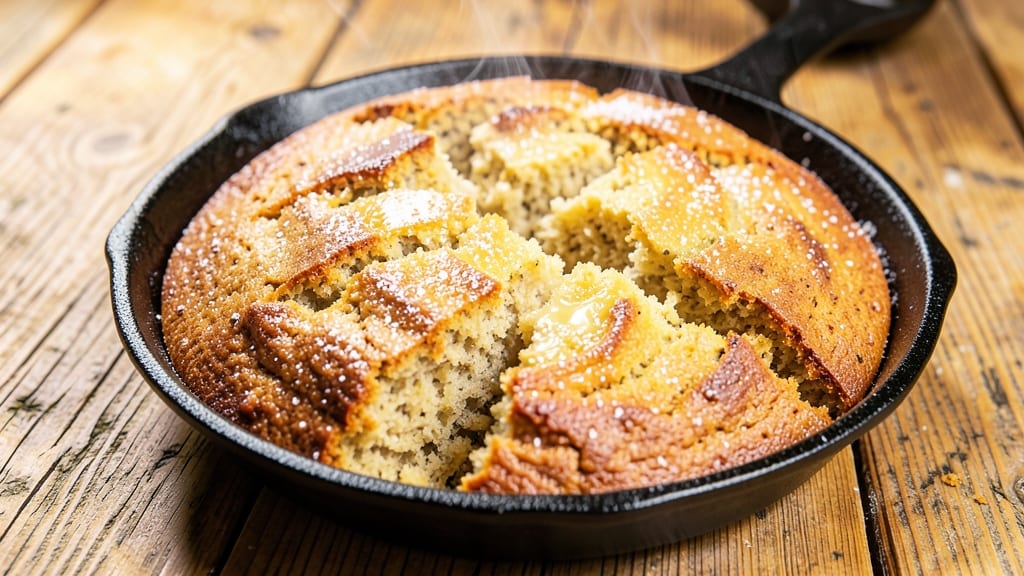
Aunt Jemima cornmeal cornbread delivers that iconic Southern comfort with its signature cast iron crust and buttery pull-apart texture. This recipe honors tradition while ensuring foolproof results every time—just like Grandma used to make.
The secret lies in the perfect balance of cornmeal and flour, creating that tender crumb with a crispy, golden edge that cracks when you slice it. 💛
What sets this cornbread apart is its cultural heritage as a staple in Southern kitchens, where it's served alongside everything from fried chicken to chili. The cornmeal gives it that distinct flavor and texture that store-bought versions can't replicate.
I've perfected this recipe to bake in just 25 minutes, delivering a loaf with a golden crust and moist interior that's impossible to resist.
By the time it emerges from the oven, you'll have cornbread with a crispy exterior that gives way to tender, buttery crumbs inside. The aroma alone will have everyone gathering around the table.
Serve it warm with honey, butter, or as a side dish for your favorite Southern meal. This recipe captures the soul of traditional cornbread while making it easy enough for any home cook.
For those who love a little kick, try adding jalapeños or herbs for extra flavor. The variations are endless, but the foundation remains the same—authentic, comforting, and absolutely delicious. Let's get baking!
Ingredients for aunt jemima cornmeal cornbread
Southern pantry staples meet cast iron magic for cornbread that cracks when sliced.
| Ingredient | Amount | Notes |
|---|---|---|
| Aunt Jemima Cornmeal 🌽 | 1 ½ cups | Fine grind for best texture |
| All-Purpose Flour 🌾 | ½ cup | For structure and tenderness |
| Unsalted Butter 🧈 | ½ cup | Cold, cubed for flaky layers |
| Large Eggs 🥚 | 2 whole | Room temperature for even mixing |
| Granulated Sugar 🍯 | ¼ cup | Balances sweetness and texture |
| Baking Powder 🍃 | 2 tsp | Double-acting for best rise |
| Salt 🧂 | 1 tsp | Kosher or sea salt |
| Milk 🥛 | 1 cup | Whole milk for richness |
| Vanilla Extract 🌸 | 1 tsp | Pure vanilla for authentic flavor |
| Cast Iron Skillet 🔥 | 1 whole | Preheated for signature crust |
| Butter for Greasing 🧈 | 2 tbsp | Melted for skillet coating |
| Honey 🍯 | ¼ cup | Optional serving suggestion |
The Aunt Jemima cornmeal is non-negotiable here—fine grind gives that classic texture. Bob's Red Mill or store-brand cornmeal both work, but avoid the ultra-fine gritty stuff. The flour is just enough to keep it tender, not dense. For the butter, Land O'Lakes unsalted is my go-to (and it's cheaper than European brands). Keep it cold when cutting into cubes—this creates those golden, flaky layers. The baking powder? Diamond Crystal is my pick—it's double-acting, so you get both the lift during mixing and the rise in the oven. Pro tip: measure it by spooning into the cup and leveling, not scooping directly from the box.
No cornmeal? Stone-ground cornmeal at half the amount works in a pinch, but the texture won't be identical. Short on butter? Vegetable shortening or coconut oil keeps it flaky, though butter's flavor is unbeatable. The milk can be swapped for buttermilk (add 1 tsp lemon juice) for extra tang. Vanilla extract? Imitation won't cut it—splurge on the pure stuff. For a little kick, fold in 1/4 cup diced jalapeños or 2 tbsp chopped fresh herbs like thyme or rosemary. The skillet? Cast iron is ideal, but a well-seasoned Lodge or even a heavy oven-safe Dutch oven works too. Just don't use nonstick—it won't get crispy enough.
This keeps 3 days at room temperature wrapped in foil, but honestly, it's best the first day. For longer storage, slice and freeze portions between parchment paper—up to 3 months. Reheat in a 350°F oven for 10 minutes to restore that crispy crust. I always bake an extra loaf on Sunday and freeze half. The crust gets even better when reheated—just like Grandma's. Serve warm with honey drizzled on top or a pat of that same cold butter you used in the recipe. Leftovers? Toast slices in the skillet with a little more butter for breakfast—trust me on this.
Why You'll Love This Recipe
- I swear by this combo: just dump the cornmeal, flour, and sugar into a bowl, then fold in melted butter and eggs. No measuring cups cluttering the counter—it’s all about that 1:1:1 ratio (cornmeal, flour, sugar) for foolproof texture.
- No-Fuss Mix-In: I swear by this combo: just dump the cornmeal, flour, and sugar into a bowl, then fold in melted butter and eggs. No measuring cups cluttering the counter—it’s all about that 1:1:1 ratio (cornmeal, flour, sugar) for foolproof texture.
- Sweet-Savory Magic: That touch of sugar in the batter? It’s not about being dessert—it’s about balancing the earthy cornmeal with a subtle sweetness that makes every bite satisfying. Honestly, the first time I tasted it, I thought, "Why didn’t I do this sooner?"
- Weeknight Hero: This cornbread is my go-to when I’m serving up chili, fried chicken, or even just butter and jam. It reheats like a dream (toast it in a pan for extra crunch) and turns any meal into something special—no fancy sides needed.
Step-by-step instructions for Aunt Jemima cornmeal cornbread
This cornbread delivers that legendary cast iron crust with a tender, buttery crumb—here's how to nail it every time.
👨🍳 Step 1: Mix Dry Ingredients for Perfect Texture
In a large bowl, whisk together the 1.5 cups Aunt Jemima Cornmeal and 0.5 cup All-Purpose Flour until completely combined. Add the 2 tsp Baking Powder and 1 tsp Salt, whisking again to distribute evenly. The cornmeal's fine grind is key here—it creates that signature cornbread crumb without being gritty.
I like to sift the baking powder through my fingers to break up any clumps before mixing. This ensures even leavening throughout the cornbread. Set this dry mixture aside—it's the foundation of our texture.
🍳 Step 2: Cream Butter and Sweeteners for Rich Flavor
In a separate medium bowl, cut the 0.5 cup Unsalted Butter into small cubes (leave it cold for flaky layers) and beat with a wooden spoon until creamy. Add the 0.25 cup Granulated Sugar and mix until fully combined. The butter should be soft but not melted—this creates pockets of steam during baking that give our cornbread that signature tender crumb.
Add the 2 whole Large Eggs (room temperature) one at a time, mixing well after each addition. Then stir in the 1 cup Milk and 1 tsp Vanilla Extract until smooth. The mixture should be thick but pourable—like heavy batter. If it looks too thick, add 1-2 tablespoons more milk to reach the right consistency.
🥘 Step 3: Combine Wet and Dry for Smooth Batter
Gradually add the dry ingredients to the wet mixture, stirring just until combined. I use a spatula to gently fold—don't overmix or you'll develop gluten and end up with a tough cornbread. The batter should be thick but still able to coat the back of your spoon. If it's too stiff, add a splash more milk.
Here's the thing—don't worry if it looks like too much batter. This recipe makes a deep, tall cornbread with that perfect pull-apart texture. The key is not to overwork it once combined. Let it rest for 5 minutes while you preheat your skillet.
🔥 Step 4: Preheat and Grease the Cast Iron Skillet
Place the 1 whole Cast Iron Skillet in the oven and preheat to 425°F for 10 minutes. Meanwhile, melt the 2 tbsp Butter for Greasing in a small bowl. Using a paper towel, carefully wipe the hot skillet with the melted butter to create an even coating.
This preheating step is crucial—it ensures your cornbread gets that signature cast iron crust right from the start. The butter coating prevents sticking and adds to that rich, buttery flavor. Once the skillet is properly greased and preheated, it's time to pour in our batter.
⏰ Step 5: Bake Until Golden and Pull-Apart Perfect
Quickly pour the batter into the hot skillet—it should fill about ¾ full. Return to the oven and bake for 20-25 minutes until the top is deep golden brown and a toothpick inserted in the center comes out clean. The edges should be pulling away from the pan slightly, indicating it's ready.
I know it's tempting to check early, but resist! The cornbread needs that full baking time to develop its signature texture. When done, let it cool in the skillet for 5 minutes before transferring to a wire rack. Serve warm with the optional 0.25 cup Honey drizzled on top for that perfect sweetness. The crust should be crispy enough to stand up to a knife, while the inside remains tender and moist.
Pro Tips For Making Aunt Jemima Cornmeal Cornbread
- MEASURE CORNMEAL FIRST: Aunt Jemima’s box says “1 cup cornmeal,” but scoop it straight from the bag and you’ll end up with a dry, crumbly mess. Spoon the cornmeal into a dry measuring cup, then level it off with a knife—this keeps the texture tender and the crumb just right. I learned this the hard way after my first batch turned out like a brick.
- CUT COLD BUTTER IN FAST: The recipe might call for softened butter, but I’ve found cold butter creates flakier layers—just don’t overwork it. Cut ½ cup into tiny cubes (pea-sized or smaller) and toss them into the dry ingredients. Let the heat of the oven do the melting while the batter bakes, not your hands.
- DON’T OVERMIX THE BATTER: Once you add the wet ingredients, stir just until combined. A few lumps are fine—overmixing makes cornbread dense and tough. I used to beat it like pancake batter, and my cornbread came out more like a sad, flat pancake. Two or three gentle folds is all it takes.
- BAKE UNTIL GOLDEN, NOT JUST SET: The recipe might say “baked through,” but that’s not enough. Pull it out when the top is deep golden brown, not pale or just set—this means the cornmeal’s natural sweetness caramelizes. If you’re nervous, tap the bottom: it should sound hollow. (Yes, I’ve pulled it out too soon and regretted it.)
Common mistakes when making this dish
Overmixing the Batter
This is the #1 mistake I see—overworking the batter turns cornbread dense and tough instead of tender. Once you combine the wet and dry ingredients, stir just until no dry spots remain.
The cornmeal and flour need minimal mixing to avoid developing gluten. I promise, it's okay if there are tiny lumps—they'll disappear in the oven. 💛
Skipping the Skillet Preheat
Cold batter in a cold skillet leads to a sad, flat cornbread. Always preheat your cast iron at 425°F for 10 minutes before greasing. This ensures that signature crispy crust forms immediately. I've made this mistake too—trust me, your cornbread will thank you.
Using the Wrong Cornmeal
Not all cornmeal is created equal! The recipe specifies fine grind cornmeal like Aunt Jemima—this gives that classic crumb. Coarse or stone-ground cornmeal will make your cornbread denser. If you must substitute, use half the amount of fine cornmeal plus half all-purpose flour for texture.
Underbaking or Overbaking
The perfect cornbread should have a deep golden brown top and edges pulling away from the pan. Underbaking leaves it gummy, while overbaking dries it out.
Bake until a toothpick comes out clean (around 20-25 minutes) and the internal temp reaches 190-200°F. Set a timer—don't rely on visual cues alone!
Greasing the Skillet Improperly
Melted butter on a cold skillet won't coat evenly—always grease after preheating. Use a paper towel to wipe the hot skillet with melted butter for an even layer.
I've seen people skip this step and end up with cornbread sticking to the pan. A well-greased skillet is half the battle for that perfect crust.
Ignoring the Resting Time
Letting the batter rest for 5 minutes before baking helps the ingredients hydrate properly. Skipping this step can lead to uneven texture. While it rests, preheat your skillet—double duty! The extra time also lets any lumps settle, ensuring a smoother batter when you pour it in.
Nutrition facts
Frequently asked questions
Can I make this cornbread without a cast iron skillet?
A cast iron skillet creates that signature crispy crust, but you can use a well-seasoned Lodge Dutch oven or even an oven-safe ceramic skillet. Grease it thoroughly and preheat it in the oven for 10 minutes at 425°F to mimic the cast iron effect. The texture won't be identical, but it'll still be delicious!
How do I store leftover cornbread?
Wrap slices tightly in plastic wrap or foil and store at room temperature for up to 3 days. For longer storage, freeze individual slices between parchment paper for up to 3 months. To reheat, warm in a 350°F oven for 10 minutes until the crust is crispy again. Pro tip: Toast frozen slices directly in the skillet for extra crunch!
Why does my cornbread turn out dry?
Overbaking is the most common cause—remove it when a toothpick comes out clean (around 20-25 minutes) and the internal temp reaches 190-200°F. Another culprit? Using too much flour or not enough butter. The recipe's 1.5 cups cornmeal to 0.5 cup flour ratio is key for moisture balance. For extra tenderness, brush warm slices with melted butter before serving.
Can I add cheese or jalapeños to this recipe?
For a cheesy version, fold in 1 cup shredded sharp cheddar with the dry ingredients. For heat, add ¼ cup diced jalapeños or 1-2 tbsp hot sauce to the batter. Just reduce the milk by 2 tablespoons to maintain the right consistency. The cornmeal's texture handles add-ins beautifully—just don't overmix!
What's the best way to serve this cornbread?
Warm cornbread is best served with honey drizzled on top or a pat of cold butter. It pairs perfectly with Southern classics like fried chicken, chili, or smoked brisket. For breakfast, try it with scrambled eggs and crispy bacon. The pull-apart texture makes it ideal for sharing—just tear pieces for a crowd!