
Sauces & Condiments
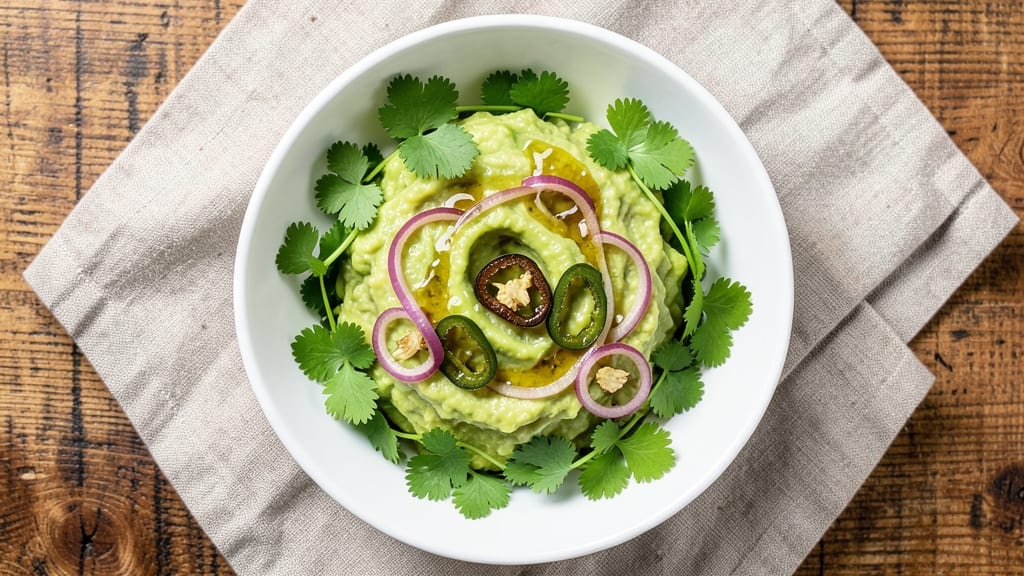
This avocado salsa recipe without tomatillos delivers the perfect balance of zesty lime and fresh cilantro, creating a vibrant, creamy condiment that pairs beautifully with chips, tacos, or grilled fish.
The secret lies in blending ripe avocado with bright citrus and finely chopped aromatics, resulting in a texture that’s smooth yet still bright enough to stand alone. I developed this version after realizing tomatillos weren’t always accessible, and the result is just as bold—if not more refreshing—than traditional recipes.
The beauty of this recipe is its simplicity: just five core ingredients come together in minutes to create a sauce that’s both elegant and effortless. Avocado provides the creamy base, while lime juice and cilantro add the signature zing.
A touch of jalapeño delivers subtle heat, and red onion brings a sharp crunch that keeps every bite interesting. The prep is straightforward—no fancy techniques required—just chopping, mashing, and mixing.
What you’ll end up with is a vegan avocado salsa that’s rich, tangy, and impossibly fresh, with a consistency that’s smooth yet textured enough to hold its shape.
It’s best served immediately, but if you need to prep ahead, it holds up beautifully in the fridge for up to 2 hours without losing its vibrant flavor. This is the kind of condiment that transforms ordinary meals into something special with minimal effort.
Use it as a topping for grilled meats, a dip for veggie sticks, or a bright accompaniment to roasted vegetables. The possibilities are endless, and the flavor is always a crowd-pleaser. Let’s get started!
Ingredients for avocado salsa recipe without tomatillos
Five vibrant ingredients create this ultra-fresh, vegan avocado salsa without tomatillos.
| Ingredient | Amount | Notes |
|---|---|---|
| Ripe Hass Avocados 🥑 | 2 whole | Firm but yielding when pressed |
| Fresh Cilantro Leaves 🌿 | 1 cup | Stems removed, loosely packed |
| Fresh Lime Juice 🍋 | ½ cup | Strained, no pulp preferred |
| Red Onion 🧅 | ¼ cup | Finely diced, white parts removed |
| Fresh Jalapeño Pepper 🌶️ | 1 whole | Seeds removed for mild heat |
| Extra-Virgin Olive Oil 🫒 | 2 tbsp | High-quality, fruity variety |
| Sea Salt 🧂 | ½ tsp | Fine grain preferred |
| Fresh Garlic Clove 🧄 | 1 whole | Minced, for aromatic depth |
Avocados are the foundation—opt for Hass variety when possible, as they hold up better during prep. Trader Joe's and Whole Foods consistently carry ripe avocados, but check for slight give at the stem. The cilantro should be bright green with no wilting; Mexican cilantro (coriander) from Latin markets adds a deeper flavor. For lime juice, organic Mexican limes from specialty stores provide the most vibrant acidity, but standard grocery store limes work in a pinch. The red onion should be crisp, not soft—Vidalia or red globe varieties work best, finely diced to integrate smoothly without overpowering.
No fresh cilantro? Fresh parsley at a 1:1 ratio maintains brightness, though it lacks the signature cilantro flavor. Substituting bottled lime juice is acceptable, but fresh yields superior acidity. For heat control, remove all jalapeño seeds for mildness or leave them in for a noticeable kick. The olive oil acts as an emulsifier—California Extra Virgin brands like Corto or Lucini elevate the dish with their fruity notes. If you prefer a smokier profile, swap in smoked olive oil at half the amount. The garlic clove is optional but recommended for depth—roasted garlic adds a mellow sweetness if you prefer less sharpness.
This salsa reaches peak freshness immediately but holds for up to 2 hours in an airtight container. For longer storage, press plastic wrap directly onto the surface to prevent browning. Portion into small containers if prepping ahead—it’s ideal for meal prep as a topping or dip. Freezing isn’t recommended due to texture changes, but if necessary, use within 1 month for best quality. Serve chilled alongside grilled proteins, roasted vegetables, or as a vibrant dip.
Why You'll Love This Recipe
- No-Fuss Mash-Up: I swear by this recipe because it’s the kind of dish that lets you skip the chopping wars. Just halve those avocados, scoop out the flesh, and toss it with the rest—no food processor, no fancy techniques. The lime juice keeps it bright while you’re busy, and the onion and jalapeño add punch without demanding your full attention.
- Creamy Heat Balance: Between us, this salsa hits just right—the avocado’s velvety richness plays against the sharp lime and the slow, lingering burn of the jalapeño. I’ll be real: my picky-eating partner actually finishes his plate when I serve this. That crisp red onion bite ties it all together like a perfect handshake.
- Party in a Bowl: This is my go-to for game days, tacos, or when I’m too lazy to cook. Slather it on grilled fish, dump it over chips, or let it sit in the fridge as a snack. Honestly, I’ve even used it as a dip for roasted potatoes at potlucks—no one batted an eye. It’s the kind of dish that works everywhere without trying too hard.
- Leftovers That Don’t Suffer: Unlike most salsas, this one actually improves overnight. The avocado doesn’t turn brown (thanks to that lime juice), and the flavors meld into something even deeper. I make a big batch on Sundays, and it’s still my lunch by Wednesday—no sad, wilted textures, just pure, reliable flavor. Budget-friendly? Absolutely. My wallet thanks me.
Step-by-step instructions for avocado salsa without tomatillos
Here’s how to craft a vibrant, creamy avocado salsa that balances rich avocado with bright lime and cilantro.
Prepare the Base Ingredients
Cut the 2 whole ripe Hass avocados in half, remove the pits, and scoop the flesh into a medium bowl. The avocados should yield easily when pressed—if they’re too firm, let them sit at room temperature for 10 minutes. Mash them lightly with a fork, leaving some texture for a chunky salsa. This step ensures the avocado’s natural creaminess forms the foundation without turning mushy.
Add the 0.25 cup finely diced red onion and 1 whole fresh jalapeño pepper (seeds removed for mild heat) to the bowl. The onion should be small enough to distribute evenly, while the jalapeño adds a subtle, fresh kick. Sprinkle over the 0.5 tsp sea salt and the 1 whole fresh garlic clove (minced). Let these ingredients sit for 5 minutes to allow the flavors to meld slightly before mixing.
Combine Wet Ingredients for Balance
Drizzle the 2 tbsp extra-virgin olive oil over the avocado mixture and gently fold it in with a silicone spatula. The oil helps emulsify the salsa, preventing separation and adding a smooth, fruity depth. Next, pour in the 0.5 cup fresh lime juice (strained) and mix thoroughly. The acidity of the lime brightens the avocado’s richness and prevents browning, ensuring your salsa stays vibrant.
Here’s the thing—don’t rush this step. The lime juice should fully integrate, and the texture should be evenly distributed. If the mixture looks too thick, add 1-2 tablespoons of water to loosen it slightly, but avoid over-diluting. The goal is a salsa that’s creamy yet light enough to spoon over tacos or bowls without weighing them down.
Fold in Cilantro and Adjust Seasoning
Add the 1 cup fresh cilantro leaves (stems removed) to the bowl and gently fold them in, reserving a few sprigs for garnish. The cilantro adds a fresh, herbal note that cuts through the avocado’s creaminess. Taste the salsa now—it should be tangy, slightly spicy, and well-balanced. If it needs more brightness, add another 1 teaspoon of lime juice. For extra depth, a pinch more sea salt can enhance the flavors without overpowering.
This is the moment that matters: the salsa should be cohesive, with no pockets of raw onion or jalapeño. If it’s too thick after folding in the cilantro, stir in 1 more tablespoon of lime juice to lighten it. The final texture should be smooth yet slightly rustic, with visible flecks of avocado and herb.
Rest and Serve for Optimal Flavor
Cover the bowl with plastic wrap and refrigerate the salsa for at least 30 minutes before serving. This resting period allows the flavors to fully develop and meld, ensuring each bite is harmonious. The lime juice will continue to brighten the avocado, and the jalapeño’s heat will mellow slightly, creating a more nuanced spice level.
When ready to serve, give the salsa one final stir and garnish with the reserved cilantro sprigs. Serve immediately over grilled fish, on crispy tortilla chips, or alongside seared shrimp for a refreshing contrast. The salsa will keep in the refrigerator for up to 2 days, but its peak freshness is within the first 6 hours—so enjoy it while the avocado is at its creamiest.
Pro Tips For Making Avocado Salsa Recipe Without Tomatillos
- Cut the Onion First: DESCRIPTION: Don’t even think about chopping the avocado until you’ve prepped the red onion. Finely dice it first—soak the pieces in cold water for 5 minutes to mellow the bite, then drain and pat very dry with a clean towel. This prevents a watery salsa and lets the lime juice shine later.
- Lime It Immediately: DESCRIPTION: Squeeze that lime juice right over the avocado as soon as you mash it—don’t let it sit. The acidity keeps the avocado from browning, but only if it’s fresh. If you’re prepping ahead, toss the avocado with a teaspoon of lime juice and cover with plastic wrap pressed directly onto the surface (no air gaps).
- Roast the Jalapeño: DESCRIPTION: Skip the raw jalapeño unless you’re okay with a grassy, slightly bitter kick. Toss whole peppers on a sheet pan with the stems intact, roast at 400°F for 10–12 minutes until charred. Slip them into a bag, shake to release the smoke, then peel, seed, and finely dice. The roasting deepens the flavor and mellows the heat—no more "where’d the spice go?" confusion.
- Cilantro Last: DESCRIPTION: Chop the cilantro right before folding it into the salsa. If you prep it early, the leaves oxidize and turn bitter. Tear the stems into tiny pieces first (they’re more flavorful than the leaves), then chop the leaves finely—this way, the texture stays bright and the flavor stays fresh. Trust me, your taste buds will thank you.
Common mistakes when making perfect results
Over-Mashing Avocado
I’ve made this mistake more times than I’d like to admit—turning the salsa into a smooth, almost guacamole-like paste. The key is to mash the avocado just until it’s lightly textured, leaving some small chunks for that perfect balance of creaminess and bite.
Use a fork to break it up gently, or pulse briefly in a food processor if you prefer a slightly finer texture. Over-mashing releases too much avocado oil, which can make the salsa greasy and lose its vibrant structure. 🥑
Skipping the Resting Time
Rushing to serve the salsa immediately after mixing is a big no-no. The flavors need at least 30 minutes in the fridge to meld properly—this is when the lime brightens the avocado and the jalapeño’s heat mellows into something more complex.
I’ve served it fresh out of the bowl only to have guests say it tastes "off." Patience here makes all the difference, especially if you’re using ripe avocados that are already soft.
Using Unripe Avocados
Nothing ruins a salsa faster than avocados that are too firm. If yours don’t yield slightly when pressed, let them sit at room temperature for 10-15 minutes before prepping. I’ve had to toss batches where the avocado was underripe—it makes the salsa taste bland and grainy.
For best results, choose avocados with a little give at the stem. If you’re unsure, cut one open: the flesh should be dark green with no brown spots, and it should be easy to scoop out with a spoon.
Overloading on Acid
Lime juice is essential for balancing the avocado’s richness, but too much can make the salsa taste harsh or even curdle. Start with the 0.5 cup called for and adjust gradually—adding more than 1 extra tablespoon can turn your vibrant salsa into something sour and unappetizing.
Taste as you go, and remember that the avocado’s natural oils will help mellow the acidity over time. I’ve had to rescue salsas by stirring in a pinch of salt or a drizzle of olive oil to bring them back into balance.
Ignoring the Cilantro’s Role
The cilantro isn’t just a garnish—it’s the fresh, herbal backbone of this salsa. Using wilted or overly strong cilantro can overpower the other flavors or make the salsa taste bitter. Always pick bright, fresh cilantro with no yellowing leaves.
If you’re substituting parsley, use the same amount, but be aware it won’t replicate cilantro’s unique flavor. I’ve learned the hard way that skipping this step or using low-quality cilantro can turn a great salsa into something lackluster. 🌿
Not Adjusting for Humidity
If you live in a humid climate or notice your salsa separating after mixing, it’s likely due to excess moisture from the avocado or lime. To fix this, stir in 1 tablespoon of extra-virgin olive oil to help emulsify the mixture.
Conversely, if your kitchen is very dry, the avocado might release less oil, making the salsa too thick. In that case, add 1 teaspoon of lime juice or water to loosen it up. I’ve had to troubleshoot both issues, and a little oil or acid always saves the day.
Nutrition facts
Frequently asked questions
Can I make this avocado salsa without cilantro?
While cilantro is the star of this recipe, you can substitute it with fresh parsley or even a touch of mint for a different herbal note. Just keep in mind parsley won’t replicate cilantro’s signature flavor—it’ll add brightness but won’t be as bold. If you’re avoiding cilantro entirely, the lime and jalapeño will still keep the salsa vibrant and zesty!
How do I adjust the spice level if I want it milder?
To tone down the heat, simply remove all the seeds and membranes from the jalapeño before chopping. If you prefer even milder, skip it entirely and use a mild bell pepper instead. The natural acidity from the lime will still balance the avocado’s richness without any spice kick!
Why does my salsa look watery after mixing?
A watery texture usually happens when the avocados release too much liquid or you added extra lime juice. To fix it, stir in 1 tablespoon of extra-virgin olive oil to help emulsify, or let it sit for 10 minutes—the avocado will absorb some of the moisture. If it’s still too thin, add a pinch of salt to help draw out excess liquid!
Can I use bottled lime juice instead of fresh?
Yes, but fresh lime juice delivers brighter, more complex acidity. If you must use bottled, opt for a high-quality, strained variety like Tropicana Pure Premium. Just taste it first—bottled juice can sometimes taste artificial. For the best results, always use fresh when possible!
What’s the best way to store this salsa for meal prep?
Transfer the salsa to an airtight container and press plastic wrap directly onto the surface to prevent browning. It keeps well in the fridge for up to 2 days, but for longer storage (up to 1 week), freeze in portions. Thaw overnight in the fridge for the best texture—just give it a quick stir before serving!