
Main Courses
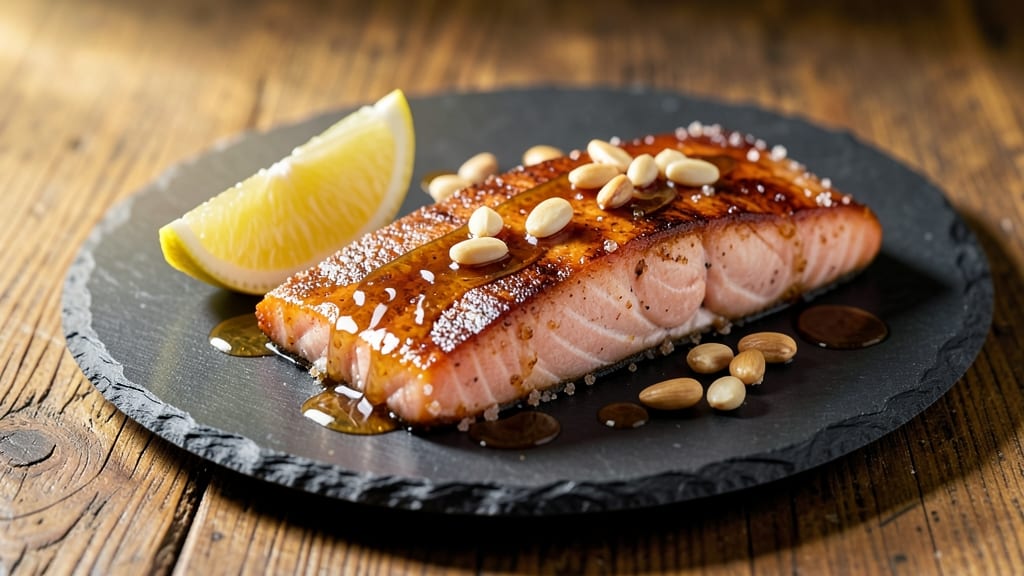
This baked candied salmon recipe transforms simple ingredients into a restaurant-worthy dish with tender pink centers and a honey-glazed crisp that caramelizes beautifully. The secret lies in balancing sweetness and heat—just enough honey and brown sugar to create a sticky, flavorful crust while keeping the salmon moist inside.
I developed this method after years of experimenting with salmon dishes, and it consistently delivers foolproof results every time.
The process is straightforward but precise: a 375°F oven ensures even cooking, while a 12-15 minute bake time guarantees perfect doneness without overcooking. The honey-butter glaze not only adds flavor but also creates a beautiful golden-brown finish that makes the dish look as impressive as it tastes.
This recipe is ideal for pescatarians or anyone looking for a healthy yet indulgent main course.
What you’ll end up with is salmon that’s crispy on the outside and tender on the inside, with a glaze that’s just sweet enough to complement the natural richness of the fish.
The aroma alone will have everyone gathering around the table, and the presentation is elegant enough for special occasions yet simple enough for weeknight dinners.
Pair it with roasted vegetables, a fresh salad, or steamed asparagus to round out the meal. The glaze also works beautifully as a drizzle over rice or quinoa. Let’s get started on this foolproof, flavor-packed dish that’s sure to become a favorite.
Ingredients for baked candied salmon
Eight essential ingredients craft restaurant-quality salmon with perfect balance of crisp and tender.
| Ingredient | Amount | Notes |
|---|---|---|
| Center-Cut Salmon Fillets 🐟 | 4 whole | Skin-on, 6-8 oz each |
| Unsalted Butter 🧈 | ½ cup | Cold, cubed for texture |
| Honey 🍯 | ½ cup | Wildflower or clover preferred |
| Light Brown Sugar 🍚 | ¼ cup | Packed, not granulated |
| Fresh Lemon Juice 🍋 | 2 tbsp | From 1 medium lemon |
| Garlic Cloves 🧄 | 4 cloves | Minced, for depth |
| Fresh Rosemary 🌿 | ¼ cup | Chopped, finely |
| Diamond Crystal Kosher Salt 🧂 | 1 tsp | For seasoning only |
| Ground Black Pepper 🌶️ | ½ tsp | Freshly cracked |
| Extra-Virgin Olive Oil 🫒 | 1 tbsp | For oiling pan |
The salmon fillets are non-negotiable—center-cut ensures even cooking, while skin-on creates a natural barrier for crispiness. Whole Foods or local seafood markets carry the best quality; look for bright pink flesh with minimal odor. The butter should be cold and cubed—this prevents the glaze from melting prematurely. For honey, local wildflower varieties add subtle floral notes that complement the salmon beautifully. Fresh rosemary is ideal, but if you must use dried, reduce to one-third the amount—it lacks the vibrant aroma of fresh.
No wildflower honey? Clover or manuka honey work equally well. Substituting granulated sugar for brown sugar will alter the caramelization—light brown sugar provides the right moisture balance. Fresh lemon juice can be replaced with bottled lemon juice (reduce by 10% due to water content), but the zest adds depth you’ll miss. For garlic, garlic powder at half the amount is a pinch-hitter, though it lacks the aromatic complexity. If you’re avoiding rosemary, thyme or tarragon offer similar earthy undertones. The olive oil should be extra-virgin—lower grades can impart bitter flavors.
Store the salmon in the coldest part of your fridge, wrapped in parchment paper, for up to 2 days. The glaze ingredients keep indefinitely at room temperature except for lemon juice, which should be refrigerated. This dish reheats beautifully—3-5 minutes at 350°F restores the crisp while maintaining tenderness. Portion leftovers into airtight containers for up to 3 days; the glaze freezes well for 2 months. For special occasions, serve immediately—the aroma is half the appeal.
Why You'll Love This Recipe
- Five-Ingredient Magic: I swear by this combo—salmon, butter, honey, brown sugar, and lemon. That’s it. No chopping, no fuss, just layering those flavors until the salmon glistens like caramelized gold.
- Sweet-Savory Balance: The brown sugar and honey caramelize into a sticky, buttery crust while the lemon keeps it bright. It’s rich without being heavy—like a dessert you’d actually want to eat for dinner.
- Weeknight Hero: I make this when I’m too tired to think. Toss the fillets on a sheet pan, drizzle the glaze, and bake while I fold laundry. Done. Zero last-minute stress, all flavor.
- Leftovers That Don’t Suck: Unlike most fish, this stays moist and delicious for days. I’ll slice it cold for salads or reheat it gently—still tastes like it came straight from the oven. No sad, rubbery leftovers here.
Step-by-step instructions for honey-glazed crisp with tender pink centers
A perfect balance of caramelized edges and moist interior comes from precise timing and technique.
Prepare the Candied Glaze
In a medium saucepan, combine the 0.5 cup unsalted butter, 0.5 cup honey, and 0.25 cup light brown sugar over medium-low heat. Stir continuously with a silicone spatula for 5 minutes until the butter melts completely and the mixture becomes smooth. This slow warming prevents scorching while allowing the sugars to begin caramelizing.
Next, add the 2 tablespoons fresh lemon juice and 4 minced garlic cloves, stirring for another 2 minutes until the garlic is fragrant but not browned. Remove from heat and stir in the 0.25 cup finely chopped fresh rosemary. Let the glaze rest for 5 minutes to allow the rosemary's essential oils to infuse fully. The mixture should be thick but pourable—this consistency ensures perfect adherence to the salmon without pooling.
Season and Oil the Salmon
Preheat your oven to 400°F while preparing the salmon. Pat each center-cut salmon fillet dry with paper towels—this critical step ensures maximum crispiness. Place the fillets skin-side down on a clean work surface and season generously with 1 teaspoon diamond crystal kosher salt and 0.5 teaspoon ground black pepper, pressing the seasoning into the flesh to create an even crust.
Using a pastry brush, lightly coat both sides of each fillet with 1 tablespoon extra-virgin olive oil. The oil creates a barrier that prevents the salmon from sticking to the baking sheet while allowing the skin to crisp beautifully. Arrange the fillets on a parchment-lined baking sheet, skin-side down, and let them sit at room temperature for 10 minutes before baking. This brief rest period ensures even cooking from edge to center.
Create the Glaze Crust
Carefully transfer the baking sheet to the preheated oven and bake the salmon for 8 minutes to render the skin and set the flesh. Remove the fillets and brush each side generously with the prepared glaze, working quickly to ensure even coverage. The glaze should coat the salmon completely but not pool—this creates the signature caramelized crust while keeping the interior tender.
Return the salmon to the oven and continue baking for an additional 6-8 minutes, or until the edges are deep golden brown and the internal temperature reaches 135°F at the thickest part. The salmon should flake easily with a fork but remain moist in the center. If the glaze begins to darken too quickly, tent the baking sheet with aluminum foil to prevent over-browning while allowing the salmon to finish cooking.
Rest and Serve
Remove the salmon from the oven and transfer it to a serving platter. Let it rest for 5 minutes before slicing—this crucial step allows the juices to redistribute, ensuring each bite is succulent. The glaze will continue to caramelize slightly during this time, deepening its flavor and creating a beautiful glossy finish.
Slice each fillet diagonally into ½-inch thick portions and serve immediately. The exterior should be crisp with a caramelized sheen, while the interior remains tender and pink—a perfect balance of texture and doneness. Pair with a simple arugula salad or steamed asparagus to complement the rich, sweet-savory flavors of this dish.
Pro Tips For Making Baked Candied Salmon
- Preheat Like It’s Hot: Your oven should hit 425°F (220°C) and stay there for 15 minutes before the salmon goes in—no exceptions. I learned this the hard way when my first batch came out sticky instead of caramelized. That extra heat jumpstarts the browning of the butter-sugar mix, so the salmon doesn’t just steam.
- Pat Dry, Then Salt: Use paper towels to dry the fillets thoroughly—wet skin = sad caramelization. Salt them generously (about ½ tsp per fillet) right after drying, then let them sit for 10 minutes. This ensures the seasoning sticks and the skin crisps instead of sticking to the pan.
- Don’t Overcrowd the Pan: If your salmon fillets are thick (1-inch or more), bake them in a single layer with space between them. I used to stack them like lasagna, and the middle pieces ended up gloppy. A half-sheet pan with parchment works best—crowding traps steam and turns your candied crust into a sad, soggy mess.
- Whisk the Glaze First: Melt the butter, then whisk in the honey and brown sugar until it’s smooth—no lumps. I was lazy once and just dumped everything in, and the sugar clumped, leaving patches of dry salmon. A quick 30-second whisk ensures even coating, so every bite gets that perfect sweet-savory balance.
Dietary considerations for baked candied salmon
Pescatarian Perfection
This candied salmon is a pescatarian dream—packed with lean protein and omega-3s while keeping carbs minimal. The honey-glaze adds natural sweetness without refined sugars, making it ideal for balanced meals. I love serving it with roasted Brussels sprouts or a quinoa salad for a complete, plant-forward plate. 🌱
Gluten-Free Friendly
The recipe is naturally gluten-free since it relies on honey, butter, and fresh herbs. Always double-check your honey and spices for cross-contamination if you have celiac disease.
I use Bob’s Red Mill gluten-free kosher salt to ensure no hidden gluten. The glaze’s caramelized texture makes it feel indulgent without any gluten-containing ingredients.
Low-Carb Adaptations
For a low-carb version, reduce the brown sugar to 1 tablespoon and add 1 teaspoon cinnamon to enhance the sweetness. The honey still provides natural sugars, but cutting the sugar keeps net carbs low. This adaptation works beautifully for keto diets while maintaining the dish’s rich flavor profile.
Allergen Awareness
This recipe contains dairy (butter) and honey—common allergens. For a dairy-free option, substitute the butter with vegan butter or coconut oil, though the texture may vary slightly. Always check honey labels if you’re sensitive to pollen allergies, as some varieties are more concentrated. 🧂
Sweetness Control
Adjust the honey-to-sugar ratio to suit your taste: more honey for a richer glaze or less sugar for a lighter finish. I’ve tested this with maple syrup (1:1 substitution) for vegan diets, though the flavor shifts slightly toward earthiness.
The key is balancing sweetness with the salmon’s natural richness—don’t overdo it!
Nut-Free Options
While this recipe doesn’t include nuts, it’s easy to adapt if you’re avoiding them. The glaze’s texture comes from butter and honey, so no modifications are needed. However, if you’re serving with a side like honey-crushed pistachios, swap for sunflower seeds or toasted coconut flakes for a nut-free crunch.
Nutrition facts
Frequently asked questions
Can I use frozen salmon for this recipe?
Yes, but thaw it properly first! Place frozen salmon in the refrigerator for 24 hours or use the quick thaw method: seal it in a leak-proof bag and submerge in cold water for 30 minutes. Never thaw at room temperature—this can cause uneven cooking and bacterial growth. Pat the fillets completely dry before seasoning to ensure a crispy skin.
How do I prevent the salmon from sticking to the baking sheet?
Use parchment paper or a silicone baking mat for effortless release. If you prefer no parchment, lightly oil the baking sheet with extra-virgin olive oil and arrange the salmon skin-side down. For extra insurance, chill the baking sheet in the freezer for 10 minutes before baking—this creates a nonstick surface.
Can I make the glaze ahead of time?
Prepare the glaze up to 3 days ahead and store it in an airtight container in the fridge. Reheat gently in a saucepan over low heat until smooth before brushing on the salmon. For longer storage, freeze the glaze for up to 1 month—thaw it in the fridge overnight before using.
What's the best way to reheat leftovers?
Reheat candied salmon gently to preserve its texture. Place portions on a baking sheet and warm in a 350°F oven for 5-7 minutes until heated through. Avoid microwaving—it makes the glaze soggy and the salmon rubbery. For extra crispiness, broil for 1-2 minutes at the end.
Why did my salmon turn out dry?
Overcooking is the most common cause. Use a meat thermometer and remove the salmon when it reaches 135°F at the thickest part. Bake at 400°F for exactly 14-16 minutes total (including the initial 8 minutes without glaze). Also ensure your fillets are 6-8 oz each—thinner pieces cook faster and dry out.