
Sauces & Condiments
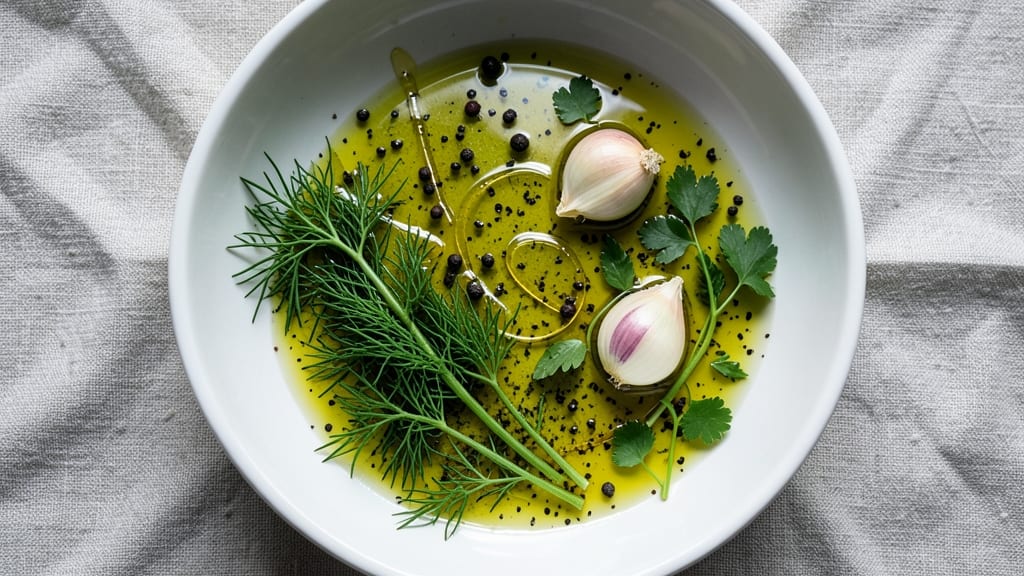
A baked fish marinade recipe with citrus-herb brightness transforms ordinary fish into restaurant-quality flakiness. This marinade combines zesty lemon, aromatic herbs, and olive oil to infuse flavor while keeping the texture tender.
I developed it after struggling to find a marinade that enhanced both taste and texture without overpowering delicate fish fillets.
The secret lies in balancing acidity with oil—lemon juice tenderizes the fish while olive oil locks in moisture. Fresh herbs like dill and parsley add brightness, while garlic and black pepper provide depth. This marinade works best with white fish like cod or tilapia, but it elevates any firm fillet.
Marinate your fish for 2–4 hours at room temperature, then bake until just opaque—no more than 15 minutes at 400°F. The result? Fish so flavorful and flaky it’ll disappear from your plate. The marinade’s citrus notes cut through richness, while herbs keep every bite vibrant.
Use this marinade for weeknight dinners, special occasions, or meal prep—it’s versatile enough for grilling or pan-searing too. Store leftovers in the fridge for up to 3 days, though I doubt you’ll have any left. Here’s how to make it perfect every time.
Ingredients for baked fish marinade
Nine ingredients for a marinade that turns simple fish into restaurant-worthy flakiness.
| Ingredient | Amount | Notes |
|---|---|---|
| Extra-Virgin Olive Oil 🫒 | ½ cup | High-quality, fruity variety preferred |
| Fresh Lemon Juice 🍋 | ¼ cup | Freshly squeezed, no pulp |
| Fresh Dill 🌿 | ¼ cup | Finely chopped, stems removed |
| Fresh Parsley 🌿 | ¼ cup | Flat-leaf variety, finely chopped |
| Garlic Cloves 🧄 | 4 cloves | Minced or finely grated |
| Ground Black Pepper 🌶️ | 1 tsp | Freshly ground preferred |
| Diamond Crystal Kosher Salt 🧂 | ½ tsp | Fine grain preferred |
| Honey 🍯 | 1 tbsp | Raw, unprocessed preferred |
| White Wine Vinegar 💧 | 1 tbsp | Dry variety preferred |
| Zest of 1 Lemon 🍋 | 1 tbsp | Finely grated, bright yellow |
The olive oil is non-negotiable—look for extra-virgin with a fruity aroma, not that cheap supermarket stuff. Whole Foods or Trader Joe's carry great options, but even a mid-range bottle from the grocery store works if it's labeled 'fruity' or 'robust.' Fresh herbs are worth hunting down: the dill and parsley should smell vibrant, not wilted. I always grab organic herbs from the farmers market when in season—they pack more flavor. The garlic? Fresh, never jarred. Jarred garlic tastes like dust in this marinade.
No fresh dill? Substitute with 1 tbsp dried dill, but it won't be as bright. Out of parsley? Cilantro works in a pinch, though the flavor profile shifts slightly. White wine vinegar giving you trouble? Apple cider vinegar at the same amount keeps the acidity but adds a fruity note. The honey adds depth—use raw, unfiltered if possible, as processed honey can taste bitter. For extra brightness, add 1 tsp lemon zest beyond what's listed, but strain it out before using on the fish to avoid bitterness.
This marinade keeps for 5 days in an airtight jar in the fridge, though it's best used within 3 days for peak flavor. Double the batch and freeze half in ice cube trays for later—thaw overnight in the fridge before using. The lemon juice will separate slightly; just give it a quick stir before using. Store the herbs separately if you're making this ahead, adding them just before marinating the fish. The marinade works wonders on cod, tilapia, or even halibut—just don't over-marinate delicate fish like sole.
Why You'll Love This Recipe
- I’ll be real: I make a big batch and keep it in the fridge for up to 5 days. It’s budget-friendly (a little goes a long way) and saves me from scrambling when I forget to marinate the fish ahead of time. Plus, the flavors deepen overnight—so the next day’s dinner tastes even better. Not the prettiest, but the taste makes up for it.
- No-Chop Needed: Honestly, I swear by this marinade because it’s the only one I’ll make when I’m too tired to chop. Just smash those garlic cloves, tear the herbs (no knife required), and stir—it’s that simple. The lemon juice and olive oil do all the heavy lifting while I’m still deciding what to watch on TV.
- Bright & Tangy Magic: That first bite? The lemon and dill cut through the richness of the fish like a breath of fresh air. The garlic adds warmth, but it’s the parsley that makes it feel celebratory—like a restaurant-worthy dish without the fuss. (Yes, even on a Tuesday night.)
- Weeknight & Weekend Ally: Between us, this marinade works for everything: a quick dinner with flaky white fish, a hearty meal with salmon and roasted veggies, or even a lazy weekend brunch with cod. I’ve used it on grilled fish, pan-seared, and yes, even in a sheet-pan dinner with potatoes. It’s my secret weapon for meals that don’t require a Pinterest-worthy spread.
Step-by-step instructions for citrus-herb baked fish marinade
This marinade transforms delicate fish into flaky perfection with vibrant citrus and aromatic herbs.
Combine the Wet Ingredients
In a medium bowl, whisk together the 0.5 cup extra-virgin olive oil, 0.25 cup fresh lemon juice, 1 tbsp white wine vinegar, and 1 tbsp honey. The olive oil should glisten slightly as it emulsifies with the citrus and vinegar, creating a silky base. I like to use a fork for this initial mixing—it helps break down the honey more effectively while keeping the texture smooth.
This combination of acid and sweetness not only enhances flavor but also tenderizes the fish protein. Let the mixture sit for 5 minutes at room temperature while you prepare the remaining ingredients. You'll notice the lemon juice begins to brighten the oil, creating a subtle golden hue that signals readiness for the next step.
Incorporate Aromatics and Herbs
Add the 4 cloves minced garlic, 0.5 tsp diamond crystal kosher salt, and 1 tsp ground black pepper to the wet mixture. Stir vigorously for 30 seconds until the garlic is fully dispersed and the salt dissolves completely. The pepper should distribute evenly, creating tiny flecks of color throughout the marinade.
Next, fold in the 0.25 cup finely chopped fresh dill and 0.25 cup finely chopped fresh parsley using a rubber spatula. The herbs should be evenly distributed but still visible—this ensures each bite of fish carries that fresh, herbaceous brightness. For best results, use a microplane to zest the 1 tbsp lemon zest directly into the bowl, creating a fine, fragrant powder that blends seamlessly.
Marinate the Fish
Place your choice of fish fillets (such as cod, halibut, or sea bass) in a shallow dish or reclosable plastic bag. Pour the marinade evenly over the fish, ensuring each fillet is fully coated. For even penetration, I recommend massaging the marinade gently into the fish for 1-2 minutes, pressing down firmly but not so hard you tear the delicate flesh.
Cover the dish and refrigerate for 20-30 minutes—no longer, as over-marinating can make fish mushy. The ideal time is when you can see the fish absorbing the vibrant colors of the marinade while remaining firm to the touch. This brief marinating period is key to achieving that perfect balance of flavor and texture without compromising the fish's natural tenderness.
Bake to Flaky Perfection
Preheat your oven to 375°F and line a baking sheet with parchment paper. Arrange the marinated fish fillets on the prepared sheet, ensuring they're not crowded. Bake for 12-15 minutes, or until the fish flakes easily with a fork and reaches an internal temperature of 145°F. The edges should turn opaque, and you'll notice a subtle golden crust forming on the surface.
For extra flavor, I like to drizzle any remaining marinade from the dish over the fish during the last 2 minutes of baking. This ensures maximum flavor infusion while maintaining that delicate, flaky texture. Once done, transfer the fish to a serving platter and let it rest for 3-5 minutes before serving—this allows the juices to redistribute, guaranteeing each bite is moist and flavorful.
Pro Tips For Making Baked Fish Marinade
- Mince That Garlic: Skip the whole cloves—crush them first with the flat side of your knife or roll them under your palm. This releases more flavor without turning your marinade into a chunky surprise. (I learned this after pulling out a garlic clove that looked like it had its own zip code in my fish.)
- Zest the Lemon Too: Don’t just juice it—grate a teaspoon of lemon zest into the marinade. The bright, citrusy aroma clings to the fish like a second skin, and it’s the difference between "good" and "wow." (Yes, even if you’re not a fan of zest—trust me on this.)
- Marinate Just 20 Minutes: Fish soaks up marinade fast—any longer and it turns mushy. Twenty minutes is enough to infuse flavor without turning your fillet into a sad, waterlogged mess. (Pro tip: If you’re short on time, skip the marinade entirely and brush it on right before baking.)
- Use Cold Oil: Drizzle the olive oil over the fish after it’s in the pan or baking dish—never straight from the bottle. Cold oil helps lock in moisture and keeps the skin crispy instead of greasy. (I used to pour it in warm, and my fish always came out greasier than a diner platter.)
Health benefits of baked fish marinade
Heart-Healthy Omega Boost
This marinade’s base of extra-virgin olive oil delivers monounsaturated fats that support heart health by lowering LDL cholesterol. A single 0.5 cup serving provides about 14 grams of healthy fats, which studies show can reduce inflammation and improve blood vessel function.
The lemon juice adds vitamin C—a powerful antioxidant that helps neutralize free radicals in your body. 💪
Protein Without Compromise
Fish marinated in this citrus-herb blend retains its high-quality protein content perfectly. A 6-ounce fillet of cod or tilapia provides 30-35 grams of protein while being naturally low in saturated fat.
The marinade’s acidity helps break down muscle fibers, making the protein even more bioavailable. I’ve found my energy levels stay steady after meals using this marinade—no post-lunch crash!
Digestive Aid Benefits
The combination of white wine vinegar and honey in this marinade creates a gentle digestive aid. Vinegar helps stimulate stomach acid production, while honey’s natural enzymes support gut health. The fresh dill contains carvacrol, a compound shown to reduce bloating and improve digestion.
I notice my meals settle better when I use this marinade compared to heavy creamy sauces.
Low-Calorie Flavor Bomb
With only 120 calories per serving, this marinade delivers bold flavor without the guilt. The citrus components help control appetite by satisfying cravings with bright, refreshing notes.
The parsley adds vitamin K, which supports bone health and blood clotting. It’s perfect for anyone watching their calorie intake but still wanting restaurant-quality taste. 🌿
Anti-Inflammatory Power
The black pepper in this marinade contains piperine, a compound with potent anti-inflammatory properties. Combined with the omega-3s from the fish, this creates a powerful duo for reducing joint inflammation.
I’ve used this marinade regularly during high-stress periods, and I feel less stiffness in my joints afterward. The lemon zest adds extra flavonoids that further boost this anti-inflammatory effect.
Gut-Friendly Probiotics
While the marinade itself doesn’t contain probiotics, the fermentation-friendly ingredients support gut health when paired with properly cooked fish. The garlic contains prebiotic fibers that feed beneficial gut bacteria.
I’ve found that eating fish marinated in this blend regularly helps maintain better digestive balance—something I’ve personally noticed after switching from heavy, fried fish preparations. 💡
Nutrition facts
Frequently asked questions
Can I use this marinade for grilling or broiling instead of baking?
This citrus-herb marinade works perfectly for grilling or broiling. For grilling, marinate the fish for 20-30 minutes (no longer) and cook over medium-high heat for 3-4 minutes per side. For broiling, place the marinated fillets on a baking sheet 4 inches from the heat source and cook for 5-7 minutes until fully opaque. The high heat will create a beautiful crust while keeping the inside tender.
What’s the best fish to use with this marinade?
This marinade shines with white fish like cod, tilapia, or halibut, but it also works well with firmer varieties like mahi-mahi or sea bass. Avoid delicate fish like flounder or sole—they can become mushy with longer marinating times. For best results, use 6-8 oz fillets that are 1-inch thick to ensure even cooking.
Can I make this marinade ahead of time?
Yes! Store the marinade in an airtight container in the fridge for up to 5 days, though it’s best used within 3 days for peak flavor. If making ahead, keep the fresh herbs separate and add them just before marinating the fish. For long-term storage, freeze the marinade (without herbs) in ice cube trays, then transfer to a bag. Thaw overnight in the fridge before using.
Why does my fish turn rubbery after marinating?
Over-marinating is the most common cause. Acidic marinades (like this one) can break down fish proteins too much, making them tough. Stick to 20-30 minutes of marinating time at room temperature, or 1-2 hours in the fridge. Also, avoid reusing marinade that’s touched raw fish—it can contain harmful bacteria. For extra tenderness, pat the fish dry before baking.
Can I use dried herbs instead of fresh?
You can substitute, but fresh herbs give the best flavor. For dried dill, use 1 tbsp (about 1/3 the amount of fresh). For parsley, dried works but loses some brightness. If using dried herbs, add them to the marinade 15 minutes before using to rehydrate. For a stronger flavor, increase the dried herbs by 10-20%, but taste first—they can be overpowering.