
Main Courses
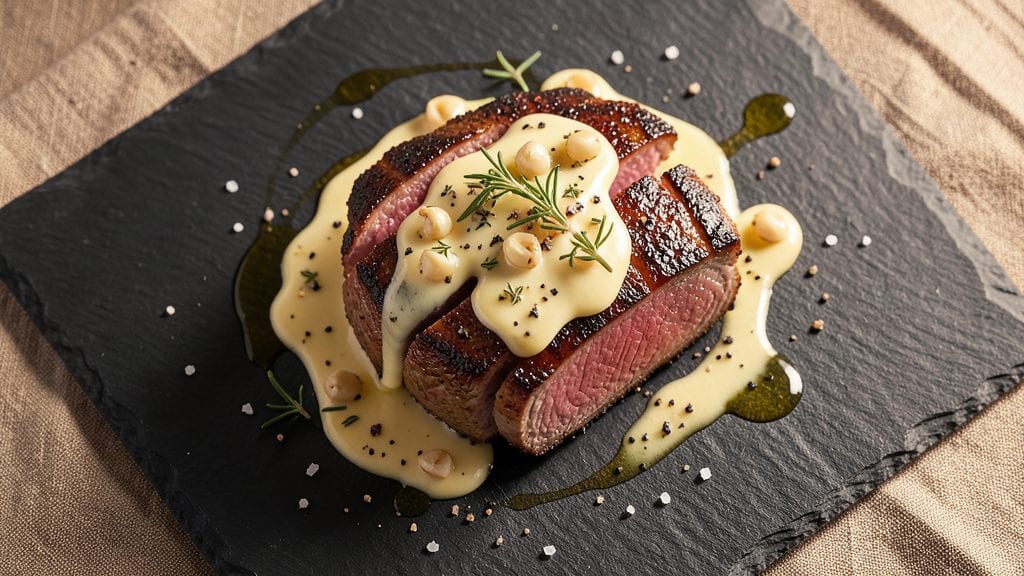
Mastering a baked whole filet mignon recipe with a blistered crust and perfect pink center transforms a simple steak into a showstopping centerpiece. The key lies in precise temperature control and a method that ensures even cooking without overcooking the interior.
After years of perfecting this technique, I’ve developed a foolproof approach that delivers restaurant-quality results at home.
This recipe relies on a high-heat sear followed by a controlled bake, ensuring the exterior develops a rich, caramelized crust while the interior remains tender and juicy. With just a few essential ingredients and careful attention to internal temperature, you’ll achieve a steak that’s impossibly tender with a flavorful crust.
The process is straightforward, but the technique is what makes all the difference.
By the time you serve this steak, you’ll have a dish that’s visually stunning and packed with flavor—ideal for special occasions or when you want to impress. The crust will be blistered and aromatic, while the center remains perfectly pink, offering a luxurious bite every time.
Pair it with classic sides like roasted potatoes or a bold red wine reduction for a complete dining experience.
Whether you're cooking for a date night or hosting dinner guests, this method ensures consistent results with minimal fuss. The secret to success lies in patience and precision, but the reward is a steak that tastes like it belongs on a high-end restaurant menu.
Let’s get started on creating your perfect filet mignon.
Ingredients for baked whole filet mignon
Precision-crafted ingredients for a restaurant-worthy filet mignon with perfect pink center and blistered crust.
| Ingredient | Amount | Notes |
|---|---|---|
| Whole Filet Mignon 🥩 | 2 lb | Center-cut, 1.5-2 inches thick |
| Unsalted Butter 🧈 | ½ cup | Cold, cut into 8 equal pieces |
| Diamond Crystal Kosher Salt 🧂 | 1 ½ tsp | Coarse grain for crust formation |
| Freshly Ground Black Pepper 🌶️ | 1 tsp | Cracked, not pre-ground |
| Extra-Virgin Olive Oil 🫒 | 2 tbsp | High smoke point for searing |
| Garlic Cloves 🧄 | 4 cloves | Smashed, for butter compound |
| Fresh Thyme Sprigs 🌿 | 4 whole | Leaves only, for aroma |
| Fresh Rosemary Sprigs 🌿 | 2 whole | Needles only, for depth |
| Red Wine 🍷 | ¼ cup | Dry, like Cabernet Sauvignon |
| Heavy Cream 🥛 | ¼ cup | Full-fat for sauce richness |
| Beef Tallow 🧈 | 1 tbsp | For high-heat searing |
The filet mignon is non-negotiable—center-cut, 1.5-2 inches thick from a premium cut like USDA Prime or Wagyu. Purchase from a butcher specializing in dry-aged beef (like D'Artagnan or your local high-end grocer) for optimal tenderness. The butter compound (butter, garlic, thyme, rosemary) is critical for moisture retention during baking. Costco or Whole Foods carry high-quality unsalted butter in bulk, but Plugrá is ideal for its rich flavor. For the tallow, Epic or Amazon Fresh offer pure beef tallow in small quantities—essential for achieving that professional sear.
No red wine? Dry sherry or beef stock works in a pinch, though wine adds depth. Pre-ground pepper loses potency—always crack fresh from a pepper grinder (like Baratza). Substituting olive oil for tallow? Use avocado oil instead—it has a higher smoke point. The herbs must be fresh; dried versions lack the aromatic complexity. For the cream, full-fat is mandatory—reduced-fat versions won't create the same luxurious sauce. If you're short on time, pre-smashed garlic cloves (stored in the freezer) work fine, but fresh is superior. Diamond Crystal kosher salt is preferred over table salt for even distribution and better crust formation.
Store the filet mignon in the coldest part of your fridge, uncovered, for 24-48 hours before cooking to enhance crust development. The butter compound can be prepped 1 day ahead and refrigerated in a sealed container. Fresh herbs last 5-7 days when wrapped in damp paper towels and stored in a sealed bag. The red wine and cream should be used within 3 days of opening for optimal flavor. Beef tallow keeps indefinitely in the pantry, but once opened, store it in the fridge for up to 6 months. For a make-ahead option, sear the steak and refrigerate before baking—just adjust the bake time by 10-15 minutes.
Why You'll Love This Recipe
- I’ll admit it: I’ve burned steaks before. But this whole filet? It’s so forgiving. Just sear it in the pan, slather that unsalted butter all over, and pop it in the oven. The olive oil keeps it from sticking, so no frantic scraping. Honestly, the hardest part is waiting for it to cook.
- No Panic Needed: I’ll admit it: I’ve burned steaks before. But this whole filet? It’s so forgiving. Just sear it in the pan, slather that unsalted butter all over, and pop it in the oven. The olive oil keeps it from sticking, so no frantic scraping. Honestly, the hardest part is waiting for it to cook.
- Buttery Perfection: That final sear with butter? Chef’s kiss. The salt and pepper aren’t overpowering—they just let the meat shine. The outside gets this golden crust while the inside stays tender. My date night order? Done. (Yes, even on a Tuesday night.)
- One Dish, Many Wins: Leftovers? A yes. Slice it thin for sandwiches, or reheat with a quick pan sauce. Need to feed the whole family? It’s my secret weapon for holidays or when guests drop by unannounced. The filet’s lean but rich enough to stretch for multiple meals.
Step-by-step instructions for baked whole filet mignon
Here's the method for achieving a perfectly blistered crust while locking in that luxurious pink center.
Prepare the Butter Compound and Season the Filet
In a small bowl, combine the 0.5 cup unsalted butter, 4 smashed garlic cloves, leaves from 4 fresh thyme sprigs, and needles from 2 fresh rosemary sprigs. Roll this mixture between two sheets of plastic wrap to form an even log, about 1-inch thick. Chill in the refrigerator for 30 minutes to firm up.
While the butter compound chills, position the 2 lb whole filet mignon on a cutting board with the fat cap facing up. Using a sharp boning knife, score the fat in a crosshatch pattern at ¼-inch intervals, being careful not to cut into the meat itself. This creates channels for the rendered fat to escape during cooking, promoting better crust formation.
Generously season both sides of the filet with 1.5 tsp diamond crystal kosher salt and 1 tsp freshly ground black pepper, pressing the seasoning into the meat to ensure even distribution. Let the seasoned filet rest at room temperature for 45 minutes while you prepare your baking vessel.
Create the High-Heat Sear and Bake Setup
Preheat your oven to 425°F with a baking sheet placed on the middle rack. This ensures the oven is fully acclimated to temperature before the filet goes in. In a small saucepan, gently melt the 1 tbsp beef tallow over low heat—you want it just liquid enough to coat the back of a spoon, but not smoking.
Heat a heavy oven-safe skillet (cast iron works best) over high heat until it's screaming hot. Add 2 tbsp extra-virgin olive oil and swirl to coat evenly. Using tongs, carefully place the filet in the skillet fat-side down. Let it sear undisturbed for 2 minutes until a deep golden crust forms. Flip the filet and sear the other side for another 2 minutes. Remove from heat and carefully transfer the skillet to the preheated oven.
Here's the thing—this initial sear is critical. The high heat creates a flavorful crust while the oven's residual heat will gently finish the cooking process. If you notice the butter compound starting to melt too quickly, simply place the skillet on the oven rack to prevent over-browning.
Bake with Butter Bastes and Develop the Sauce
Place the chilled butter compound on top of the filet, then immediately transfer the skillet to the 425°F oven. Bake for 12-15 minutes, basting the filet with the rendered butter every 3-4 minutes using a baster or spoon. This basting technique ensures continuous moisture and flavor infusion while building that signature blistered crust.
After 10 minutes, check the internal temperature using a meat thermometer inserted into the thickest part of the filet. You're aiming for 125°F for medium-rare—this accounts for carryover cooking. If the temperature hasn't reached 120°F after 15 minutes, continue baking in 2-minute increments until you reach your desired doneness.
When the filet reaches temperature, remove it from the oven and tent loosely with aluminum foil. Let it rest for 10 minutes while you prepare the sauce. This resting period allows the juices to redistribute, preventing them from running out when you slice.
Finish with Red Wine Reduction and Heavy Cream
Carefully pour the 0.25 cup red wine into the hot skillet, immediately scraping up all the browned bits from the bottom with a wooden spoon. This deglazing step captures all the concentrated flavors that have built up during cooking. Let the wine reduce by half over medium-high heat, which should take about 3-4 minutes. You'll notice the aroma becomes more intense as the alcohol burns off.
Reduce the heat to medium-low and stir in the 0.25 cup heavy cream, allowing it to simmer gently for 2-3 minutes until slightly thickened. The sauce should coat the back of a spoon but remain silky rather than heavy. Season with additional diamond crystal kosher salt and freshly ground black pepper to taste, if needed.
Slice the filet against the grain into ½-inch thick portions and arrange on warm plates. Ladle the red wine reduction generously over each portion, allowing the sauce to cascade down the sides. The contrast between the blistered crust, pink center, and rich sauce creates an unforgettable dining experience.
Pro Tips For Making Baked Whole Filet Mignon
- Preheat Like a Pro: Your oven needs to hit 425°F (220°C) and sit for 20 minutes—no exceptions. I used to skip this, and my butter would melt into a sad, greasy puddle instead of forming that golden, crackling crust. A hot oven is the only way to get that sear-like texture without a pan.
- Salt the Butter First: Mix 1 tablespoon kosher salt into your unsalted butter before spreading it on the filet—this ensures even seasoning and cuts down on extra sprinkling. I learned this the hard way when my butter slid off like butter on a hot pancake, leaving half the steak bland.
- Don’t Overcrowd the Pan: Use a stainless steel or cast-iron skillet (even if baking) and keep the filet alone for the first 5 minutes of high heat. Crowding steams the meat instead of browning it. Yes, it’s messy, but that crust is worth the cleanup.
- Test with a Thermometer: Pull the filet at 120–125°F (49–52°C) for medium-rare—not by touch, not by guesswork. I’ve sliced into a filet that was still cold inside because I trusted my finger, and it was a crime. A cheap instant-read thermometer changes everything.
Wine and beer pairings for this recipe
Bold Red Wine Pairings
The rich, buttery flavors of your perfectly baked filet mignon demand a bold red wine with enough structure to stand up to its intensity. I reach for a Cabernet Sauvignon from Napa Valley—specifically a 2018 cult favorite like Dominus—with its dark fruit, vanilla, and firm tannins.
The wine’s acidity cuts through the fat while its oak notes complement the butter basting. For a more affordable option, Louis Martini Cabernet Sauvignon delivers consistent quality at under $30. 🍷
Earthy Bordeaux Blend
If you prefer a blend, a Bordeaux-style red like Château Margaux (or its second wine, Pavillon Rouge) offers complexity with notes of blackcurrant, cedar, and subtle spice. The wine’s merlot-dominant profile softens the filet’s richness while its merlot-dominant structure enhances the crust’s caramelized depth.
For a budget-friendly Bordeaux alternative, Château de Beaucastel (from Châteauneuf-du-Pape) provides similar earthy elegance for $25-$35.
Malbec for Smoky Depth
For those who love bold, smoky flavors, an Argentinian Malbec like Catena Zapata or Trapiche adds a plummy, almost chocolatey note that pairs beautifully with the filet’s crust. The wine’s high tannins and dark fruit mirror the steak’s intensity, creating a harmonious balance.
A 2019 Trapiche Malbec (under $20) is my go-to for a crowd-pleasing, wallet-friendly option. 💜
Beer Pairings: Amber Ales
If wine isn’t your thing, an amber ale with caramel and toasted malt notes works surprisingly well. I recommend Allagash Amber Ale—its balanced bitterness and honeyed sweetness contrast the steak’s richness without overpowering it.
For a craft option, Deschutes Brewery’s Mirror Pond Pale Ale (with hops and citrus) adds a refreshing twist. Serve slightly chilled (50-55°F) to enhance the pairing. 🍺
Stout for Contrast
A dark stout like Guinness or Samuel Smith’s Oatmeal Stout might seem unconventional, but the roasted malt and coffee undertones create a striking contrast with the filet’s buttery, herbaceous flavors.
The stout’s creamy texture also mirrors the sauce’s richness. For a local option, check out Founders Kentucky Breakfast Stout—its chocolate and caramel notes elevate the dish. 🍻
Non-Alcoholic Options
For guests who prefer non-alcoholic pairings, a sparkling grape juice like Martinelli’s Sparkling Cider (with black cherry and vanilla) mimics wine’s acidity. Alternatively, a smoky black tea like Lapsang Souchong (with charred pine notes) complements the crust’s depth.
For a dessert-like pairing, serve chilled hibiscus iced tea—its tart, floral notes balance the dish’s richness beautifully. 🌿
Nutrition facts
Frequently asked questions
Why does the recipe call for scoring the fat cap?
The fat cap scoring creates tiny channels that allow rendered fat to escape during baking. This promotes better crust formation by preventing sogginess while keeping the meat juicy. The crosshatch pattern also enhances browning for that signature blistered texture you want on your steak!
How do I adjust the cooking time if my steak is thicker than 2 inches?
For thicker cuts, increase the baking time by 5-7 minutes per inch beyond 2 inches, but always check internal temperature with a thermometer. Aim for 125°F for medium-rare—this accounts for carryover cooking. Thicker steaks may need an extra 2-3 minutes in the oven.
What if I don’t have beef tallow for searing?
No problem! Substitute with avocado oil or duck fat—both have high smoke points. Olive oil works too, but avoid vegetable oils (they burn too easily). Just ensure your pan is screaming hot before adding the oil for that perfect sear!
Why is resting the steak so important?
Resting allows juices to redistribute throughout the meat, preventing them from draining out when sliced. Tent loosely with foil for 10 minutes—this ensures every bite is juicy and flavorful, not dry or watery!
Can I make this recipe ahead of time?
Yes! Sear the steak and refrigerate it before baking—just add 10-15 minutes to the bake time. Alternatively, prep the butter compound and seasoning mix ahead. The key is to avoid overcooking before baking!