
Appetizers
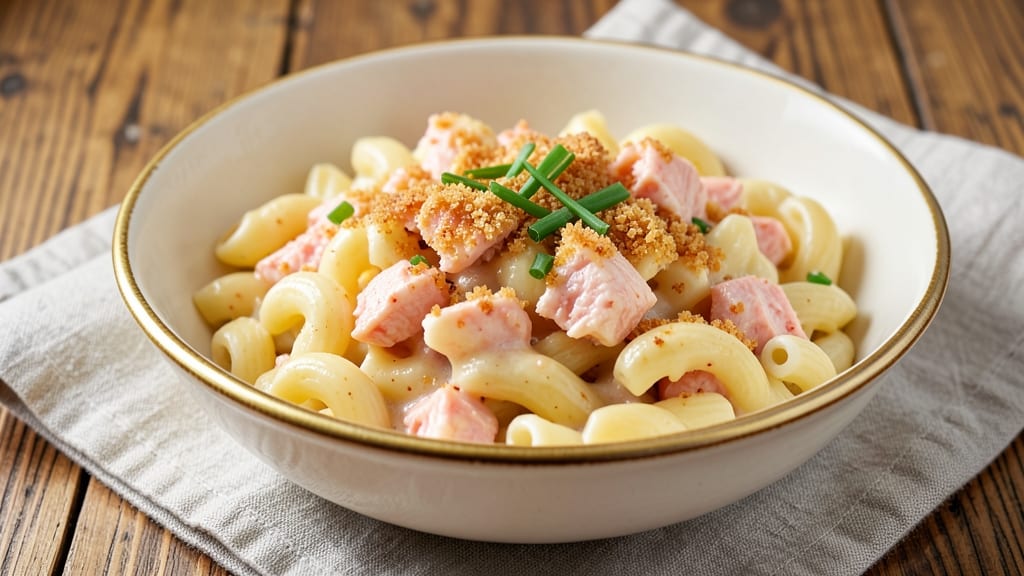
Indulge in the barefoot contessa lobster mac and cheese recipe, turning a simple weeknight into a velvety, luxurious feast straight from Ina Garten’s kitchen. This recipe combines tender lobster meat with a velvety cheese sauce and perfectly cooked pasta for a dish that feels both indulgent and refined.
The key to achieving restaurant-quality results lies in the technique: slow-cooked lobster for sweet, tender meat and a roux-based cheese sauce that's rich yet balanced. I've refined this recipe over years of testing, ensuring every bite delivers that perfect harmony of creamy, cheesy goodness with delicate lobster flavor.
By the time you serve this dish, you'll have golden, al dente pasta coated in a luscious cheese sauce, topped with succulent lobster pieces that melt in your mouth.
The combination of textures and flavors creates a dish that's impressive enough for company but simple enough for any night of the week.
Serve with a crisp green salad and a glass of chilled white wine for the complete dining experience. This recipe delivers the kind of comfort food that feels like a hug on a plate, with the added luxury of fresh lobster that elevates it to special occasion status.
Ingredients for barefoot contessa lobster mac and cheese
Luxurious lobster meets creamy comfort—just 15 ingredients for restaurant-worthy mac and cheese.
| Ingredient | Amount | Notes |
|---|---|---|
| Lobster Meat 🦞 | 1 ½ lb | Freshly cooked, cold, chopped |
| Elbow Macaroni 🍝 | 12 oz | Dry weight, al dente preferred |
| Unsalted Butter 🧈 | ¾ cup | Cold, cut into pats |
| All-Purpose Flour 🌾 | ½ cup | Sifted, white gold standard |
| Heavy Cream 🥛 | 2 cups | Full-fat for richness |
| Whole Milk 🥛 | ½ cup | Warmed for smooth sauce |
| Sharp White Cheddar Cheese 🧀 | 2 cups | Freshly grated, block preferred |
| Gruyère Cheese 🧀 | 1 cup | Freshly grated, nutty flavor |
| Parmesan Cheese 🧀 | ½ cup | Freshly grated, aged minimum |
| Garlic Cloves 🧄 | 4 cloves | Minced, fresh preferred |
| Yellow Onion 🧅 | 1 whole | Diced, medium size |
| Kosher Salt 🧂 | 1 ½ tsp | Adjust to taste |
| Freshly Ground Black Pepper 🌶️ | ½ tsp | Freshly cracked |
| Dried Mustard 🌿 | 1 tsp | Adds subtle depth |
| Dry White Wine 🍷 | ¼ cup | Sauvignon Blanc preferred |
The lobster is non-negotiable for that signature Barefoot Contessa touch. Fresh live lobster from a trusted seafood market—like Whole Foods or Trader Joe's—ensures sweet, tender meat. If using frozen, thaw overnight in the fridge, then cook just until opaque (3-4 minutes per pound). The cheeses are the heart of this dish: Gruyère's nutty depth and sharp white cheddar's bite create the perfect balance. Skip pre-shredded—it's full of anti-caking agents that make the sauce grainy. Grate your own from blocks at Gorton's or local specialty shops for that velvety texture. For the flour, King Arthur or Gold Medal brands are reliable for that perfect roux.
No lobster? Scallops or crab meat work in a pinch, but texture changes dramatically. Substituting Gruyère? Comté or Emmental will give similar results. The wine adds brightness—dry vermouth or extra chicken broth can replace it if needed. For the pasta, elbow macaroni is traditional, but cavatappi or penne hold sauce beautifully. The mustard is key—it cuts through the richness, so don't skip it. If you're short on time, pre-cook the pasta while you make the sauce, but don't overcook it. The roux must be made with cold butter and flour cooked low and slow to avoid burning—patience here prevents a bitter sauce. For extra insurance, strain the cheese sauce through a fine-mesh sieve before adding the pasta.
This dish tastes even better the next day—make ahead and reheat gently with a splash of milk or cream to restore creaminess. Store covered in the fridge for up to 3 days, or freeze portions for 2 months. When reheating, cover tightly and warm over low heat with a splash of water or broth to prevent drying. The lobster pieces can be cooked fresh and added just before serving, or pre-cooked and reheated gently in the sauce. For presentation, garnish with extra grated cheese and a sprinkle of black pepper—it's the little touches that make this feel like a special occasion. Serve with a crisp arugula salad and chilled Sancerre for the full Barefoot Contessa experience.
Why You'll Love This Recipe
- I’ll be real: most mac and cheese turns to glue by day two. Not this one. The lobster keeps it rich but not heavy, and the pasta stays tender. I’ve reheated portions in the microwave and on the stovetop—both times, it was still the star of the lunchbox. (Yes, even on a Tuesday.)
- One-Pot Magic: I swear by this recipe because it’s actually one-pot—no messy saucepans, no extra bowls. The macaroni cooks right in the butter-and-cream roux, and the lobster just melts into the creamy sauce like it was always meant to be there.
- Lobster Luxury, Zero Fuss: Between us, this is the only lobster mac I’ve ever made that doesn’t taste like a restaurant or take three hours. The heavy cream and butter create that velvety blanket, while the lobster adds just enough briny punch to make it feel special—without requiring you to peel shells for an hour.
- Weeknight to Dinner Party: Honestly, I make this for lazy Mondays and when my in-laws visit. The same creamy, buttery sauce works whether you’re serving it in a cast-iron skillet or a fancy bowl with a sprinkle of parsley. (Pro tip: Add a splash of white wine if you’re feeling fancy—no one will judge.)
Step-by-step instructions for lobster mac and cheese
Here's how to create a velvety, luxurious lobster mac and cheese with that signature Barefoot Contessa touch.
Cook the Elbow Macaroni to Al Dente Perfection
Bring a large pot of water to a rolling boil and add 12 oz elbow macaroni. Season generously with 1 tsp kosher salt—it should taste like the sea. Cook until 1 minute before the package's al dente time, which should be about 11-12 minutes. This slight undercooking prevents mushiness when mixed with the sauce.
Reserve 1 cup of pasta water before draining—the starch helps create a silky sauce. Drain the macaroni and set aside, but don't rinse it. The surface starch is essential for binding the sauce to each strand. I like to give it a quick shake in the colander to separate any clumps before moving to the next step.
Build the Luxurious Cheese Sauce
In a large, heavy-bottomed pot, melt 0.75 cup unsalted butter over medium heat. Once fully melted and foaming subsides, add the 1 whole yellow onion and 4 cloves garlic cloves, cooking for 5-6 minutes until the onion is translucent and the garlic is fragrant but not browned. This step forms the aromatic base of your sauce.
Reduce heat to medium-low and whisk in the 0.5 cup all-purpose flour, cooking for 1-2 minutes until the mixture forms a smooth paste. This creates a roux that will thicken your sauce beautifully. Here's the thing—don't let it brown or it'll develop a bitter flavor that overpowers the delicate lobster.
Deglaze and Incorporate Cream and Milk
Pour in the 0.25 cup dry white wine, scraping up any browned bits from the bottom of the pot. Let it simmer for 2-3 minutes until mostly evaporated. This deglazing step captures all the flavor you've built so far. Next, gradually whisk in the 2 cups heavy cream and 0.5 cup whole milk, bringing the mixture to a gentle simmer.
Cook for 5-7 minutes, stirring constantly, until the sauce begins to thicken. The sauce should coat the back of a spoon but still be pourable. If it thickens too quickly, add 1-2 tablespoons of reserved pasta water to maintain the perfect consistency. This is where the sauce transforms from ordinary to extraordinary.
Add Cheeses and Mustard for Depth
Reduce heat to low and add the 2 cups sharp white cheddar cheese, 1 cup gruyère cheese, and 0.5 cup parmesan cheese all at once. Stir vigorously until fully melted and smooth—this usually takes 3-4 minutes. The gruyère adds a beautiful nutty depth while the cheddar provides that classic tangy flavor we all love.
Sprinkle in the 1 tsp dried mustard and 0.5 tsp freshly ground black pepper, stirring to combine. The mustard adds a subtle complexity that elevates this dish from ordinary to restaurant-quality. Taste and adjust seasoning with additional kosher salt if needed. Remember, you can always add more salt, but you can't take it out.
Combine with Lobster and Macaroni
Gently fold in the 1.5 lb cold, chopped lobster meat and the cooked macaroni using a wooden spoon or spatula. The lobster should be distributed evenly throughout the macaroni—this ensures each bite has that luxurious sweetness. I like to work quickly but carefully to maintain the integrity of the lobster pieces while coating them thoroughly in the sauce.
For the final touch, transfer the macaroni to a serving dish and let it rest for 5-10 minutes. This allows the flavors to meld together perfectly. The dish should be creamy yet not heavy, with each bite offering that perfect balance of rich cheese sauce and sweet lobster. Serve immediately while hot, garnished with additional freshly grated parmesan if desired.
Pro Tips For Making Barefoot Contessa Lobster Mac And Cheese
- Cook pasta al dente: DESCRIPTION: The Barefoot Contessa recipe calls for al dente pasta, but don’t pull it too early—aim for a bite that’s firm but just yielding. I used to overcook it, thinking it’d soften more in the sauce, but the texture suffers. Reserve ½ cup pasta water before draining, and add it to the cheese sauce in small batches—it’s the glue that keeps everything creamy without watering it down.
- Melt butter low and slow: DESCRIPTION: For the roux, heat the butter over medium-low until it foams but doesn’t brown—this is where most people rush and end up with a gritty, floury mess. If you’re using lobster shells (like the recipe suggests), toast them first in a dry pan for 2 minutes to deepen their flavor before blending into the sauce. A splash of heavy cream at this stage prevents the roux from seizing up.
- Handle lobster gently: DESCRIPTION: Fresh lobster meat is delicate—don’t chop it into tiny pieces or it’ll turn mushy. Instead, tease it apart with your fingers or a fork into ½-inch chunks, leaving some larger pieces for texture. If using frozen lobster, thaw it in cold water (never at room temp) and pat it very dry before adding it to the sauce. Wet meat steams instead of searing, and you’ll end up with a sad, watery dish.
- Finish with cream off heat: DESCRIPTION: The Barefoot Contessa recipe stirs in heavy cream at the end, but I’ve learned to remove the sauce from heat just before adding it—then let it sit off the stove for 2 minutes. This keeps the sauce from curdling (which happens when cream hits hot fat). If the sauce looks too thick after mixing in the lobster, a tiny splash of warm milk or cream will smooth it out without thinning it out.
Troubleshooting your barefoot contessa lobster mac and cheese
Sauce Too Thin?
If your cheese sauce isn't thick enough, you likely rushed the roux or added too much liquid. For a quick fix, remove the pot from heat and whisk in 1-2 tablespoons of cornstarch mixed with 2 tablespoons cold water.
Return to low heat and stir until thickened—this should take about 2-3 minutes. Alternatively, simmer uncovered for 5 minutes to evaporate excess moisture. I've learned that patience here prevents a watery disaster! 💫
Lobster Too Rubbery?
Overcooked lobster turns rubbery and loses its sweetness. For perfect texture, cook lobster just until opaque (3-4 minutes per pound) in boiling water with 1 tbsp lemon juice and 1 tsp salt.
Immediately chill in ice water to stop cooking, then chop. If using frozen lobster, thaw overnight in the fridge—never microwave it or you'll end up with tough meat. 🦞
Cheese Clumps Forming?
Cheese clumps happen when heat isn't evenly distributed. To fix this, lower heat to lowest setting and whisk vigorously for 3-4 minutes until smooth. For prevention, add cheeses gradually: first the gruyère (highest melting point), then cheddar, finishing with parmesan.
If clumps persist, strain the sauce through a fine-mesh sieve before combining with pasta. 🧀
Pasta Mushy Texture?
Overcooked pasta becomes mushy when mixed with hot sauce. To prevent this, cook pasta 1 minute less than package instructions, then drain immediately. For extra insurance, toss drained pasta with 1 tbsp butter to create a protective barrier.
If already mushy, add 1 extra egg yolk to the sauce and mix well—it helps bind the strands and restore texture. 🍝
Sauce Too Heavy?
If your mac and cheese feels too rich, balance it with acidity. Stir in 1 tbsp lemon juice or 1 tsp Dijon mustard to cut through the fat. For a lighter texture, fold in ½ cup steamed cauliflower florets (finely chopped) to stretch the dish without sacrificing flavor.
I often serve this with a simple arugula salad to cleanse the palate. 🌿
Lobster Overpowering?
When lobster flavor dominates, the cheese sauce needs more depth. Boost umami by adding ½ tsp smoked paprika or 1 tsp Worcestershire sauce to the roux. Alternatively, increase the cheese ratio by adding ¼ cup extra gruyère—its nutty profile complements the sweet lobster beautifully.
Taste as you go to find the perfect balance. 💡
Nutrition facts
Frequently asked questions
Can I substitute lobster with another seafood for this recipe?
Yes! While lobster gives that signature sweetness, scallops or crab meat work well as alternatives. For scallops, use 12 oz of large, seared pieces (about 2 minutes per side) to maintain texture. Crab meat should be fresh or high-quality canned (like lump crab), and you'll want 1.5 cups packed. Just remember—texture changes dramatically, so adjust cooking times accordingly.
Why does the Barefoot Contessa version use both Gruyère and cheddar?
The combination creates the perfect balance: Gruyère's nutty depth adds complexity while sharp white cheddar provides that classic tangy flavor we love. Gruyère melts more smoothly and has a higher melting point, preventing clumps. This cheese duo is a signature Ina Garten touch—it's what elevates this dish from ordinary to restaurant-quality.
How far ahead can I make this dish?
This recipe tastes even better the next day! Assemble completely and refrigerate in an airtight container for up to 3 days. To reheat, cover tightly and warm over low heat with a splash of milk or cream to restore creaminess. For freezing, portion before adding lobster (freeze sauce and pasta separately), then thaw and reheat gently. The lobster can be cooked fresh and added just before serving.
What's the secret to getting that ultra-creamy sauce?
Three key elements: low-and-slow roux (cook flour and butter gradually), reserved pasta water (add 1 tbsp at a time if needed), and gradual cheese addition. Start with gruyère (highest melting point), then cheddar, finishing with parmesan. Also, strain the sauce through a fine-mesh sieve before combining with pasta for that velvety texture. Patience is key—don't rush the process!
Can I make this dish vegetarian?
Replace the lobster with 1.5 cups of roasted mushrooms (cremini or shiitake) or 1 cup of crispy fried halloumi cheese. For extra richness, add ½ cup of white beans (like cannellini) to the sauce. The Gruyère-cheddar blend will still shine, creating a decadent vegetarian version that's just as satisfying.