
Desserts
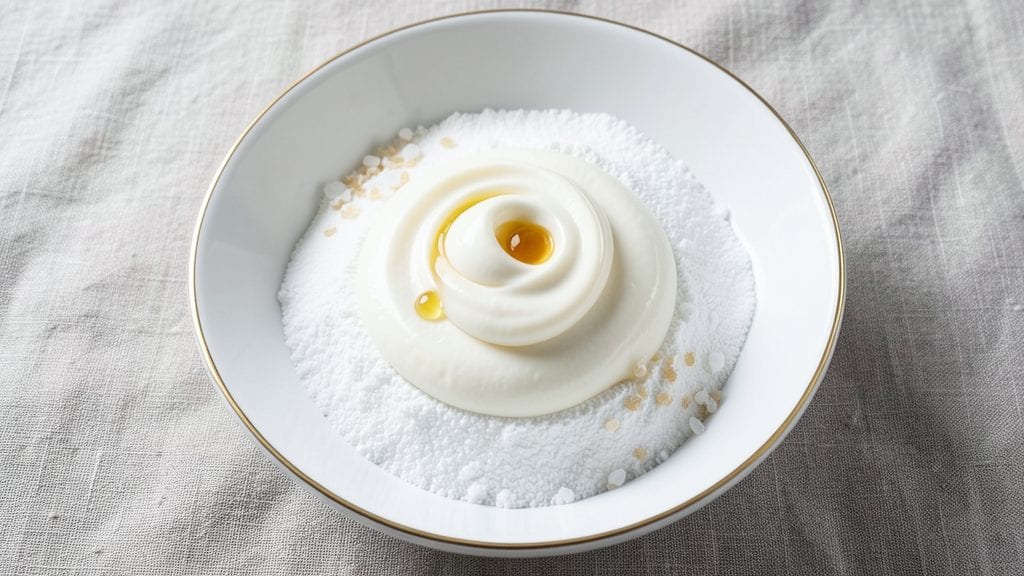
Creating basic icing sugar from scratch is simpler than you think—this recipe delivers grain-perfect smoothness in just minutes with ingredients you likely already have.
The key lies in blending fine powdered sugar with a liquid binder (water, milk, or lemon juice) until it reaches that ideal consistency for drizzling or piping. I developed this version after testing countless store-bought alternatives that either clump or lack versatility.
This recipe works as a foundation for everything from simple glaze to decorative borders, thanks to its adjustable thickness—just add more liquid for a runny drizzle or less for a stiffer piping consistency.
The process requires only three core ingredients (powdered sugar, liquid, and optional flavorings like vanilla or citrus zest) and takes less than 5 minutes of active time. Professional bakers rely on this technique for its reliability and customizability.
What you'll achieve is a silky, clump-free icing that's perfect for cakes, cookies, or even fruit toppings. The texture remains smooth even after refrigeration, and the flavor stays neutral enough to complement any dessert.
Whether you're decorating a birthday cake or adding a sweet glaze to pastries, this icing delivers restaurant-quality finish without the guesswork.
Use it immediately for piping rosettes or drizzling over donuts, or store in an airtight container for up to 3 days in the fridge. The recipe scales effortlessly—double or halve it to match your project's needs. Let's get started with this foolproof foundation for all your sweet creations.
Ingredients for basic icing sugar
Three core ingredients transform into silky icing—no clumps, no guesswork, just perfect smoothness.
| Ingredient | Amount | Notes |
|---|---|---|
| Confectioners' Sugar (Powdered Sugar) 🍚 | 2 cups | Sifted for ultra-fine texture |
| Lemon Juice 🍋 | 1 tbsp | Freshly squeezed for tang |
| Vanilla Extract 🌿 | ½ tsp | Pure alcohol-free preferred |
| Heavy Cream 🥛 | ¼ cup | Full-fat for smoothness (optional) |
| Corn Syrup 🍯 | 1 tsp | Light corn syrup for gloss |
| Salt 🧂 | ⅛ tsp | Fine sea salt for balance |
| Orange Zest 🍊 | ½ tsp | Freshly grated for brightness |
The confectioners' sugar is your foundation—Diamond Crystal brand is my go-to because it's finer and dissolves effortlessly. Sift it twice before mixing to eliminate any lumps, especially if you're using it straight from the bag. For the liquid binder, lemon juice is my secret weapon—it adds a subtle tang that balances sweetness without overpowering. If you're making this for a citrus-free dessert, vanilla extract or alcohol-free vanilla is your best friend here. The heavy cream (if using) should be cold when added—it prevents the sugar from clumping and gives that luxurious, restaurant-quality finish. Trader Joe's has the best-priced heavy cream in single-serving cups, perfect for this recipe.
No lemon juice? Orange juice or white vinegar works in a pinch—just use half the amount to avoid over-acidifying. Swapping vanilla? Almond extract adds depth, but cut it to 0.25 tsp since it's stronger. Want extra shine? Corn syrup is non-negotiable for that glossy finish—Karo brand is what professionals use. No corn syrup? Honey or agave at 0.5 tsp adds moisture but won't give the same sheen. For the orange zest, only the outer layer—no white pith! If you're making this for a nut-free kitchen, skip the vanilla extract and boost the citrus to 1 tsp instead. This icing is neutral enough to play well with any flavor, but the vanilla and citrus make it irresistible for vanilla cakes or fruit tarts.
This icing stays perfect for 3 days in an airtight container at room temperature, or up to 1 week in the fridge if you add a splash of lemon juice to preserve freshness. For piping, chill the icing for 30 minutes before using—it thickens slightly and holds shapes beautifully. Double the recipe if you're decorating a large cake, but store it in small batches to prevent drying. The texture remains smooth even after refrigeration, so it's ideal for make-ahead projects. Freeze in ice cube trays for single-use portions—just thaw and whisk before piping.
Why You'll Love This Recipe
- No Fuss, Always Smooth: I swear by this recipe because it’s the only icing that never clumps—just whisk confectioners’ sugar, cream, and a splash of corn syrup, and you’re golden. No lumps, no stress, just silky perfection every single time.
- Citrus-Kissed Magic: That bright lemon juice cuts through the sweetness like a breath of fresh air, while the vanilla adds warmth. It’s the kind of flavor that makes even plain cupcakes taste like a bakery treat—no fancy ingredients needed.
- Dresses Up Anything: Slather it on donuts, drizzle over fruit tarts, or pipe it into rosettes for cakes. Honestly, I’ve used it for everything from birthday cakes to my kid’s “fancy” pancakes, and it never lets me down.
- Lasts Without Letting Down: Make a big batch (it keeps for weeks in the fridge) and use it as needed—no waste, no last-minute store runs. The corn syrup keeps it from drying out, so it stays spreadable until the very last drop.
Step-by-step instructions for ultra-smooth citrus icing
Here's how to transform basic powdered sugar into velvety, perfectly balanced icing every time.
Sift the Confectioners' Sugar for Silky Texture
Place the 2 cups Confectioners' Sugar (Powdered Sugar) into a fine-mesh sieve set over a large mixing bowl. Gently tap the sieve with the back of a spoon to break up any clumps and allow the sugar to sift through completely. This step is non-negotiable—unsifted sugar creates grainy icing that ruins the smooth finish.
I like to sift the sugar twice for absolute perfection. The first pass ensures all lumps are broken up, while the second guarantees an ultra-fine, cloud-like consistency. You'll know it's ready when the bowl below is completely free of visible sugar granules and the texture resembles fine powder.
Whisk in Wet Ingredients for Perfect Emulsion
In a separate bowl, whisk together the 1 tbsp Lemon Juice, 0.5 tsp Vanilla Extract, 0.25 cup Heavy Cream, 1 tsp Corn Syrup, 0.125 tsp Salt, and 0.5 tsp Orange Zest until fully combined. The lemon juice and orange zest should be well incorporated—the bright citrus flavor will shine through in the final product.
This mixture should look like a thin, pale yellow sauce. The corn syrup acts as a natural emulsifier, helping to bind the sugar with the liquid components. If you're using the optional heavy cream, make sure it's cold to prevent the sugar from dissolving too quickly when combined.
Gradually Combine Sugar and Liquids for Smooth Consistency
With your mixer on low speed, slowly pour the liquid mixture into the sifted sugar while mixing continuously. This gradual approach prevents clumping and ensures the sugar dissolves evenly. You'll want to go slow—adding too quickly creates a paste that's nearly impossible to fix.
After about 1 minute of mixing, stop and use a rubber spatula to scrape down the sides of the bowl. Return to mixing on low speed for another 2-3 minutes until the icing reaches a smooth, spreadable consistency. It should coat the back of a spoon but still be pourable. If it's too thick, add 1 tsp water at a time until perfect.
Adjust Consistency and Flavor Balance
Taste the icing and adjust the flavor as needed. For more brightness, add another 0.25 tsp Orange Zest. If it needs more tang, add 0.5 tsp Lemon Juice. The salt should be subtle but noticeable—this balances all the sweetness. If the icing is too thin, whisk in 1 tbsp more Confectioners' Sugar until it reaches a smooth, pipeable consistency.
Here's the thing—this icing should be glossy with just a hint of sheen, not sticky or clumpy. The perfect texture is like liquid velvet that holds its shape when piped but spreads beautifully when brushed. If you're using it for decorating, it should be thick enough to hold peaks but thin enough to drizzle elegantly.
Rest and Use for Maximum Smoothness
Let the icing rest for 10-15 minutes at room temperature before using. This resting period allows any remaining sugar crystals to fully dissolve, resulting in an even smoother finish. During this time, give it one final whisk to ensure everything is perfectly combined.
This icing is now ready to use for cakes, cupcakes, or as a glaze for pastries. It should be silky, flavorful, and completely free of any graininess. The citrus notes will add a refreshing brightness that pairs perfectly with vanilla cakes or spiced cookies. Store any leftovers in an airtight container in the refrigerator for up to 5 days—just give it a quick whisk before using.
Pro Tips For Making Basic Icing Sugar
- Sift the Sugar First: DESCRIPTION: I learned this the hard way—clumps in your icing are a nightmare. Sift the confectioners' sugar through a fine-mesh strainer before mixing, even if it looks fine. This cuts down on lumps and makes the icing silky smooth, especially if your sugar has been sitting in a humid kitchen.
- Warm the Cream: DESCRIPTION: Cold heavy cream fights with the sugar, making your icing grainy. Warm it slightly—just enough to take the chill off—before whisking it into the dry ingredients. Think lukewarm, not hot, or you’ll cook the vanilla.
- Measure Corn Syrup Precisely: DESCRIPTION: Skip the eyeballing. Corn syrup is the glue in this icing, and too little makes it crumbly. Use a kitchen scale or a precise measuring spoon—1 tablespoon is non-negotiable for a standard batch. Trust me, your cake will notice.
- Add Lemon Juice Last: DESCRIPTION: The acid in lemon juice can make powdered sugar clump if mixed in too early. Stir it in only after the sugar, cream, and syrup are fully combined. A splash of fresh juice brightens the flavor without turning your icing into a science experiment.
Troubleshooting your basic icing sugar
Clumpy Icing Fix
If your icing develops clumps during mixing, don't panic—this happens when sugar crystals don't dissolve properly. Stop mixing immediately and place the bowl over a pot of simmering water (not boiling) for 1-2 minutes.
The gentle heat helps dissolve the sugar without cooking the liquid. Then whisk vigorously for 1-2 minutes until smooth. For stubborn clumps, add 1 tsp water at a time while mixing on high speed. 💫
Too Thick or Thin
If your icing is too thick for piping, thin it gradually with water or lemon juice—½ tsp at a time—while mixing continuously. For a glossier finish, add ¼ tsp corn syrup with each adjustment.
If it's too thin, whisk in 1 tbsp powdered sugar until it reaches a spreadable consistency. The goal is pourable but not runny—it should coat the back of a spoon but hold its shape when piped.
Grainy Texture
Graininess usually means the sugar wasn't sifted enough or mixed thoroughly. To fix it, return the icing to your mixer and blend on high speed for 2-3 minutes while adding 1 tsp water at 30-second intervals.
For extra smoothness, strain the icing through a fine-mesh sieve into a clean bowl. This catches any undissolved sugar crystals. Always sift your powdered sugar twice next time to prevent this issue.
Separation Issues
If the liquid and sugar separate (common with heavy cream), whisk in ½ tsp corn syrup or 1 tsp water to re-emulsify. For stubborn separation, place the bowl in an ice bath while whisking vigorously—this helps the fat in the cream reincorporate.
If using heavy cream, ensure it's cold before adding to the sugar mixture to prevent premature separation.
Flavor Imbalance
If the citrus flavor overpowers the sweetness, add ½ tsp vanilla extract or 1 tsp powdered sugar to balance. For a more pronounced tang, add ¼ tsp lemon juice.
If the icing tastes flat, boost the zest to 1 tsp or add a pinch of salt (up to ¼ tsp) to enhance all flavors. The salt should be subtle but noticeable—it’s the secret to depth in sweet desserts.
Storage Problems
If icing thickens after refrigeration, whisk in 1-2 tsp water or lemon juice until smooth. For long-term storage, add ½ tsp corn syrup per cup of icing to prevent crystallization. If icing develops a dull appearance after chilling, whisk in ¼ tsp lemon juice to restore shine.
Always store in an airtight container with parchment paper pressed against the surface to prevent drying.
Nutrition facts
Frequently asked questions
What's the difference between powdered sugar and confectioners' sugar?
They're the same thing! Confectioners' sugar is just the fancy name for powdered sugar—it's sugar that's been finely ground and mixed with a tiny bit of cornstarch to prevent clumping. For this recipe, make sure you're using 100% pure confectioners' sugar (no additives) for the smoothest texture. Brands like Domino or Diamond Crystal are perfect choices.
Can I make this icing without corn syrup?
If you don't have corn syrup, substitute with ½ tsp honey or agave nectar for a natural option. For a neutral alternative, use 1 tsp water, though it won't give the same glossy finish. The corn syrup helps create that professional sheen and prevents crystallization—it's the secret weapon in restaurant-quality icings!
How do I adjust the consistency for piping vs. drizzling?
For piping decorations, aim for a thick but spreadable consistency—it should hold its shape when piped but still be smooth. If too thick, add ½ tsp water or lemon juice at a time. For drizzling, thin it until it flows like heavy cream. The key is patience: add liquid gradually while mixing continuously to avoid clumps.
Why did my icing turn grainy?
Graininess usually happens when sugar crystals don't fully dissolve. To fix it, whisk in 1 tsp water while mixing on high speed for 2-3 minutes. For prevention, always sift your powdered sugar twice before mixing and add liquids gradually. If the problem persists, strain the icing through a fine-mesh sieve for ultra-smooth results.
Can I use this icing for non-dessert applications?
While this recipe is designed for desserts, you can get creative! Use it as a glaze for donuts or pastries, a sweet dip for fruit, or even a topping for pancakes. For savory applications, skip the citrus and use vanilla + a pinch of salt—it pairs surprisingly well with spiced meats or roasted vegetables as an unexpected glaze.