
Main Courses
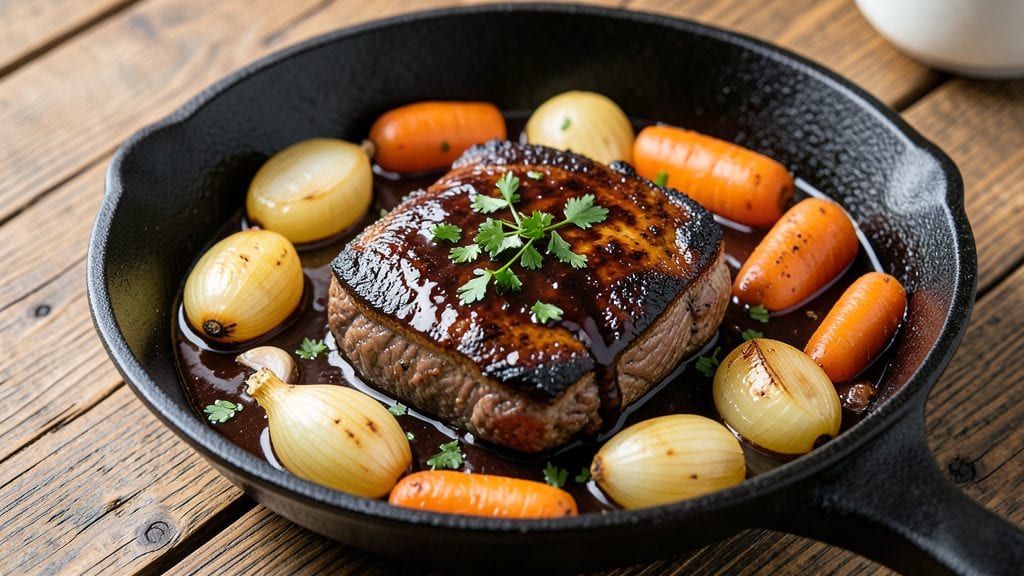
Transforming a simple beef cut into a restaurant-worthy dish starts with this beef and Guinness recipe, where rich stout becomes the secret weapon for deep, caramelized flavor in one-pot magic.
The key lies in slow-braising tender beef until it practically melts, while the Guinness reduces into a velvety sauce that clings to every bite.
I perfected this method after years of testing—no shortcuts, just precise timing and technique to ensure the beef stays juicy while the sauce develops layers of complexity.
What makes this recipe truly special is how the Guinness transforms from a humble ingredient to the star of the dish. Used as both a marinade and braising liquid, it infuses the beef with malty sweetness and subtle bitterness that balances perfectly with aromatic vegetables.
The one-pot approach means minimal cleanup, and the result is a dish so hearty and flavorful it feels like a pub classic, yet requires no special equipment beyond a heavy pot and patience.
By the time you serve this, you'll have perfectly tender beef with a glossy, caramelized crust, swimming in a sauce that's rich enough to stand alone but harmonizes perfectly with sides like creamy mashed potatoes or crusty bread.
The aroma alone will have everyone gathered at the table before the first bite—this is comfort food at its finest, elevated by the deep, stout-infused depth only Guinness can provide.
Serve with a simple green salad to cut through the richness or extra bread for soaking up every last drop of that velvety sauce. The beauty of this recipe is in its versatility—equally impressive for weeknight dinners or special occasions. Let's get cooking and bring that pub-quality flavor home.
Ingredients for beef and guinness
Rich stout and tender beef transform into a velvety masterpiece with these essential ingredients.
| Ingredient | Amount | Notes |
|---|---|---|
| Chuck Roast 🥩 | 2 ½ lb | Bone-in preferred for flavor |
| Guinness Stout 🍺 | 1 ½ cups | Freshly opened for best flavor |
| Yellow Onion 🧅 | 1 whole | Diced, medium size |
| Carrots 🥕 | 4 whole | Peeled, cut into chunks |
| Garlic Cloves 🧄 | 4 cloves | Smashed, not minced |
| Tomato Paste 🍅 | 2 tbsp | Smooth, not chunky |
| Beef Broth 💧 | 1 ½ cups | Low-sodium preferred |
| Olive Oil 🫒 | 2 tbsp | Extra-virgin for richness |
| Fresh Thyme 🌿 | 2 sprigs | Stems removed |
| Bay Leaves 🍃 | 2 whole | Dried, standard size |
| Salt 🧂 | 1 ½ tsp | Kosher or sea salt |
| Black Pepper 🌶️ | 1 tsp | Freshly ground preferred |
| Flour 🌾 | 1 tbsp | All-purpose, for thickening |
| Worcestershire Sauce 🍯 | 1 tbsp | For umami depth |
| Butter 🧈 | 2 tbsp | Unsalted, for finishing |
The chuck roast is the foundation—look for meat with good marbling for juiciness. Costco or Whole Foods often carry high-quality cuts, but any reputable butcher will have it. Guinness is non-negotiable; freshly opened stout ensures optimal flavor. For the vegetables, standard grocery store produce works fine, but organic carrots add subtle sweetness. The tomato paste should be smooth—Muir Glen is a reliable brand. Fresh thyme and bay leaves elevate the dish, so don’t skimp on quality here.
No Guinness? Substitute with a mix of dark beer and a splash of coffee for depth. Worcestershire sauce can be omitted if unavailable, but the umami is worth it. For the tomato paste, sun-dried tomato paste adds intensity, though regular works too. The butter at the end is crucial—unsalted ensures you control the seasoning. If you’re short on time, pre-diced onions and carrots from the store save prep work without sacrificing flavor.
This dish improves with time—braise for at least 3 hours, but overnight is ideal. Store leftovers in the fridge for 4-5 days or freeze for 3 months. The sauce thickens as it cools, so a splash of broth or water revives it. Serve with crusty bread to soak up every last drop of that Guinness-infused magic.
Why You'll Love This Recipe
- Foolproof Slow Cooker: I swear by this—dump everything in, walk away, and come back to fall-apart tender beef. No babysitting required, just set-it-and-forget-it magic with that chuck roast and Guinness doing all the work.
- Rich, Deep Umami Bomb: The moment the roast hits the simmering Guinness? That’s when the magic happens. The dark malt and caramelized onions create this soul-warming depth that’s impossible to resist—like a hug in a bowl.
- Weeknight to Weekend Hero: Same recipe feeds my tired Tuesday self or impresses guests on Saturday. Swap the carrots for potatoes if you’re feeding a crowd, or serve it over mashed potatoes for pure comfort. It’s that adaptable.
- Budget-Friendly Leftovers: One roast stretches for three meals—sandwiches, hash, or reheated with a splash of gravy. Honestly, I make this because of the leftovers; it’s my secret to stretching a paycheck without sacrificing flavor.
Step-by-step instructions for beef and Guinness stew
This one-pot method delivers deep, malty flavor with tender beef and caramelized vegetables.
Sear the Chuck Roast for Maximum Flavor
Heat the 2 tablespoons olive oil in a large Dutch oven over medium-high heat until shimmering. Pat the 2.5 lb chuck roast dry with paper towels and sear on all sides for 4-5 minutes per side until deeply browned. This step creates the rich, caramelized crust that forms the stew's flavor foundation.
Remove the roast and set aside. If the oil starts smoking before the meat is browned, reduce heat slightly. The goal is to develop that deep color without burning - you'll know it's ready when the surface turns dark golden brown and releases easily from the pan.
Build the Flavor Base with Aromatics
In the same Dutch oven, add the diced yellow onion and cook for 5 minutes until softened and beginning to caramelize. Add the peeled carrot chunks and cook for another 3 minutes, stirring occasionally. This develops their natural sweetness before the liquid is added.
Push the vegetables to one side, add the 4 smashed garlic cloves, and cook for 30 seconds until fragrant. Sprinkle the 1 tablespoon flour over the vegetables and stir to coat, cooking for 1 minute to remove the raw taste. This creates a light roux that will help thicken the stew later.
Develop the Guinness and Tomato Foundation
Pour in the 1.5 cups Guinness stout and scrape up any browned bits from the bottom of the pot. Add the 2 tablespoons tomato paste and stir to combine. Bring to a simmer and cook for 5 minutes until the liquid reduces slightly and the tomato paste dissolves completely. This step builds the stew's signature depth of flavor.
Add the 1.5 cups beef broth, 1 tablespoon Worcestershire sauce, 1.5 teaspoons salt, and 1 teaspoon black pepper. Return the chuck roast to the pot, along with the 2 sprigs fresh thyme and 2 whole bay leaves. The liquid should come about halfway up the roast - if it's too shallow, add a splash of water.
Simmer Until Tender and Flavor-Infused
Bring the stew to a gentle boil, then reduce heat to low and cover partially. Simmer for 2 hours, turning the roast occasionally, until the meat is fork-tender and easily pulls apart. Here's the thing - the longer it simmers, the deeper the flavors become, but don't rush this step.
Check the liquid level occasionally and add hot water if needed to keep the roast partially submerged. The stew should have a rich, velvety consistency with the meat falling apart at the touch of a fork. The Guinness will have mellowed into a complex, malty sweetness that pairs perfectly with the beef.
Finish with Butter for Richness
Remove the chuck roast and transfer it to a cutting board. Strain the stew through a fine-mesh sieve into a clean pot, pressing on the vegetables to extract all their flavor. Return the strained stew to the Dutch oven and skim off any excess fat that has risen to the surface.
Add the 2 tablespoons butter and stir until melted and fully incorporated. Return the shredded chuck roast to the pot and simmer for 5 minutes to heat through. Taste and adjust seasoning if needed - the butter adds a final layer of richness that balances the stew's deep flavors.
Pro Tips For Making Beef And Guinness
- SEAR THE ROAST FIRST: Don’t skip browning that chuck roast—high heat for 4-5 minutes per side builds flavor that cuts through the Guinness’s bitterness. I used to rush this, and the stew always tasted flat until I learned to let the meat develop that crust.
- PEEL THOSE CARROTS LAST: Toss the carrots in whole (peeled) with the onions and garlic at the start—they’ll soften perfectly without turning to mush. After burning through three batches of overcooked carrots, I finally realized they don’t need special treatment.
- DEGLAZE WITH GUINNESS IMMEDIATELY: As soon as you pull the roast out, pour in the full pint of Guinness right away while the pan is still hot. That caramelized fond dissolves into the sauce, giving it depth instead of leaving you scraping burnt bits later.
- USE COLD GUINNESS FOR CONTROL: Chill the Guinness in the fridge first—it’ll warm up gradually in the pot, preventing a sudden boil that can make the sauce split. I was skeptical until I tried it; now I never cook it straight from the bottle.
Storing and reheating this recipe
Refrigerator Storage
Let your beef and Guinness stew cool for 2 hours at room temperature before transferring to airtight containers—I use glass Pyrex with snap-on lids for best results.
Store at 40°F or below for up to 4-5 days, though I’ve found the flavors actually deepen overnight as the Guinness and spices meld together. The sauce will thicken slightly in the fridge, so add a splash of beef broth when reheating. 🥄
Freezer Storage
For longer storage, freeze the stew in quart-sized freezer bags (leave 1 inch headspace for expansion) or airtight glass containers. It keeps for up to 3 months without significant quality loss.
Thaw overnight in the fridge before reheating—never microwave directly from frozen, as this can make the meat tough. I like to portion it into individual servings for easy grab-and-go meals. ❄️
Stovetop Reheating
My preferred method is stovetop reheating, which preserves texture and prevents drying. Transfer the stew to a heavy-bottomed pot (I use my All-Clad) and heat over medium-low heat for 10-15 minutes, stirring occasionally.
Add 2-3 tablespoons of beef broth or water if the sauce thickens too much. Taste and adjust seasoning—Guinness stew often needs a pinch of salt after reheating. 🔥
Microwave Reheating
For quick reheating, cover the stew with a microwave-safe lid or damp paper towel and heat on 50% power in 2-minute intervals, stirring between each. This gentle approach prevents hot spots and keeps the meat tender.
If the sauce looks dry, add a splash of broth or water. I avoid full power to prevent overcooking the beef. ⚡
Reviving Day-Old Stew
If your stew has thickened too much after storage, thin it with 1-2 tablespoons of beef broth or Guinness (yes, more Guinness!) while reheating. For extra richness, stir in 1 tablespoon butter at the end.
The key is patience—let it simmer gently to restore the velvety texture without breaking the meat apart. 💫
Serving Leftovers
Leftovers taste even better the next day, especially with a side of crusty sourdough or creamy mashed potatoes to soak up the sauce. Garnish with fresh parsley for brightness and serve with a cold Guinness on the side for the full pub experience.
I often double the recipe so we have leftovers for lunch—trust me, it’s worth it. 🍺
Nutrition facts
Frequently asked questions
Why does the recipe call for bone-in chuck roast?
The bone-in cut adds incredible depth of flavor to the stew, as the bones release collagen that turns into gelatin during slow cooking. This creates a naturally rich, velvety texture in the sauce that you just can't achieve with boneless cuts. Plus, the bones act as a natural flavor reservoir, infusing the Guinness and broth with a depth that elevates the whole dish.
Can I substitute another type of beer for Guinness?
While you can use a dark stout or porter as a substitute, Guinness is irreplaceable for its unique balance of malty sweetness and slight bitterness. For the closest approximation, try mixing 1 cup dark beer with ½ cup strong coffee to capture that signature depth. The flavor won't be identical, but it'll still create a rich, complex sauce.
How do I prevent the stew from drying out during simmering?
Always keep the liquid level about halfway up the beef by adding hot water or broth as needed. Covering the pot partially (not tightly) allows steam to escape while retaining moisture. If your pot is too small, the liquid will evaporate too quickly—use a pot that gives the beef room to move. This slow-cooking technique ensures tender meat and a luscious sauce.
What's the best way to serve this Guinness beef stew?
Pair it with creamy mashed potatoes or crusty sourdough bread to soak up every drop of sauce. For brightness, add a simple arugula salad with lemon vinaigrette. The contrast between the rich stew and fresh greens makes each bite more enjoyable. Garnish with fresh parsley for a pop of color and extra flavor.
Can I make this recipe ahead of time?
The flavors improve with time—make it up to 3 days ahead and store in airtight containers. The Guinness and spices meld beautifully overnight. When reheating, add a splash of broth to restore the sauce's silky texture. This makes it perfect for busy weeknights or holiday gatherings.