
Soups & Stews
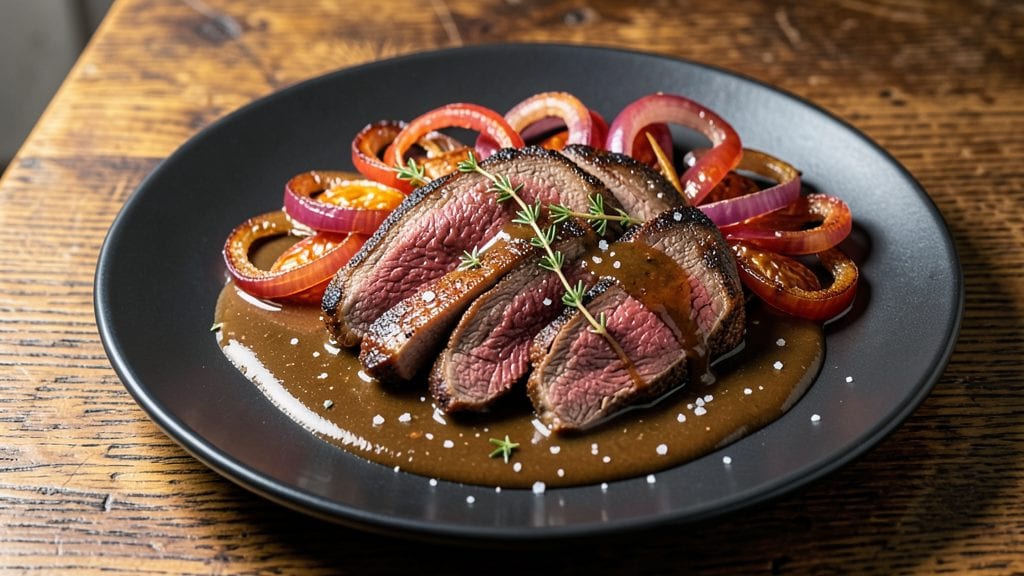
Pan-seared beef liver with onions and gravy transforms this nutrient-dense protein into a restaurant-worthy dish with rich umami depth and tender texture. The key lies in precise cooking times—just 2-3 minutes per side for medium-rare—paired with caramelized onions that add sweetness to balance the liver's natural intensity.
I developed this recipe after years of perfecting the technique, ensuring the gravy thickens properly without overpowering the delicate meat.
What sets this preparation apart is the two-stage cooking process: first searing the liver in a hot pan to lock in juices, then finishing with onions and a velvety gravy that clings to every bite.
The gravy, made from pan drippings and beef broth, creates a luxurious sauce that elevates simple sides like mashed potatoes or crusty bread into a complete meal. This method delivers professional results without requiring advanced skills.
By the time you plate this dish, you'll have perfectly cooked liver with a caramelized crust, tender centers, and a glossy gravy that ties everything together. The onions add sweetness and texture, while the gravy provides that final touch of richness.
This recipe proves beef liver can be both nutritious and indulgent when prepared with care and precision.
The beauty of this dish lies in its versatility—serve it as a main course with roasted vegetables or as part of a hearty Sunday supper. The gravy can be made ahead and reheated, making this a practical yet impressive meal for any occasion.
Let's get started on creating this umami-packed masterpiece.
Ingredients for beef liver with onions and gravy
Twelve ingredients transform delicate beef liver into a restaurant-quality dish with caramelized onions and velvety gravy.
| Ingredient | Amount | Notes |
|---|---|---|
| Beef Liver 🥩 | 1 ¼ lb | Fresh, trimmed of connective tissue |
| Yellow Onions 🧅 | 1 whole | Medium size, thinly sliced |
| Unsalted Butter 🧈 | 4 tbsp | High-quality, European preferred |
| Beef Broth 💧 | 1 cup | Homemade or high-quality store-bought |
| All-Purpose Flour 🌾 | 1 tbsp | For gravy thickening |
| Fresh Thyme 🌿 | ½ tsp | Leaves only, finely chopped |
| Fresh Parsley 🌿 | ¼ cup | Finely chopped, for garnish |
| Diamond Crystal Kosher Salt 🧂 | 1 tsp | For seasoning |
| Freshly Ground Black Pepper 🌶️ | ½ tsp | Cracked peppercorns preferred |
| Dry Red Wine 🍷 | ¼ cup | Cabernet Sauvignon recommended |
| Heavy Cream 🥛 | ¼ cup | Full-fat for richness |
| Garlic Cloves 🧄 | 2 cloves | Minced for caramelization |
The quality of beef liver makes all the difference here. Look for bright red, firm pieces from a trusted butcher or high-end grocery store like Whole Foods or D'Agostino's. The liver should feel cool and heavy, not slimy or discolored. Trim any connective tissue or silver skin before cooking. For onions, yellow onions provide the perfect balance of sweetness and acidity—Vidalia if you want extra sweetness, but regular yellow works fine. The butter should be unsalted, high-fat content (like Plugrá or European-style) to handle high-heat searing without burning.
No fresh thyme? Dried thyme works at one-third the amount, though fresh is preferred for its bright aroma. Substituting red wine? Beef broth with a splash of balsamic vinegar mimics the depth. For the flour, all-purpose works best—bread flour can make the gravy too thick. The garlic cloves should be minced finely for even caramelization, but don't overdo it—2 cloves is plenty. If you're short on time, pre-minced garlic from a jar works, though fresh is always better. The heavy cream should be full-fat—none of that low-fat nonsense here. For the beef broth, homemade is ideal, but Swanson's or Pacific Foods are solid store-bought options.
Fresh liver should be used within 2 days for optimal texture. Store it in an airtight container in the coldest part of your fridge. The onions can be prepped ahead and stored for 3 days in the fridge, but they're best used fresh. The gravy can be made ahead and reheated—it actually tastes better the next day as flavors meld. Portion into small ramekins for easy reheating. If you're making this for a crowd, double the recipe—just ensure your pan is large enough to sear the liver in a single layer without overcrowding.
Why You'll Love This Recipe
- I swear by this trick: slice the onions thick—no fancy dicing, just big semi-circles. They caramelize in butter while you sear the liver, so you’re really only doing one active thing at a time. That’s my kind of cooking.
- Minimal Chopping Required: I swear by this trick: slice the onions thick—no fancy dicing, just big semi-circles. They caramelize in butter while you sear the liver, so you’re really only doing one active thing at a time. That’s my kind of cooking.
- Rich Umami Bomb: The secret’s in the beef broth reduction—thick, salty, and packed with depth. When you toss in the flour slurry, it turns into this velvety gravy that clings to the liver like a hug. Honestly, the first bite makes me forget it’s liver.
- Leftovers That Shine: This dish actually improves the next day. The onions soften into sweetness, the gravy thickens to a perfect consistency, and I’ve reheated it straight from the fridge into a pan with a splash of water—zero fuss. My lunchbox’s new best friend.
Step-by-step instructions for beef liver with onions and gravy
Master this classic preparation with precise timing and flavor balance for restaurant-quality results.
Prep and Season the Liver for Optimal Texture
Begin by trimming any visible connective tissue or silver skin from the 1.25 lb beef liver using a sharp chef's knife. Pat the liver completely dry with paper towels—this ensures maximum browning and prevents steaming. Season both sides generously with 1 tsp diamond crystal kosher salt and 0.5 tsp freshly ground black pepper, pressing the seasoning into the meat rather than just sprinkling it on top.
Slice the 1 whole yellow onions into ⅛-inch thick rounds. Thinly slice the 2 cloves garlic cloves, reserving a pinch for garnish if desired. Let the liver sit at room temperature for 15 minutes before cooking—this allows for even heat distribution and prevents uneven cooking. The liver should feel slightly cool to the touch when you handle it, indicating it's ready for the pan.
Sear the Liver in Butter for Perfect Doneness
Heat a large skillet over medium-high heat until it's just smoking hot. Add 2 tbsp of the 4 tbsp unsalted butter and allow it to melt completely, swirling to coat the pan evenly. Working in batches if needed, add the liver pieces in a single layer—don't overcrowd the pan. Sear for exactly 2 minutes per side, pressing down gently with a metal spatula during the first minute to ensure even contact with the hot surface.
You'll know the liver is ready to flip when the edges begin to develop a deep golden-brown crust and the surface releases easily from the pan. Remove the liver to a warm plate and tent loosely with foil. The internal temperature should reach 125°F at its thickest point—this ensures perfect medium-rare doneness without overcooking. The liver will continue cooking slightly from residual heat.
Caramelize Onions and Garlic for Flavor Foundation
Reduce heat to medium and add the remaining 2 tbsp unsalted butter to the same skillet. Add the sliced yellow onions and cook for 5-6 minutes, stirring occasionally, until they begin to soften and release their moisture. Add the minced garlic cloves and 0.5 tsp fresh thyme, cooking for an additional 1-2 minutes until the garlic is fragrant and the onions are deeply caramelized with golden edges.
Pour in 0.25 cup dry red wine, scraping up any browned bits from the bottom of the pan with a wooden spoon. Allow the wine to simmer for 2-3 minutes until reduced by half, creating a rich, concentrated base for the gravy. This deglazing step captures all the fond (browned bits) that contain intense umami flavors—don't skip it.
Build the Velvety Onion Gravy
Sprinkle 1 tbsp all-purpose flour over the onion mixture and stir vigorously for 1 minute to toast the flour lightly. Slowly pour in 1 cup beef broth while whisking continuously to prevent lumps from forming. Bring the mixture to a gentle simmer and cook for 5-7 minutes until it thickens slightly and coats the back of a spoon.
Reduce heat to low and stir in 0.25 cup heavy cream and the remaining 0.25 cup fresh parsley. Taste and adjust seasoning with additional salt or pepper if needed. The gravy should be smooth, velvety, and rich enough to coat the back of a spoon without being gluey. Return the liver to the skillet, spooning gravy over the top, and let it warm through for 1-2 minutes.
Plate and Serve with Gravy
Transfer the liver and gravy to serving plates, spooning generous amounts of gravy over each portion. Garnish with a sprinkle of fresh parsley and a pinch of cracked black pepper. Serve immediately while the liver is still warm and the gravy maintains its silky texture. The liver should be tender with a slightly firm center, and the gravy should cling beautifully to each bite, enhancing the natural richness of the meat.
For best results, serve with buttered egg noodles or crusty bread to soak up the luxurious gravy. The combination of perfectly seared liver, caramelized onions, and velvety gravy creates a harmonious balance of textures and flavors that showcases the liver's natural richness without overpowering it.
Pro Tips For Making Beef Liver With Onions And Gravy
- Sear in Stages: Start beef liver in a cold, dry skillet—yes, cold—and let it warm through on medium. After 2-3 minutes, crank to high and sear until edges crisp (about 1 minute per side). I learned this the hard way: jumping straight to high heat makes it tough and greasy.
- Salt the Liver First: Generously salt the beef liver 30 minutes before cooking—it draws out moisture, so pat it very dry afterward. This isn’t just about flavor; it guarantees a better crust and prevents the pan from steaming instead of browning.
- Deglaze with Broth: After searing the onions, push them aside, add the liver to the pan, and let it release its juices. Immediately pour in half the beef broth, scraping every bit of fond from the bottom. That’s where the real flavor hides—don’t skip it.
- Thicken Gravy Slow: Whisk in the flour with cold butter first, then cook it low and slow for 2-3 minutes before adding the remaining broth. Rushing this step gives you a clumpy, raw-tasting gravy—no one wants that. Patience here makes all the difference.
Common mistakes when making perfect results
Overcooking the Liver
Beef liver cooks faster than most meats, and even 30 seconds too long can turn it from tender to rubbery. I’ve ruined countless batches by checking for doneness too late—always use a meat thermometer to hit 125°F internal temperature for medium-rare.
If you don’t have one, cut into the thickest piece: it should be warm red in the center with a slightly firm edge. Never let it reach 145°F or higher, or you’ll end up with a tough, dry mess. 🔥
Skipping the Room Temp Step
Taking the liver straight from the fridge to a hot pan creates uneven cooking—one side sears while the other stays cold. Let it sit at room temperature for 15 minutes before cooking.
I learned this the hard way when my first attempt yielded a perfectly browned crust hiding a raw center. This step ensures even heat distribution and a consistent texture throughout. Pro tip: Pat it very dry with paper towels to maximize browning.
Crowding the Pan
Overcrowding the pan causes steaming instead of searing, leading to pale, soggy liver. Use a skillet large enough to accommodate the liver pieces in a single layer with ½-inch spacing between them. If you must cook in batches, let the pan return to smoking heat between additions.
I use a 12-inch cast iron skillet for 1.25 lbs of liver—any smaller, and you’ll struggle. A splatter screen is your friend here.
Neglecting the Fond
The browned bits (fond) at the bottom of your pan contain concentrated flavors that form the base of your gravy. Skipping the deglazing step with wine or broth means losing these precious umami compounds.
After removing the liver, immediately pour in ¼ cup red wine or broth and scrape vigorously with a wooden spoon. This step transforms a basic gravy into a rich, complex sauce. Don’t rush it—let the liquid reduce by half before adding flour. ✨
Over-Thickening the Gravy
Too much flour or prolonged simmering creates a gluey, pasty gravy that clumps and sticks. For 1 cup of broth, use exactly 1 tbsp flour and simmer for no more than 5-7 minutes. Stir constantly to prevent lumps.
If your gravy thickens too much, whisk in 1 tbsp cold water to adjust the consistency. I’ve had to start over twice when I ignored this rule—always taste as you go.
Using Low-Quality Butter
Cheap butter with low fat content burns easily and lacks the richness needed for searing liver and making gravy. Invest in European-style unsalted butter (like Plugrá or President) with at least 82% milkfat. The higher fat content prevents burning and adds depth to both the sear and gravy.
I’ve tried store-brand butter in this recipe, and the results are noticeably less flavorful. Trust me, your taste buds will thank you. 🧈
Nutrition facts
Frequently asked questions
How do I know when beef liver is perfectly cooked?
Use a meat thermometer to check for 125°F internal temperature for medium-rare doneness. If you don't have one, cut into the thickest piece—the center should be warm red with a slightly firm edge. Never exceed 145°F or the liver becomes tough.
Can I make the gravy ahead of time?
Yes! The gravy actually improves overnight as flavors meld. Store it in small ramekins in the fridge for up to 3 days or freeze for 3 months. Reheat gently on low heat, stirring constantly to prevent lumps. The liver should always be cooked fresh, though.
What's the best way to store leftover cooked beef liver?
Cool the liver completely, then wrap tightly in plastic wrap and store in an airtight container for 2-3 days in the fridge. For longer storage, freeze for up to 1 month. Reheat gently in a skillet with a splash of broth or water to restore moisture. Never microwave—it makes liver rubbery.
Can I substitute chicken liver for beef liver?
Yes, but expect different texture and flavor. Chicken liver is more delicate and cooks faster (1-2 minutes per side), so reduce cooking time by half. The gravy technique remains the same, though chicken liver pairs beautifully with a lighter white wine reduction instead of red.
Why did my gravy turn out gluey?
This happens when you overcook the flour or use too much. For 1 cup broth, use exactly 1 tbsp flour and simmer for 5-7 minutes max. If it thickens too much, whisk in 1 tbsp cold water to adjust. Always stir constantly to prevent lumps from forming.