
Soups & Stews
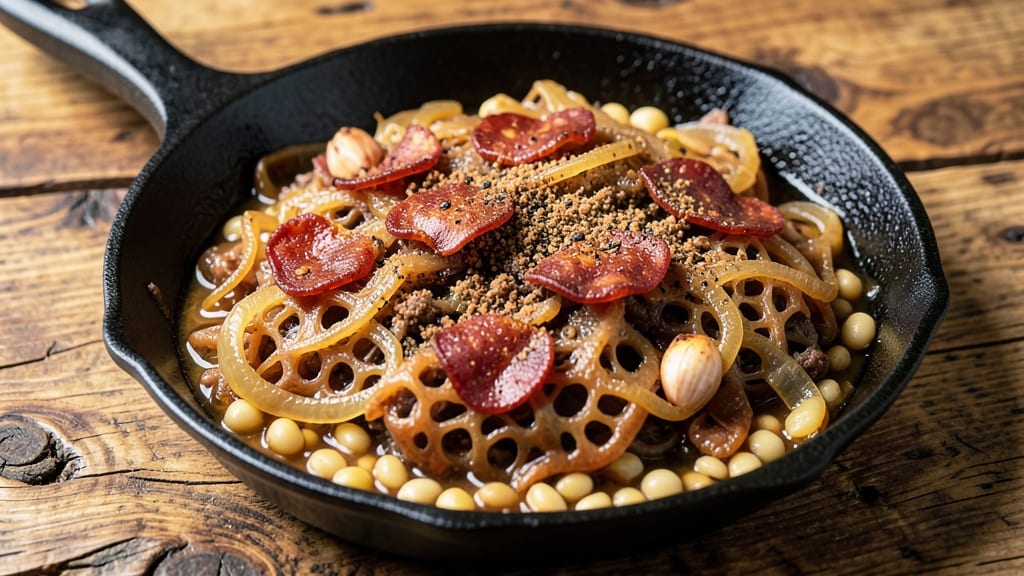
This beef tripe menudo recipe delivers the soul-soothing warmth of Mexico’s most beloved stew, where tender tripe transforms into melt-in-your-mouth comfort after hours of slow simmering.
The secret lies in layering spices—cumin, oregano, and bay leaves—while the tripe absorbs their earthy depth, creating a broth so rich it feels like a hug in a bowl. I’ve perfected this version over years of testing, balancing tradition with approachable techniques for home cooks.
The key to authentic menudo is patience: letting the tripe simmer until fork-tender while building flavor through caramelized onions and garlic. This isn’t a quick meal—it’s a 3-hour commitment that rewards you with a dish so deeply satisfying it becomes a family heirloom.
The result? A steaming bowl of spiced tripe, hominy, and chorizo, where every bite carries the warmth of Mexican home cooking.
What sets this recipe apart is the harmony of textures—tender tripe, chewy hominy, and crispy chorizo—all bathed in a broth that’s fragrant enough to fill your kitchen. Serve it with warm tortillas and lime wedges for the full experience, or pair it with rice for a heartier meal.
This is the kind of dish that turns ordinary weeknights into celebrations.
For those new to tripe, don’t let the ingredient intimidate you—this method breaks it down into silky, flavorful pieces that disappear into the broth. And yes, it’s worth the effort: the aroma alone will have everyone gathering at your table. Let’s make menudo the way it’s meant to be made.
Ingredients for beef tripe menudo
Sixteen ingredients, three hours of simmering, and a bowl of Mexican soul food.
| Ingredient | Amount | Notes |
|---|---|---|
| Beef Tripe (Honeycomb or Flanken) 🥩 | 3 lb | Cleaned, cut into 1-inch pieces |
| Yellow Hominy (Dried) 🌽 | 1 ½ cups | Soaked overnight, drained |
| Mexican Chorizo 🌭 | 1 lb | Fresh, sliced into rounds |
| Yellow Onions 🧅 | 2 whole | Thinly sliced, caramelized |
| Garlic Cloves 🧄 | 8 cloves | Peeled, smashed |
| Ground Cumin 🌿 | 2 tbsp | Toasted for depth |
| Dried Mexican Oregano 🍃 | 1 ½ tbsp | Not regular oregano |
| Bay Leaves 🌿 | 4 whole | Fresh or dried |
| Dried Guajillo Chiles 🌶️ | 4 whole | Stems/seeds removed |
| Beef Broth 💧 | 6 cups | Homemade or low-sodium |
| Apple Cider Vinegar 🍎 | ½ cup | For tenderizing tripe |
| Salt 🧂 | 2 tsp | Diamond Crystal preferred |
| Black Peppercorns 🌶️ | 1 tsp | Freshly cracked |
| Lime Wedges 🍋 | 4 whole | For serving |
| Flour Tortillas 🍞 | 8 whole | Warm, for serving |
The tripe is the heart of menudo, so don’t skimp. Honeycomb tripe gives the best texture—ask your butcher for it by name. If you're nervous about cleaning it yourself, pre-cleaned tripe from a Latin market is a game-changer. Soak it in cold water with vinegar for at least 2 hours before cooking to remove any lingering odors. For the hominy, El Mexicano brand is my go-to, but any dried hominy will work if soaked overnight. The chorizo? Fresh Mexican chorizo (not the cured Spanish kind) is non-negotiable—it adds that smoky, spiced richness that makes menudo unforgettable.
No Mexican oregano? Regular oregano plus a pinch of thyme gets you close, but trust me on the real stuff. Guajillo chiles too expensive? Ancho chiles work in a pinch, but guajillo gives that fruity depth. Short on time? 1 tablespoon of adobo sauce from a can of chipotles can mimic the smoky heat. The vinegar is crucial—it tenderizes the tripe while adding brightness. If you're using store-bought beef broth, reduce the salt since menudo already packs a salty punch from the chorizo and hominy. And for the love of all things holy, toast your cumin and spices in a dry pan before adding to the pot—it makes all the difference.
This dish tastes even better the next day, so make extra if you can. Store leftovers in the fridge for up to 5 days, or freeze for 3 months. The broth thickens as it cools, so add a splash of water when reheating. For serving, warm the tortillas on a dry skillet—just a few seconds each—and squeeze fresh lime over everything. The aroma alone will have your whole house gathering at the table.
Why You'll Love This Recipe
- One-Pot Magic: The tripe, hominy, and chorizo all simmer together—no extra pans, no fuss. Just slice the tripe, toss in the dried hominy (it rehydrates right in the pot), and let the garlic and onions work their flavor spell. I swear, I’ve made this while scrolling through my phone.
- Deep Umami Bomb: That honeycomb tripe? It’s like a meaty, chewy treasure chest—when braised right, it’s got this rich, almost funky depth that pairs perfectly with the smoky chorizo. The hominy soaks up all the flavor, turning it into a creamy, satisfying bite. (Yes, even my picky husband finishes his bowl.)
- Sunday Supper Star: This is the dish that turns casual Fridays into events—big enough for a crowd but still feels special. Serve it with warm tortillas, a cold beer, and a side of avocado, and suddenly you’re hosting. (Between us, it’s my go-to for birthdays and random “let’s celebrate nothing” days.)
- Budget Feast: Tripe is cheap, hominy lasts forever, and chorizo stretches like a superhero. I’ve fed six people for under $15 with this—plus, the leftovers? Even better the next day. Honestly, it’s the kind of meal that makes you feel like you’re feeding royalty without breaking the bank.
Step-by-step instructions for beef tripe menudo
Transform humble tripe into a hearty, aromatic stew that warms the soul and fills the house with irresistible fragrance.
Prepare and Parboil the Tripe
Begin by rinsing the 3 lb beef tripe thoroughly under cold water, then cut it into 1-inch pieces. This texture ensures even cooking and maximum tenderness. Place the tripe in a large pot and cover it completely with cold water. Add 0.5 cup apple cider vinegar and 2 tsp salt—this acidic touch helps tenderize the tripe while preventing any fishy odors from developing.
Bring the mixture to a boil over high heat, then immediately reduce to a gentle simmer. Let it cook uncovered for 45 minutes, stirring occasionally. You'll notice the tripe surface foam and rise—this is normal. After 45 minutes, drain the tripe and rinse it again under cold water to remove any remaining impurities. This step is crucial; it removes excess fat and prepares the tripe for the rich, flavorful simmer ahead.
Build the Aromatic Base
In the same pot, heat 2 tablespoons ground cumin and 1.5 tablespoons dried Mexican oregano over medium heat for 1 minute until fragrant. This toasting deepens their flavors and removes any raw taste. Add the 2 whole yellow onions, sliced thinly, and cook for 8-10 minutes until they soften and begin to caramelize—this should happen without browning. Stir in the 8 peeled garlic cloves, smashed, and cook for another 30 seconds until their aroma fills the kitchen.
Add the 4 whole dried guajillo chiles (stems and seeds removed) and 4 whole bay leaves. Pour in the 6 cups beef broth and bring the mixture to a gentle boil. The broth should now carry the rich, earthy notes of the spices and aromatics, setting the stage for the tripe's transformation. Let it simmer for 5 minutes to meld the flavors before adding the tripe back to the pot.
Slow-Simmer the Tripe
Return the drained tripe to the pot and add 1 lb Mexican chorizo, sliced into rounds. Stir gently to combine, then reduce the heat to low. The tripe needs 2.5 to 3 hours of undisturbed simmering to become fork-tender. The key here is patience—resist the urge to stir frequently, as this can break down the tripe too quickly. Instead, let it cook gently, allowing the flavors to penetrate deeply.
After 2 hours, check the tripe's tenderness by piercing a piece with a fork. If it slides in easily, it's ready. If not, continue simmering for another 30 minutes. The broth should reduce slightly, becoming thick and rich. If it looks too thin, simmer uncovered for an additional 15 minutes to concentrate the flavors. The chorizo will release its oils, creating a luscious, savory base that coats every bite.
Incorporate the Hominy and Finish
About 30 minutes before the tripe is fully tender, add the 1.5 cups soaked yellow hominy (drained) to the pot. The hominy should simmer gently, absorbing the deep, spiced broth. Stir in 1 tsp freshly cracked black peppercorns and adjust the seasoning with additional salt if needed. The hominy will soften and become slightly translucent, adding a satisfying texture contrast to the tender tripe.
Let the menudo simmer together for the final 15-20 minutes, ensuring the hominy is fully heated through. The dish should now be a harmonious blend of textures—tender tripe, firm hominy, and rich chorizo. Taste and balance the flavors; a squeeze of lime can brighten the dish just before serving. The aroma alone should make your mouth water, promising a bowl of comfort that's both nourishing and deeply satisfying.
Pro Tips For Making Beef Tripe Menudo
- BLANCH TRIPE FIRST: I learned this the hard way—skipping the blanching step means your tripe will fight you the whole time. Drop the raw honeycomb tripe into a pot of boiling water for 5 minutes, then shock it in ice water. This loosens the fibers and cuts the cooking time later by nearly half.
- SOAK HOMINY LONGER: That 4-hour soak time isn’t a suggestion—it’s non-negotiable for this recipe. Use 3 parts water to 1 part hominy, and if you’re short on time, swap in pre-cooked hominy from the canned aisle (just drain and rinse well). The texture difference is night and day.
- CRUMBLE CHORIZO COLD: I used to chop that Mexican chorizo straight from the fridge, and it’d turn into greasy paste. Instead, let it sit at room temp for 10 minutes first—it stays firmer and crisps up better when you fry it later. (Yes, even if you’re impatient like me.)
- DEGLAZE WITH BEER: That browned onion-chorizo crust at the bottom of your pot? Don’t scrape it into the trash—deglaze it with 1/2 cup of beer (or broth) right after removing the meat. It adds depth to the sauce and cuts through the richness of the tripe. (Your future self will notice.)
Regional styles of beef tripe menudo
Central Mexico Classic
In Mexico City and surrounding states like Hidalgo, menudo is the ultimate hangover cure and Sunday family tradition. The Central style relies on honeycomb tripe for its delicate texture and guajillo chiles for fruity depth.
I always use El Mexicano brand hominy here—it soaks perfectly and holds its shape. The dish is typically served with warm flour tortillas and a side of radishes for crunch. 🌶️
What makes this version special is the three-hour simmer—no shortcuts. The tripe becomes so tender it practically melts in your mouth, while the toasted cumin and Mexican oregano create that unmistakable earthy aroma.
Central Mexico menudo is also more likely to include chicharrón (pork rinds) as a garnish, adding a crispy contrast to the creamy broth.
Northern Texas Twist
Across the border in Texas, menudo gets a spicier, smokier makeover. Texan versions often swap guajillo chiles for ancho chiles and add smoked paprika to the spice blend. I’ve seen great success using Penzeys brand smoked paprika—just 1 teaspoon makes a world of difference.
The Texas style also incorporates ground beef alongside the tripe for extra heartiness. 🌭
Another key difference? Lime wedges aren’t just for serving—they’re squeezed directly into the pot at the end for brightness. Texan menudo is also more likely to be served with corn tortillas and a side of pickled jalapeños to cut through the richness.
The broth tends to be slightly thinner, reflecting the region’s love of bold, unapologetic flavors.
Oaxacan Comfort Style
In Oaxaca, menudo takes on a softer, more aromatic profile with influences from the region’s mole traditions. Oaxacan versions often include dried epazote (a fragrant herb) and hoja santa leaves for a citrusy note.
I like to add ½ teaspoon of ground epazote during the final 30 minutes of simmering—it’s subtle but adds a unique depth. 🌿
The Oaxacan approach also emphasizes slow-cooked chorizo—sometimes even chorizo colorado (red chorizo) for extra richness. The hominy is often lightly toasted in the broth before serving, giving it a nutty flavor.
This style pairs beautifully with tortillas de maíz (blue corn tortillas) and a side of avocado slices for creaminess.
Modern Urban Adaptations
In Mexico City’s modern restaurants, you’ll find fusion menudo that surprises and delights. One of my favorites adds shitake mushrooms for umami depth and quinoa instead of hominy for a protein boost. The broth often gets a touch of soy sauce (just 1 tablespoon) for complexity.
This version works beautifully as a weeknight meal prep dish—it reheats well and keeps for 5 days in the fridge. ✨
For a vegetarian twist, swap the tripe for portobello mushrooms and use vegetable broth. The mushrooms absorb the spices just like tripe, creating a satisfying texture.
I’ve also seen versions with jackfruit—it mimics the shredded texture of meat beautifully. These adaptations prove menudo’s versatility while keeping its soul intact.
Nutrition facts
Frequently asked questions
Why does menudo need such a long cooking time?
Menudo’s 3-hour simmer is essential to transform tough tripe into melt-in-your-mouth perfection. The slow cooking breaks down collagen and connective tissue, creating a rich, gelatinous broth that coats every bite. Patience pays off—rushing this step results in chewy tripe and weak flavor. Think of it like braising beef short ribs, but with Mexican spices!
Can I substitute regular oregano for Mexican oregano?
While you can use regular oregano in a pinch, it won’t capture menudo’s authentic earthy depth. Mexican oregano has a complex flavor with hints of citrus and pepper. For the best results, combine 1 tbsp regular oregano with ½ tsp thyme—it’s not identical, but closer. If you’re near a Latin market, grab the real stuff—it’s worth the trip!
What’s the best way to store leftover menudo?
Store leftovers in an airtight container in the fridge for up to 5 days or freeze for 3 months. The broth thickens as it cools, so add a splash of water when reheating. For serving, warm gently on the stove—never microwave, or the hominy turns mushy. The flavors actually improve overnight!
How do I make menudo vegetarian?
Swap the tripe for portobello mushrooms (sliced thick) or jackfruit (shredded for texture). Use vegetable broth and add 1 tbsp soy sauce for umami depth. The mushrooms absorb the spices beautifully, mimicking tripe’s tender quality. Just simmer 1.5 hours instead of 3—they cook faster!
Why does my menudo taste too salty?
Menudo packs salt from chorizo, hominy, and broth—easy to overdo! Taste as you go and adjust early. If it’s too salty later, dilute with ½ cup warm water or add 1 cup chopped tomatoes (acid balances salt). The vinegar in the recipe also helps control saltiness. Always use low-sodium broth to start!