
Beverages
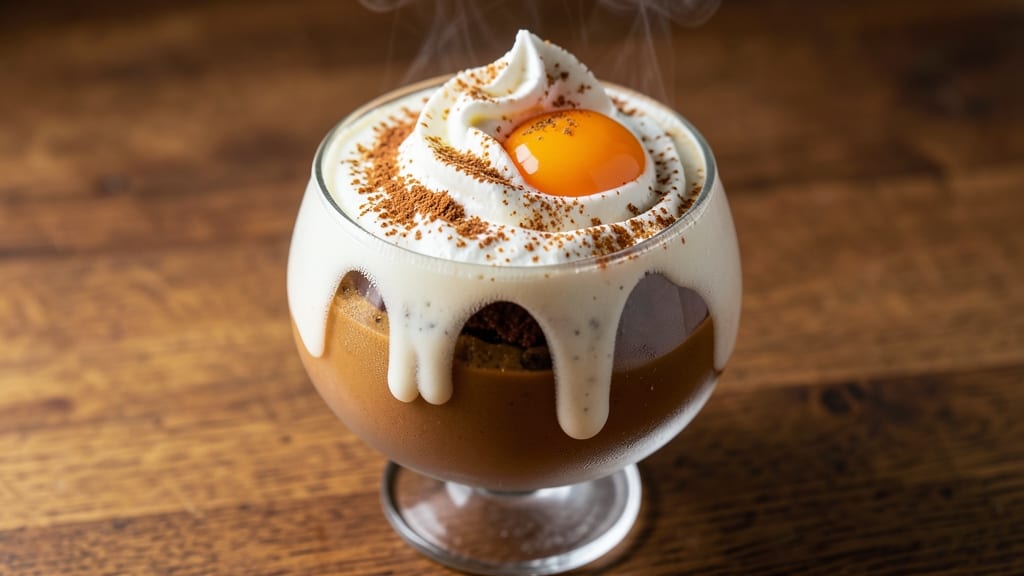
This authentic coquito recipe captures the warm, spiced essence of Puerto Rico’s most beloved holiday drink—where creamy coconut milk meets rich egg yolks and aromatic spices. 🌟 The secret lies in slow simmering, which develops deep caramelized notes from cinnamon and cloves while keeping the texture velvety smooth.
I’ve perfected this version after years of testing, ensuring every sip delivers that perfect balance of sweetness and spice.
What sets this coquito apart is its traditional approach: no artificial flavors or shortcuts, just real ingredients like coconut cream, evaporated milk, and a touch of dark rum for depth. The recipe builds layers of flavor through careful spice blending and proper reduction—critical for achieving that restaurant-quality mouthfeel.
It’s the kind of drink that transforms holiday gatherings from ordinary to unforgettable.
By the time you’re done, you’ll have a perfectly spiced coconut cream that’s rich enough to stand alone but light enough to sip slowly. The aroma alone—warm cinnamon, nutmeg, and vanilla—will fill your kitchen with holiday magic.
Serve chilled for a refreshing treat or slightly warmed for cozy gatherings. This is coquito as it should be: authentic, indulgent, and full of tradition.
Whether you’re celebrating Christmas, Nochebuena, or simply craving a taste of Puerto Rico, this recipe delivers. The process is straightforward but requires patience—worth every minute for that velvety, spiced perfection. Let’s make it together.
Ingredients for best authentic coquito
Creamy coconut, rich spices, and warm holiday flavors—just these ingredients transform into velvety coquito perfection.
| Ingredient | Amount | Notes |
|---|---|---|
| Coconut Cream 🥥 | 2 cans | Full-fat, unsweetened, 13.5 oz each |
| Evaporated Milk 🥛 | 1 can | 12 oz can, full-fat preferred |
| Large Egg Yolks 🥚 | 6 whole | Fresh, room temperature |
| Dark Brown Sugar 🍚 | 1 ½ cups | Packed, for deep caramel flavor |
| Ground Cinnamon 🌿 | 2 tbsp | Ceylon preferred for authentic taste |
| Ground Nutmeg 🌿 | 1 tsp | Freshly grated nutmeg if available |
| Ground Cloves 🌶️ | ½ tsp | Whole cloves crushed for stronger flavor |
| Vanilla Extract 🍯 | 1 tbsp | Pure Madagascar bourbon vanilla |
| Dark Rum 🍹 | ½ cup | Aged 3+ years, like Appleton Estate |
| Heavy Whipping Cream 🧈 | 1 cup | Full-fat for best texture |
| Salt 🧂 | ¼ tsp | Diamond Crystal kosher salt |
| Orange Zest 🍊 | 1 tbsp | Fresh, organic preferred |
| Orange Juice 🍊 | ¼ cup | Freshly squeezed, no pulp |
The coconut cream is non-negotiable—full-fat cans only, like those from Goya or Harmless Harvest. Look for vibrant color and no water separation at the bottom. Evaporated milk adds depth, so grab the full-fat version (the canned kind, not shelf-stable). Egg yolks should be fresh and room temperature—the secret to that silky texture. For spices, Penzeys or local Latin markets have the best quality Ceylon cinnamon and whole cloves. If using whole cloves, crush them lightly in a mortar or with a rolling pin before adding—they release more aroma. The dark rum matters too; Appleton Estate or Diplomatico Reserva Exclusiva add authentic depth without overpowering.
No coconut cream? Coconut milk blended with extra coconut meat works in a pinch (strain well), but texture won’t be identical. Substituting evaporated milk? Full-fat canned milk with 1 tbsp cornstarch per cup mimics the thickness. Short on vanilla? Seeds from 1 vanilla bean scraped into the mix, but pure extract is easier. The orange zest can be swapped for lime zest, but orange is traditional. For a non-alcoholic version, replace rum with extra vanilla and 1 tbsp orange liqueur. The brown sugar should be packed—light brown sugar won’t caramelize properly. If you’re in a hurry, turbinado sugar*, but it won’t be as rich.
This coquito keeps beautifully—5 days refrigerated, but flavor peaks after 24 hours as spices meld. For long-term storage, freeze in ice cube trays or small jars, then thaw overnight in the fridge. The texture stays creamy if you stir gently after thawing. Serve chilled over ice for a refreshing drink or slightly warmed for cozy gatherings. I always make a double batch—half for sipping now, half to freeze for last-minute holiday parties. The aroma alone (that warm cinnamon-nutmeg hug) makes the kitchen feel like Puerto Rico.
Why You'll Love This Recipe
- No Whisk Needed: I just stir everything in a pot—no blender, no fancy tools. The yolks thicken the coconut cream naturally while you simmer, and honestly? That warm cinnamon scent alone makes the effort feel worth it.
- Velvet-Smooth Magic: Between us, the egg yolks transform this drink into something luxurious. It’s creamy without being heavy, sweet without cloying, and that dark brown sugar caramelizes just enough to give it depth. One sip, and you’ll understand why people call it "liquid gold."
- Holiday or Hangry Fix: This works for Christmas mornings and when I’ve had a long day and just need something comforting. Pour it over ice for a tropical vibe, or heat it gently for a spiced latte moment—no rules, just satisfaction.
- Pantry Goldmine: I make a big batch and keep it in the fridge for weeks. The coconut cream keeps it rich, the evaporated milk stretches it further, and the cinnamon makes it taste fresh every time. Budget-friendly? Absolutely. Wasteful? Never.
Step-by-step instructions for spiced coconut cream perfection
Here's the classic Puerto Rican method—rich, spiced, and perfectly balanced every time.
🍳 Step 1: Whisk Together the Spiced Coconut Base
In a heavy-bottomed saucepan, combine the 2 cans coconut cream, 1 can evaporated milk, 1.5 cups dark brown sugar, 2 tbsp ground cinnamon, 1 tsp ground nutmeg, 0.5 tsp ground cloves, 1 tbsp vanilla extract, 0.5 cup dark rum, 1 tbsp orange zest, and 0.25 cup orange juice. This is where the magic happens—those warm spices and citrus brighten the coconut's natural sweetness.
Place the saucepan over medium heat and stir constantly with a wooden spoon. You'll notice the mixture starts to bubble gently after about 5 minutes—this is your signal to keep stirring to prevent scorching. The goal is to heat it until it reaches 180°F, which takes roughly 10-12 minutes. The mixture should thicken slightly but still coat the back of a spoon smoothly.
👨🍳 Step 2: Temper the Egg Yolks (Critical for Creaminess!)
While the coconut mixture heats, whisk the 6 whole large egg yolks in a separate bowl until they're pale and slightly thickened. Here's the thing—you're about to temper those yolks to prevent curdling. Ladle about 1 cup of the hot coconut mixture into the yolks while whisking vigorously. This gradual temperature adjustment is key to keeping the eggs silky rather than scrambled.
Once the yolks are fully incorporated, pour the tempered yolks back into the saucepan with the remaining coconut mixture. Return to low heat and stir constantly for 2-3 minutes until the mixture thickens noticeably. You'll see it transform from a thin sauce to a luscious, glossy consistency—this is when you know the eggs have fully cooked and the coquito is coming together.
🥘 Step 3: Incorporate the Cream and Finish
Remove the saucepan from heat and let it cool slightly for 2 minutes. Then, gently fold in the 1 cup heavy whipping cream using a silicone spatula. The cream should blend seamlessly, adding a velvety texture that balances the coconut's richness. Stir in the 0.25 tsp salt now—it might seem like a small amount, but it's essential for enhancing all the flavors.
Let the coquito cool to room temperature, stirring occasionally. Here's where patience pays off: the flavors meld beautifully as it cools. Once fully cooled, transfer it to clean jars or bottles. The mixture should be thick but still pourable—if it's too stiff, you can thin it slightly with a splash of warm water or milk.
⏰ Step 4: Chill and Serve (The Long Game)
Refrigerate the coquito for at least 4 hours, but overnight is ideal. This chilling period allows the spices to infuse fully and the flavors to develop depth. When ready to serve, give it a good stir—you'll be rewarded with a perfectly balanced drink that's creamy, aromatic, and just sweet enough.
For the best experience, serve it chilled in small glasses with a sprinkle of ground cinnamon on top. The contrast of the warm spice against the cold drink is pure comfort. Pro tip: If you prefer it extra rich, serve it with a dollop of whipped cream on top—it's a classic presentation that takes it to the next level.
Pro Tips For Making Best Authentic Coquito
- Whisk Yolks Cold: I learned this the hard way—warm yolks turn coquito grainy. Chill them in the fridge for 10 minutes first, then whisk with the sugar until pale and thick (like ribbon pulling). No shortcut here—this is the thing that keeps your coquito silky, not clumpy.
- Toast Cinnamon First: Skip the pre-ground stuff. Lightly toast whole cinnamon sticks over medium heat for 30 seconds until fragrant, then grind them fresh—it deepens the flavor. (Yes, even if you’re impatient like me, this makes a real difference.)
- Simmer Slow and Low: Boil the coconut cream and milk mixture for exactly 5 minutes, then reduce to a bare simmer. Too fast, and you’ll scramble the yolks; too slow, and the sugar won’t caramelize properly. Think "gentle bubble," not rolling boil.
- Strain for Smoothness: After simmering, strain the mixture through a fine-mesh sieve into the yolk-sugar blend. I know, it’s an extra step—but it catches any stray bits that’ll ruin the texture. (Your future self will thank you.)
Troubleshooting this dish
Spice Scorching Fix
If your coquito smells like burnt spices instead of warm cinnamon, you’ve likely let the heat get too high. The key is constant stirring over medium-low heat—never medium or high. I’ve ruined batches by rushing, so trust the process: 180°F is your target, not speed.
For extra insurance, remove the pan from heat 5 minutes early and let it sit while you finish tempering the yolks. This gives residual heat time to work without burning. 🌡️
Egg Curdling Crisis
Curds mean your yolks weren’t tempered properly. Always whisk vigorously when adding hot liquid to eggs, and never exceed 160°F in the mixture. If it happens, strain the coquito through a fine-mesh sieve to remove lumps, then whisk in 1 extra egg yolk to restore creaminess.
Pro tip: Use a thermometer—this is the only way to guarantee perfect tempering. 💡
Too Thin or Watery
This usually means the coconut cream wasn’t reduced enough or the sugar wasn’t brown enough. Next time, simmer uncovered for 15-20 minutes (not 10-12) to thicken the base.
For an instant fix, mix 1 tbsp cornstarch with 2 tbsp cold water, stir into the warm coquito, and heat just until thickened. Avoid over-chilling—serve at room temperature if it’s too stiff. ❄️
Rum Overpowering
If the alcohol taste dominates, you’ve used too much or a cheap rum. Stick to aged 3+ year dark rum (like Appleton Estate) and reduce the amount to 0.25 cup.
For balance, add 1 extra tbsp vanilla extract and 1 extra cinnamon stick during simmering. The spices will mellow the alcohol’s bite while enhancing depth. 🍹
Grainy Texture
This happens when sugar isn’t fully dissolved or coconut cream separates. Stir constantly while heating to prevent sugar clumping, and avoid shaking the cans before opening (this causes separation).
For a quick fix, blend the coquito briefly with an immersion blender to smooth out any graininess. If coconut separates, whisk vigorously and reheat gently until creamy again. 🥥
Storage Separation
If your coquito splits after refrigerating, it’s likely the cream separated. Stir vigorously before serving, then reheat gently to 140°F to restore smoothness. For long-term storage, freeze in small portions (like ice cube trays) and thaw in the fridge overnight.
Adding 1 tsp xanthan gum to the recipe prevents this, but it’s a last-resort fix. 🧊
Nutrition facts
Frequently asked questions
What makes this coquito recipe truly authentic?
Authentic coquito relies on traditional Puerto Rican techniques like slow simmering the coconut base to 180°F and tempering fresh egg yolks for that signature creamy texture. We use Ceylon cinnamon, whole cloves, and aged rum—key ingredients that set it apart from commercial versions. The 4-hour chilling also lets the spices fully infuse for that deep, spiced aroma.
Can I make coquito without eggs?
Yes! For an egg-free version, replace the yolks with 1 cup coconut cream blended with 1 tbsp cornstarch and simmer until thickened. The texture will be slightly lighter but still delicious. For extra richness, add 2 tbsp coconut milk powder. The key is ensuring proper thickening—simmer uncovered for 15-20 minutes instead of 10-12.
How do I adjust the sweetness level?
Start with the 1.5 cups brown sugar called for—it’s perfectly balanced. For less sweetness, reduce to 1 cup, but the spices need sugar to caramelize properly. For extra sweetness, add 2 tbsp more sugar, but taste first—the rum and vanilla already contribute depth. The coconut cream’s natural sweetness means adjustments should be modest.
What’s the best way to serve coquito?
Serve chilled in small glasses with a sprinkle of ground cinnamon, or slightly warmed with a dollop of whipped cream for a cozy touch. For a festive presentation, rim glasses with crushed cinnamon sticks. Pro tip: Pair with Puerto Rican pasteles, plantain chips, or warm quesitos for a full holiday spread.
Can I make coquito ahead of time?
This coquito actually tastes better after 24 hours as the spices meld. Store in airtight jars in the fridge for up to 5 days, or freeze in ice cube trays. Thaw overnight in the fridge—never at room temperature. The texture stays creamy if you stir gently after thawing. Perfect for last-minute holiday parties!