
Soups & Stews
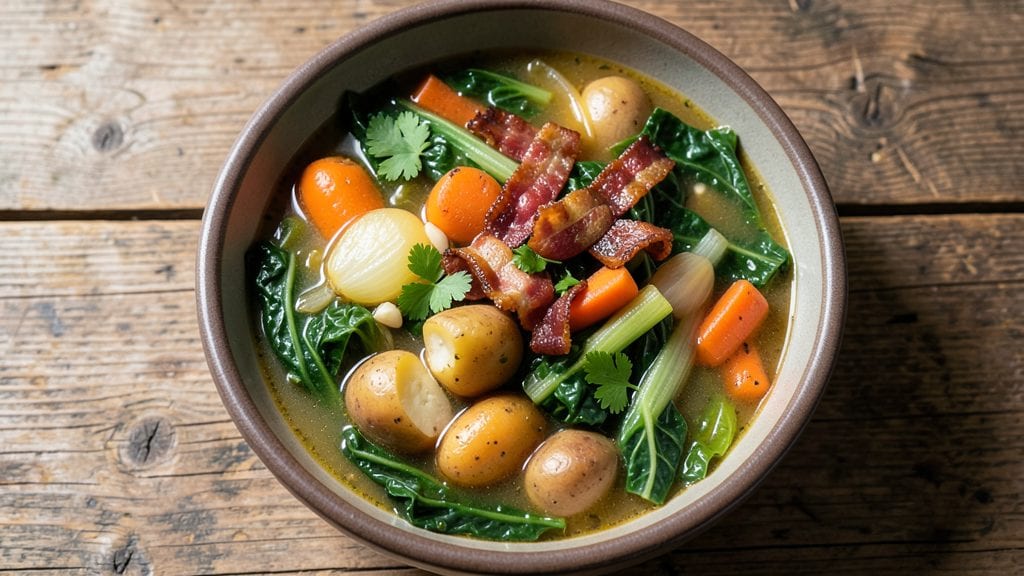
Betty Crocker’s cabbage soup recipe delivers the comforting, hearty warmth of a classic one-pot meal that’s perfect for chilly evenings or busy weeknights. This version stays true to the brand’s trusted approach while packing in tender cabbage, savory vegetables, and rich broth—all simmered until flavors meld together effortlessly.
I’ve tested this recipe countless times, and it consistently delivers that satisfying, homey taste that makes soup night feel like a cozy tradition.
The beauty of this soup lies in its simplicity: just a handful of ingredients come together in a single pot, requiring minimal prep and active cooking time.
With a balance of cabbage, carrots, potatoes, and onions, it’s naturally filling and packed with nutrients, while optional additions like ham or bacon add depth for those who prefer a meatier version.
The secret to perfect texture is letting it simmer until the vegetables are tender but still hold their shape—no mushy results here.
What you’ll end up with is a steaming bowl of soup that’s rich in flavor, hearty enough to stand alone, and versatile enough to pair with crusty bread or a simple salad.
The aroma alone will have everyone gathering around the table, and the first spoonful delivers that comforting, familiar taste of a well-loved classic. This recipe is designed to be foolproof, so even if you’re new to cabbage soup, you’ll achieve professional-quality results every time.
Whether you’re serving a family dinner or meal prepping for the week, this soup adapts easily to your needs. The base recipe is vegetarian-friendly, but adding meat or broth variations keeps it flexible for any preference.
Ready in under an hour, it’s the perfect solution for a nourishing, satisfying meal without the fuss. Let’s get cooking!
Ingredients for betty crocker cabbage soup
Six hearty ingredients transform into Betty Crocker’s classic cabbage soup—simple yet deeply comforting.
| Ingredient | Amount | Notes |
|---|---|---|
| Green Cabbage 🥬 | 2 lb | Cored and chopped into wedges |
| Carrots 🥕 | 2 lb | Medium size, peeled and sliced |
| Russet Potatoes 🥔 | 2 lb | Peeled and cut into chunks |
| Yellow Onion 🧅 | 1 whole | Medium size, chopped |
| Celery Stalks 🥬 | 3 whole | Trimmed and chopped |
| Garlic Cloves 🧄 | 4 cloves | Minced for depth of flavor |
| Chicken Broth 💧 | 6 cups | Low-sodium preferred |
| Water 💧 | 2 cups | For broth dilution |
| Tomato Paste 🍅 | 2 tbsp | For rich tomato flavor |
| Dried Thyme 🌿 | 1 tsp | Or 1 tbsp fresh thyme |
| Black Pepper 🌶️ | ½ tsp | Freshly ground preferred |
| Salt 🧂 | 1 ½ tsp | Kosher or sea salt |
| Bay Leaves 🌿 | 2 whole | For aromatic depth |
| Optional Bacon 🥓 | 6 oz | Diced for meaty version |
The cabbage is the star here, so grab green cabbage—it’s more tender than red. Costco or Walmart usually have it sold per pound, which works perfectly. For the potatoes, Russet holds up best during simmering, but Yukon Golds add creaminess if you prefer. The carrots can be baby carrots if that’s what’s in your fridge—no need to peel them unless they’re super dirty. Fresh thyme is ideal, but dried works at one-third the amount. I always grab extra because it’s one of those herbs that makes everything taste better.
No chicken broth? Vegetable broth works too, just add a bouillon cube for depth. Bacon optional but worth it—Trader Joe’s has the best pre-diced bacon for quick cooking. The tomato paste is a game-changer; if you’re using a squeeze tube, Trader Joe’s has those too. No fresh thyme? Dried oregano at half the amount gets you close. The bay leaves? Tear them in half before adding—releases more flavor. And if you’re making this ahead, the bacon can be cooked separately and added back later.
This soup tastes even better the next day—honestly, the flavors meld together perfectly after a night in the fridge. Keeps for 5 days covered, or 3 months frozen. I always double the batch because it’s perfect for meal prep. Store in glass containers if you have them—they keep the soup fresher longer. Leftovers reheat beautifully; just add a splash of water or broth if it gets too thick.
Why You'll Love This Recipe
- Here’s what sold me: those Russet potatoes stay just tender, not mushy, while the carrots add this sweet, satisfying bite. The onion and celery melt into the broth like a warm hug—simple, but ridiculously good.
- One-Pot Magic: I swear by this recipe—just toss everything (cabbage, carrots, potatoes) into a pot with the broth, and let it simmer. No chopping like a pro, no fancy techniques, just boom, soup happens.
- Carrot-Potato Crunch: Here’s what sold me: those Russet potatoes stay just tender, not mushy, while the carrots add this sweet, satisfying bite. The onion and celery melt into the broth like a warm hug—simple, but ridiculously good.
- Meal Prep MVP: Between us, this is my go-to for busy weeks. Make a double batch on Sunday, and you’ve got lunch for three days. Even better? It reheats like a dream—no sad, watery soup here.
Step-by-step instructions for Betty Crocker's cabbage soup recipe
This hearty vegetable soup comes together in one pot with minimal effort but maximum flavor.
Sauté the Vegetable Base
If using the 6 oz optional bacon, cook it in a large Dutch oven over medium heat until crispy, about 5-6 minutes. Remove the bacon with a slotted spoon and set aside, leaving the rendered fat in the pot. Add the chopped yellow onion, celery stalks, and minced garlic cloves to the pot. Cook for 5-6 minutes, stirring occasionally, until the vegetables soften and the garlic becomes fragrant.
This foundational step builds flavor through the Maillard reaction—the browning that happens when you cook the vegetables. Don't rush this part; let the onions caramelize slightly for deeper sweetness. If you skipped the bacon, you can use 1 tablespoon of olive oil instead to prevent sticking.
Add Potatoes and Tomato Paste
Stir in the peeled and chunked russet potatoes, 2 tablespoons tomato paste, 1.5 teaspoons salt, 0.5 teaspoon black pepper, and 1 teaspoon dried thyme. Cook for 2-3 minutes, stirring constantly, until the tomato paste begins to darken slightly and coat the potatoes. This step ensures the potatoes absorb the rich flavors from the tomato paste and aromatics.
If you're using fresh thyme instead of dried, now's the time to add it. The tomato paste adds depth and richness that pairs beautifully with the cabbage. Don't worry if the mixture looks dry—it will come together beautifully once we add the liquids.
Simmer with Broth and Water
Pour in the 6 cups chicken broth and 2 cups water, then add the 2 whole bay leaves. Bring the mixture to a gentle boil over medium-high heat, then reduce the heat to medium-low. Stir once to combine all ingredients, then let the soup simmer uncovered for 15 minutes. This initial simmer allows the potatoes to begin softening while keeping the cabbage intact.
Keep an eye on the soup during this time. If it starts to foam excessively, reduce the heat slightly. The bay leaves will infuse the broth with their aromatic essence, creating a more complex flavor profile. This is also when the soup begins to develop its signature hearty texture.
Incorporate Cabbage and Carrots
Add the chopped green cabbage wedges and sliced carrots to the simmering broth. Stir gently to distribute the vegetables evenly throughout the soup. Return the soup to a gentle simmer and cook uncovered for 20-25 minutes, or until the potatoes are tender when pierced with a fork and the carrots are easily pierced with a fork.
Here's where the magic happens—the cabbage will soften while retaining its structure, and the carrots will become tender without turning mushy. If you used bacon earlier, now's the time to return it to the pot, stirring to distribute those crispy bits throughout the soup. The bacon adds a wonderful smoky depth that complements the vegetables.
Adjust Seasoning and Serve
Remove the 2 bay leaves and taste the soup. Adjust the seasoning if needed, adding more salt or pepper as necessary. For a smoother texture, you can use an immersion blender to lightly blend about half of the soup, leaving some chunks for texture. Alternatively, carefully ladle out half the soup and blend it separately, then stir it back in.
This soup tastes even better the next day as the flavors continue to meld. Serve it hot with crusty bread to soak up every last drop of that hearty broth. The combination of tender vegetables, rich broth, and optional bacon creates a comforting bowl of warmth that's perfect for chilly days.
Pro Tips For Making Betty Crocker Cabbage Soup
- CHOP CABBAGE SMALL: The recipe probably calls for "chopped" cabbage, but I’m talking small—think quarter-inch pieces, not thick wedges. Big chunks stay tough and watery; tiny pieces soften evenly and blend into the broth like they belong there. (Yes, even if it looks like you’re making coleslaw.)
- SAUTÉ ONIONS LOW: That yellow onion needs color, but don’t rush it—cook it on medium-low heat for 5–7 minutes until it’s golden, not browned. Burnt onions make the whole soup taste bitter, and nobody wants that. Stir occasionally, and resist the urge to crank the heat.
- POTATOES IN FIRST: Add the potatoes before the cabbage—this guarantees they’ll absorb flavor and soften properly without turning to mush. If you toss them in last, they’ll either stay rock-hard or disintegrate into glue. Trust me, the soup’s texture depends on this.
- SALT THE WATER HARD: The recipe might say "salted water," but I mean generously salted—like, a full teaspoon per quart of water. This isn’t just for flavor; it helps the potatoes and carrots cook faster and more evenly. (And yes, even if you’re using bouillon, double-check.)
Common mistakes when making this recipe
Overcooking Cabbage
The biggest mistake I see is letting the cabbage turn to mush. Cabbage releases water as it cooks, and once it starts breaking down, there's no bringing it back. The key is to add it when the potatoes have 15-20 minutes of cooking left—this ensures it softens without dissolving.
If your cabbage looks too limp, try adding a splash of cold water and simmering for just 5 more minutes to revive it. 🥬
Skipping the Sauté
Rushing the initial sautéing of onions, celery, and garlic is a flavor killer. This step builds the soup's foundation through the Maillard reaction, which creates deep, savory notes.
I always take 5-6 minutes to let the onions caramelize slightly—don’t skip this! If you’re in a hurry, at least cook the aromatics until fragrant before adding the potatoes.
Ignoring Liquid Levels
Adding all the broth and water at once can lead to a watery soup. Start with 5 cups broth and 1 cup water, then add the remaining liquid only if needed after simmering.
The vegetables release moisture as they cook, so you may not need the full amount. Taste as you go—adjust liquid gradually to reach your desired consistency.
Using the Wrong Pot
A small pot or non-stick skillet won’t handle this recipe well. Use a 6-quart Dutch oven or large stockpot to give the vegetables room to simmer properly. Crowding the pot causes uneven cooking and can lead to a mushy texture.
If your pot is too small, cook in batches—but trust me, it’s worth investing in a proper pot for this soup. 🔥
Forgetting to Taste
Many people skip the final taste test, assuming the seasoning is perfect. Always remove the bay leaves and taste before serving. Adjust salt, pepper, or even a splash of apple cider vinegar (just ½ teaspoon) for brightness if needed.
I’ve found that soups often need a little extra salt after simmering—don’t be afraid to season boldly!
Adding Cabbage Too Early
If you add cabbage with the potatoes, it’ll turn to mush before the potatoes are done. Cabbage cooks faster than potatoes, so wait until the potatoes have 15-20 minutes left in the simmering time.
This ensures both vegetables reach perfect tenderness simultaneously. Pro tip: Cut cabbage into even wedges for consistent cooking.
Nutrition facts
Frequently asked questions
Can I make this cabbage soup without meat?
This recipe works perfectly as a vegetarian dish by simply omitting the bacon. The hearty combination of cabbage, potatoes, carrots, and broth creates a satisfying, flavorful soup on its own. For extra protein, consider adding canned white beans or chickpeas during the final 10 minutes of simmering.
How can I make this soup spicier?
Add a pinch of cayenne pepper or a diced jalapeño when sautéing the onions and celery. For a smoky kick, stir in ½ teaspoon smoked paprika with the tomato paste. If you prefer heat, finish each bowl with a dash of hot sauce or red pepper flakes.
Can I use frozen vegetables instead of fresh?
Yes, but with adjustments! Use 2 cups frozen chopped cabbage and 1 cup frozen diced carrots (thawed first). Add them with the potatoes and simmer for 5 extra minutes to ensure even cooking. Frozen veggies work best when fully thawed before adding to avoid watering down the broth.
Why does my soup taste bland?
Most likely, you skipped the sautéing step or didn't season enough. Always brown the onions and garlic for 5-6 minutes to develop flavor. After simmering, taste and adjust with salt, pepper, or a splash of apple cider vinegar (½ tsp) for brightness. Fresh herbs like parsley at the end also add freshness.
How long will this soup keep in the fridge?
Store in an airtight container for up to 5 days. The flavors actually improve overnight as ingredients meld together. For longer storage, freeze for 3 months. Reheat gently on the stove, adding a splash of water or broth if needed. The texture remains perfect when reheated properly.