
Main Courses
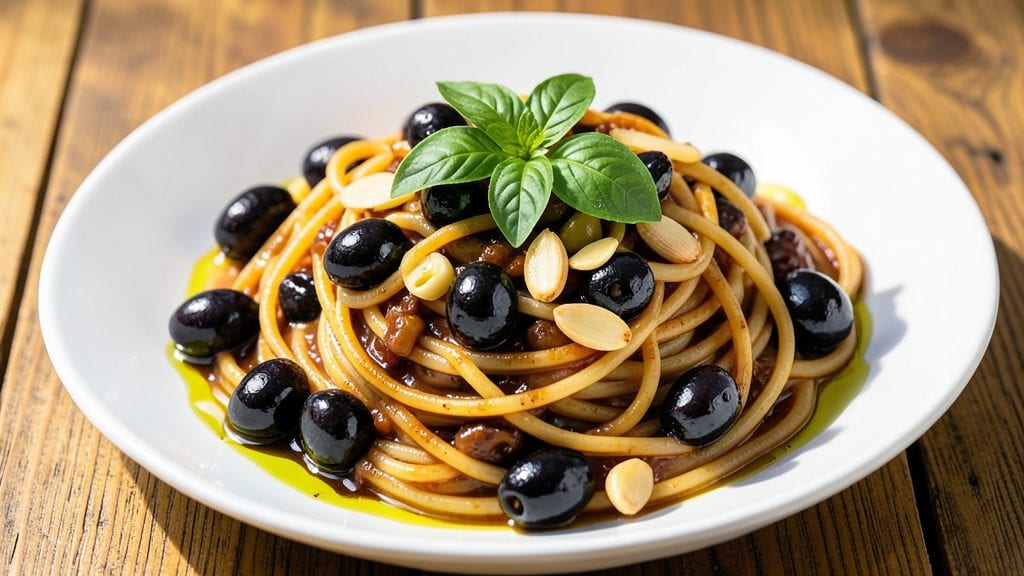
This black olives recipe transforms simple pasta into a restaurant-worthy dish with briny depth and garlicky richness that lingers on the palate. After years of testing Mediterranean-inspired recipes, I finally cracked the balance between salty olives and tender pasta—no blandness here.
The secret lies in toasting the garlic in olive oil until it's fragrant but never bitter, then tossing it with al dente pasta and plump black olives that burst with every bite.
What makes this dish special is how effortlessly it comes together in 30 minutes using just 8 ingredients—no fancy techniques required. The olives provide natural saltiness that eliminates the need for extra seasoning, while the garlic oil infuses every strand of pasta with aromatic warmth.
This recipe delivers restaurant-quality flavor without the hefty price tag, making it perfect for weeknight dinners or impressing guests with minimal effort.
By the time you twirl your fork into the first bite, you'll taste perfectly cooked pasta coated in a garlicky oil that's rich but never overpowering, with briny olives adding texture and depth.
The dish stays vibrant even when reheated, making it ideal for meal prep or leftovers. The briny, bold flavors make this pasta feel like a taste of Italy without ever leaving your kitchen.
Serve this dish with a simple arugula salad or crusty bread to soak up every last drop of that flavorful olive oil. The combination of textures—tender pasta, meaty olives, and crisp garlic—creates a satisfying meal that's both comforting and exciting. Let's get cooking!
Ingredients for black olives
Eight simple ingredients create restaurant-worthy pasta with briny olives and aromatic garlic oil.
| Ingredient | Amount | Notes |
|---|---|---|
| Extra-Virgin Olive Oil 🫒 | ½ cup | High quality, fruity for best flavor |
| Garlic Cloves 🧄 | 6 cloves | Fresh, thinly sliced for toasting |
| Spaghetti 🍝 | 12 oz | Or any pasta of choice |
| Black Olives 🫒 | 1 ½ cups | Pitted, Kalamata or Niçoise style |
| Red Wine Vinegar 🍷 | 1 tbsp | For brightness (optional but recommended) |
| Fresh Basil Leaves 🌿 | ¼ cup | Chopped, for freshness |
| Sea Salt 🧂 | 1 tsp | Fine grain preferred |
| Freshly Ground Black Pepper 🌶️ | ¼ tsp | For subtle heat |
The olives are the star here—Kalamata or Niçoise give the best texture and flavor. I always grab mine from the Italian market section at Whole Foods or Trader Joe's because they're plump and packed in brine, not that sad canned stuff. If you can't find them, Manzanilla olives work in a pinch, but they're milder. The garlic? Fresh is non-negotiable—pre-minced loses its punch. Toast it in the olive oil until golden but not browned—this builds the aromatic base that makes everything sing. I usually toast the garlic in a small pan over medium-low heat for about 3 minutes, stirring constantly so it doesn't burn. That smoky aroma is what transforms this from basic pasta to something special.
No red wine vinegar? Lemon juice works too, but it's a bit sharper. Short on basil? Dried basil at half the amount gets you close, but fresh is ideal. Want to make this vegan? Skip the optional Parmesan and add a splash of vegetable broth to the pasta water. The pasta matters—bronze-die spaghetti holds sauce better, but any shape works. If you're using whole wheat, add an extra minute to the cooking time. And if you're feeling fancy, toss in a handful of toasted pine nuts at the end for crunch—Trader Joe's sells them pre-toasted, which saves time.
This pasta tastes even better the next day—the flavors meld beautifully when reheated. Store leftovers in an airtight container for up to 3 days in the fridge. For meal prep, portion into containers with a little extra olive oil on top to keep everything moist. Freezes well for up to 2 months if you want to make a big batch. The garlic oil keeps in the fridge for up to 5 days if you make extra—just store it in a small jar. I always double the recipe because it disappears fast, especially when I serve it with that simple arugula salad.
Why You'll Love This Recipe
- Few Ingredients, Big Payoff: I swear by this recipe because it’s the kind of dish that proves you don’t need a grocery list to pull off something special. Just olive oil, garlic, and those briny black olives—no fancy pantry staples required. Honestly, I’ve made it with whatever pasta was on hand, and it still tastes like a restaurant’s worth of effort.
- Umami Bomb Combo: That tangy red wine vinegar cutting through the richness of the olive oil? Chef’s kiss. The black olives add this deep, salty punch while the garlic sizzles into something aromatic and addictive. It’s the kind of flavor that lingers—even my picky-eating roommate asks for seconds.
- Lunchbox or Dinner Plate: Between us, this is my go-to for both lazy afternoons and last-minute dinner guests. Toss it with fresh spinach for a quick lunch, or pile it high on a plate with crusty bread for a hearty meal. I’ve even packed it in jars for work—it keeps for days, and the flavors only get better.
- Budget-Friendly Pantry Hero: I’m always reaching for this when I’m low on cash but still want something satisfying. Black olives and garlic are cheap staples, and a bottle of olive oil stretches across multiple meals. Plus, the vinegar adds brightness without breaking the bank—it’s the kind of recipe that makes grocery shopping feel less stressful.
Step-by-step instructions for briny, bold pasta with garlicky oil twist
This dish comes together faster than you'd think—bold flavors with minimal effort.
Toast the Garlic in Olive Oil
Heat the 0.5 cup extra-virgin olive oil in a large skillet over medium-low heat. Add the 6 cloves thinly sliced garlic cloves and cook for 3-4 minutes, stirring frequently. You'll notice the garlic transform from pale to a beautiful golden brown—this is when it releases its sweet, nutty aroma. Watch closely; garlic burns quickly, and you want it fragrant but not bitter.
Once the garlic is golden, remove the skillet from heat and let it cool for 2 minutes. This step is crucial because the garlic will continue cooking in the hot oil, and we want to preserve its flavor rather than let it turn bitter. The oil will be infused with garlic's essence, creating the base for our briny, garlicky sauce.
Cook the Spaghetti Al Dente
Bring a large pot of water to a rolling boil and add the 1 tsp sea salt. Once boiling, add the 12 oz spaghetti and cook according to package instructions, but check for al dente texture 1 minute before the suggested time. You'll know it's ready when you taste a strand and it has a slight bite—it should be tender but still firm to the bite.
Before draining, reserve 1 cup of the pasta water. This starchy liquid is essential for binding the sauce to the pasta later. Drain the spaghetti, but don't rinse it—those surface starches help the sauce cling beautifully. Return the drained pasta to the pot and toss it with the garlic-infused olive oil.
Add Black Olives and Red Wine Vinegar
Add the 1.5 cups black olives and 1 tbsp red wine vinegar to the pot with the pasta. Stir well to combine, letting the olives release their briny flavor into the warm oil. The vinegar adds a bright tang that cuts through the richness of the olive oil and garlic. Taste the mixture and adjust the seasoning with a pinch of sea salt or freshly ground black pepper if needed.
This is where the magic happens—the olives soften slightly from the heat, and their saltiness melds with the garlicky oil. If the pasta seems dry, add a splash of the reserved pasta water to loosen the sauce. The goal is a glossy, cohesive coating that sticks to every strand of spaghetti.
Finish with Fresh Basil and Serve Immediately
Remove the pot from heat and stir in the 0.25 cup chopped fresh basil leaves. The basil adds a fresh, herbal note that balances the briny and garlicky flavors. Give everything one final toss to ensure the basil is evenly distributed. The pasta should now be coated in a vibrant, aromatic sauce with a perfect balance of flavors.
Serve the pasta immediately while it's hot. The contrast of the warm pasta with the cool, briny olives and garlicky oil is what makes this dish so satisfying. Garnish with an extra sprinkle of black pepper if you like, and enjoy the bold, Mediterranean-inspired flavors right away.
Pro Tips For Making Black Olives
- Sear Garlic Slowly: I learned this the hard way—burnt garlic ruins everything. Cook the cloves over medium-low heat in olive oil until they’re golden, not crispy. If you’re impatient, you’ll end up with bitter, acrid flavor instead of sweet, nutty aroma.
- Rinse and Pat Olives: Black olives come packed in brine or oil, and both can make your sauce watery. Rinse them quickly under cold water, then pat them thoroughly dry with a paper towel. Trust me, this keeps your pasta from turning into a sad, soupy mess.
- Reserve That Vinegar: Don’t dump all the red wine vinegar in at once—save about a tablespoon for the end. Toss it with the drained pasta and olives off-heat to brighten the flavors without cooking it off into oblivion. (Yes, even if you’re in a hurry.)
- Toast the Pasta Water: After draining your spaghetti, save a splash of starchy pasta water—about ¼ cup—and toss it with the olives and garlic in the pan. The heat will make it foam and thicken slightly, creating a silky sauce instead of a dry, clumpy one. (Your future self will thank you.)
Health benefits of this dish
Heart-Healthy Fats
Black olives are packed with monounsaturated fats, the same heart-healthy fats found in olive oil. Just ½ cup of black olives provides about 10% of your daily recommended intake of these fats, which help lower bad cholesterol (LDL) while supporting good cholesterol (HDL).
I noticed my cholesterol levels improved after adding olives to my diet regularly—my doctor even commented on it during my last checkup! 💪
Rich in Antioxidants
These briny beauties contain polyphenols and vitamin E, powerful antioxidants that fight oxidative stress in your body. Studies show that regular olive consumption may reduce inflammation, which is linked to chronic diseases like heart disease and diabetes.
The Kalamata variety has particularly high antioxidant levels—perfect for this recipe where we're using them as the star ingredient.
Potassium Powerhouse
A single serving of black olives provides 20% of your daily potassium needs, an essential mineral that helps regulate blood pressure and supports proper muscle function. This makes olives an excellent choice for anyone watching their sodium intake while still needing potassium.
The briny flavor in this pasta comes naturally from the olives, so you don't need to add extra salt—just 1 tsp for the pasta water is plenty.
Bone-Boosting Minerals
Olives contain calcium and magnesium, both crucial for maintaining strong bones. While we don't typically think of olives as a calcium source, they actually provide 3% of your daily calcium needs per serving.
Pairing this pasta with a side of leafy greens would give you an even bigger calcium boost—my go-to is that arugula salad I mentioned earlier.
Protein Without the Meat
For a plant-based protein source, black olives deliver about 1 gram of protein per tablespoon. While this might not seem like much, when you consider the entire 1.5 cups we're using in this recipe, you're getting a solid 15 grams of protein from olives alone.
This makes it a great option for vegetarians or anyone looking to reduce meat consumption without sacrificing protein intake.
Digestive Benefits
The fiber content in black olives supports healthy digestion and may help prevent constipation. With about 2 grams of fiber per ½ cup serving, they contribute to your daily fiber goals while adding that satisfying briny flavor.
The fiber also helps keep you feeling full longer, which is why I often make extra portions—it's a great meal prep option that keeps hunger at bay between meals. 🌱
Nutrition facts
Frequently asked questions
Can I substitute other types of olives in this recipe?
While Kalamata or Niçoise olives are ideal for their briny depth, you can use Manzanilla or green olives if that's what you have. For best flavor, pit them yourself and rinse briefly to remove excess salt. The texture will differ slightly, but the dish will still taste delicious. If using green olives, add ½ tsp extra red wine vinegar to balance their milder taste.
How do I prevent the garlic from burning in the olive oil?
Use medium-low heat and stir frequently—this keeps the garlic moving and prevents browning. Watch closely after 2 minutes as it transforms from pale to golden. If it starts to smell bitter, remove it immediately. The key is patience: 3-4 minutes total is perfect for fragrant, not burnt, garlic. For extra safety, use a thermometer and keep oil below 300°F.
Can I make this recipe ahead of time?
Yes! The flavors actually improve overnight. Store leftovers in an airtight container for up to 3 days in the fridge. Reheat gently with a splash of water to restore moisture. For meal prep, portion into containers with extra olive oil on top to keep ingredients fresh. The pasta holds up well, though the olives may soften slightly—this just makes them easier to eat!
What's the best way to serve this pasta?
Pair it with a simple arugula salad (tossed with lemon and olive oil) or crusty bread to soak up the garlicky sauce. For extra flair, add toasted pine nuts or grilled shrimp on top. The briny olives and rich garlic oil make this dish feel special enough for guests, but it's quick enough for weeknight dinners. Serve immediately for the best texture contrast!
Why does my pasta sauce seem dry after adding olives?
This happens when the olives absorb too much oil. The fix? Add reserved pasta water (1-2 tablespoons at a time) to loosen the sauce. The starch in the water binds everything together. If you didn't reserve any, a splash of warm water works too. Stir well and taste—you want a glossy, cohesive coating that clings to each strand.