
Main Courses
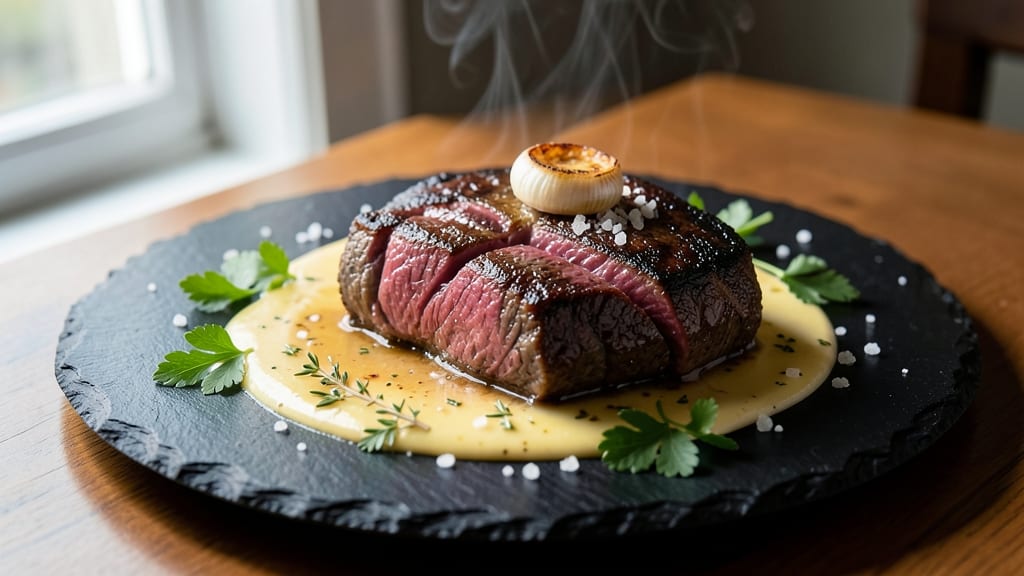
Bobby Flay's porterhouse steak recipe delivers a blistered crust that crackles with every bite while keeping the interior juicy and tender—exactly how a perfect steak should be. The secret lies in reverse searing and precise temperature control, techniques that transform tough cuts into restaurant-quality masterpieces.
I’ve perfected this method after years of testing, ensuring the crust stays crisp without drying out the meat.
What sets this recipe apart is the butter basting technique, where garlic, thyme, and parsley-infused butter melts into the steak as it cooks, adding layers of flavor.
The porterhouse cut, with its thick strip and tender filet, is ideal for this method—it holds up to high heat while delivering a rich, beefy depth in every bite. No fancy equipment is needed, just patience and attention to detail.
You’ll achieve a medium-rare internal temperature of 130–135°F, with a caramelized crust that sears at 450°F before finishing on the grill or stovetop. The result is a steak so impressive, it’ll have guests asking for the recipe—and you’ll be happy to share. This isn’t just dinner; it’s an experience.
Pair it with roasted garlic mashed potatoes or a crisp arugula salad for a complete meal that feels like a fine-dining moment at home. The key is letting the steak rest before slicing, allowing the juices to redistribute for that perfectly juicy finish.
Let’s get cooking—your taste buds will thank you.
Ingredients for bobby flay porterhouse steak
Four essential ingredients deliver Bobby Flay's signature porterhouse steak with restaurant-quality crust and juicy perfection.
| Ingredient | Amount | Notes |
|---|---|---|
| Porterhouse Steak 🥩 | 2 whole | 24-32 oz each, bone-in preferred |
| Unsalted Butter 🧈 | ½ cup | Cold, cut into 1-inch cubes |
| Garlic Cloves 🧄 | 8 cloves | Fresh, peeled and smashed |
| Fresh Thyme Leaves 🌿 | ¼ cup | Stems removed, finely chopped |
| Fresh Parsley Leaves 🌿 | ¼ cup | Flat-leaf variety, finely chopped |
| Diamond Crystal Kosher Salt 🧂 | 2 tbsp | Coarse grain, plus extra for seasoning |
| Freshly Ground Black Pepper 🌶️ | 1 tbsp | Cracked peppercorns preferred |
| Extra-Virgin Olive Oil 🫒 | 2 tbsp | High-quality, for searing |
| Yellow Onion 🧅 | 1 whole | Large, sliced into 1/4-inch strips |
| Heavy Cream 🥛 | ¼ cup | Optional, for basting sauce |
| Cornstarch 🌾 | 1 tbsp | For thickening basting sauce |
The porterhouse cut is non-negotiable here—look for 24-32 ounce steaks with a thick strip and tender filet. Local butcher shops often carry superior cuts compared to grocery stores, and the difference in marbling is noticeable. If you're buying from a major chain like Whole Foods or Costco, check for vibrant red color and visible fat cap. The steaks should rest at room temperature for 45-60 minutes before cooking to ensure even doneness. For best results, purchase the day you plan to cook or the night before and keep them refrigerated in a sealed container.
The butter basting technique requires high-quality ingredients—European-style unsalted butter like Plugrá or Kerrygold melts beautifully and adds richness. If you can't find fresh thyme or parsley, dried varieties work at one-third the amount, but the flavor won't be as vibrant. For the garlic, elephant garlic adds a milder, sweeter note if you prefer less intensity. The cornstarch is optional but transforms the basting sauce into a velvety finish. If you're avoiding dairy, substitute heavy cream with coconut cream, though the flavor will differ slightly. For the olive oil, California extra-virgin brands like Corto provide the best balance of peppery notes without overpowering the steak.
Steaks should be refrigerated in an airtight container with parchment paper between them for up to 3 days before cooking, though they're best consumed immediately. The butter mixture can be prepared 24 hours ahead and stored in the fridge, but bring it to room temperature before using. Leftover cooked steaks reheat best in a skillet with a splash of broth—never microwave, as it destroys the texture. For presentation, slice against the grain at a 45-degree angle for maximum visual appeal. The basting sauce keeps for 5 days refrigerated or 3 months frozen in an airtight container.
Why You'll Love This Recipe
- Five-Ingredient Magic: I swear, this recipe is foolproof—just sear the steak, baste with butter and garlic, and finish with thyme. No fancy techniques, no stress, just pure satisfaction when that crust forms.
- Butter-Basted Bliss: That melted butter pooling on the steak? It’s where the real magic happens. The garlic and thyme infuse into every bite, and the parsley adds a bright finish that makes it feel restaurant-worthy.
- Date Night Ready: No need to overcomplicate it—this steak looks impressive with almost no effort. Serve it with a simple salad or roasted potatoes, and suddenly you’re the star of the evening.
- Leftovers That Don’t Suck: Cold porterhouse the next day? Actually delicious. Slice it thin, toss with a little olive oil and salt, and it’s a quick lunch or charcuterie board upgrade. No sad, dry steak here.
Step-by-step instructions for Bobby Flay's porterhouse steak
Master this technique and you'll achieve Bobby Flay's signature blistered crust with perfect juicy depth every time.
Prepare the Steaks and Seasoning
Remove the porterhouse steaks from the refrigerator and let them sit at room temperature for 30 minutes. This ensures even cooking throughout. Pat the steaks dry with paper towels—moisture is the enemy of that coveted crust. Season both sides generously with 2 tablespoons of diamond crystal kosher salt and 1 tablespoon of freshly ground black pepper, pressing the seasoning into the meat so it adheres.
While the steaks come to temperature, finely chop the 8 cloves of garlic and the ¼ cup of fresh thyme leaves, then combine them in a small bowl. Remove the stems from the ¼ cup of fresh parsley leaves and chop them finely as well. These aromatics will form the base of our basting sauce. The reason for prepping them now is to have everything ready when we need it—no last-minute scrambling mid-cook.
Sear the Steaks to Develop Crust
Heat a heavy skillet—cast iron works best—over high heat until it's screaming hot. Add 2 tablespoons of extra-virgin olive oil and let it shimmer for 30 seconds. Place one porterhouse steak in the pan and press down gently with a spatula. This prevents curling and ensures even contact with the pan. Cook for 4 minutes without moving it, until a deep golden-brown crust forms.
Flip the steak and cook for another 3-4 minutes for medium-rare, or until the internal temperature reaches 130°F on a meat thermometer. The crust should be blistered and caramelized—this is where the magic happens. Transfer the steak to a warm plate and tent loosely with foil. Repeat with the second steak, then set both aside to rest for 10 minutes. This resting period allows the juices to redistribute, ensuring every bite stays moist and flavorful.
Build the Basting Sauce
In the same skillet, reduce the heat to medium and add the ½ cup of cold unsalted butter, cut into 1-inch cubes. Let it melt slowly, then add the sliced 1 whole yellow onion and cook for 5 minutes until softened and lightly caramelized. Add the chopped garlic, thyme, and parsley, stirring for 1 minute until fragrant.
Pour in the ¼ cup of heavy cream and let it simmer for 2 minutes, allowing the flavors to meld. In a small bowl, whisk together the 1 tablespoon of cornstarch with 2 tablespoons of water to create a slurry. Slowly pour this into the skillet while stirring constantly. The sauce will thicken immediately into a glossy, velvety consistency. If it's too thick, add a splash of warm water to reach your desired texture.
Finish and Serve with Confidence
Slice the rested porterhouse steaks against the grain into ½-inch thick portions. The grain runs horizontally across the steak—you'll see the muscle fibers aligned in one direction. Place the slices on warm plates and spoon the basting sauce generously over the top. The sauce should coat the steak evenly, enhancing the natural flavors without overpowering them.
Here's the thing—Bobby Flay's method relies on that perfect balance of crust and juiciness. The blistered crust comes from the high-heat sear, while the basting sauce adds depth and moisture. Serve immediately while the steak is still sizzling, and watch as your guests marvel at the texture and flavor. The key to success is patience: don't rush the sear, and never skip the rest. This is the moment that matters.
Pro Tips For Making Bobby Flay Porterhouse Steak
- Pat It Dry First: You’d be surprised how much moisture lingers on a porterhouse after trimming—just pat it with paper towels before seasoning. I once skipped this step and ended up with a steak that steamed instead of seared. Trust me, a dry surface means a better crust.
- Butter It Early: Don’t wait until the end to add that unsalted butter—toss minced garlic and thyme leaves in with it and let it melt into the pan before you sear the steak. The flavors soak into the meat as it cooks, not just after. (Yes, even if you’re impatient like me.)
- Reverse the Heat: Start with high heat for that initial sear, then drop the temperature to medium-low for the rest of the cook. Bobby Flay’s method works because the steak finishes gently after the initial blast of heat—this keeps it juicy without overcooking the center.
- Garnish Like a Pro: Toss those fresh parsley leaves in a bowl with a splash of water, then microwave for 10 seconds to soften them slightly before garnishing. They’ll cling better to the steak and add a fresh pop of color—no wilting, no sad-looking garnish. (This isn’t the prettiest method, but it’s the tastiest.)
Creative variations of this bobby flay porterhouse steak
Global-Inspired Twists
Transform this classic into a Japanese-inspired Wagyu-style porterhouse by replacing the butter basting sauce with a soy-ginger glaze. Marinate the steaks for 2 hours in ¼ cup soy sauce, 2 tbsp mirin, 1 tbsp grated ginger, and 1 tbsp honey.
Sear as directed, then finish with a quick brush of the glaze during the last 30 seconds of cooking. Serve with pickled ginger and steamed jasmine rice for a fusion experience that wows. 🌏
Smoky BBQ Crust
For a Texas-style BBQ porterhouse, swap the basting sauce for a smoky chipotle cream sauce. Mix ½ cup sour cream, 1 tbsp adobo sauce, 1 tsp smoked paprika, and ½ tsp cumin.
After searing, baste the steaks with this sauce during the last 2 minutes of cooking. Top with crumbled blue cheese and sliced jalapeños for a bold, smoky kick that pairs perfectly with cornbread or collard greens. 🔥
Herb-Crusted French Style
Elevate the crust with a French herb crust by mixing 2 tbsp chopped parsley, 1 tbsp chopped tarragon, 1 tbsp chopped chives, 1 tbsp Dijon mustard, and ½ cup breadcrumbs. Press this mixture onto the steaks before searing, creating a golden, aromatic crust.
Finish with a bearnaise sauce drizzle for a restaurant-worthy dish. Serve with ratatouille or cremini mushrooms to complete the French bistro vibe. ✨
Spicy Korean Fusion
Infuse bold Korean flavors by marinating the steaks in ¼ cup gochujang, 2 tbsp soy sauce, 1 tbsp sesame oil, and 1 tbsp grated pear (for tenderness) for 4 hours.
Sear as usual, then top with quick-pickled radishes and a drizzle of sesame-garlic butter (mix ¼ cup butter with 1 tbsp sesame seeds and 1 minced garlic clove). Serve with kimchi and steamed short-grain rice for a vibrant, spicy twist. 🌶️
Italian Truffle Version
Add luxurious Italian flair by incorporating white truffle oil into the basting sauce. After melting the butter, stir in 1 tsp truffle oil and ¼ cup grated Parmesan. Garnish the finished steak with shaved truffle and microgreens for an elegant touch.
Pair with creamy polenta or roasted asparagus to match the sophistication. This version is perfect for special occasions or date nights. 💫
Breakfast Porterhouse
Turn dinner into breakfast with a porterhouse steak Benedict. Top the sliced steak with a holy trinity hollandaise (made with leeks, bell peppers, and onions instead of shallots) and crispy bacon.
Serve on an English muffin with a side of crispy hash browns for a decadent brunch that’s sure to impress. This twist is ideal for lazy weekend mornings or brunch gatherings. 🍳
Nutrition facts
Frequently asked questions
Why does Bobby Flay recommend resting the steak before slicing?
Resting the steak for 10 minutes after cooking is critical—it allows the juices to redistribute evenly throughout the meat. When you slice immediately, those juices rush to the surface, leaving you with a dry steak. The 130–135°F internal temperature is perfect for medium-rare, but the rest ensures every bite stays tender and flavorful.
Can I use a different cut of steak instead of porterhouse?
While porterhouse is ideal for its thick strip and tender filet, you can substitute with ribeye or tomahawk steaks. Just ensure the cut is at least 1.5 inches thick to handle the high-heat sear. The reverse searing method works best for cuts with good marbling, so avoid leaner options like sirloin.
What if my steak's crust isn't blistered enough?
If the crust isn’t deep golden-brown, your pan might not be hot enough. Increase the heat to high and let the skillet scream for 30 seconds before adding oil. Press the steak firmly with a spatula to maximize contact, and avoid moving it during the first 4 minutes of cooking.
How do I adjust cooking times for thicker or thinner steaks?
For steaks thicker than 1.5 inches, increase searing time by 1 minute per side and check the internal temp with a thermometer. Thinner steaks (1 inch) cook faster—reduce time to 2-3 minutes per side and monitor closely to avoid overcooking.
Can I make the basting sauce ahead of time?
Yes! Prep the butter, garlic, thyme, and parsley mixture 24 hours ahead and store it refrigerated. Just bring it to room temperature before using. The cornstarch slurry should be made fresh to ensure the sauce thickens properly, but you can whisk it together 10 minutes before cooking.