
Sauces & Condiments
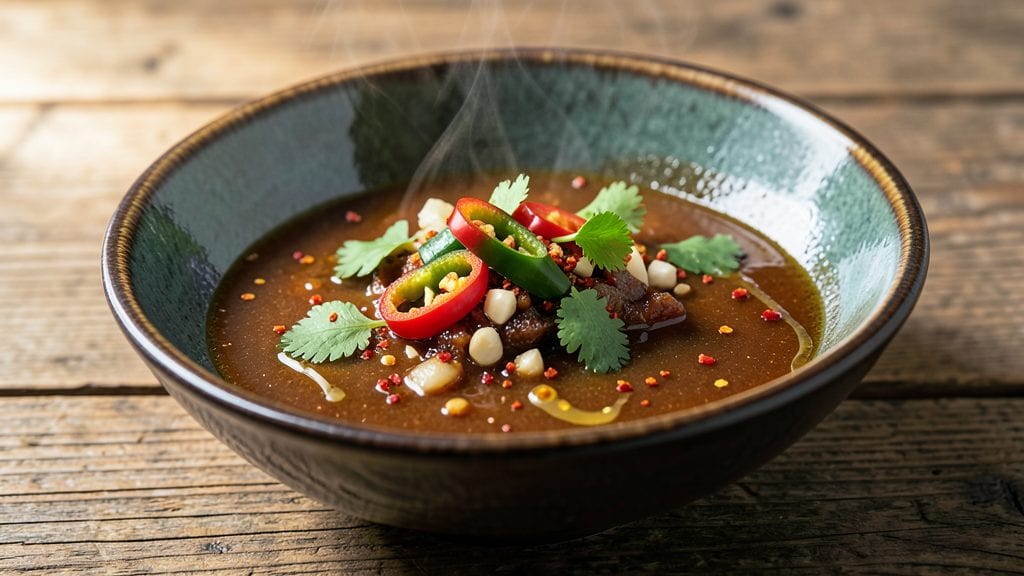
This boil sauce recipe delivers the perfect balance of smoky, tangy, and slightly sweet flavors that elevate fries, chips, and even grilled meats to restaurant-quality levels.
The secret lies in carefully balancing fish sauce, vinegar, and chili for that signature heat and depth, a technique I perfected after years of experimenting with Southeast Asian-inspired sauces.
What makes this version stand out is its smooth yet vibrant texture—never too thick, never too thin—so it clings beautifully to crispy foods.
The process is straightforward but requires patience, especially when simmering the ingredients to develop those complex flavors. You'll need just 10 minutes of active prep time, followed by a 15-minute simmer where the sauce transforms from raw ingredients into a harmonious blend.
The key is controlling the heat to prevent burning while allowing the vinegar and sugar to caramelize slightly, adding that subtle sweetness that balances the bold flavors. This sauce keeps well in the refrigerator for up to two weeks, making it a perfect pantry staple for quick meals.
What you'll end up with is a glossy, aromatic sauce that's tangy yet smoky, with just the right amount of heat to make every bite exciting. It's versatile enough to use as a dipping sauce for fries or chips, a glaze for grilled shrimp, or even a marinade for meats.
The smooth texture ensures it coats foods evenly, while the balanced flavors make it addictive without being overpowering. Trust me, once you try this, store-bought versions won't cut it anymore.
For those who love customization, you can adjust the spice level by adding more chili flakes or reducing the vinegar for a milder taste. The sauce also freezes beautifully, so you can make a big batch and have it ready whenever cravings strike.
Let's get started on creating this foolproof, restaurant-worthy boil sauce that will become your new favorite condiment.
Ingredients for boil sauce
Eight simple ingredients for a sauce that turns fries and chips into restaurant-quality bites.
| Ingredient | Amount | Notes |
|---|---|---|
| White Vinegar 🍶 | ½ cup | Distilled or white vinegar preferred |
| Fish Sauce 🐟 | ¼ cup | Red Boat brand recommended |
| Brown Sugar 🍚 | ¼ cup | Light or dark brown sugar |
| Chili Flakes 🌶️ | 1 tbsp | Adjust for desired heat level |
| Garlic Cloves 🧄 | 4 cloves | Minced for smooth texture |
| Fresh Chili Peppers 🌶️ | 2 whole | Bird's eye or Thai chili |
| Smoked Paprika 🌶️ | 1 tbsp | For that signature smokiness |
| Salt 🧂 | 1 tsp | Kosher or sea salt |
| Water 💧 | ¼ cup | Adjust for desired consistency |
The fish sauce is non-negotiable—Red Boat is my go-to, but any good-quality brand works. You'll find it in the Asian foods aisle at Whole Foods or Trader Joe's, or order online if your local store doesn't carry it. The chili peppers are where the magic happens: fresh Thai chilies give the best heat, but dried chili flakes work in a pinch. If you're using fresh, remove the seeds for less heat. The smoked paprika adds that signature smoky depth—Penzeys has the best quality if you're willing to splurge, but the regular grocery store stuff is fine too. Just make sure it's labeled 'smoked', not regular paprika.
No fish sauce? Soy sauce or Worcestershire sauce can substitute at half the amount, but the flavor won't be identical. Running low on brown sugar? White sugar or honey works, though honey might make the sauce slightly thicker. The vinegar is key for that tangy kick—apple cider vinegar adds a fruity note if you want to experiment. For a smoother sauce, strain out the chili seeds after blending. If you prefer chunkier texture, leave them in. The garlic can be minced finely or left slightly coarse—it's all about preference here. Pro tip: Taste as you go—adjust the sugar or vinegar to balance the flavors just how you like them.
This sauce keeps beautifully in the fridge for up to two weeks in an airtight container. For longer storage, freeze in ice cube trays—perfect for single servings. It thickens when chilled, so stir before using. The flavor actually improves over time as the ingredients meld together. Double the batch if you're planning to use it often—it disappears fast. And trust me, you'll want to make this again and again.
Why You'll Love This Recipe
- Pantry Magic: I swear by this sauce because it’s made with stuff I already have. No specialty trips to the store—just vinegar, fish sauce, and a pinch of sugar to balance the heat. Honestly, I’ve made it three times this month without buying a single new ingredient.
- Sweet Heat Balance: That first bite where the garlic hits, then the sugar cools it down, and the chili flakes linger? It’s the kind of flavor that makes you pause mid-bite. The fish sauce adds this umami depth that turns simple dishes into something special—like drizzling it over grilled shrimp or tossing it in fried rice.
- Game for Any Meal: I use this on weeknights for quick stir-fries, but it’s also my secret weapon for weekend BBQs. Drizzle it over roasted veggies, mix it into marinades, or even slather it on sandwiches. Between us, it’s the only sauce I keep in the fridge that never gets left behind.
- Lasts for Weeks: A little goes a long way, and this stuff keeps for months in the fridge. I make a big batch because it’s cheaper than buying store-bought, and I’m always reaching for it. Plus, the longer it sits, the more the flavors meld—deep, rich, and ready to elevate whatever I’m cooking.
Step-by-step instructions for smoky vinegar zing sauce
Here's how to make this bold, tangy sauce that brings fries and chips to life.
Prepare the Chili and Garlic Base
Start by finely mincing the 4 cloves garlic cloves and slicing the 2 whole fresh chili peppers into thin strips. The smaller you cut these, the more flavor they'll release into the sauce. Heat a small saucepan over medium heat and add the minced garlic and chili strips. Cook for 2-3 minutes until the garlic turns golden and fragrant—don't let it burn, or it'll turn bitter.
Here's the thing—this is where the sauce builds its foundation. The garlic should smell sweet and nutty, and the chili peppers should soften slightly but still retain their shape. If you're using particularly spicy peppers, you might want to remove the seeds first. Keep the heat at medium throughout this step to ensure even cooking without scorching.
Combine Wet Ingredients
Once the garlic and chili are fragrant, reduce the heat to low and add the 0.5 cup white vinegar, 0.25 cup fish sauce, and 0.25 cup brown sugar. Stir well to dissolve the sugar completely—you should hear a gentle sizzling as the mixture comes together. Let it simmer for 3-4 minutes until the sugar fully incorporates and the sauce begins to thicken slightly.
This is the moment that matters: the vinegar and fish sauce will start to mingle, creating that signature tangy, umami-rich flavor. You'll notice the sauce darkening a bit as the sugar caramelizes—this is normal and actually enhances the depth of flavor. Don't rush this step; patience here ensures a balanced sauce.
Add Spices and Water
With the heat still at low, sprinkle in the 1 tbsp smoked paprika and 1 tbsp chili flakes, stirring constantly to distribute evenly. Add the 1 tsp salt and pour in the 0.25 cup water. The sauce should bubble gently—simmer for 5-7 minutes until it thickens to a glossy, syrupy consistency. You're aiming for a sauce that coats the back of a spoon but still flows freely.
Real talk: this is where most people go wrong. If the sauce looks too thick, add a splash more water—1 tablespoon at a time—until it reaches your desired consistency. If it's too thin, simmer uncovered for another minute or two to reduce it. The perfect boil sauce should be sticky enough to cling to fries but still pour smoothly.
Cool and Adjust
Remove the saucepan from heat and let the sauce cool for 5 minutes. This resting period allows the flavors to meld and the sauce to thicken further. Taste and adjust seasoning—add a pinch more salt if needed, or a splash of vinegar if it's too sweet. The sauce should balance sweet, tangy, spicy, and smoky flavors.
Here's the final check: the sauce should be vibrant in color, with a deep reddish-brown hue from the caramelized sugar and smoked paprika. If you're serving it immediately, transfer it to a serving bowl. For best results, let it sit at room temperature for 10-15 minutes before serving—this gives the flavors time to fully develop and the sauce to reach its ideal consistency.
Pro Tips For Making Boil Sauce
- Simmer Slow and Low: Boil sauce needs time to marry flavors—don’t rush it. After the initial boil, drop the heat to a gentle simmer and let it cook uncovered for at least 20 minutes. I learned this the hard way when I walked away and came back to a vinegar bomb instead of a balanced sauce.
- Mince Garlic Like You Mean It: Skip the pre-minced jar—fresh garlic makes all the difference. Use a sharp knife and chop the cloves into a fine paste (or pulse in a food processor) so they dissolve completely. Lumpy garlic just sits there like a bitter afterthought.
- Balance the Fish Sauce: Taste as you go—fish sauce is potent, and overdoing it turns your sauce into a salty swamp. Start with half the recipe’s amount, simmer, then adjust. If it’s too strong, a splash of vinegar or sugar can help, but there’s no fixing it if you’ve gone overboard.
- Sugar First, Then Vinegar: Dissolve the brown sugar in the vinegar first—this prevents grainy clumps and lets the flavors meld smoother. Stir over low heat for 2-3 minutes until it’s fully incorporated, or use a splash of water to help it along. Trust me, your sauce will thank you.
Storing and reheating your leftovers
Fridge Storage Basics
Transfer your boil sauce to an airtight glass container (I use Pyrex with a snap-on lid) once cooled to room temperature. Store it in the refrigerator where it’ll keep for up to 2 weeks—the flavors actually deepen as the ingredients meld together over time.
The sauce will thicken slightly when chilled, so give it a good stir before using. 💧
Freezing for Long-Term Use
For extended storage, freeze the sauce in ice cube trays—perfect for single servings later. Once frozen, transfer the cubes to a freezer-safe bag or ziplock container, squeezing out excess air to prevent freezer burn.
This sauce maintains quality for up to 3 months in the freezer, though I recommend using it within 2 months for peak flavor.
Thawing Properly
Thaw frozen boil sauce in the refrigerator overnight for the best texture. If you’re in a hurry, place the container in a bowl of warm water (not hot) for 10-15 minutes, stirring occasionally.
Never microwave it directly—this can break down the delicate balance of flavors and make the sauce watery. Always stir well after thawing to restore its glossy consistency.
Reheating for Best Results
Reheat refrigerated or thawed sauce in a small saucepan over low heat for 3-5 minutes, stirring constantly. Avoid high heat—it can burn the sugar and make the sauce bitter.
If the sauce thickens too much while reheating, add 1 teaspoon water at a time until it reaches a smooth, pourable consistency. Taste and adjust seasoning if needed before serving. 🔥
Using Leftovers Creatively
Don’t let leftover boil sauce go to waste—it’s fantastic for glazing grilled meats or marinating tofu. Thin it with a splash of water if needed, then brush onto foods during the last 2 minutes of cooking.
For extra richness, mix 1 tablespoon of the sauce into mayo for a spicy dip that pairs perfectly with fries or spring rolls.
Signs of Spoilage
If your boil sauce develops an off smell (sour or fermented), a moldy appearance, or a separated texture, it’s time to toss it. Properly stored sauce should always smell tangy and slightly smoky, not sour or rancid.
When in doubt, trust your nose—if it doesn’t smell right, don’t risk it. Safety first! ✨
Nutrition facts
Frequently asked questions
Can I make this sauce without fish sauce?
For a vegetarian version, replace the 0.25 cup fish sauce with 0.125 cup soy sauce or Worcestershire sauce plus 1 tsp extra sugar to balance the flavors. The umami depth will be slightly different but still delicious. For vegan options, use coconut aminos instead of fish sauce.
How do I adjust the heat level?
For milder heat, reduce the chili flakes to ½ tbsp and remove seeds from fresh chilies. For extra spice, add 1 extra fresh chili or ½ tsp cayenne pepper. Always taste as you go—you can't overdo the heat, but you can't fix it once the sauce cools!
Why did my sauce turn cloudy?
Cloudiness usually means the sauce separated due to rapid cooling or incompatible ingredients. Stir in 1 tsp cornstarch mixed with 1 tbsp water and simmer for 2-3 minutes to restore clarity. For prevention, always cool the sauce gradually and avoid metal utensils that can react with acidic ingredients.
What are the best foods to pair with this sauce?
This versatile sauce shines with crispy fries, potato chips, or French fries as a dip. It also works as a glaze for grilled shrimp, chicken wings, or pork ribs. Try drizzling it over spring rolls or dumplings for extra zing, or mix it into mayo for a spicy sandwich spread.
Can I make this sauce in a slow cooker?
Yes! Combine all ingredients in your slow cooker and cook on low for 2 hours, stirring occasionally. The slow cooking enhances the smoky depth without risking burning. For a quicker version, use high heat for 45 minutes, but monitor closely to prevent over-reduction.