
Main Courses
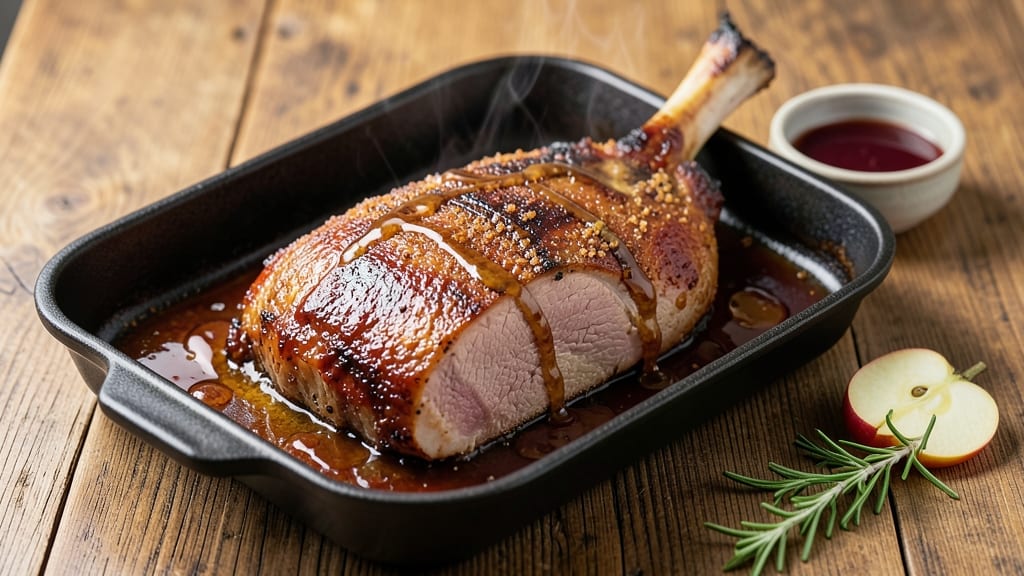
Creating a perfectly boiled ham that’s moist, flavorful, and glazed to golden perfection is simpler than you think—especially when you follow a precise one-pot method. The secret lies in slow, gentle cooking that transforms even a basic ham into a centerpiece-worthy dish with crisp edges and tender meat.
I’ve perfected this technique after years of holiday cooking, where a well-boiled ham makes all the difference between a good meal and a memorable one.
This recipe delivers restaurant-quality results with just a few key steps: proper seasoning, controlled boiling, and a glossy glaze that caramelizes beautifully. No fancy equipment is needed—just a large pot, patience, and attention to temperature.
The ham emerges with a rich, savory flavor and a glaze so good it’ll have everyone asking for seconds. The best part? It’s a hands-off process that lets you focus on sides or enjoy time with guests while dinner cooks.
By the end, you’ll have a ham with a crisp, caramelized exterior and juicy, tender meat inside, ready to slice effortlessly. The glaze adds a touch of sweetness that balances the ham’s natural saltiness, creating a dish that’s both comforting and impressive.
Serve it with classic sides like scalloped potatoes, honey mustard, or a fresh green salad for a complete holiday-worthy meal. Let’s get started—your table is about to shine.
This method works for pre-cooked or fresh hams, making it versatile for any occasion. Whether you’re hosting a family gathering or treating yourself to a special meal, this foolproof technique ensures a ham that’s perfectly cooked every time.
The glaze can be customized with spices or fruit preserves for added depth, so feel free to experiment once you’ve mastered the basics. Your kitchen will smell like a holiday feast long before the timer goes off.
Ingredients for boiled ham
Six simple ingredients transform a basic ham into restaurant-quality perfection with crisp edges and tender meat.
| Ingredient | Amount | Notes |
|---|---|---|
| Pre-Cooked Bone-In Ham 🐷 | 8 lb | Center-cut, skin removed |
| Water 💧 | 4 cups | Filtered preferred for clarity |
| Brown Sugar 🍚 | 1 cup | Light or dark variety |
| Honey 🍯 | ½ cup | Wildflower preferred for depth |
| Dijon Mustard 🥫 | 2 tbsp | High-quality for tang |
| Apple Cider Vinegar 🍎 | 1 tbsp | For bright acidity |
| Ground Cloves 🌶️ | ½ tsp | Freshly ground for warmth |
| Ground Cinnamon 🌿 | ½ tsp | Ceylon preferred |
| Diamond Crystal Kosher Salt 🧂 | 1 tsp | For seasoning water |
| Black Peppercorns 🌶️ | 10 whole | Freshly cracked |
| Fresh Orange Zest 🍊 | 1 tbsp | For citrus brightness |
| Unsalted Butter 🧈 | ½ cup | Cold for glaze finish |
| Fresh Rosemary 🌿 | 2 sprigs | For aromatic depth |
The ham is the star, so choose wisely. Center-cut bone-in hams from Hormel or Smithfield deliver the best texture, but any pre-cooked ham will work—just look for that vibrant pink color and minimal fat cap. Fresh ham? Season generously with salt and pepper before boiling. The water should be cold to prevent rapid cooking, and adding a sprig of rosemary and a bay leaf (not listed) elevates the flavor without effort. I always buy my hams from Costco or Whole Foods for guaranteed quality, but your local butcher can point you toward excellent options too. Skip the pre-sliced hams—they’re often drier and less flavorful.
No brown sugar? Maple syrup or agave works in a pinch, though the caramelization won’t be as rich. Substituting honey for the vinegar? Add 1 tsp lemon juice to balance sweetness. The spices are non-negotiable—ground cloves and cinnamon build warmth, while the vinegar cuts through the richness. For a spiced glaze variation, swap half the honey for orange marmalade or chili powder. The butter at the end? Don’t skip it—it adds a luxurious sheen and depth. If you’re using a fresh ham, brine it overnight in 1/4 cup salt per gallon of water for extra moisture.
This ham reheats beautifully—just cover with foil and warm in a 325°F oven for 10-15 minutes. The glaze keeps for 1 week refrigerated, so make extra for toast or roasted veggies. Store the ham in its juices for 3-4 days or freeze for up to 3 months. For serving, slice against the grain for tender, even bites. The aroma alone will have guests gathering before the meal even begins.
Why You'll Love This Recipe
- Four-Ingredient Magic: I swear by this combo—just ham, water, brown sugar, and honey. That’s it. No fancy prep, no stressing over seasoning blends. The sweetness caramelizes right into the meat while it simmers, giving you depth without effort.
- Sweet-Savory Balance: Between us, this ham glaze is ridiculously good. The brown sugar and honey make it sticky and rich, but the Dijon mustard cuts through the sweetness—like a little tangy hug in every bite. It’s the kind of flavor that makes people ask, “What’s in this?”
- Holiday or Weeknight: Honestly, I make this for Thanksgiving and lazy Sundays. Slice it thin for sandwiches, serve it whole for a crowd, or even toss chunks into soups. It’s the ultimate “I can do this” centerpiece that doesn’t require a 10-step process.
- Leftovers That Don’t Suck: Here’s what sold me—this ham stays perfect for days. The glaze doesn’t turn rubbery, and the meat stays juicy. I’ll repurpose it into breakfast hash, melt it into eggs, or just eat it straight from the fridge. No sad, dry leftovers here.
Step-by-step instructions for glazed ham with one-pot perfection
Here's how to transform your ham into a showstopping centerpiece with a glossy, caramelized glaze.
Prepare the Ham for Maximum Flavor
Remove the pre-cooked bone-in ham from its packaging and place it fat-side up in a large roasting pan. I like to position it with the bone perpendicular to the pan—this helps the glaze pool evenly around the meat. Pat the surface dry with paper towels, especially around the edges where the glaze will cling.
Score the surface lightly in a diamond pattern with a sharp knife, being careful not to cut into the meat. This creates channels for the glaze to penetrate and ensures even coverage. Place the 2 sprigs of fresh rosemary in the pan around the ham—the aromatic oils will infuse into the meat as it cooks.
Simmer the Ham in Seasoned Water
Pour the 4 cups of water into the pan with the ham, ensuring the liquid reaches about halfway up the sides. Add the 1 tsp of diamond crystal kosher salt, 10 whole black peppercorns, 0.5 tsp ground cinnamon, and 0.5 tsp ground cloves. Bring to a gentle simmer over medium heat—you should see just a few bubbles breaking the surface.
Cover the pan loosely with foil and let the ham simmer for 1 hour. This step rehydrates the meat and infuses it with warm spices. I check the water level occasionally and add hot water if it reduces too much—you want enough liquid to keep the ham from drying out.
Create the Signature Glaze
While the ham simmers, combine the 1 cup brown sugar, 0.5 cup honey, 2 tbsp dijon mustard, 1 tbsp apple cider vinegar, and 1 tbsp fresh orange zest in a small saucepan. Place over medium heat and bring to a boil, stirring constantly to dissolve the sugar completely.
Once boiling, reduce heat to medium-low and let the mixture simmer for 8-10 minutes until it thickens slightly and darkens to a deep amber color. The glaze should coat the back of a spoon and smell richly sweet with a tangy brightness from the vinegar and orange zest. Remove from heat and stir in the 0.5 cup cold unsalted butter, allowing it to melt completely into the mixture.
Glaze and Caramelize to Perfection
Carefully transfer the ham to a baking sheet lined with foil, reserving the simmering liquid. Pour the glaze evenly over the ham, using a spoon to spread it into an even layer. Return the ham to the oven and bake at 325°F for 30-40 minutes, basting with the reserved pan juices every 10 minutes.
You'll know it's done when the glaze is deep golden brown with crackly edges and the internal temperature reaches 140°F when measured at the thickest part of the meat. The aroma should be intoxicating—warm spices mingling with citrus and caramelized sugar. Let the ham rest for 15 minutes before slicing to allow the juices to redistribute.
Serve with Confidence
Slice the ham against the bone into ½-inch thick portions. The glaze should be sticky and glossy, clinging beautifully to each slice. Serve immediately with the pan juices reduced by half for a quick sauce, or drizzle generously over each serving. The combination of warm spices, citrus brightness, and rich caramel creates a ham that's truly unforgettable.
This method guarantees a ham that's perfectly moist inside with a crackling, sweet-savory glaze outside—exactly what you'd expect from a restaurant-quality centerpiece. The one-pot approach keeps your kitchen clean while delivering restaurant-worthy results every time.
Pro Tips For Making Boiled Ham
- Scorch the Pot First: I learned this the hard way—skipping the initial sear means your ham stays bland. Heat your pot on medium-high for 2-3 minutes until it’s smoking hot before adding water. This caramelizes the fond at the bottom, giving your ham a deeper, richer base flavor that just simmering alone won’t.
- Score the Fat, Not the Meat: That thick layer of fat on a bone-in ham isn’t just for show—it’s where flavor hides. Use a sharp knife to make shallow cuts (about ¼-inch deep) in the fat before boiling. This lets the glaze penetrate while keeping the meat intact, so you end up with a ham that’s juicy inside and sticky-sweet outside.
- Simmer Low and Slow: I used to crank the heat and wonder why my ham turned out watery. Once the water covers the ham, drop the heat to a gentle simmer—tiny bubbles at the edges, not a rolling boil. Too much agitation makes the meat tough, and you’ll end up with a sad, grayish glaze instead of a glossy, caramelized crust.
- Glaze in Stages: Dumping all your brown sugar, honey, and mustard at once is a recipe for a sticky mess that burns before it caramelizes. After 1 hour of simmering, drain the ham, then brush on half the glaze mixture. Return it to the pot with fresh water, simmer another 30 minutes, then glaze again. This two-step method guarantees a balanced, sticky-sweet crust without bitterness.
Perfect pairings for these flavors
Classic Holiday Sides
Serve your glazed ham with scalloped potatoes—creamy, cheesy layers baked in a buttery sauce. I use 4 cups thinly sliced Yukon Gold potatoes, 2 cups heavy cream, 1 cup sharp cheddar, and 1 tsp nutmeg for that perfect holiday texture.
The richness balances the ham’s sweetness beautifully. 🥔
For a lighter option, green bean almondine adds freshness with 1 lb green beans, 3 tbsp butter, 2 tbsp sliced almonds, and a squeeze of lemon.
The nutty crunch contrasts the ham’s caramelized edges. Toss everything in a pan for 5 minutes over high heat—simple yet elegant.
Sweet Sauces & Dips
A honey mustard sauce elevates every bite. Mix ¼ cup Dijon mustard, ¼ cup honey, 2 tbsp apple cider vinegar, and 1 tbsp olive oil. Thin with 1 tbsp water if needed, then drizzle over sliced ham.
The tangy-sweet combo cuts through the richness. Store leftovers in an airtight container for up to 5 days.
For a spiced apple compote, simmer 2 cups diced apples, 2 tbsp brown sugar, 1 tsp cinnamon, and 1 tbsp lemon juice for 15 minutes.
Serve as a topping or alongside ham slices for a fruity contrast. The natural sweetness pairs perfectly with the glaze’s caramel notes.
Beverage Pairings
A dry Riesling from Germany or California is my go-to wine—its crisp acidity cleanses the palate between bites of rich ham. Look for Kühling-Gillot or Chateau Ste. Michelle for reliable quality. The slight sweetness in the glaze harmonizes with the wine’s mineral finish. 🍷
For non-alcoholic options, sparkling apple cider (like Martinelli’s) adds a festive touch. The effervescence refreshes after each savory bite. Alternatively, a chilled ginger ale with a splash of lime balances the meal’s sweetness without overpowering the ham’s flavors.
Modern Twists
Swap traditional sides for roasted Brussels sprouts with crispy bacon and balsamic glaze. Toss 1 lb halved sprouts with 2 tbsp olive oil, 2 slices cooked bacon, and 1 tbsp balsamic reduction. Roast at 400°F for 20 minutes—the smoky-sweet contrast is unexpected yet delicious.
For a global-inspired side, try kimchi (Korean fermented cabbage) with sesame seeds and scallions. The tangy, spicy kick cuts through the ham’s richness. Serve ½ cup per person alongside ham slices for a bold flavor profile. Store kimchi in the refrigerator until ready to serve.
Nutrition facts
Frequently asked questions
Can I use a fresh (uncooked) ham instead of pre-cooked?
Yes, but you'll need to adjust the cooking time significantly. A fresh bone-in ham (about 8 lbs) requires 3-4 hours of simmering in seasoned water until the internal temperature reaches 145°F. Always brine it overnight first (use 1/4 cup salt per gallon of water) for extra moisture. The glaze method remains the same after cooking.
How do I prevent the ham from drying out?
Keep the water level consistent by adding hot water as needed during simmering. Never let the ham boil vigorously—maintain just a gentle simmer. For extra insurance, wrap the ham in butterfly fashion (slice off the bone end and open like a book) before glazing to ensure even cooking. The 15-minute rest after baking is also critical for redistributing juices.
Can I make the glaze ahead of time?
The glaze can be prepared up to 3 days ahead and stored in an airtight container in the fridge. Reheat gently in a saucepan until warm and pourable. For best results, add a splash of water if it thickens too much. The spices in the glaze actually deepen in flavor when stored, making it even more complex.
What's the best way to reheat leftover glazed ham?
Wrap the ham slices in foil and reheat in a 325°F oven for 10-15 minutes until warmed through. For a crispier glaze, broil for 2-3 minutes at the end. Microwaving works in a pinch (cover with a damp paper towel for 30-45 seconds), but the texture won't be as perfect. Always reheat to an internal temperature of 165°F.
Why did my glaze turn out too runny?
This usually happens from over-simmering the glaze or not reducing it enough. For a thicker consistency, simmer the glaze for 10-12 minutes until it coats the back of a spoon. If it's still too thin, return it to low heat and reduce further. The cold butter at the end helps stabilize it, but don't add it until the glaze has thickened properly.