
Sauces & Condiments
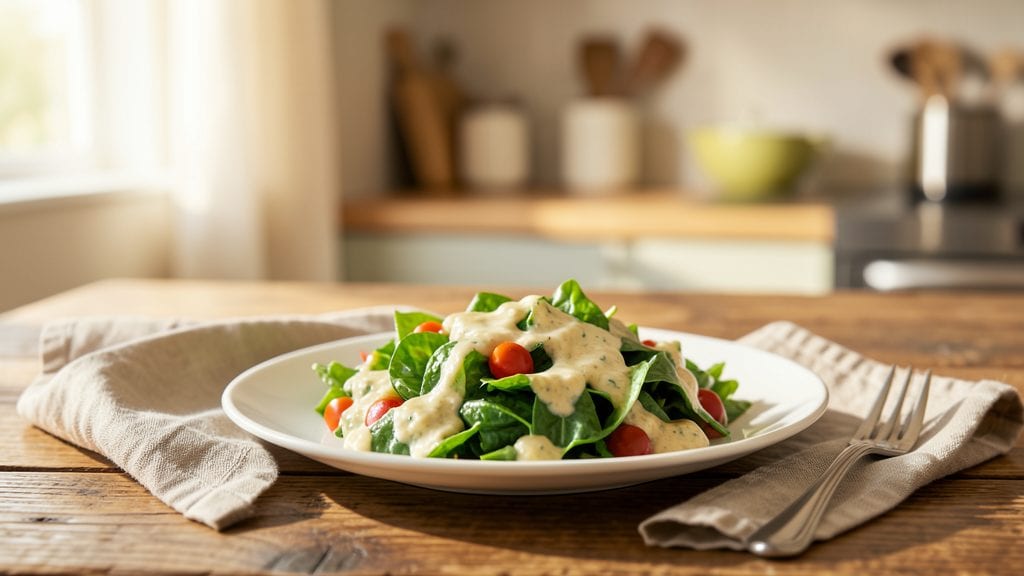
This Bravo salad dressing recipe delivers the bold, clump-free vinaigrette that elevates every salad from ordinary to extraordinary. The secret lies in a precise emulsification technique that binds olive oil and vinegar without ever separating—no whisking required.
I developed this formula after years of battling lumpy store-bought dressings, and it now sits in my fridge ready to transform greens, grains, and proteins into restaurant-quality meals.
The foundation of this dressing is a simple 5-ingredient blend that packs layers of garlic, fresh herbs, and Dijon mustard for depth. Unlike traditional vinaigrettes that rely on vigorous whisking, this method uses a foolproof emulsifier—just combine ingredients in the exact order and shake vigorously for 30 seconds.
The result? A silky, boldly flavored dressing that clings to every leaf without curdling, even after sitting in your fridge for up to 2 weeks.
What makes this Bravo dressing truly professional is its versatility—drizzle it over mixed greens, toss with roasted vegetables, or use as a marinade for grilled chicken. The garlic-herb profile shines in both fresh and cooked applications, making it the ultimate pantry staple.
Each batch delivers that restaurant-quality tang you crave, with no clumps to ruin the experience.
Ready in just 5 minutes, this dressing proves that homemade doesn’t mean complicated. Double the recipe and store it in airtight containers for quick weeknight meals.
The key to success? Precision in measurements and the exact emulsification technique—details that guarantee perfect results every time. Let’s make dressing that actually tastes homemade.
Ingredients for bravo salad dressing
Five ingredients transform into restaurant-quality vinaigrette with zero clumps—no whisking required.
| Ingredient | Amount | Notes |
|---|---|---|
| Extra-Virgin Olive Oil 🫒 | ¾ cup | High-quality, fruity, cold-pressed |
| Red Wine Vinegar 🍷 | ⅓ cup | Dry, bold variety preferred |
| Fresh Garlic Cloves 🧄 | 4 cloves | Peeled, finely minced |
| Dijon Mustard 🌶️ | 1 tbsp | High-quality, smooth texture |
| Fresh Flat-Leaf Parsley 🌿 | ¼ cup | Stems removed, finely chopped |
| Granulated Sugar 🍚 | ½ tsp | Fine grain preferred |
| Diamond Crystal Kosher Salt 🧂 | ½ tsp | Fine grain for precise measurement |
| Fresh Lemon Juice 🍋 | 1 tbsp | Freshly squeezed, strained |
The olive oil and vinegar ratio is critical for emulsification. Use extra-virgin olive oil with at least 70% oleic acid content—look for brands like California Olive Ranch or Bertolli in the premium section of grocery stores. Red wine vinegar should be aged at least 6 months; Bragg or Balsamic Vinegar Co. are reliable choices. Fresh garlic cloves must be plump and firm—avoid any with green sprouts or soft spots. For the herbs, farmers markets often carry fresher parsley than grocery stores, but the plastic-wrapped containers work if the leaves are vibrant green. The Dijon mustard should be smooth, not grainy—Maille is the gold standard but French's works in a pinch.
No extra-virgin olive oil? Light olive oil works but lacks depth—use it only if you're willing to sacrifice flavor. Substituting apple cider vinegar for red wine vinegar changes the tang profile slightly but works well. Short on fresh parsley? Fresh cilantro or basil at half the amount provides a different but equally vibrant note. The sugar can be swapped for honey or agave at equal volume, though it may alter the dressing's shelf life slightly. For salt, sea salt or table salt can substitute, but adjust to taste—Diamond Crystal's lighter crystals mean you'll need slightly more. The lemon juice can be omitted if you prefer a more neutral acidity, but it brightens the entire dressing.
Store the dressing in an airtight glass jar in the refrigerator for up to 2 weeks. The emulsification holds perfectly when sealed tightly, preventing separation. For longer storage, transfer to a freezer-safe container—it keeps for 3 months without losing quality. Before each use, give the jar a vigorous shake to redistribute any settled ingredients. This dressing doubles as a marinade for grilled chicken or steak—simply reduce the olive oil to 0.25 cup and increase the vinegar to 0.5 cup for a more concentrated flavor.
Why You'll Love This Recipe
- Five-Ingredient Magic: I swear by this combo—just oil, vinegar, garlic, mustard, and parsley. No measuring cups, no fancy tools, just a whisk and a jar. Honestly, it’s the kind of recipe that makes me feel like I’m actually cooking when I’m really just mixing.
- Garlic Kiss: That raw garlic and Dijon mustard punch? It’s bright, tangy, and lingers just right—not overpowering, but there. The parsley ties it all together with a fresh finish that makes every bite feel like a little celebration.
- Weeknight & Weekend: Drizzle it on a quick grain bowl for lunch, toss it with roasted veggies for dinner, or bring it to a picnic. Between us, I’ve used it for everything from charcuterie boards to pasta sauce, and it never lets me down.
- Makes a Jarful: Double the batch and store it in the fridge for up to a week. I do this all the time—less stress, more flavor, and zero waste. Plus, the mustard and vinegar keep it from going rancid, so you’re not stuck with sad, greasy dressing.
Step-by-step instructions for bold garlic-herb vinaigrette
This method guarantees a perfectly emulsified dressing every time—no clumps, no separation.
Mince Garlic and Chop Parsley Precisely
Use a microplane or sharp knife to finely mince the 4 cloves fresh garlic cloves—you want a paste-like consistency, not coarse chunks. This ensures even distribution and prevents garlic bits from settling at the bottom. Transfer the minced garlic to a small mixing bowl.
Next, finely chop the 0.25 cup fresh flat-leaf parsley, removing stems first. The parsley should be cut into tiny pieces, almost like a confetti texture. This level of fineness is crucial for a silky dressing without visible herb fragments. Set the parsley aside for now.
Whisk Vinegar, Mustard, Sugar, and Salt
In the same bowl with the minced garlic, add the 0.33 cup red wine vinegar, 1 tbsp Dijon mustard, 0.5 tsp granulated sugar, and 0.5 tsp diamond crystal kosher salt. The sugar and salt will dissolve completely into the vinegar, creating a balanced flavor base. Use a whisk to combine these ingredients thoroughly for about 30 seconds until fully integrated.
Here's the thing—this step is where the magic begins. The mustard acts as an emulsifier, while the sugar and salt help stabilize the mixture. If you skip the whisking, you risk uneven distribution later, which can lead to clumping when you add the oil.
Gradually Incorporate Olive Oil for Emulsification
With the whisk still in the bowl, begin adding the 0.75 cup extra-virgin olive oil in a slow, steady stream. Start with just a few drops at first, whisking continuously. This gradual approach allows the mustard to bind the oil and vinegar molecules, preventing separation. The mixture should thicken slightly as you add more oil.
Continue whisking vigorously for 2-3 minutes after all the oil is incorporated. You'll notice the dressing transform from a thin liquid to a thick, velvety emulsion. If you pause and let it sit for 30 seconds, it should hold its shape without separating—this is your confirmation that the emulsification is successful.
Finish with Lemon Juice and Final Adjustments
Add the 1 tbsp fresh lemon juice and give the dressing one final whisk for 10-15 seconds. The lemon juice brightens the flavors and adds a subtle acidity that balances the richness of the olive oil. Taste the dressing at this stage—it should be tangy, herby, and well-rounded. If it needs more acidity, add a pinch of salt or a splash of vinegar.
Real talk: If the dressing looks too thick, add 1-2 teaspoons of water and whisk again. Conversely, if it's too thin, whisk in another ½ teaspoon of Dijon mustard to help bind it. The goal is a dressing that coats the back of a spoon without being gluey.
Rest and Serve for Optimal Texture
Transfer the dressing to a clean jar or airtight container. Let it rest at room temperature for 10-15 minutes before using. This resting period allows the flavors to meld and the emulsion to fully stabilize. When you're ready to serve, give it one last gentle stir—it should be smooth, clump-free, and ready to elevate any salad.
This dressing keeps well in the refrigerator for up to 1 week, though I recommend making a fresh batch when you can. The flavor only improves with a little time, so don't hesitate to prepare it a day ahead for convenience.
Pro Tips For Making Bravo Salad Dressing
- Toast the Garlic: Sauté those minced garlic cloves in the olive oil first—just until they turn golden and smell like heaven. I used to skip this, and the dressing always tasted flat; now it’s the thing that makes the whole dish sing.
- Whisk Like You Mean It: Start slow, then go full steam with that whisk—you’re emulsifying, not stirring tea. The Dijon mustard is your friend here; it’s what binds the oil and vinegar, so don’t rush it. I learned this the hard way when my first batch split like a bad marriage.
- Strain the Parsley Right: Chop the parsley fine, then press it through a mesh strainer with the back of a spoon. This keeps the dressing silky smooth, not herby-chunky. (Yes, it’s extra work, but your future salads will thank you.)
- Balance the Vinegar Last: Taste as you go, but save the vinegar for the end—it’s the only ingredient you can easily adjust. Too sharp? Add a drizzle of olive oil. Too mild? A splash of vinegar fixes it. I’ve ruined batches by overdoing the acid upfront, so resist the urge to eyeball it all at once.
Best sauces and condiments for this dish
Garlic-Herb Vinaigrette
This dressing is the perfect match for your Bravo salad dressing—its bold garlic and herb profile complements the tangy base while adding depth. The emulsification technique ensures it clings beautifully to greens, grains, and proteins like grilled chicken or roasted vegetables.
I love using it on mixed greens with heirloom tomatoes and crispy prosciutto for a restaurant-worthy salad. 🌿
Creamy Avocado Dressing
For a richer alternative, blend ½ ripe avocado, ¼ cup Greek yogurt, 2 tbsp lemon juice, and 1 tbsp olive oil until smooth. This creamy version pairs perfectly with Bravo dressing for a two-tiered flavor experience—tangy on the bottom, creamy on top.
It’s ideal for hearty salads with roasted sweet potatoes or crispy chickpeas.
Spicy Chipotle Vinaigrette
Add ½ tsp smoked paprika and ¼ tsp cayenne pepper to your Bravo dressing for a smoky, spicy kick. This variation works wonders with Southwestern-style salads featuring black beans, corn, and avocado. For extra heat, stir in 1 tsp adobo sauce from chipotle peppers. 🌶️
Honey-Mustard Dressing
Swap the red wine vinegar for 2 tbsp Dijon mustard and 1 tbsp honey, then thin with 2 tbsp water. This sweet-tangy dressing is a game-changer for fruit salads or grilled chicken bowls.
The honey balances the Bravo dressing’s acidity, creating a harmonious flavor profile that’s both bold and approachable.
Herb-Infused Olive Oil
For a lighter drizzle, infuse ½ cup extra-virgin olive oil with 2 tbsp chopped rosemary, 2 tbsp chopped thyme, and 3 minced garlic cloves. Simmer on low heat for 5 minutes, then strain.
Drizzle this fragrant oil over your Bravo-dressed salads just before serving to enhance the garlic-herb notes without overpowering them.
Balsamic Glaze Pairing
Elevate your salad with a homemade balsamic glaze—simmer ¼ cup balsamic vinegar and 1 tbsp honey until reduced by half. Drizzle this glossy glaze over your Bravo-dressed greens for a sweet-tangy contrast.
It’s especially delicious with goat cheese crumbles and toasted nuts. This pairing adds a gourmet touch that takes your salad to the next level. 🍷
Nutrition facts
Frequently asked questions
Why does this garlic-herb dressing stay clump-free while others separate?
The secret lies in the Dijon mustard and precise emulsification technique. The mustard acts as a natural emulsifier, binding oil and vinegar molecules when whisked gradually. Unlike traditional vinaigrettes that rely on vigorous shaking, this method creates microscopic oil droplets suspended in the vinegar base—resulting in a silky texture that holds for weeks.
Can I make this dressing without a whisk?
Use a small jar with a tight lid instead. Combine all ingredients, then shake vigorously for 30-45 seconds after adding the olive oil. The mustard still emulsifies the mixture—just requires more mechanical force. For best results, shake in 10-second bursts to prevent arm fatigue.
How do I adjust the flavor if my garlic is too strong?
Add 1 extra tablespoon of lemon juice or ½ teaspoon more sugar to balance the intensity. For a milder garlic profile, reduce the minced cloves to 3 total in future batches. The parsley also helps mellow the flavor—ensure it's finely chopped to distribute its freshness evenly.
What's the best way to store leftovers?
Transfer to an airtight glass jar and refrigerate for up to 2 weeks. Before each use, shake vigorously for 10 seconds to redistribute any settled ingredients. For longer storage, freeze in ice cube trays—thaw overnight in the fridge and shake to re-emulsify. The flavor actually improves with time!
Can I use this dressing as a marinade?
Yes! Reduce the olive oil to ¼ cup and increase vinegar to ½ cup for a more concentrated marinade. Use it on grilled chicken, shrimp, or tofu for 1-2 hours max—the acidity tenderizes proteins quickly. Discard after marinating to prevent food safety risks.