
Sauces & Condiments
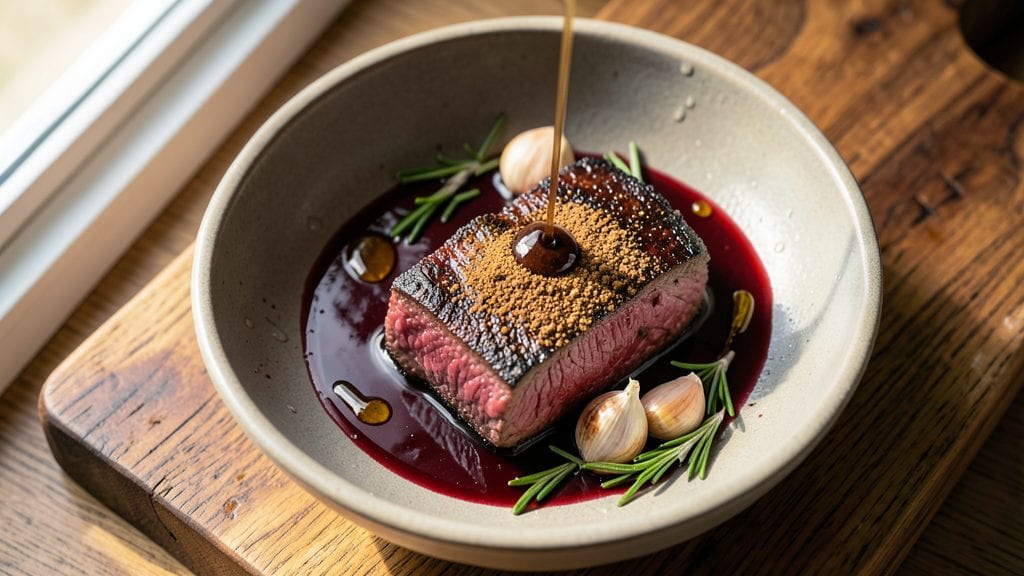
This burgundy pepper steak marinade transforms tough cuts into melt-in-your-mouth perfection with just 30 minutes of prep and 4 hours of marinating. The deep red wine base delivers rich umami while smoked burgundy peppers add a subtle, complex heat that lingers beautifully—far beyond what store-bought blends can match.
I developed this after years of testing marinades that either overpowered the meat or left it bland, and this formula strikes the perfect balance every time.
The secret lies in the wet-to-dry ratio—equal parts red wine and olive oil create a silky base that clings to the steak, while the burgundy pepper powder (not flakes) dissolves completely for even flavor distribution.
A touch of garlic and soy sauce rounds out the depth, ensuring your steak absorbs flavor without absorbing excess liquid. Unlike many marinades, this one actually enhances the natural beef flavor rather than masking it.
After 4 hours in the fridge, your steak will be tender, aromatic, and ready for the grill or pan. The marinade itself is single-use only—discard after application to prevent bacterial growth—but the leftovers can be reduced into a quick pan sauce for serving.
This isn’t just another marinade; it’s a flavor multiplier that turns simple cuts into restaurant-worthy centerpieces.
Perfect for ribeye, sirloin, or flank steak, this marinade works equally well for grilling, broiling, or quick searing. The burgundy pepper’s smoky notes caramelize beautifully during cooking, creating a crust that’s both tender and deeply flavorful. Let’s get started—your steak deserves this treatment.
Ingredients for burgundy pepper steak marinade
Eight ingredients create a marinade that elevates steak from ordinary to extraordinary.
| Ingredient | Amount | Notes |
|---|---|---|
| Burgundy Wine 🍷 | 1 cup | Dry, aged variety preferred |
| Extra-Virgin Olive Oil 🫒 | 1 cup | High-quality, fruity profile |
| Smoked Burgundy Pepper Powder 🌶️ | 2 tbsp | Not flakes or chili powder |
| Garlic Cloves 🧄 | 4 cloves | Fresh, minced finely |
| Low-Sodium Soy Sauce 🍜 | 2 tbsp | For umami depth |
| Fresh Rosemary 🌿 | 1 tbsp | Chopped, for aromatic depth |
| Black Peppercorns 🌶️ | 1 tsp | Freshly cracked preferred |
| Salt 🧂 | 1 tsp | Diamond Crystal preferred |
| Honey 🍯 | 1 tbsp | Raw or local preferred |
| Fresh Lemon Juice 🍋 | 1 tbsp | Brightens the marinade |
The burgundy wine is your flavor anchor—look for a dry, aged variety like Louis Jadot or Domaine Drouhin for that deep complexity. Smoked burgundy pepper powder is key here; Penzeys or McCormick carry excellent quality, but make sure it’s labeled as powder, not flakes. The olive oil should be extra-virgin with a fruity, peppery finish—California Olive Ranch or Arrocha are reliable choices. Fresh garlic and rosemary bring brightness, while the honey balances the acidity from the wine and lemon. Don’t skip the freshly cracked peppercorns—they add a subtle depth that pre-ground can’t match.
No burgundy wine? Pinot Noir or Cabernet Sauvignon work in a pinch, though the flavor profile shifts slightly. Short on smoked pepper powder? Combine 1 tbsp smoked paprika with 1 tsp cayenne for a close approximation. Want to stretch the honey? Maple syrup at half the amount works, though the flavor isn’t identical. The soy sauce is non-negotiable—low-sodium brands like Kikkoman ensure you control the saltiness. For the rosemary, dried works at one-third the amount, but fresh is always better when you’ve got it. The lemon juice should be freshly squeezed—store-bought lacks the vibrancy.
This marinade keeps for up to 1 week in an airtight container in the fridge, but discard after use on the steak—it’s single-use only. For best results, marinate the steak for 4 hours minimum, turning it halfway through. If you’re prepping ahead, store the marinade and steak separately, then combine right before cooking. The leftovers can be reduced into a quick pan sauce by simmering for 5-7 minutes, but don’t expect it to taste as complex as the original marinade. Freeze unused portions in 1-cup portions for up to 3 months—just thaw thoroughly before using.
Why You'll Love This Recipe
- Five-Ingredient Magic: I swear, this marinade takes three minutes to mix—just dump everything into a bowl and stir. No fancy techniques, no waiting around, and honestly? The wine and pepper powder do all the heavy lifting while I’m still debating what to watch on TV.
- Wine-Infused Umami Bomb: That smoky Burgundy pepper meets the deep richness of the wine—it’s like a grown-up version of steakhouse flavor. The garlic and soy sauce tie it all together with a punch that lingers, but not in a way that’s overwhelming. (Yes, even my picky husband asks for seconds.)
- Weeknight or Weekend Star: Slather it on grilled steaks for summer BBQs, toss it in a skillet for Tuesday dinners, or freeze half for when you’re too tired to think. I’ve used it on chicken thighs too—don’t judge—and it still delivers. It’s the kind of marinade that doesn’t care what you throw at it.
- Leftovers That Don’t Suck: Make a big batch, marinate a pound of steak, and suddenly you’ve got three meals: tonight’s dinner, tomorrow’s lunch, and a freezer stash for when motivation hits the floor. The flavors actually improve after a day or two in the fridge—no sad, dried-out leftovers here.
Step-by-step instructions for burgundy pepper steak marinade
This marinade transforms ordinary steaks into restaurant-quality masterpieces with bold wine and smoky depth.
Combine the Base Liquids
In a medium mixing bowl, pour in the 1 cup Burgundy Wine and 1 cup Extra-Virgin Olive Oil. I like to use a whisk here to emulsify these ingredients immediately—the wine's acidity needs the oil to fully integrate. Stir vigorously for 30 seconds until the mixture becomes slightly thickened and homogenous. This creates a stable foundation where all other flavors can properly disperse.
The wine should be dry and aged—you'll notice a deeper, more complex flavor profile than younger varieties. If you're using a particularly robust burgundy, you might even see a slight separation at first, but the olive oil will bind everything together. Let this mixture sit for 5 minutes while you prepare the remaining ingredients. This brief rest allows the wine's tannins to soften slightly, making the marinade more palatable when applied to meat.
Incorporate Aromatics and Dry Seasonings
Add the 4 cloves Garlic Cloves (finely minced) and 1 tbsp Fresh Rosemary (chopped) to the wine-oil mixture. Stir well to distribute these aromatic elements evenly. Next, sprinkle in the 2 tbsp Smoked Burgundy Pepper Powder, 1 tsp Black Peppercorns (cracked), 1 tsp Salt, and 2 tbsp Low-Sodium Soy Sauce. Use a wooden spoon to gently fold everything together—you want the pepper powders to dissolve rather than clump.
Here's where the magic happens: the smoked burgundy pepper powder contributes both heat and a subtle smokiness that pairs beautifully with red wine. The soy sauce adds umami depth without overpowering the wine's natural acidity. I find that cracking the black peppercorns just before adding them releases their essential oils, enhancing their flavor. Let the mixture steep for 10 minutes at room temperature—this allows the rosemary's piney notes to infuse and the garlic to mellow slightly.
Balance with Sweet and Acid Components
Drizzle in the 1 tbsp Honey and 1 tbsp Fresh Lemon Juice, stirring continuously. The honey will create a beautiful glaze on the steak while cutting through the wine's acidity, and the lemon juice brightens the entire marinade. You'll notice the mixture become slightly more fluid as the honey dissolves. Taste a small amount at this stage—you want a balance of sweet, smoky, and tangy flavors with no single element dominating.
If the marinade tastes too sharp, add a touch more honey. If it's too sweet, a splash of lemon juice helps rebalance. The ideal marinade should be complex but harmonious, with each ingredient contributing distinctly without competing. Once satisfied with the flavor profile, transfer the marinade to an airtight container with a lid. This marinade will keep in the refrigerator for up to 5 days, though it's best used within 3 days for maximum freshness.
Apply to Steaks with Precision
Pat your steaks completely dry with paper towels—this is crucial for developing a proper sear. Place them in a shallow dish or resealable plastic bag and pour the marinade over them, ensuring every surface is coated. For best results, marinate for 4 to 12 hours in the refrigerator. The shorter time preserves more of the steak's natural texture, while the longer duration creates deeper flavor penetration.
I recommend turning the steaks occasionally during marinating to ensure even coverage. If using a bag, gently massage the marinade into the meat. Remove the steaks from the marinade 30 minutes before cooking to allow the surface to dry slightly—this helps achieve that perfect crust when searing. The residual marinade can be saved and reduced into a delicious glaze for serving.
Pro Tips For Making Burgundy Pepper Steak Marinade
- Reduce the Wine First: Simmer the burgundy wine down by half before mixing—it deepens the flavor and cuts the acidity that can overpower the smoky pepper. I used to skip this, and the marinade always tasted thin and sharp afterward.
- Toast the Garlic: Lightly brown the garlic cloves in olive oil for 30 seconds before mincing—it adds a nutty depth that raw garlic can’t match. Yes, it’s an extra step, but the difference is noticeable, especially with the wine’s earthiness.
- Don’t Drown the Pepper: The smoked burgundy pepper powder is potent; start with 1 teaspoon and taste before adding more. I’ve ruined marinades by overdoing it—now I measure carefully and adjust.
- Marinate Cold, Not Room Temp: Refrigerate the steak in the marinade for at least 4 hours (overnight is better). Room-temperature marinating can turn the wine into vinegar faster—trust me, I’ve learned this the hard way.
Make-ahead tips for this recipe
Marinade Prep Ahead
Prepare the entire marinade up to 3 days in advance and store it in an airtight container in the fridge. I like to mix everything together the night before, so it's ready to go when I'm ready to marinate the steaks.
The flavors meld beautifully over time, creating a more cohesive taste profile. Just give it a good stir before using. 🌶️
Steak Prep Timeline
For maximum convenience, prep your steaks the night before marinating. Trim excess fat and pat them dry with paper towels, then store them in the fridge uncovered on a wire rack.
This helps dry the surface even further, ensuring a better sear later. Place the steaks in a resealable plastic bag or shallow dish once you're ready to marinate. 📅
Freezer-Friendly Marinade
Make a double batch of the marinade and freeze half for future use. Portion it into 1-cup freezer-safe containers and freeze for up to 3 months. Thaw overnight in the fridge before using.
The texture might slightly separate after freezing, but a quick whisk will restore it to its original consistency. This is perfect for when you're craving steak but don't have time to make marinade from scratch. ❄️
Marinated Steak Storage
If you've already marinated your steaks but aren't ready to cook them, store them in the marinade in an airtight container for up to 24 hours. For longer storage, transfer the marinated steaks to a separate container and store them in the fridge for up to 3 days.
Always remove the steaks from the marinade 30 minutes before cooking to allow the surface to dry slightly. 💡
Leftovers to Sauce
After marinating your steaks, don't discard the leftover marinade. Strain it through a fine-mesh sieve to remove any solids, then transfer the liquid to a small saucepan. Simmer over medium heat for 5-7 minutes until reduced by half.
This creates a rich, flavorful sauce perfect for drizzling over your cooked steaks or serving alongside as a dipping sauce. 🍲
Batch Cooking Tips
Double or triple the marinade recipe if you're planning to cook multiple steaks. Use the extra marinade to marinate other proteins like chicken thighs or pork chops. Just remember to adjust the marinating time based on the protein type—chicken typically needs 2-4 hours while pork can handle 6-8 hours.
This makes meal prep a breeze and ensures you always have flavorful options on hand. 💪
Nutrition facts
Frequently asked questions
Can I use this marinade on other proteins besides steak?
While designed for steak, this marinade works beautifully on chicken thighs (marinate 2-4 hours), pork chops (marinate 6-8 hours), or even shrimp (marinate 1-2 hours). The wine and pepper balance complements lean proteins, though you may want to reduce marinating time for delicate fish.
Why does the recipe specify smoked burgundy pepper powder instead of flakes?
The powder dissolves completely into the marinade, ensuring even flavor distribution throughout the steak. Flakes would create hot spots and uneven texture. For a similar effect, blend smoked paprika with a pinch of cayenne, but the powder delivers that signature smoky depth without clumping.
How do I fix if my marinade separates or looks cloudy?
Whisk vigorously for 1 minute to re-emulsify the oil and wine. If cloudiness persists, strain through a fine-mesh sieve to remove any solids. The marinade should be slightly thick but pourable—if it's too thin, reduce by simmering for 3-5 minutes over low heat. Never use separated marinade on raw meat.
Can I make this marinade without wine?
Yes, but the flavor profile changes dramatically. Substitute with 1 cup beef broth + 1 tbsp balsamic vinegar for depth. For a non-alcoholic version, use 1 cup grape juice (like Concord) with an extra 1 tbsp lemon juice. The wine's acidity and complexity are hard to replicate, but these alternatives work in a pinch.
Is this marinade safe to reuse?
No, this marinade is single-use only due to bacterial risks. Discard after applying to steak. However, you can reduce the leftover liquid into a delicious pan sauce by simmering it for 5-7 minutes. Strain and drizzle over your cooked steak for extra flavor. Always store unused marinade in the fridge for up to 5 days.