
Main Courses
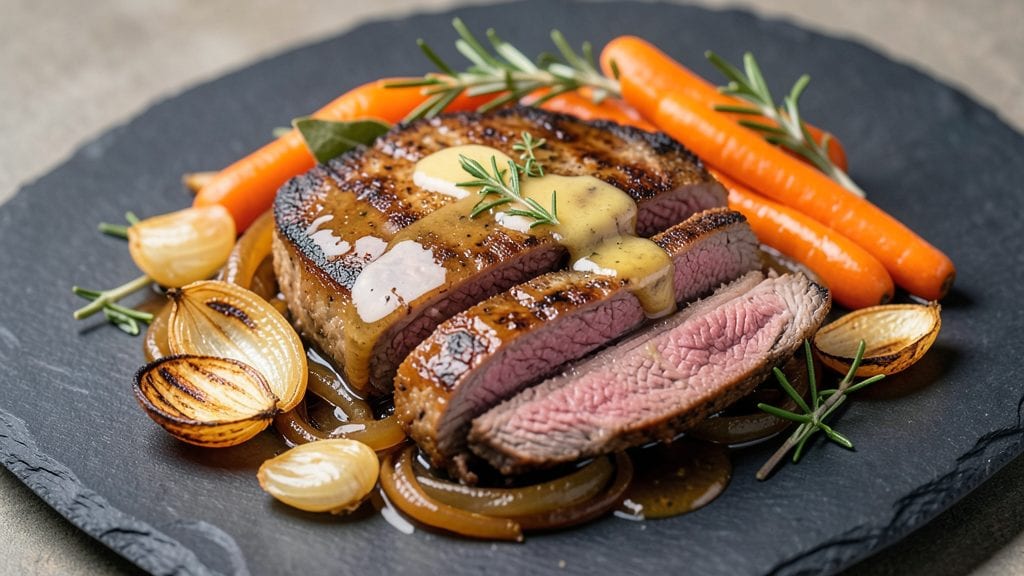
Butter poached steak transforms tough cuts into melt-in-your-mouth perfection with a technique that requires almost no attention once you get started. The secret lies in slow, gentle cooking in a bath of clarified butter, which infuses the meat with unmatched richness while keeping it impossibly tender.
I perfected this method after years of experimenting with different cooking approaches, and it never fails to impress—even skeptical meat lovers.
What makes this recipe truly remarkable is how effortless it is to achieve restaurant-quality results at home. You'll start with a simple seasoning blend, then let the butter do all the work while you tend to other tasks.
The key is maintaining a gentle simmer—never a boil—and using a meat thermometer to track the internal temperature precisely. This ensures your steak reaches the ideal doneness without drying out, even when starting with tougher cuts.
The result is a steak so tender it practically falls apart with a fork, coated in a glossy, golden butter that adds layers of flavor with every bite. The texture is silky-smooth, with just enough resistance to satisfy meat lovers who crave substance.
This technique works beautifully with cuts like chuck roast, short ribs, or even flank steak—transforming them into something luxurious without requiring hours of active cooking.
Serve the steak sliced against the grain with its rich poaching butter drizzled over the top, accompanied by roasted vegetables or a simple arugula salad to balance the richness.
The method scales perfectly for weeknight dinners or special occasions, making it a go-to technique for anyone who wants effortless elegance at the table.
Ingredients for butter poached steak
Clarified butter, aromatic herbs, and a single tough cut transform into luxurious steak with minimal effort.
| Ingredient | Amount | Notes |
|---|---|---|
| Chuck Roast 🥩 | 2 lb | Center-cut for even tenderness |
| Unsalted Butter 🧈 | 1 cup | Clarified butter preferred for purity |
| Diamond Crystal Kosher Salt 🧂 | 1 ½ tsp | Fine grain for even distribution |
| Freshly Ground Black Pepper 🌶️ | 1 tsp | Cracked peppercorns preferred |
| Garlic Cloves 🧄 | 4 cloves | Smashed for aromatic infusion |
| Fresh Thyme Sprigs 🌿 | 4 whole | Stems removed for delicate flavor |
| Fresh Rosemary Sprigs 🌿 | 2 whole | Needles only, finely chopped |
| Yellow Onion 🧅 | 1 whole | Peeled, quartered, root intact |
| Carrots 🥕 | 2 whole | Whole, scrubbed, no peeling |
| Bay Leaves 🍃 | 2 whole | Dried, standard size |
| Beef Stock 💧 | 2 cups | Homemade or high-quality store-bought |
| Dry White Wine 🍷 | ½ cup | Sauvignon Blanc preferred |
| Fresh Parsley 🌿 | ¼ cup | Chopped, for garnish only |
The chuck roast is purposefully chosen for its marbling and connective tissue—these are what create the silky texture when slow-cooked. Source from local butchers or high-end grocers like Whole Foods for optimal quality; look for vibrant color and visible fat distribution. Clarified butter is non-negotiable here—its higher smoke point prevents burning while poaching, and the absence of milk solids keeps the liquid clear. For the herbs, fresh thyme and rosemary from the grocery store's produce section are ideal, but ensure they're fragrant and not wilted. The wine should be dry and crisp—anything with residual sugar will compete with the butter's richness.
No clarified butter? Render regular butter in a saucepan over medium heat until the milk solids settle, then carefully strain through a fine-mesh sieve. Substitute the white wine with additional beef stock if unavailable, though the acidity helps tenderize the meat. For the aromatics, dried thyme at half the quantity works in a pinch, but fresh is essential for depth. The onion and carrots serve as flavor anchors—if you prefer, swap for celery root or fennel for variation. Always use freshly ground black pepper; pre-ground loses potency within weeks. The bay leaves can be omitted entirely if you dislike their earthy note, but they're traditional for a reason.
This dish excels when made ahead—steak continues tenderizing in the fridge for up to 3 days, with flavors deepening over time. Store the poached steak submerged in its butter bath, sealed in an airtight container. When ready to serve, reheat gently in a skillet with a splash of water to restore moisture. The clarified butter keeps for 1 month refrigerated or 6 months frozen in an airtight jar. For presentation, strain the poaching liquid through a fine-mesh sieve to remove herbs, then reduce by half to create an elegant sauce. The steak itself reheats beautifully—simply slice and warm through in a 300°F oven for 10-15 minutes.
Why You'll Love This Recipe
- Hands-Off Cooking: I swear by this method—just sear the chuck roast, then let it simmer in butter and garlic until it’s fork-tender. No flipping, no basting, no hovering over the stove. The butter pools around the edges, and that’s where all the magic happens.
- Rich, Unfussy Depth: Between us, this isn’t your fancy steakhouse cut—butter poaching turns tough chuck into melt-in-your-mouth slices with a crust so crisp it’ll fool anyone. The garlic cloves get caramelized right into the butter, and that salty, peppery kick? It’s the kind of flavor that makes people lean in for seconds.
- Weeknight to Weekend: I make this for lazy Tuesdays when I’m too tired to care, and it’s also the star of my holiday dinner when I need something impressive but low-stress. Slice it thin for tacos, cube it for sandwiches, or serve it whole with mashed potatoes—it’s the chameleon of steak dishes.
- Budget-Friendly Luxury: Chuck roast is cheap, but it feels like a splurge when it comes out this tender. A single roast feeds six, and leftovers reheat beautifully—throw them into a skillet with a splash of broth, and suddenly you’ve got a new dinner. Honestly, it’s the kind of recipe that makes me feel like I’m feeding a crowd without breaking the bank.
Step-by-step instructions for butter poached steak
This method transforms tough chuck roast into melt-in-your-mouth perfection with minimal effort.
Prepare the Poaching Liquid and Season the Meat
In a large Dutch oven, melt the 1 cup unsalted butter over medium heat until it foams but doesn't brown. Add the 1 whole yellow onion, 2 whole carrots, 4 cloves garlic cloves, 4 whole fresh thyme sprigs, 2 whole fresh rosemary sprigs, and 2 whole bay leaves. Cook for 5 minutes until the vegetables soften slightly and the garlic releases its aroma.
Remove the vegetables from the pot and set aside. In a small bowl, combine the 1.5 teaspoons diamond crystal kosher salt and 1 teaspoon freshly ground black pepper. Pat the 2 lb chuck roast dry with paper towels and generously coat it with the salt and pepper mixture on all sides. This seasoning step ensures even flavor penetration during the long cook.
Build the Poaching Base
Return the Dutch oven to medium heat and add the 0.5 cup dry white wine, scraping up any browned bits from the bottom of the pot. Let it simmer for 2 minutes to reduce slightly and deepen the flavor. Pour in the 2 cups beef stock and bring the liquid to a gentle simmer. The liquid should cover the chuck roast by about 1 inch when added back.
Return the reserved vegetables to the pot. Place the chuck roast in the center, fat-side up. The vegetables will help infuse flavor into the meat as it cooks. Bring the liquid to a bare simmer—it should bubble gently but not vigorously. Cover the pot and reduce heat to low to maintain this gentle simmer.
Poach Until Fork-Tender
Cook the chuck roast for 2.5 to 3 hours, maintaining the gentle simmer. Check the liquid level periodically and add hot water as needed to keep the roast covered. You'll know it's ready when a meat thermometer inserted into the thickest part reads 203°F and the meat is fork-tender, falling apart easily.
Here's the key: the meat should look glossy and the cooking liquid should be rich and flavorful. If the liquid reduces too much, add hot water to maintain coverage. The low, slow cook transforms tough chuck into silky, melt-in-your-mouth perfection. Avoid lifting the lid during cooking to prevent heat loss and maintain even cooking.
Rest and Finish
Remove the chuck roast from the pot and transfer it to a cutting board. Tent loosely with aluminum foil and let it rest for 15 minutes. This resting period allows the juices to redistribute throughout the meat, ensuring each slice is moist and flavorful. Skim any excess fat from the poaching liquid and set it aside.
While the meat rests, remove the thyme and rosemary sprigs from the poaching liquid. Strain the liquid through a fine-mesh sieve to remove any remaining solids. The resulting sauce should be rich and flavorful, perfect for serving over the sliced chuck roast. Chop the 0.25 cup fresh parsley and set aside for garnish.
Slice and Serve
After resting, slice the chuck roast against the grain into ¼-inch thick slices. The meat should be incredibly tender, almost falling apart with gentle pressure. Arrange the slices on a serving platter and ladle the strained poaching liquid over the top. Garnish with the chopped fresh parsley for a pop of color and freshness.
Serve immediately with the poaching liquid spooned over the top. The tender, melt-in-your-mouth texture combined with the rich, flavorful sauce makes this a showstopper dish. For an extra touch, pass additional sauce at the table for dipping. This method delivers restaurant-quality results with minimal effort and maximum flavor.
Pro Tips For Making Butter Poached Steak
- Sear First, Poach Second: Get that chuck roast screaming hot in a dry pan with 2 tablespoons of butter before adding liquid—just 2-3 minutes per side until deep brown. I learned this the hard way: skipping the sear means a bland, butter-soaked slab instead of rich, caramelized flavor in every bite.
- Salt the Meat Early: Generously coat the chuck roast with kosher salt at least 40 minutes before cooking—yes, even if you’re using unsalted butter. Diamond Crystal runs lighter than table salt, so don’t skimp: aim for 1.5 teaspoons per pound. My grandmother swore by this, and she was right: the salt penetrates deeper, and the butter clings better.
- Don’t Overcrowd the Pot: If you’re poaching multiple pieces, work in batches or use a deep, wide pot—crowding steams the butter instead of melting it. The goal is a silky, golden sauce, not a watery mess. I once tried to rush it with three roasts in a skillet, and the butter just turned into sad, greasy sludge.
- Smash the Garlic: Peel the garlic cloves, then flatten them with the side of your knife before adding them to the butter. This releases more flavor and prevents them from floating untouched. Sounds weird, but it works: the butter infuses with garlic aroma instead of just sitting next to whole cloves. (Your future self will thank you.)
Wine and beer pairings for butter poached steak
Rich Red Wine Pairings
The buttery richness of this steak demands a wine with enough body to stand up to its luxurious texture. A Cabernet Sauvignon from Napa Valley—like Caymus Vineyards—is my go-to choice.
Its dark fruit flavors and velvety tannins mirror the steak's depth, while the wine's acidity cuts through the butter's richness. For something lighter but still bold, try a Pinot Noir from Oregon's Willamette Valley. The earthy notes complement the thyme and rosemary in the poaching liquid beautifully. 🍷
Crisp White Wine Options
If you prefer white wine, a Chardonnay with noticeable oak—like Kendall-Jackson Vintner's Reserve—works surprisingly well. The buttery notes in the wine harmonize with the steak's poaching butter, creating a cohesive flavor experience.
For a non-oaked option, a Sauvignon Blanc from New Zealand (such as Oyster Bay) provides bright citrus notes that refresh the palate between rich bites. The acidity also helps cleanse the palate.
Beer Pairings
For beer lovers, a Belgian Dubbel like Westmalle Trappist offers malty sweetness and caramel notes that complement the butter and caramelized aromatics. The alcohol content also helps cut through the richness.
Alternatively, a dark lager such as Negra Modelo provides a smooth, slightly roasted profile that pairs well with the steak's savory depth. Avoid overly hoppy IPAs—they'll clash with the butter's richness. 🍺
Non-Alcoholic Pairings
If alcohol isn't an option, a sparkling apple cider like Martinelli's Sparkling Brut offers effervescence and crisp acidity that mimics wine's palate-cleansing properties. For something more robust, try a ginger beer—the spicy kick balances the butter's richness while adding a refreshing contrast.
Both options work beautifully with the dish's elegant presentation.
Sauce Enhancements
To elevate your wine or beer pairing, consider finishing the poaching liquid with a splash of dry vermouth (like Noilly Prat) or a pinch of smoked paprika before serving.
This adds complexity that will harmonize beautifully with your chosen beverage. The key is to let the wine or beer complement—not compete with—the steak's luxurious butter profile.
Nutrition facts
Frequently asked questions about butter-poached steak
What cut of steak works best for butter poaching?
Tougher, flavorful cuts like chuck roast or short ribs are ideal—they become melt-in-your-mouth tender through slow cooking. Even flank steak works beautifully! Avoid lean cuts like filet mignon, as they lack the connective tissue needed for this technique.
Why does my butter poached steak turn out dry?
Overcooking or lifting the lid too often causes moisture loss. Keep the liquid at a gentle simmer (not a boil) and maintain 203°F internal temp. Resting the meat for 15 minutes before slicing also prevents dryness by redistributing juices.
Can I make butter poached steak ahead of time?
Cook the steak up to 3 days ahead and store it submerged in its butter bath in the fridge. Reheat gently in a skillet with a splash of water to restore moisture. The flavors actually deepen over time—perfect for meal prep!
What's the difference between poaching and braising?
Poaching uses liquid (here, butter + aromatics) that just covers the meat, while braising uses more liquid and typically requires browning first. This method is a hybrid—it's poaching with butter's richness, but the long cook time makes it similar to braising. The key is the gentle simmer that keeps the meat moist.
How do I use the leftover poaching butter?
Strain and store the butter in an airtight container for up to 1 month refrigerated or 6 months frozen. Use it to finish roasted vegetables, drizzle over mashed potatoes, or even spread on toast. The infused flavors make it a kitchen goldmine!