
Desserts
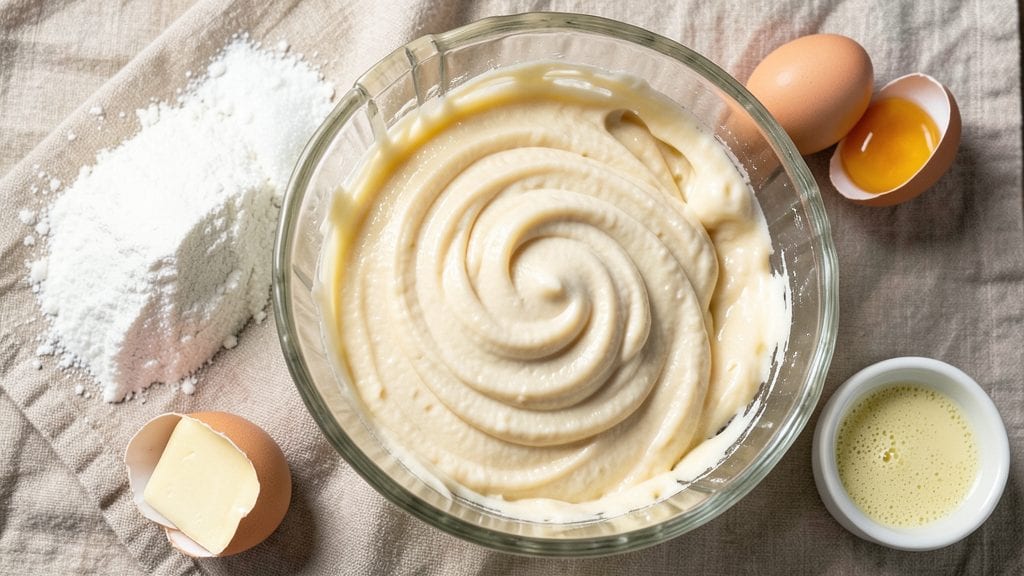
This cake donut batter recipe delivers the perfect balance of tender interior and crispy exterior—achieved through a unique baking technique that transforms ordinary donuts into bakery-quality treats. The secret lies in the double-bake method, which ensures that every bite has that signature cake-like texture while maintaining a satisfying crunch. I developed this recipe after years of experimenting with different ratios of flour, sugar, and eggs to achieve the ideal consistency.
What sets this recipe apart is the precision in mixing and baking times, which prevents the donuts from becoming too dense or overly sweet.
The batter is light yet sturdy enough to hold its shape during the first bake, and the second baking cycle is where the magic happens—creating those coveted crispy centers without compromising tenderness.
This method also eliminates the need for frying, making it a healthier alternative that still delivers on flavor and texture.
By the time you're done, you'll have golden-brown donuts with a delicate crumb and a satisfying snap when bitten into. The double-bake process ensures they stay fresh longer, making them perfect for meal prep or sharing with friends.
Whether you glaze them with a classic vanilla icing or dust them with powdered sugar, these donuts will be the star of your dessert table.
This recipe is designed for consistency, so you can achieve professional results every time. The key is patience—allowing the batter to rest and baking the donuts at precise temperatures. Once you master this technique, you'll never go back to store-bought donuts again. Let's get started on creating your perfect batch!
Ingredients for cake donut batter
Double-baked donuts with crispy centers and tender crumb—here’s what you need!
| Ingredient | Amount | Notes |
|---|---|---|
| All-Purpose Flour 🌾 | 3 ½ cups | Sifted for light texture |
| Granulated Sugar 🍬 | 1 ½ cups | Superfine for even sweetness |
| Large Eggs 🥚 | 5 whole | Room temperature preferred |
| Unsalted Butter 🧈 | ¾ cup | Melted and cooled slightly |
| Active Dry Yeast 🍄 | 2 ¼ tbsp | Instant yeast works too |
| Milk 🥛 | ¾ cup | Warm for yeast activation |
| Vanilla Extract 🌿 | 2 tsp | Pure vanilla preferred |
| Salt 🧂 | 1 ½ tsp | Fine grain for precision |
| Cornstarch 🌽 | 1 tbsp | For extra crispiness |
| Baking Soda 🔥 | ½ tsp | For proper rise |
| Vegetable Oil 🫒 | ¼ cup | For greasing pans |
The secret to bakery-style crispiness is the cornstarch and double-bake method. Sift your flour—no lumps, please! I always grab King Arthur flour for this; it’s the gold standard for baking. The yeast is non-negotiable—active dry or instant both work, but don’t skip it. Warm milk (about 110°F) activates the yeast faster. For the butter, unsalted is a must—you’re adding your own salt, so taste control matters. Pro tip: Use a kitchen scale for the flour—425g gives you the perfect cup measurement for consistency.
No cornstarch? Add 1 tbsp extra flour—it’ll help with crispiness, but won’t be quite the same. Substituting vanilla? Vanilla bean paste works, but extract is fine too. Short on eggs? Use 4 whole eggs + 2 egg whites for extra lift. The milk can be whole, 2%, or even almond milk (though it’ll change texture slightly). Trader Joe’s has great vanilla extract—half the price of fancy brands and just as good. And if you’re worried about the double-bake process, start with one batch to test your oven temps before committing to a full dozen.
Let the batter rest 1 hour—, or they’ll spill everywhere. After the first bake, let them cool 5 minutes before the second bake—this prevents sogginess. Store in an airtight container at room temp for 3 days, or freeze for up to 3 months. For the best texture, reheat in a 300°F oven for 5 minutes before serving. These donuts taste even better the next day—trust me!
Why You'll Love This Recipe
- No Yeast Stress: I mix the yeast right into the dry ingredients—no proofing, no waiting. Just toss everything in the bowl and go. The butter and sugar cut through the yeast’s funk, leaving you with a batter that’s ready to fry or bake whenever you are.
- Buttery Sweet Magic: That melted butter folded into the batter? It’s what makes these donuts taste like a bakery’s secret. The sugar caramelizes just enough to give them a crisp shell while keeping the inside light—no greasy aftertaste, just pure comfort.
- Weekday Reinvention: Use half the batter for classic fried donuts, save the rest for cake donuts or even a quick loaf. The yeast keeps it fresh for days, and the flour-to-sugar ratio means it’s forgiving if you double or halve it. Breakfast, dessert, or snack—it’s always a win.
- Pantry Staple Power: Five ingredients, zero specialty items. If you’ve got flour, sugar, eggs, butter, and yeast, you’ve got donuts. I’ve made these with store-bought yeast that sat too long—still worked. Budget-friendly, reliable, and no last-minute grocery runs needed.
Step-by-step instructions for cake donut batter
Here's how to transform simple ingredients into donuts with that legendary crispy center everyone craves.
Activate the Yeast with Warm Milk
In a small bowl, combine the 0.75 cup warm milk (about 110°F) with the 2.25 tbsp active dry yeast. Stir gently and let sit for 5-10 minutes until foamy. You should see noticeable bubbles forming—this means your yeast is alive and ready to work its magic. If it doesn't foam, start over with fresh yeast because dead yeast won't give you that perfect rise.
While waiting, melt the 0.75 cup unsalted butter in a microwave-safe bowl in 30-second intervals, stirring between each, until completely melted. Let it cool slightly to 110°F—it should be warm to the touch but not hot. This temperature ensures you don't scramble the eggs when you mix them in later. The butter's warmth helps create a tender, fluffy batter that bakes up light and airy.
Mix Dry Ingredients for Perfect Texture
In a large mixing bowl, whisk together the 3.5 cups all-purpose flour, 1.5 cups granulated sugar, 1.5 tsp salt, 0.5 tsp baking soda, and 1 tbsp cornstarch. Sift the flour first if you want an extra-light texture—this prevents dense donuts. The cornstarch is the secret weapon here; it creates that signature crispy shell while keeping the center tender. Mix these dry ingredients until they're completely combined with no flour clumps remaining.
Make a well in the center of the dry mixture and add the 5 whole large eggs, one at a time, mixing just until each egg is incorporated. Add the vanilla extract and mix until the batter starts to come together. The batter should be thick but still pourable—like a very thick cake batter. If it's too dry, add 1-2 tablespoons of the warm milk to loosen it up. This step is crucial for that perfect cake donut texture that's neither too cakey nor too doughy.
Combine Wet Ingredients for Fluffy Batter
Pour the yeast-milk mixture and melted butter into the bowl with the dry ingredients. Using a hand mixer or stand mixer with the paddle attachment, mix on low speed for 2 minutes until everything is fully combined. Scrape down the sides of the bowl with a spatula to ensure all the ingredients are evenly distributed. The batter should be smooth and glossy with a thick, almost pudding-like consistency.
Here's the thing—don't overmix. You want to incorporate all the ingredients without developing too much gluten, which would make your donuts tough. Stop mixing as soon as the batter comes together smoothly. The perfect batter should coat the back of a spoon and hold its shape when you lift it. This consistency ensures your donuts will rise beautifully and develop that coveted crispy shell.
First Bake for Even Rising
Preheat your oven to 350°F and grease a 12-cup donut pan thoroughly with 0.25 cup vegetable oil, making sure to coat every crevice. The oil prevents sticking and helps create that golden-brown crust. Pour the batter into the prepared donut pan, filling each cavity 3/4 full. Tap the pan gently on the counter to release any air bubbles that might have formed.
Bake for 12-15 minutes until the donuts are light golden brown on top and the edges begin to pull away slightly from the pan. They should spring back slowly when touched—this indicates they're done. The first bake is all about even rising and setting up the structure for that crispy center. Don't overbake here; you want them to be slightly underdone in the middle. Remove from the oven and let them cool in the pan for 5 minutes before transferring to a wire rack.
Second Bake for Crispy Perfection
Return the cooled donuts to the oven and bake at 375°F for 8-10 minutes until they're deep golden brown and the centers are firm to the touch. This second bake is where the magic happens—it dries out the centers just enough to create that signature crispy texture while keeping the outside perfectly browned. Watch them closely toward the end; donuts can go from perfect to burnt in seconds.
Remove from the oven and let them cool for 2-3 minutes before serving. The contrast of the crispy exterior and tender, slightly crispy center is what makes these donuts so irresistible. For extra flair, dust with powdered sugar or roll in cinnamon sugar while still warm. The secret to these donuts isn't just the double bake—it's the precise balance of ingredients and timing that creates that perfect texture every time.
Pro Tips For Making Cake Donut Batter
- Proof the Yeast First: Skip this step, and your donuts will taste flat and dense—yes, even if the recipe says "active dry yeast." Mix 1 tsp yeast with ½ cup warm water (105°F, not hot) and let it sit until foamy (about 5-7 minutes). If it doesn’t bubble, toss it and start fresh; dead yeast ruins everything.
- Whip the Butter: Don’t just melt the butter—beat it with the sugar until it’s pale and fluffy. This isn’t just for looks; it incorporates air, which makes your cake donuts light as a cloud (and stops them from turning out like a brick). Use room-temperature butter, or you’ll fight the mixer.
- Sift the Flour Twice: I learned this the hard way—after my first batch turned out gummy because I skipped sifting. Lightly sift the flour before adding it to the wet ingredients, then sift it again when mixing. This cuts lumps and ensures even distribution of yeast, so your donuts rise properly—not just in spots.
- Fry at 350°F, Not Too Hot: High heat gives you a crispy exterior, but cake donuts need gentle frying to cook through evenly. 350°F is perfect—test with a tiny piece of batter first. If it browns too fast, lower the heat by 10°F. Overcrowding the fryer? Steer clear—it drops the oil temperature and makes for soggy donuts.
Common mistakes when making this dish
Overmixing the Batter
I’ve ruined more donuts than I’d admit by overmixing the batter—gluten develops too much, turning your light, airy cake donuts into dense, chewy bricks. Mix just until the ingredients combine smoothly (about 2 minutes on low speed).
The perfect batter should coat the back of a spoon and hold its shape when lifted. If you keep mixing after it comes together, you’re on your way to donut disaster. 💫
Skipping the Resting Time
This is a non-negotiable step—letting the batter rest for 1 hour before baking prevents spillage and ensures even rising. The gluten relaxes, and the yeast gets one last chance to activate.
I’ve seen batters that didn’t rest spread all over the pan like a lava lamp. Trust the process: patience = perfect donuts.
Incorrect Oven Temperature
Your oven might say 350°F, but it’s probably hotter or colder—calibrate it with an oven thermometer. Too hot? Your donuts burn before the centers cook. Too cool? They’ll be gummy and underdone.
I’ve had batches where the edges were perfect but the centers stayed raw. Preheat for 30 minutes and use that thermometer—it’s your secret weapon for consistency. 🌡️
Overfilling the Donut Pan
Filling those donut cavities more than ¾ full guarantees messy overflow and uneven baking. The batter needs room to rise, or you’ll end up with donuts that look like they’ve been through a blender.
I’ve seen batters spill over the edges, creating a sticky mess that’s impossible to clean. Measure carefully—use a spoon or small cup to level the batter.
Neglecting the Second Bake
The second bake at 375°F is what gives these donuts their legendary crispy centers. Skipping it or underbaking leaves them soft and cake-like.
I’ve had batches where I rushed and ended up with donuts that tasted more like muffins. Watch closely—they’re done when golden brown and firm to the touch. A toothpick should come out clean (or with a few moist crumbs).
Using Cold Ingredients
Cold butter, eggs, or milk can cause the batter to separate or rise unevenly. Room-temperature ingredients (around 70°F) blend smoothly and create a uniform texture.
I’ve had batches where the butter didn’t incorporate properly because it was straight from the fridge. Let everything sit out for 30 minutes before mixing—your donuts will thank you. ⏰
Nutrition facts
Frequently asked questions
Why does this recipe use a double-bake method?
The double-bake creates that signature crispy center while keeping the exterior tender. The first bake at 350°F sets the structure, while the second at 375°F dries the centers just enough for that satisfying crunch. It’s what separates homemade from bakery-style donuts!
Can I make these without a donut pan?
Use muffin tins or even a round cookie cutter to shape the batter into balls before baking. For best results, flatten them slightly before the first bake. The double-bake method still works—just adjust baking times by 2-3 minutes per side.
How do I store leftover donuts?
Keep them fresh in an airtight container at room temperature for 3 days. For longer storage, freeze them for up to 3 months. Reheat in a 300°F oven for 5 minutes to restore crispiness. They actually taste better the next day!
What’s the best way to glaze these donuts?
For a classic finish, use a vanilla glaze (powdered sugar + milk + vanilla). Let the donuts cool completely first. For extra flair, try a cinnamon sugar dip or chocolate ganache. Pro tip: Dip warm donuts for a smoother coating.
Can I substitute butter with oil?
Yes, but expect a slightly denser texture. Use 0.75 cup melted coconut or vegetable oil instead. The fat content stays similar, but butter adds richness. For best results, stick with butter—it’s worth the difference in flavor and texture!