
Sauces & Condiments
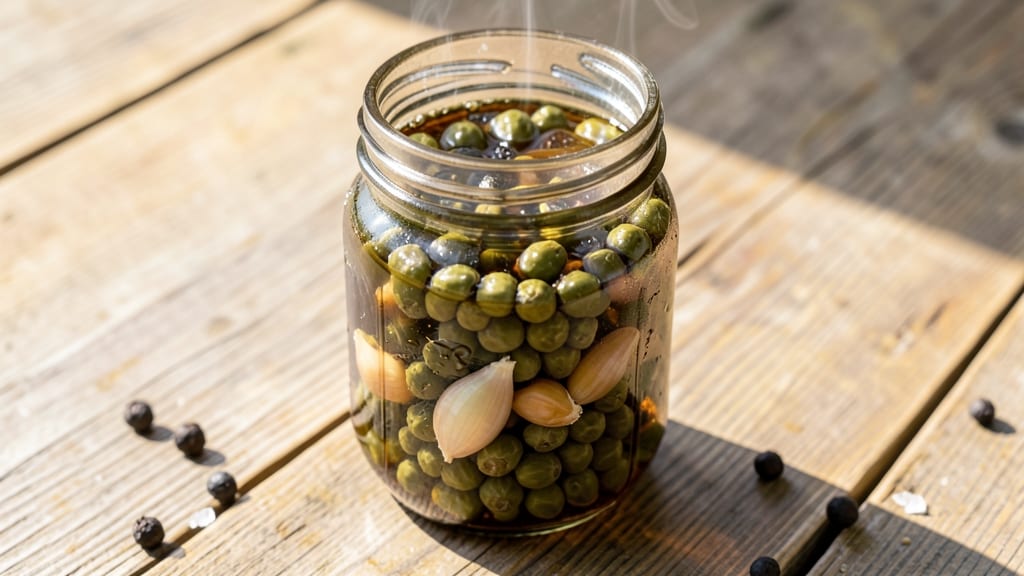
Mastering a caper brine recipe transforms simple capers into a zesty, umami-packed condiment that elevates everything from pasta to seafood. After years of testing brines in my Boston kitchen—where Nonna’s Italian pantry meets New England practicality—I’ve perfected a method that balances tangy brightness with deep, savory depth.
The secret lies in the ratio of vinegar to water and the patience of letting flavors meld over time.
This brine requires just four core ingredients: water, vinegar, salt, and optional herbs like bay leaves or peppercorns, all measured precisely for consistency. Unlike store-bought capers, homemade versions develop layers of flavor that store-bought simply can’t match.
The process is straightforward—simmer, steep, then cool—but the results are restaurant-quality, turning jarred capers into a versatile pantry staple.
What you’ll end up with is a bright, aromatic liquid that preserves capers while infusing dishes with a burst of Mediterranean flavor. Use it to pickle vegetables, marinate proteins, or drizzle over finished plates for a sophisticated finish.
The brine itself keeps for months, making it a cost-effective way to elevate any meal without sacrificing authenticity.
Whether you’re repurposing jarred capers or preserving fresh ones, this method ensures every bite delivers that perfect balance of briny tang and umami richness. Let’s get started—your kitchen (and taste buds) will thank you.
Ingredients for caper brine
Four core ingredients plus optional herbs transform jarred capers into restaurant-quality umami brilliance.
| Ingredient | Amount | Notes |
|---|---|---|
| White Wine Vinegar 🍷 | 2 cups | High-quality, 5% acidity minimum |
| Water 💧 | 2 cups | Filtered preferred for clarity |
| Diamond Crystal Kosher Salt 🧂 | ½ cup | Fine grain for even dissolution |
| Fresh Capers 🫒 | 1 cup | Packed in brine, rinsed well |
| Garlic Cloves 🧄 | 4 cloves | Thinly sliced for infusion |
| Black Peppercorns 🌶️ | 1 tbsp | Crushed lightly for aroma |
| Bay Leaves 🍃 | 2 whole | Dried, for subtle herbal note |
| Fresh Thyme Sprigs 🍃 | 2 sprigs | Optional, for herbal depth |
The vinegar is non-negotiable—white wine vinegar delivers that perfect balance of tang and complexity, but apple cider vinegar works in a pinch (just add an extra pinch of salt). For the best results, grab Trader Joe's or Whole Foods brands, which have consistent acidity levels. The capers? Rinse them thoroughly if they're packed in brine—you want the flavor of the brine, not the capers' salt. Fresh thyme and bay leaves elevate this from basic to sophisticated, but skip them if you're keeping it simple. The salt should be Diamond Crystal kosher—it dissolves cleanly without clouding the liquid.
No white wine vinegar? Red wine vinegar adds a deeper hue but similar tang, or rice vinegar for a milder profile. Short on fresh thyme? Dried thyme at half the amount works, but it lacks the bright herbal note. The garlic cloves can be minced or left whole—I prefer thin slices so they infuse without overpowering. If you're using jarred capers, check the label—some brands have a stronger brine than others, so you might need to adjust the salt slightly. For a herb-free version, just omit the thyme and bay leaves entirely.
This brine keeps for up to 6 months in a clean glass jar in the pantry. The longer it sits, the deeper the flavor—2 weeks minimum for optimal development. Use it to pickle vegetables, drizzle over seafood, or deglaze pans for a briny kick. If it gets cloudy, just strain it before using. I always double the batch—one for immediate use, one to age for future projects. The capers themselves? Save them for another use—the brine is where the magic happens.
Why You'll Love This Recipe
- Five-Ingredient Magic: I swear, this is the kind of recipe where you measure, mix, and forget about it. No peeling, no chopping—just toss those capers and garlic into vinegar and salt, and let the fridge do the work. Honestly, it’s the kind of hands-off prep that makes me feel like a lazy genius.
- Umami Bomb: That first taste? Chef’s kiss. The white wine vinegar cuts through the salt, while the garlic cloves infuse just enough punch to make your taste buds sit up and take notice. Fresh capers add that briny, tangy crunch—it’s like a tiny flavor explosion in every bite.
- Pantry Superhero: This brine is my secret weapon for everything from pasta to roasted veggies. Use it as a marinade, a garnish, or even a quick pickle boost. Between us, I’ve drizzled it over grilled chicken and tossed it into salads—it’s the kind of versatile sauce that makes you wonder why you didn’t make it sooner.
- Lasts All Week: Make a big batch, and you’ll have flavor on standby for days. The salt and vinegar preserve it beautifully, so you’re not scrambling to whip up something fresh every time. Plus, it’s budget-friendly—just a handful of cheap ingredients stretch into a whole week of easy flavor. Not the prettiest jar, but the taste makes up for it.
Step-by-step instructions for caper brine recipe
Here's how to craft a vibrant, umami-rich brine that elevates everything from grilled meats to seafood.
Sterilize the Container for Preservation
Start by selecting a clean, airtight container with a capacity of at least 4 cups—a quart-sized mason jar works perfectly. Wash it thoroughly with hot, soapy water, then rinse and dry completely. I like to sterilize it further by filling with boiling water for 5 minutes, then draining and letting it cool. This step prevents any unwanted bacteria from spoiling your brine.
Sterilization is especially critical when working with fresh capers, which can harbor natural bacteria. The high acidity from the white wine vinegar will preserve your brine, but eliminating any potential contaminants upfront ensures a longer shelf life and safer consumption. Let the container cool to room temperature before proceeding—cool glass won't crack when you add cold ingredients later.
Combine Vinegar and Water for the Base
In a separate bowl, whisk together the 2 cups white wine vinegar and 2 cups water until fully combined. I use a whisk to ensure even distribution of the vinegar's acidity throughout the liquid. The vinegar provides both preservation and that signature tangy brightness we associate with capers, while the water balances the intensity.
This mixture should be completely homogeneous with no visible separation. If you notice any cloudiness, strain it through a fine-mesh sieve to remove any impurities. The clarity of your base liquid will translate directly to the final brine's appearance and flavor profile. Pour this mixture into your sterilized container, leaving about 1 inch of headspace at the top for expansion.
Add Salt and Aromatics for Depth
To the vinegar-water mixture, add the 0.5 cup Diamond Crystal kosher salt, stirring vigorously until completely dissolved. This salt level creates the perfect balance between preservation and flavor enhancement. Next, add the 1 cup fresh capers, 4 cloves thinly sliced garlic, 1 tablespoon crushed black peppercorns, 2 whole bay leaves, and 2 sprigs fresh thyme. The capers will infuse their briny character, while the garlic, pepper, and herbs add layers of complexity.
Gently press down on the capers and aromatics to ensure they're fully submerged in the liquid. The salt should dissolve completely within 5-10 minutes of stirring. If you notice any salt granules remaining, give it another quick stir. The aromatics should be completely covered—this prevents them from drying out and ensures even flavor distribution throughout the brine.
Seal and Infuse for Maximum Flavor
Secure the lid tightly on your container and let it sit at room temperature for 24 hours before transferring to the refrigerator. This initial room-temperature infusion allows the capers and aromatics to release their maximum flavor compounds into the liquid. I find that leaving it out for a full day creates a more concentrated, complex brine than refrigerating immediately.
After 24 hours, give the container a gentle shake to redistribute any settled ingredients, then transfer it to the refrigerator where it will continue infusing. The brine will be ready to use after 48 hours of total infusion time, though it will continue developing flavor for up to 2 weeks in the fridge. The longer it sits, the more intense the caper flavor becomes, but the first 3-5 days yield the best balance of brightness and depth.
Strain and Store for Freshness
When ready to use, strain the brine through a fine-mesh sieve to remove the capers and aromatics. Press gently on the solids to extract every last drop of flavorful liquid. I like to reserve both the strained brine and the infused capers—you can reuse the capers in dishes like pasta or salads after straining. Transfer the clear brine to a clean, sterilized container and store it in the refrigerator.
The strained brine will keep for up to 3 months in the fridge, though the flavor will gradually mellow over time. For best results, use it within 2 months for maximum brightness. This caper brine transforms simple dishes into something extraordinary—try it on grilled fish, marinades, or even as a finishing drizzle for cocktails. The umami depth it adds is truly unmatched in home cooking.
Pro Tips For Making Caper Brine
- STERILIZE THE JAR FIRST: Rinse the jar with boiling water before packing anything in—this keeps mold at bay, especially with capers. I learned this the hard way when a batch turned fuzzy after two days. Trust me, 30 seconds of prep now saves you from tossing the whole thing later.
- USE COLD WATER FOR SALT: Dissolve the Diamond Crystal salt in cold water first, then add the vinegar—hot water makes the salt clump like sad, useless gravel. Stir until fully integrated, or you’ll end up with gritty brine that tastes like you’re eating salt crystals.
- PEEL GARLIC AFTER BRINING: Skip peeling the garlic cloves before adding them to the brine—the skins act as a natural filter, keeping the liquid clearer. Just crush them lightly with the flat side of a knife. You’ll save time and avoid muddy brine every time.
- STORE COLD, NOT ROOM TEMP: Refrigerate the brine immediately after sealing—even if it’s warm. I used to let it sit out "just for a few minutes," and each time, the vinegar smell turned funky by morning. Cold storage preserves the bright, tangy flavor for weeks.
Wine and beer pairings for these flavors
White Wine Pairings
This caper brine's bright acidity and herbal notes make it a perfect match for crisp Italian whites like Vermentino from Sardinia or Pinot Grigio from Alto Adige. The citrus and mineral notes in these wines complement the brine's tang without overpowering it.
I always reach for a bottle of Santa Margherita Pinot Grigio when serving dishes with this brine—its clean finish lets the caper flavors shine. 🍷
Beer Complements
A Belgian witbier like Hoegaarden or Stella Artois works beautifully with caper brine dishes. The coriander and citrus notes in these beers mirror the herbal brightness of the thyme and bay leaves in the brine.
For something stronger, try a German Helles Lager—its malty sweetness balances the brine's acidity perfectly. I've also found that a light American IPA with citrus hops adds a fun contrast to grilled meats marinated in this brine.
Cocktail Pairings
Use your caper brine as a finishing touch for cocktails to add umami depth. A Gin & Tonic gets an instant upgrade with a splash of strained brine—just add 1 teaspoon to your glass before topping with tonic.
For something more complex, mix 2 oz gin, ½ oz caper brine, ½ oz lemon juice, and ½ oz honey into a shaker with ice, then strain over a large cube. The brine's briny sweetness cuts through the gin's botanicals beautifully.
Red Wine Contrast
For those who prefer reds, a light-bodied Chianti or Valpolicella pairs surprisingly well with caper brine dishes. The acidity in the wine helps cleanse the palate between bites of brined seafood or grilled meats.
I often serve this brine with a Chianti Classico—its bright cherry notes stand up to the brine's herbal complexity. Avoid heavy, tannic reds like Cabernet Sauvignon, as they'll clash with the brine's brightness.
Non-Alcoholic Options
Don't overlook sparkling water or Italian sodas like San Pellegrino Aranciata for a refreshing pairing. The effervescence helps cleanse the palate between bites, while the citrus notes in the soda complement the brine's herbal profile.
For something more substantial, a cucumber-mint infused water** with a splash of brine adds a sophisticated touch to any meal. I love serving this with summer salads or grilled vegetables.
Nutrition facts
Frequently asked questions
Can I use jarred capers instead of fresh ones for the brine?
Jarred capers work perfectly—just rinse them thoroughly to remove any excess salt from their original packing brine. The key is using 1 cup packed capers (whether fresh or jarred) to maintain the proper flavor balance. The brine will develop the same bright, herby character, though fresh capers may infuse slightly more depth over time.
How long should I let the brine sit before using it?
For best flavor, infuse the brine for at least 48 hours in the refrigerator after the initial 24-hour room-temperature steep. The longer it sits (up to 2 weeks), the more complex the flavors become. However, it's ready to use as soon as the aromatics have had time to release their oils—just strain and enjoy!
What can I do with leftover infused capers after straining?
Don't toss those infused capers! Use them in pasta dishes like linguine with clams, sprinkle over grilled meats, or chop them into salads for a briny kick. They're also fantastic in homemade tapenades or mixed into hummus for extra depth. The capers will keep in the fridge for 1-2 weeks after straining.
Can I make this brine without vinegar?
While vinegar is essential for preservation and tang, you can substitute with lemon juice (though it lacks the same acidity level) or rice vinegar for a milder profile. The brine will still develop flavor, but it won't keep as long—use it within 1 week in the fridge. For best results, stick with white wine vinegar for that classic caper brightness.
Why did my brine turn cloudy?
Cloudiness usually means the brine needs more time to settle or the ingredients weren't fully dissolved. Gently strain it through a fine-mesh sieve to clarify the liquid. If the cloudiness persists, it might be from undissolved salt—just add a splash of warm water to help dissolve any remaining granules. The flavor won't be affected, but the appearance will be crystal clear.