
Desserts
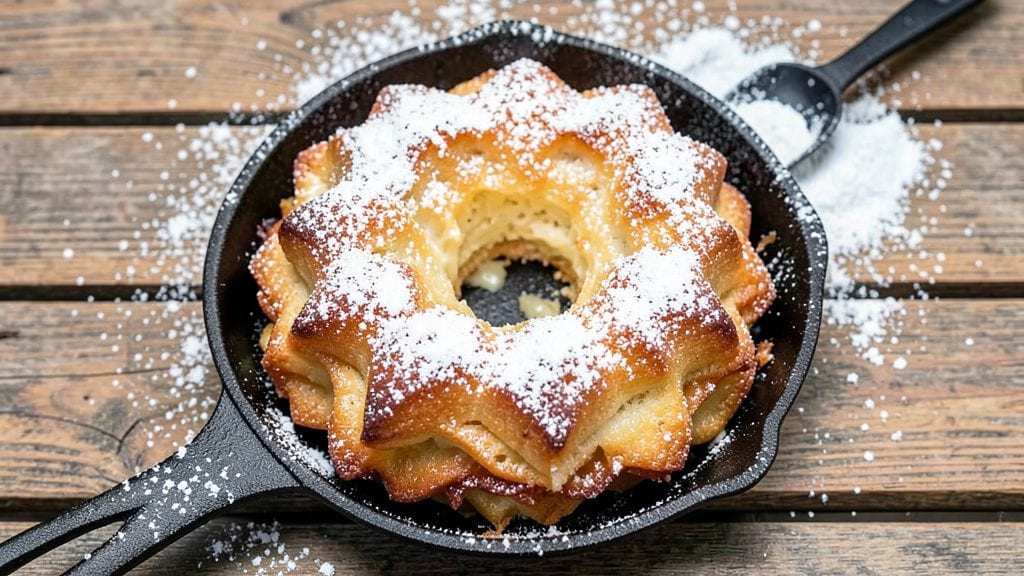
Carnival funnel cake recipe brings that nostalgic fairground magic to your kitchen with its signature crispy exterior and pillowy interior. The secret lies in the perfect batter-to-oil ratio and precise frying technique that transforms simple ingredients into golden, airy squares.
I've perfected this recipe after years of testing—no more soggy centers or greasy results.
This classic carnival treat starts with a light batter made from flour, eggs, milk, and a touch of vanilla, then fried to a golden finish in hot oil. The real art comes in the dusting—generous clouds of powdered sugar that melt slightly into the warm cake for that signature sweetness.
Every bite delivers that perfect contrast between crispy edges and tender interior.
What makes this recipe special is how it captures the authentic carnival experience at home. The batter should be thick enough to hold its shape but thin enough to create those beautiful air bubbles.
Frying at the right temperature ensures even cooking without absorbing too much oil. Once golden, the powdered sugar transforms it into a dessert that looks as impressive as it tastes.
Serve immediately with optional toppings like fresh berries, whipped cream, or caramel drizzle for extra indulgence. This recipe delivers the same excitement as a carnival treat but with professional results you can recreate anytime. Let's get started on making this crowd-pleaser!
Ingredients for carnival funnel cake
Light batter, hot oil, and powdered sugar clouds—here’s what you’ll need for carnival magic at home.
| Ingredient | Amount | Notes |
|---|---|---|
| All-Purpose Flour 🌾 | 2 cups | Sifted for light texture |
| Granulated Sugar 🍚 | ½ cup | For batter sweetness |
| Baking Powder 🧂 | 1 tbsp | Aluminum-free preferred |
| Salt 🧂 | ½ tsp | Fine sea salt |
| Large Eggs 🥚 | 4 whole | Room temperature preferred |
| Whole Milk 🥛 | 1 ½ cups | Full-fat for richness |
| Pure Vanilla Extract 🍯 | 1 tbsp | Imitation-free preferred |
| Vegetable Oil 🫒 | 4 cups | For deep frying (350°F) |
| Powdered Sugar 🍚 | 2 cups | Confectioners' sugar |
| Unsalted Butter 🧈 | ½ cup | Melted for optional drizzle |
| Fresh Berries 🍓 | 1 cup | Optional garnish (strawberries, blueberries) |
| Whipped Cream 🍦 | ½ cup | Optional garnish (homemade preferred) |
The flour is non-negotiable—King Arthur or Gold Medal brands work best for that signature crispy-yet-light texture. Sift it before mixing to avoid lumps, and measure by scooping and leveling for accuracy. Eggs should be room temperature for even cooking, so take them out 30 minutes before starting. The vegetable oil needs to be 350°F—use a deep fry thermometer. Costco or Trader Joe’s sell bulk oil in large containers, which is ideal for frying multiple batches. For the powdered sugar, Domino brand is my go-to—it’s fine and dusts evenly without clumping.
No vanilla extract? Vanilla bean paste works in a pinch, or 1 tsp vanilla sugar (though it’s less potent). Short on milk? Heavy cream adds richness, but whole milk keeps it authentic. The baking powder must be fresh—if it’s over a year old, toss it. For the berries, strawberries or blueberries add color, but raspberries stain the sugar beautifully. If you’re making this ahead, store the dry ingredients separately—the batter keeps for 24 hours in the fridge, but the oil should be freshly heated each time for best results.
The batter will thicken slightly as it sits—whisk it again before frying. Leftover oil? Strain it and reuse once more for frying (then discard). Store powdered sugar in an airtight container to prevent clumping. These cakes are best served immediately, but if you must reheat, 30 seconds in the oven at 300°F revives the crispiness. For a crowd of 10, double the recipe—just ensure your fryer is large enough to handle the volume without overcrowding.
Why You'll Love This Recipe
- I’ll be real: this tastes like a $10 dessert but costs way less. A bag of flour, a box of sugar, and a few eggs stretch to feed a crowd without breaking the bank. And leftovers? Toss them in the air fryer for crispy seconds—no one will complain.
- Five-Ingredient Magic: I swear, this recipe lives up to its name. Just flour, sugar, baking powder, salt, and eggs—no fancy shortcuts, no hunting for obscure spices. The batter comes together faster than you can say "powdered sugar shower," and honestly, that’s half the fun.
- Crispy-Goey Perfection: That first golden-brown bite? Chef’s kiss. The outside stays delightfully crisp while the inside stays tender—thanks to the baking powder’s gentle lift and the eggs binding everything just right. Drizzle it with sugar, and you’ve got pure carnival nostalgia in every forkful.
- Crowd-Pleaser Anywhere: Between us, this is my go-to for birthday parties, church potlucks, or even lazy Sunday mornings. (Yes, even on a Tuesday night.) It’s the kind of dish that disappears fast—kids, adults, picky eaters—everyone loves it. Plus, you can make the batter ahead and fry it fresh when guests arrive.
Step-by-step instructions for carnival funnel cake recipe
Here's the method that delivers crispy, golden funnel cakes with light, airy interiors every time.
Whisk Dry Ingredients to Create a Smooth Batter
In a large mixing bowl, combine the 2 cups all-purpose flour, 0.5 cup granulated sugar, 1 tablespoon baking powder, and 0.5 teaspoon salt. Use a whisk to blend these dry ingredients thoroughly for about 30 seconds—this ensures even distribution and prevents lumps in your batter. I like to sift the flour first for an extra-light texture, but if you don't have a sifter, just whisk vigorously to break up any clumps.
Set this bowl aside temporarily. The key here is patience—rushing the mixing can develop gluten, making your funnel cakes dense instead of light. You'll notice the mixture should look uniformly pale with no visible flour streaks remaining after whisking.
Incorporate Wet Ingredients for a Silky Batter
In a separate bowl, crack the 4 whole large eggs and whisk them lightly. Add the 1.5 cups whole milk and 1 tablespoon pure vanilla extract, then whisk until completely smooth. The reason for separating the wet ingredients is to prevent the flour from absorbing too much liquid too quickly, which can create a gummy batter.
Now, gradually pour the wet mixture into the dry ingredients while whisking continuously. Start slow to control the consistency—you want a smooth, pourable batter that coats the back of your spoon. If it looks too thick at first, add 1-2 tablespoons of milk to reach the perfect pouring consistency. The batter should be like heavy cream but still flow easily when poured.
Heat Oil to 350°F for Perfect Frying
Fill a deep fryer or heavy pot with 4 cups vegetable oil and heat it to 350°F. Use a deep-fry thermometer to monitor the temperature—this is critical for achieving crispy funnel cakes. If the oil isn't hot enough, the cakes will absorb too much oil and become greasy. If it's too hot, they'll burn on the outside before cooking through.
Here's the thing—maintain the oil temperature consistently. Every time you add batter, the oil temperature will drop slightly. Let it recover to 350°F before adding the next portion. I've found that using a fryer with a built-in thermostat makes this much easier, but if you're using a pot, keep it over medium heat and monitor closely.
Fry Small Portions for Even Cooking
Using a ladle or funnel (hence the name!), carefully pour ¼ cup portions of batter into the hot oil. Work in small batches—overcrowding the fryer lowers the oil temperature and leads to uneven cooking. The batter will immediately begin to bubble and rise as it hits the hot oil. Let each funnel cake cook undisturbed for 2-3 minutes until golden brown on the bottom.
Here's where it gets fun—when the bottom is golden and the cake releases easily from the oil, it's time to flip. Use a slotted spatula to carefully turn the funnel cake. Cook for another 2-3 minutes on the second side until evenly golden brown. You'll know it's done when the exterior is crispy all over and the interior looks set but still light. Remove to a paper towel-lined plate to drain excess oil.
Serve Immediately with Classic Toppings
While still warm, dust the funnel cakes generously with 2 cups powdered sugar using a fine-mesh sieve. This creates that signature carnival powdered sugar cloud. I like to work quickly here—funnel cakes are best served immediately when they're at their crispiest. The powdered sugar will melt slightly from the heat, creating that perfect dusting effect.
For serving, arrange each funnel cake on a plate and drizzle with melted 0.5 cup unsalted butter if desired. Top with 1 cup fresh berries and 0.5 cup whipped cream for a fresh, fruity contrast. The combination of warm, crispy funnel cake with cool whipped cream and juicy berries makes each bite a perfect balance of textures and temperatures.
Pro Tips For Making Carnival Funnel Cake
- CHILL THE BATTER: This isn’t a cake—it’s a dough that needs to rest. Let the batter sit for at least 30 minutes before frying. I used to skip this and ended up with dense, greasy cakes that soaked up too much oil. Cold batter fries faster and forms those perfect, airy pockets.
- USE COLD EGGS: Pull eggs straight from the fridge—room temperature eggs make the batter too runny. Cold eggs firm up the structure, so the funnel cakes hold their shape when you pour them. (Yes, even if you’re impatient like me.)
- ADJUST HEAT BY COLOR: Your oil should be around 375°F (190°C), but don’t trust the thermometer alone. Test it: drop in a tiny bit of batter—if it sizzles and turns golden in 30 seconds, you’re golden. Too hot? It’ll burn before puffing.
- SIFT THE FLOUR: Baking powder is picky—lumpy flour means uneven rising. Sift the dry ingredients together before mixing, then whisk in the wet. My grandmother swore by this, and she was right: no more flat, dense cakes. (Does it take 30 seconds extra? Yes. Worth it? Absolutely.)
Pro cooking tips for this recipe
Batter Consistency Secrets
The magic of carnival funnel cakes starts with the batter—it needs to be thick enough to hold its shape but thin enough to create those signature air bubbles. I aim for a consistency similar to heavy cream when I pour it from the ladle.
If your batter looks too thin, whisk in 1 tablespoon of flour at a time until it reaches the right thickness. Conversely, if it's too thick, add 1 tablespoon of milk gradually.
The key is patience—let the batter rest for 10 minutes before frying to allow the flour to fully hydrate. This resting time prevents a gummy texture and ensures those beautiful bubbles form during frying. 💫
Oil Temperature Control
Maintaining the oil at a steady 350°F is non-negotiable for perfect funnel cakes. I use a ThermoWorks Thermapen to monitor the temperature—it's worth the investment. If the oil isn't hot enough, your cakes will absorb too much oil and become greasy. If it's too hot, they'll burn before cooking through.
Every time you add batter, the oil temperature drops slightly. Let it recover to 350°F before adding the next portion. I find that frying in small batches of 4-6 cakes at a time helps maintain consistency. 🌡️
Frying Technique Mastery
When frying, use a ladle or funnel to pour ¼ cup portions of batter into the hot oil. The batter should sizzle immediately and begin to rise. Let each funnel cake cook undisturbed for 2-3 minutes until golden brown on the bottom.
Here's my pro tip: when the bottom is golden and the cake releases easily from the oil, it's time to flip. Use a slotted spatula to carefully turn it. Cook for another 2-3 minutes on the second side until evenly golden brown.
The cakes should be crispy on the outside and light as air on the inside. 🔥
Powdered Sugar Dusting
Timing is everything when it comes to dusting with powdered sugar. Work quickly while the funnel cakes are still warm—this is when the powdered sugar creates that signature cloud effect. I use a fine-mesh sieve to dust 2 cups powdered sugar generously over each cake.
The heat from the cakes will cause the sugar to melt slightly, creating a beautiful, snowy appearance. For an extra touch, I like to dust a little extra sugar on top after serving to maintain that carnival look. 🍚
Serving Presentation
Presentation is key for carnival-style funnel cakes. Serve them immediately on a large platter or individual plates. For an authentic carnival feel, arrange the cakes in a circular pattern. Drizzle with melted butter and top with fresh berries and whipped cream for a fresh, fruity contrast.
I often serve them with a side of warm apple cider or a scoop of vanilla ice cream for an extra indulgent treat. The combination of textures and temperatures makes each bite unforgettable. 🍦
Equipment Upgrades
Investing in a few key tools can elevate your funnel cake game. A deep fryer with a built-in thermostat, like the Presto 02711, makes maintaining the oil temperature a breeze.
For frying, I recommend using a slotted spatula with silicone tips—it's gentle on the cakes and easy to clean. A ladle with a long handle helps prevent burns when pouring the batter. These tools might seem like extras, but they make the process smoother and more enjoyable. 💡
Nutrition facts
Frequently asked questions
Can I make funnel cake batter ahead of time?
The batter keeps well for 24 hours in the refrigerator, but let it sit at room temperature for 30 minutes before frying to restore proper consistency. Stir gently and adjust with 1 tablespoon milk if needed. Never refrigerate the fried cakes—they lose crispiness when reheated.
Why did my funnel cakes turn out greasy?
Greasy cakes usually mean the oil wasn't hot enough (350°F is critical). Use a thermometer and maintain temperature between batches. Also check your batter consistency—too thin batter absorbs more oil. For extra crispiness, pat fried cakes gently with paper towels before dusting.
What's the best way to serve funnel cakes for a crowd?
Keep them warm in a 200°F oven on a wire rack while frying more. Serve on a large platter with powdered sugar shakers and toppings like whipped cream, berries, and caramel drizzle. For a carnival vibe, arrange them in a circle with a central bowl of toppings.
Can I use gluten-free flour for this recipe?
Yes, but results may vary. Use a 1:1 gluten-free baking blend and add 1 extra tablespoon xanthan gum to the dry ingredients. Expect slightly denser texture—these won't be as light as traditional versions. Test small batches first to adjust batter consistency.
How do I clean up after frying?
Strain used oil through a fine-mesh sieve into a heatproof container, then discard. Wipe the fryer/pot with paper towels while warm. For stubborn oil residue, use a degreaser spray. Never pour hot oil down drains—it can clog pipes. Store leftover batter in an airtight container for up to 24 hours.