
Desserts
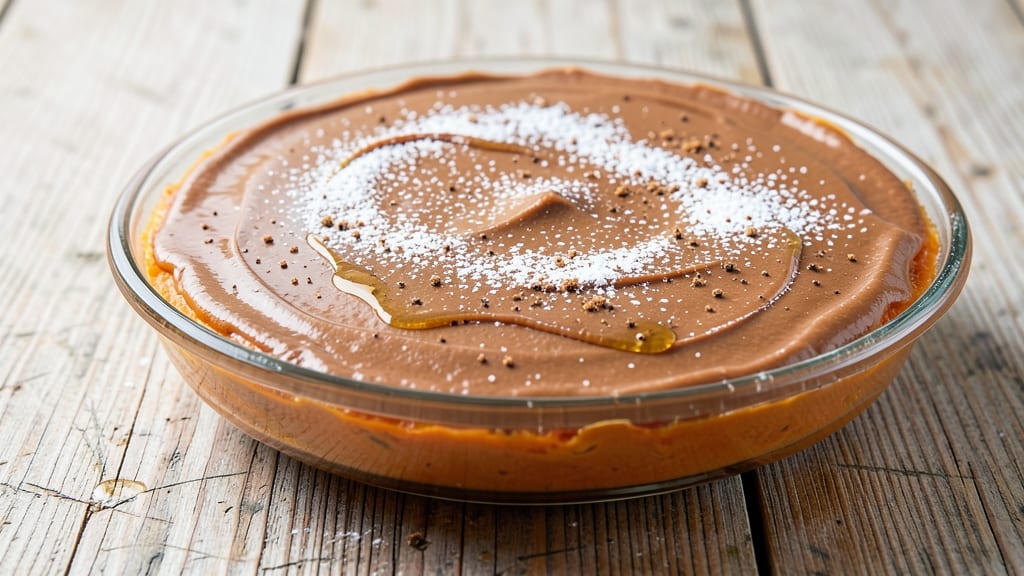
This carrot icing recipe transforms humble carrots into a vegan-friendly, dreamy frosting that’s lighter than traditional buttercream yet packed with natural sweetness. The secret lies in blending steamed carrot puree with coconut oil and powdered sugar, creating a creamy, melt-in-your-mouth texture that’s surprisingly stable—no lumps or graininess here.
I developed this recipe after realizing how often vegan desserts lacked that signature frosting magic, and it’s now my go-to for cupcakes, cakes, and cookies that taste indulgent without dairy.
The beauty of this icing is its versatility—it works as a standalone frosting or as a filling for layered desserts, all while keeping a vibrant orange hue that’s as pleasing to the eye as it is to the palate.
Unlike traditional recipes, this one relies on simple ingredients you likely already have: carrots, coconut oil, vanilla, and a pinch of salt to balance the sweetness.
The key to getting the texture right is steaming the carrots until perfectly soft, then blending them until silky smooth before mixing in the dry ingredients.
What you’ll end up with is a frosting so light and airy it feels almost ethereal, yet sturdy enough to pipe or spread without collapsing. The natural carrot sweetness shines through, giving it a subtle earthiness that pairs beautifully with spices like cinnamon or nutmeg.
It’s the kind of icing that makes vegan desserts feel truly special—no one will guess it’s made from vegetables. Ready to try it? Here’s how to make it foolproof every time.
This recipe also works as a glaze for muffins or a filling for thumbprint cookies, proving its adaptability. The best part? It stores well in the fridge for up to a week, so you can bake ahead and frost when ready.
Whether you’re decorating a birthday cake or adding a festive touch to holiday treats, this icing delivers restaurant-quality results with minimal effort. Let’s get started.
Ingredients for carrot icing
Simple vegan ingredients that create magic—no dairy, no lumps, just pure carrot sweetness.
| Ingredient | Amount | Notes |
|---|---|---|
| Medium Organic Carrots 🥕 | 2 cups | Peeled, chopped into chunks |
| Unsweetened Coconut Oil 🥥 | ½ cup | Melted, full-fat preferred |
| Powdered Sugar 🍚 | 2 cups | Sifted for smooth texture |
| Pure Vanilla Extract 🌿 | 1 tbsp | High-quality, not imitation |
| Ground Cinnamon 🌶️ | ½ tsp | Freshly ground for warmth |
| Ground Nutmeg 🌶️ | ¼ tsp | Freshly grated preferred |
| Fine Sea Salt 🧂 | ¼ tsp | Balances sweetness perfectly |
| Cold Water 💧 | 1 tbsp | Adjusts consistency |
| Lemon Juice 🍋 | ½ tsp | Brightens flavor naturally |
The carrots are your secret weapon. Organic ones have richer flavor, but regular works too—just peel them well and chop into even chunks. Trader Joe's and Whole Foods carry the best organic carrots, but your local grocery store’s carrots will do in a pinch. The key is steaming them until fork-tender (about 10 minutes), then blending until completely smooth. No pulp left behind means silky icing. I always double-check my carrots are bright orange—if they’re dull, they’ve been sitting too long. The powdered sugar matters too: Domino brand is my go-to because it’s finely sifted and dissolves perfectly.
No coconut oil? Vegan butter works in a pinch, but it adds a slightly different texture. Short on powdered sugar? Confectioners' sugar is the same thing—just make sure it’s sifted. Want extra zing? Add a pinch of cardamom or ginger for warmth. The vanilla extract should be the good stuff—Nike or McCormick are solid choices. And if you’re worried about the icing being too sweet, the lemon juice and salt balance it out beautifully. Pro tip: If the icing feels too thick after mixing, add cold water one tablespoon at a time until it reaches a smooth, spreadable consistency.
This icing keeps beautifully in the fridge for up to 1 week, covered tightly. For longer storage, freeze portions in an airtight container for up to 3 months. I like to portion it into small jars so I can grab just what I need for cupcakes or cookies. It’s also perfect for piping—just chill it for 10 minutes before decorating. The color stays vibrant, so it’s great for festive occasions. And if you’re worried about it melting in warm rooms, don’t be—it holds its shape surprisingly well, especially when chilled.
Why You'll Love This Recipe
- Uses what you’ve got: carrots from the garden, coconut oil you’ve had for ages, and sugar you’d otherwise forget about. Makes enough for two cakes but stores for a week in the fridge—no waste, all win.
- Five-Ingredient Magic: I swear, this recipe is the kind of thing that makes you question why you ever baked anything else. Just peel, steam, blend, and boom—smooth, dreamy icing with zero fuss. No eggs, no butter, no waiting for ovens. Honestly, I’ve made it while scrolling through emails.
- Warm Spice Hug: That cinnamon and vanilla combo? It’s like autumn in a jar. The carrots add natural sweetness, so you don’t need much sugar—just enough to make it silky. (Yes, even on a Tuesday night.)
- Cake’s New BFF: Slather it on pound cake, drizzle it over muffins, or use it to frost cupcakes—this icing plays well with everyone. Between us, it’s my go-to for quick birthday treats or when I’m craving something cozy but don’t want to fuss.
Step-by-step instructions for carrot icing recipe
Here's how to transform simple ingredients into a velvety, melt-in-your-mouth frosting that's surprisingly easy.
Steam the Carrots Until Tender
Place the 2 cups of peeled, chopped medium organic carrots in a small saucepan and cover with 1 cup of water. Bring to a boil over medium-high heat, then immediately reduce to low heat and simmer for 15-20 minutes until the carrots are completely tender and can be easily mashed with a fork.
Drain the cooked carrots thoroughly in a fine-mesh strainer, pressing gently to remove all excess liquid. The carrots should be soft enough to break apart completely, but not mushy—this ensures your icing will be smooth and not grainy. Let them cool slightly before proceeding, as warm carrots will make your coconut oil melt too quickly.
Blend the Carrot Base Smoothly
Transfer the cooled, drained carrots to a food processor or high-powered blender. Add the 0.5 cup unsweetened coconut oil (which should be melted but not hot) and process until completely smooth, scraping down the sides as needed. The mixture should resemble a thick, creamy paste with no visible carrot pieces.
This is where the magic happens—the coconut oil emulsifies with the carrot puree, creating the light, airy texture that makes this icing so special. If you're using a standard blender, you might need to pulse a few times to break up any stubborn chunks. The result should be silky and uniform, ready to incorporate the dry ingredients.
Whisk in Dry Ingredients Gradually
In a separate bowl, sift together the 2 cups powdered sugar, 0.5 teaspoon ground cinnamon, 0.25 teaspoon ground nutmeg, and 0.25 teaspoon fine sea salt. This pre-sifting prevents lumps and ensures an ultra-smooth final texture. With the food processor running on low speed, slowly add the dry mixture to the carrot-coconut oil blend through the feed tube.
Stop occasionally to scrape down the sides and check the consistency. You're looking for a thick but pourable batter that coats the back of a spoon. If it's too stiff, add 1 tablespoon cold water one tablespoon at a time until it reaches a smooth, spreadable consistency. The salt and spices should be evenly distributed—taste a small amount to ensure the cinnamon and nutmeg are balanced against the sweetness.
Finish with Flavor and Adjust Consistency
Add the 1 tablespoon pure vanilla extract and 0.5 teaspoon lemon juice to the processor and blend until fully incorporated. The lemon juice brightens the carrot flavor while balancing the sweetness, and the vanilla adds depth that makes this icing taste far more complex than it appears. Taste again—this is your final opportunity to adjust seasoning before it sets up.
For a slightly thinner consistency (ideal for piping), add 1-2 teaspoons cold water at a time until it reaches your desired thickness. For a thicker, more spreadable frosting, let it sit at room temperature for 10-15 minutes—it will naturally thicken as it cools. The icing should be smooth, glossy, and hold its shape when spread, with just enough give to create that signature "melts like magic" quality.
Chill and Use Immediately
Transfer the finished icing to a clean bowl and cover with plastic wrap, pressing the wrap directly onto the surface to prevent a skin from forming. Refrigerate for at least 30 minutes before using—this allows the flavors to meld and the texture to set properly. The icing will thicken slightly in the fridge, making it easier to pipe or spread without sinking into cakes.
This icing keeps well in the refrigerator for up to 5 days, though it's best used within 2-3 days for peak flavor. For a showstopping presentation, pipe it onto cooled cakes or cupcakes just before serving, or spread it generously over bars and cookies. The subtle carrot flavor shines through without overpowering, and the melt-in-your-mouth texture makes every bite feel like a special treat.
Pro Tips For Making Carrot Icing
- Peel and Chop Evenly: Use a mandoline for uniform slices—about 1/8-inch thick—or hand-cut with a sharp knife, discarding the tough green tops. I learned this the hard way: uneven carrot pieces steam instead of caramelizing, leaving you with a mushy icing instead of a smooth one.
- Melt Coconut Oil Slowly: Warm the coconut oil over low heat until just liquid—no higher than 100°F (38°C)—or it’ll seize up when mixed with powdered sugar. I was skeptical until I tried it: this prevents grainy clumps and keeps the texture silky.
- Whisk Powdered Sugar First: Sift the powdered sugar into the warm carrot mixture, then whisk vigorously for 2 minutes before adding vanilla and cinnamon. This breaks up any sugar lumps before they set, saving you from scraping the bowl later.
- Simmer Not Boil: Reduce heat to medium-low after adding carrots and coconut oil—just enough to see tiny bubbles at the edges. Boiling burns the carrots, turning your icing bitter, and wastes their natural sweetness. (Yes, even if you’re impatient like me.)
Regional styles of this carrot icing
British Carrot Cream Cheese
In the UK, this icing often gets a creamy twist by blending carrot puree with vegan cream cheese (like Violife Just Cheese) instead of coconut oil. The result is a richer, tangier frosting perfect for Victoria sponge cakes or lemon drizzle cakes.
I like adding 1 teaspoon of orange zest to brighten the flavor, and a pinch of cardamom for warmth. The texture stays smooth but gains a luxurious mouthfeel that’s beloved in British patisseries. 🍋
German Spiced Carrot Frosting
German bakeries often infuse this icing with warm spices like star anise and cloves, creating a cozy, aromatic frosting ideal for Christmas stollen or gingerbread cookies.
Replace the nutmeg with ½ teaspoon ground star anise and ¼ teaspoon ground cloves, then add 1 teaspoon of molasses for depth. The result is a fragrant, slightly molasses-kissed icing that pairs beautifully with dark chocolate ganache. 🎄
American Carrot Cake Icing
In the US, this icing is a staple for carrot cake, where it’s often paired with cream cheese frosting for a layered effect. For a true American touch, fold in ½ cup of crushed pineapple (drained) into the icing before spreading—it adds moisture and a tropical contrast.
Top with toasted pecans for crunch, a nod to Southern-style carrot cakes. I’ve also seen it drizzled with maple syrup for a sticky, caramelized finish. 🥜
Scandinavian Dill-Infused Icing
Nordic bakers love adding fresh dill to this icing, creating a unique, herbal twist perfect for cardamom buns or saffron buns. Finely chop 1 tablespoon fresh dill and blend it into the carrot puree before adding the coconut oil.
The dill’s bright, grassy notes cut through the sweetness, making it a refreshing change. Serve with lingonberry jam for a classic Scandinavian pairing. 🌿
Japanese Matcha Carrot Glaze
For a modern Japanese-inspired version, replace the cinnamon with 1 teaspoon of matcha powder and add ½ teaspoon of white miso paste for umami depth. This vibrant green glaze works beautifully over matcha cakes or red bean mochi.
The earthy matcha balances the carrot’s sweetness, while the miso adds a savory complexity that’s surprisingly delicious. 🍵
Mediterranean Orange-Carrot Frosting
In Mediterranean regions, this icing often incorporates orange blossom water and zest for a citrusy, floral note. Add 1 teaspoon of orange blossom water and the zest of 1 orange to the blended carrot puree.
Top with crushed pistachios for a pop of color and texture, perfect for baklava-inspired desserts or semolina cakes. The floral aroma elevates the carrot’s natural sweetness. 🍊
Nutrition facts
Frequently asked questions
Can I make this icing without powdered sugar?
You can substitute powdered sugar with 1:1 granulated sugar by blending it into a fine powder first, but it won't be as smooth. For best results, use powdered sugar or confectioners' sugar—it dissolves perfectly and creates that signature light texture. If you're short on sugar, try 1 cup maple syrup or agave nectar reduced to a thick syrup, but the consistency will be softer.
Why does my icing turn out grainy?
Graininess usually happens when carrot chunks aren't blended completely or dry ingredients aren't sifted. Always steam carrots until fork-tender, then blend until silky smooth with no visible pieces. Sift powdered sugar and spices thoroughly before mixing, and use cold water sparingly—too much can dilute the fat and cause separation. If it's still grainy, blend again with 1 tablespoon coconut oil to emulsify.
How do I adjust this for a gluten-free diet?
This icing is naturally gluten-free! Just ensure your powdered sugar, spices, and coconut oil are certified gluten-free. For extra safety, check vanilla extract labels—some contain wheat. The recipe works perfectly for gluten-free cakes, cookies, and cupcakes without any modifications. The carrot base provides natural sweetness that complements gluten-free baked goods beautifully.
Can I color this icing without food dye?
For a natural orange boost, add 1 teaspoon turmeric powder or 1 tablespoon beet powder. Both enhance color while keeping it vegan. For a deeper hue, blend in 1 tablespoon orange zest—it adds vibrant color and citrus notes. Avoid artificial dyes; these natural options work beautifully without altering the flavor.
What's the best way to store leftover icing?
Store in an airtight container in the fridge for up to 1 week, or freeze in portions for 3 months. To reuse, let it soften at room temperature for 10-15 minutes. If it hardens too much, gently rewarm in 10-second bursts in the microwave (covered with a damp paper towel). Never microwave uncovered—it can dry out. The texture remains smooth when properly stored.