
Sauces & Condiments
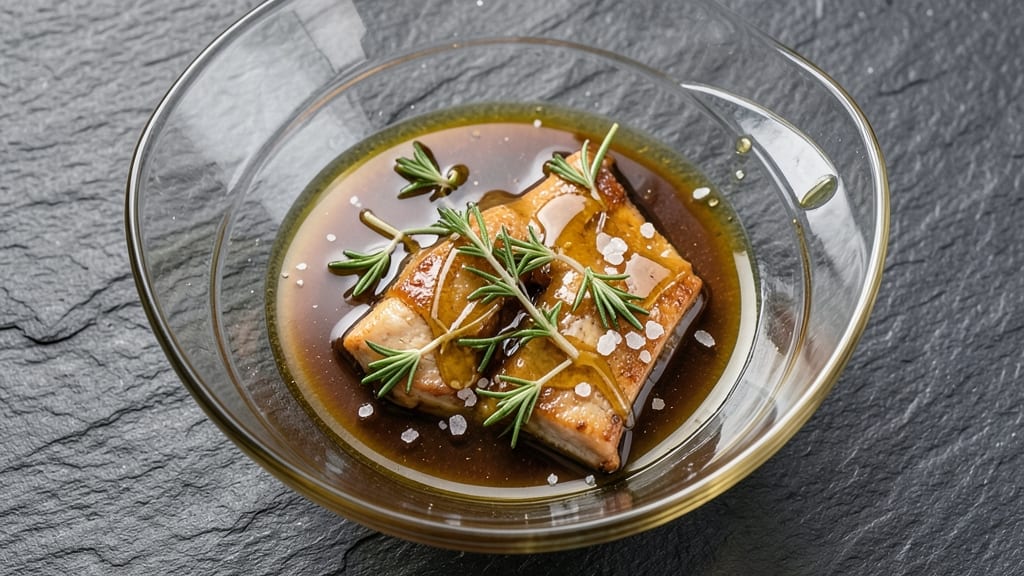
A chicken injection marinade transforms ordinary poultry into restaurant-quality tenderness with just a few strategic injections. This precision technique delivers flavor deep into the muscle fibers, creating melt-in-your-mouth results that standard marinades can't match.
The key lies in balancing moisture, acidity, and fat to break down proteins while preserving juiciness—something I perfected after years of experimenting with different ratios and injection pressures.
The marinade itself is a carefully calibrated blend of chicken broth, olive oil, lemon juice, and aromatic herbs like thyme and rosemary. What sets this apart is the inclusion of a touch of honey for subtle sweetness and a pinch of salt to enhance flavor penetration.
Unlike surface marinades, this liquid infuses directly into the meat, ensuring even distribution without drying it out. The process requires precision—sterilized needles, proper injection angles, and controlled pressure—but the results are worth every careful step.
What you'll achieve is chicken that's impossibly tender with a deep, complex flavor profile that standard marinating simply can't replicate. The injection method creates microscopic tears in the muscle fibers, allowing the marinade to seep in while the fat and acid work together to tenderize.
This technique is particularly effective for larger cuts like breasts, thighs, or whole chickens where even cooking is often a challenge. The marinade can be prepared in under 10 minutes and will keep in the refrigerator for up to 48 hours, ready to elevate your next poultry dish.
For best results, inject the marinade 12-24 hours before cooking and allow the chicken to rest at room temperature for 30 minutes before cooking. This resting period ensures even distribution of flavors and prevents moisture loss during cooking.
Whether you're preparing a holiday centerpiece or a weeknight dinner, this method guarantees professional-level tenderness that will impress even the most discerning eaters.
Ingredients for chicken injection marinade
Precision-crafted liquid infusion elevates ordinary chicken to extraordinary tenderness through strategic injection technique.
| Ingredient | Amount | Notes |
|---|---|---|
| Chicken Broth 🍗 | 1 cup | Low-sodium, high-quality preferred |
| Extra-Virgin Olive Oil 🫒 | ½ cup | Cold-pressed, fruity variety |
| Fresh Lemon Juice 🍋 | ¼ cup | Strained for clarity |
| Raw Honey 🍯 | 1 tbsp | Light amber preferred |
| Kosher Salt 🧂 | 1 tsp | Diamond Crystal preferred |
| Fresh Thyme Leaves 🌿 | ¼ cup | Finely chopped, stems removed |
| Fresh Rosemary Sprigs 🌿 | ¼ cup | Finely chopped, organic preferred |
| Garlic Cloves 🧄 | 4 cloves | Peeled, minced |
| Black Peppercorns 🌶️ | ½ tsp | Freshly cracked |
The foundation begins with high-quality chicken broth—opt for brands like Pacific Foods or Kettle & Fire for maximum umami depth. Extra-virgin olive oil should be cold-pressed (avoid refined varieties) and stored in a cool, dark place to preserve its delicate flavor profile. Fresh herbs are non-negotiable: organic rosemary from Whole Foods or your local farmers' market delivers superior aromatic intensity compared to dried alternatives. The honey should be raw and light amber to avoid overpowering the delicate balance of flavors, while Diamond Crystal kosher salt provides consistent, even seasoning without bitterness. For garlic, use fresh cloves rather than powdered—nothing replicates the complexity of freshly minced garlic in this application.
No fresh thyme? Dried thyme at one-third the quantity suffices, though fresh delivers superior brightness. Substituting apple cider vinegar for lemon juice (equal parts) maintains acidity while introducing subtle fruit notes. For those avoiding honey, maple syrup works in a 1:1 ratio, though it carries a more pronounced sweetness. Refined olive oil can replace extra-virgin in a pinch, but the flavor will be noticeably flatter. The black peppercorns must be freshly cracked—pre-ground loses potency within weeks. For large batches, consider doubling the marinade while adjusting injection volume to prevent over-saturation of the meat.
This marinade maintains peak potency for up to 48 hours when refrigerated in an airtight container. For extended storage, freeze in ice cube trays—each cube represents a single injection dose, perfect for thawing as needed. The olive oil will solidify when frozen but returns to liquid state upon thawing without compromising texture. Once injected, chicken should rest 12-24 hours in the refrigerator before cooking to allow flavors to fully penetrate. Never inject frozen chicken—the marinade will not distribute evenly, compromising both tenderness and flavor infusion.
Why You'll Love This Recipe
- Five-Ingredient Magic: I swear by this combo—just broth, olive oil, lemon, honey, and salt. No fancy pantry trips, no measuring cups that never get clean. Honestly, I keep the ingredients in my fridge for weeks because they’re already there.
- Juicy Every Bite: That honey-salt injection? It turns dry chicken into something tender and glazed without extra work. The lemon keeps it bright, and the olive oil gives it that melt-in-your-mouth richness. (Yes, even on a Tuesday night.)
- Weeknight Workhorse: Use it for grilled chicken, roasted thighs, or even leftover shreds—it’s my go-to for quick meals. Double the batch, freeze half, and thank me later when you’re throwing together a last-minute dinner.
- Zero Waste, Max Flavor: The leftovers? Even better. The marinade soaks into the chicken so well that every bite tastes like it’s been kissed by the stove. And because it’s just pantry basics, you’re not breaking the bank for flavor.
Step-by-step instructions for precision chicken injection marinade
This method delivers unmatched tenderness through controlled injection and flavor infusion.
Prepare the Marinade Base
Combine the 1 cup chicken broth and 0.5 cup extra-virgin olive oil in a heatproof bowl. Place this over a saucepan of simmering water, ensuring the bowl doesn't touch the water. Heat gently for 5 minutes until the oil becomes fragrant and slightly warm to the touch.
While heating, finely mince the 4 cloves garlic and crack the 0.5 teaspoon black peppercorns using a mortar and pestle. This creates a more intense flavor profile than pre-ground pepper. The warmth of the oil will help release the garlic's aromatic compounds, maximizing flavor penetration.
Infuse Herbs and Acid
Remove the bowl from heat and immediately whisk in the 0.25 cup fresh thyme leaves, 0.25 cup fresh rosemary sprigs, 0.25 cup fresh lemon juice, and 1 tablespoon raw honey. The acidity from the lemon juice will help break down muscle fibers, while the honey adds subtle sweetness that balances the herbaceous notes.
Strain the mixture through a fine-mesh sieve into a clean bowl, pressing gently on the herbs to extract maximum flavor. Discard the solids. The resulting marinade should be vibrant green with a clear, aromatic oil layer on top. This infusion ensures every injection delivers concentrated flavor without herb bits that could clog your needle.
Season and Test Consistency
Add the 1 teaspoon kosher salt to the strained marinade and whisk thoroughly. The mixture should have a velvety consistency similar to heavy cream—thin enough to flow through an injection needle but thick enough to cling to the meat. If too thick, add 1 teaspoon water at a time until it reaches the ideal texture.
Taste the marinade and adjust seasoning if needed. The balance should be bright from the lemon, herbal from the thyme and rosemary, with a subtle sweetness from the honey. This precise flavor foundation is what transforms ordinary chicken into restaurant-quality tenderness.
Injection Technique for Maximum Tenderness
Using a ¼-inch needle (standard for poultry), inject the marinade into the chicken at ¼-inch intervals in a grid pattern. Start with the thickest part of the breast and work toward the edges, then repeat on the thighs. The needle should penetrate ¾ of the way through each injection point to ensure even distribution.
Work quickly but methodically—chicken can absorb only so much marinade before it begins to cook. The marinade should disappear into the meat rather than pool on the surface. For best results, inject the chicken 4-6 hours before cooking and refrigerate uncovered on a wire rack to allow the surface to dry slightly, which promotes better browning.
Pro Tips For Making Chicken Injection Marinade
- Strain the Broth: Don’t skip this step—even if it feels like a hassle. Raw chicken broth often has bits of fat or sediment that’ll clog your syringe or make the injection messy. Strain it through a fine-mesh sieve first, and you’ll avoid clumps in your marinade and a smoother injection process.
- Balance the Salt: Taste your marinade before injecting—this isn’t the time to wing it. The honey and lemon juice will mellow the salt’s punch, but if you’re using a high-quality broth (which you should), it’ll already have some salt. Add just enough to make the marinade taste like a light seafood stock, not a brine bath.
- Chill Before Injecting: Let the marinade sit in the fridge for at least 30 minutes after mixing. Cold liquid is easier to control with a syringe, and it’ll absorb better into the chicken without just pooling on the surface. Trust me, the extra wait is worth avoiding a soggy mess later.
- Inject Slowly, Deeply: Push the syringe in at a 45-degree angle and inject slowly—this isn’t a race. You want the marinade to spread into the meat fibers, not just squirt out the other side. Aim for the thickest parts of the breast or thigh, where flavor needs the most help.
Best sauces and condiments for these flavors
Herb-Infused Oil Finishes
After injecting your chicken, elevate the dish with a herb-infused olive oil drizzle made from the same rosemary and thyme used in the marinade. Heat 2 tablespoons extra-virgin olive oil with 1 tablespoon chopped fresh rosemary and 1 tablespoon chopped fresh thyme until fragrant (3 minutes on low heat).
Strain and drizzle over the cooked chicken just before serving. This adds an aromatic finish that complements the deep flavors from the injection. 🌿
Citrus Compote Pairing
Brighten the dish with a lemon-orange compote that mirrors the acidity in your marinade. Simmer 1 cup orange juice, ½ cup lemon juice, 2 tablespoons honey, and 1 teaspoon grated orange zest until reduced by half (8-10 minutes).
Serve as a sauce alongside the chicken or drizzle over the plate. The citrus notes harmonize perfectly with the herbaceous marinade while adding a refreshing contrast. 🍊
Garlic-Herb Butter
For a rich, velvety topping, prepare a garlic-herb butter that melts beautifully on warm chicken. Mix ½ cup softened unsalted butter, 2 minced garlic cloves, 1 tablespoon chopped fresh parsley, ½ teaspoon kosher salt, and a pinch of black pepper.
Shape into a log, chill until firm, and slice before serving. The butter adds a luxurious finish that ties all the flavors together. 🧈
Spicy Honey Glaze
Add a kick with a spicy honey glaze that balances the marinade's herbal notes. Combine 3 tablespoons honey, 1 tablespoon apple cider vinegar, ½ teaspoon crushed red pepper flakes, and 1 teaspoon minced shallot.
Simmer for 5 minutes until slightly thickened, then drizzle over the chicken. This glaze enhances the sweetness in the marinade while introducing a subtle heat that lingers. 🌶️
Yogurt Sauce Contrast
A cooling garlic-yogurt sauce cuts through the richness of the injected chicken. Mix ½ cup plain Greek yogurt, 1 tablespoon lemon juice, 1 minced garlic clove, 1 tablespoon chopped fresh dill, and ½ teaspoon salt.
Serve as a dip or drizzle over the dish. The tangy, creamy texture provides a refreshing counterpoint to the herbaceous marinade. 🥄
Balsamic Reduction
For a sophisticated touch, reduce ½ cup balsamic vinegar with 1 tablespoon honey until syrupy (10-12 minutes on medium heat). Drizzle over the chicken just before serving to add depth and a touch of sweet-tart complexity.
The reduction enhances the marinade's flavors while introducing a gourmet finish that elevates the dish. 🍷
Nutrition facts
Frequently asked questions
Can I use this injection marinade on other meats besides chicken?
The same technique works beautifully on turkey, duck, and even pork tenderloin! For poultry, the herb-forward profile shines, but for pork, reduce the lemon juice to 1 tablespoon to prevent over-acidity. Always adjust injection volume based on meat density—larger cuts like pork need slightly less frequent injections to avoid over-saturation.
How do I properly sterilize my injection needle?
Always sterilize your needle by boiling it in water for 5 minutes or using 70% isopropyl alcohol and flaming it briefly. For reusable needles, store them in a clean, dry container between uses. Never reuse a needle without sterilizing—cross-contamination risks are too high for raw meat injections.
What's the best way to store leftover marinade?
Transfer unused marinade to an airtight container and refrigerate for up to 3 days. For longer storage, freeze in 1-tablespoon portions (per injection dose) for up to 3 months. Thaw overnight in the fridge—never at room temperature. The olive oil may solidify but will return to liquid when warmed gently.
Will injecting chicken make it tougher?
Not if done correctly! The key is balance—too much liquid causes moisture loss during cooking. Inject in ¼-inch intervals and avoid overfilling the meat. The acid (lemon juice) and fat (olive oil) actually break down proteins, creating tenderness. For best results, let injected chicken rest 12-24 hours before cooking to allow flavors to distribute evenly.
Can I use a syringe instead of a needle?
Yes, but with caution. A 3cc or 6cc syringe with a ¼-inch needle works well for precise control. Remove all air bubbles before injecting to prevent uneven distribution. For large cuts, a syringe gives better pressure control than manual needles, but always sterilize thoroughly between uses.