
Soups & Stews
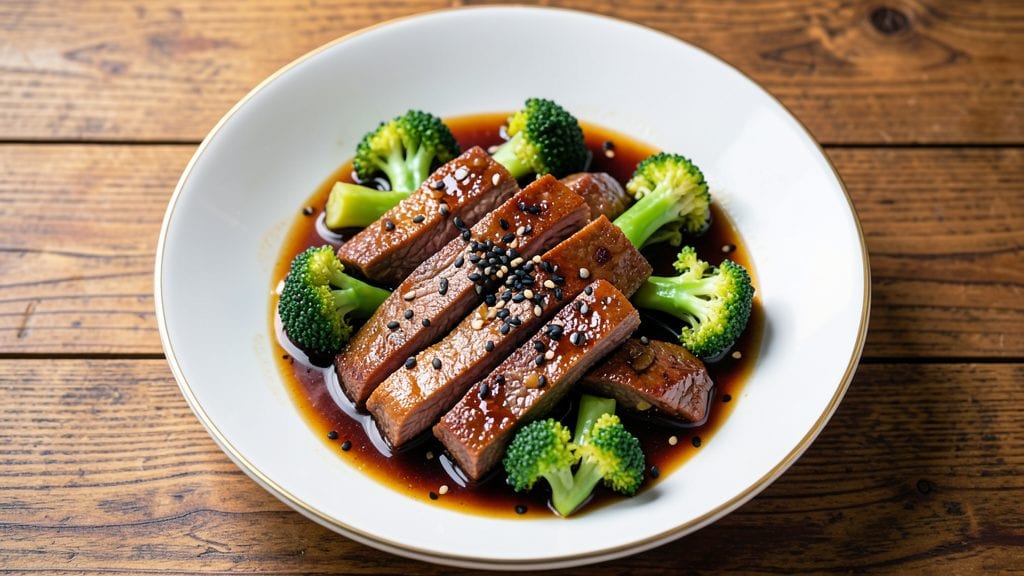
This Chinese restaurant-style beef and broccoli recipe brings home that wok-seared tenderness and deep umami sauce that makes takeout feel like a distant memory. The secret lies in marinating the beef just right—tenderizing it while building layers of savory depth—and stir-frying it at high heat for that perfect char.
I’ve perfected this technique over years of testing, ensuring the beef stays juicy while the broccoli achieves that bright, crisp-tender bite.
This recipe transforms simple ingredients into a dish that tastes like it came straight from a bustling wok. The sauce—balanced with oyster sauce, soy sauce, garlic, and ginger—creates a glossy, flavorful coating that clings to every bite.
High-heat stir-frying locks in moisture while developing those caramelized edges, and the broccoli cooks just enough to soften without losing its vibrant color. It’s the kind of meal that elevates a weeknight dinner into something special.
What you’ll end up with is fork-tender beef slices, bright green broccoli florets, and a sauce so deeply flavorful it’ll have everyone asking for seconds. The aroma alone—smoky, garlicky, and slightly sweet—will draw everyone to the table.
This isn’t just a home-cooked version; it’s a restaurant-quality dish with a fraction of the effort. Ready to master it?
The beauty of this recipe is its flexibility—adjust the heat level to your preference, swap in gluten-free soy sauce for dietary needs, or add a splash of sesame oil for extra depth.
Whether you’re feeding a family or meal prepping for the week, this dish delivers every time. Let’s get started on creating that perfect wok-seared experience at home.
Ingredients for chinese restaurant style beef and broccoli
Simple ingredients that deliver restaurant-quality wok-seared beef and vibrant broccoli every time.
| Ingredient | Amount | Notes |
|---|---|---|
| Flank Steak 🥩 | 1 ½ lb | Thinly sliced against grain |
| Broccoli Florets 🥦 | 1 ½ lb | Medium stems, cut into bite-size pieces |
| Oyster Sauce 🍜 | ½ cup | High-quality, thick consistency |
| Soy Sauce 🍶 | ¼ cup | Light or dark preferred |
| Hoisin Sauce 🍯 | 2 tbsp | For sweet-savory balance |
| Sesame Oil 🫒 | 1 tbsp | Toasted, for aroma |
| Garlic Cloves 🧄 | 6 cloves | Minced, fresh preferred |
| Fresh Ginger 🌿 | 1 tbsp | Grated, peeled |
| Cornstarch 🌾 | 1 tbsp | For sauce thickening |
| Brown Sugar 🍚 | 1 tbsp | Light or dark |
| Neutral Oil 🫒 | 2 tbsp | Peanut or vegetable oil |
| Green Onions 🧅 | 3 whole | Sliced, for garnish |
| Sesame Seeds 🌱 | 1 tbsp | Toasted, for garnish |
| Salt 🧂 | 1 tsp | Kosher or sea salt |
| Black Pepper 🌶️ | ½ tsp | Freshly ground |
The flank steak is non-negotiable for this dish—its lean yet tender texture holds up perfectly to high-heat stir-frying. Look for USDA Choice or Prime cuts at your local butcher or grocery store's meat counter, where they'll often slice it thinly for you (or do it yourself with a sharp knife against the grain). Freshness matters here: if the meat smells overly metallic or has grayish edges, skip it. For the broccoli, farmers market florets stay crispest, but store-bought works fine if you trim the stems and cut into even-sized pieces. The sauce ingredients? Whole Foods or Asian markets carry the best oyster and hoisin sauces—avoid the watery brands that dilute flavor.
No oyster sauce? Substitute with a mix of soy sauce and a splash of fish sauce—it won’t be identical, but it’ll get you close. Running low on hoisin? Plum sauce or even a touch of honey with extra soy sauce bridges the gap. The sesame oil is purely for aroma—if you’re avoiding it, toasted peanut oil adds a similar nuttiness. For the garlic and ginger, fresh is mandatory—powdered just won’t cut it. The cornstarch can be swapped for arrowroot powder if you prefer, but it’ll thicken slightly differently. Pro tip: Toast your sesame seeds in a dry pan for 30 seconds before using—they’ll pack way more flavor.
This dish reheats beautifully—microwave for 1-2 minutes with a splash of water to revive the sauce. Store leftovers in an airtight container for up to 4 days, though I recommend eating it fresh for that crisp-tender broccoli. For meal prep, portion into single servings and freeze for up to 3 months. The sauce thickens as it cools, so if it seems too stiff when reheating, add a teaspoon of water and stir. Garnish with fresh green onions and sesame seeds right before serving—they add that final restaurant-quality touch.
Why You'll Love This Recipe
- One-Pan Magic: I swear by this recipe for lazy nights—just sear the steak, toss in the broccoli, and let the sauces (oyster, soy, hoisin) work their magic. No extra bowls, no extra stress.
- Umami Bomb: That combo of oyster sauce’s deep richness and hoisin’s sweet-salty kick? It turns simple flank steak into something ridiculously good. The broccoli gets a glossy, caramelized finish—crunchy outside, tender inside.
- Lunchbox Hero: Between us, this is my go-to for meal prep. Slice the cooled beef and broccoli into containers, and you’ve got a protein-packed lunch that tastes like takeout. (Yes, even on a Tuesday.)
- Budget Win: Flank steak stretches farther than you’d think, and a single jar of oyster sauce covers multiple meals. Leftovers reheat like a dream—just stir-fry again with a splash of water. My wallet and my taste buds thank me.
Step-by-step instructions for Chinese restaurant style beef and broccoli
Follow this method for perfectly tender beef and vibrant broccoli with a rich umami sauce.
Prepare the Beef for Maximum Tenderness
Slice the 1.5 lb flank steak thinly against the grain into ¼-inch thick strips. This is crucial for tender results—thin slices cook faster and remain juicy. Place the sliced beef in a bowl and season with 1 teaspoon salt and ½ teaspoon black pepper. Let it marinate for 15-20 minutes at room temperature while you prepare the remaining ingredients.
I like to pat the beef dry with paper towels before slicing—this helps the seasoning adhere better and promotes a better sear. If you're short on time, a quick 10-minute marinade still works, but longer is better for deeper flavor penetration.
Sear the Beef and Broccoli in Stages
Heat a large wok or skillet over high heat until smoking slightly. Add 2 tablespoons neutral oil and swirl to coat. Working in batches (don't overcrowd), add half of the sliced beef and sear for 1-2 minutes per side until deep golden brown and just cooked through. Remove and set aside on a plate.
Repeat with the remaining beef, then reduce heat to medium-high. Add 1.5 lb broccoli florets and stir-fry for 3-4 minutes until bright green and just tender-crisp. The broccoli should still have a slight bite—it'll finish cooking in the sauce. Keep the cooked beef and broccoli warm separately while you make the sauce.
Build the Umami Sauce
Return the wok to high heat and add 6 minced garlic cloves and 1 tablespoon grated fresh ginger. Stir for 30 seconds until fragrant but not browned. Pour in ½ cup oyster sauce, ¼ cup soy sauce, 2 tablespoons hoisin sauce, and 1 tablespoon brown sugar. Stir constantly for 1 minute to combine.
In a small bowl, whisk together 1 tablespoon cornstarch with 2 tablespoons water until smooth. Slowly pour this slurry into the wok while stirring vigorously. The sauce will thicken immediately—this is your signal it's ready. Remove from heat and stir in 1 tablespoon sesame oil. Taste and adjust seasoning if needed.
Combine and Finish
Return the seared beef and broccoli to the wok. Toss everything together gently to coat evenly with the sauce. Cook for 1-2 minutes on medium heat until everything is heated through and the sauce clings to the beef and broccoli. The beef should be fork-tender with a glossy sheen from the sauce.
Garnish with 3 sliced green onions and 1 tablespoon toasted sesame seeds. Serve immediately over steamed rice or noodles. The dish should have a perfect balance of sweet, salty, and umami flavors with tender beef and crisp-tender broccoli.
Pro Tips For Making Chinese Restaurant Style Beef And Broccoli
- Slice Against the Grain: The flank steak’s fibers run diagonally—cutting perpendicular means every bite will be tender, not chewy. Use a sharp knife and work in one smooth motion; no sawing. (Yes, it’s more effort upfront, but your jaw will thank you.)
- Blanch Broccoli First: Toss florets in boiling water for 30 seconds, then ice bath. This stops cooking, keeps them bright green, and prevents mush when they hit the wok later. Skip this, and you’ll end up with sad, limp broccoli—trust me, I’ve served it.
- Don’t Crowd the Pan: Flank steak needs space to sear, not steam. Cook in batches if needed—even 3-4 minutes per side at high heat. Overloading turns your crispy crust into sad, greasy beef. (And no, "just stir it" doesn’t fix this.)
- Deglaze with Soy First: After searing the beef, splash in soy sauce before adding oyster or hoisin. The salt breaks down the fond faster, giving you a deeper, richer sauce. I used to skip this—now my sauce tastes like it came from a dim sum joint, not a home kitchen.
Common mistakes when making your chinese restaurant style beef and broccoli
Overcrowding the Wok
One of the biggest mistakes is overcrowding your wok or skillet when searing the beef. When you pile too much beef in at once, the temperature drops dramatically, causing the meat to steam instead of sear. This results in gray, soggy beef instead of that beautiful golden-brown crust we want.
I’ve learned the hard way—always work in batches! Cook half the beef first, then remove it to a plate before adding the rest. This ensures each piece gets that perfect caramelization. 🔥
Skipping the Marinade
Some home cooks skip marinating the beef entirely, thinking it’s unnecessary. But that 15-20 minute marinade is what tenderizes the meat and builds flavor. Flank steak can be tough if not handled properly, and the acidity in soy sauce plus the salt helps break down those muscle fibers.
Even a quick 10-minute marinade makes a difference—don’t rush this step! Pat the beef dry before marinating too, as excess moisture can dilute the seasoning.
Undercooking the Broccoli
The broccoli should be vibrant green and just tender-crisp when it hits the sauce, not mushy. I’ve seen people overcook it until it’s limp and dull in color, which ruins the dish. Stir-fry the broccoli for only 3-4 minutes on medium-high heat—it’ll finish cooking in the sauce.
If your broccoli looks sad and wilted, you’ve gone too far. Keep an eye on it and taste-test a floret to check for doneness.
Using Low Heat
High heat is non-negotiable for authentic wok-seared beef and broccoli. If you’re using low or medium heat, you’ll end up with beef that’s tough and broccoli that’s soggy. Your wok or skillet should be smoking hot before adding oil—this is what creates that signature char and flavor.
If your pan isn’t hot enough, you’ll struggle to get that restaurant-quality sear. I like to preheat my wok for 3-5 minutes on high before starting.
Ignoring the Sauce Thickening
Many home cooks forget to thicken the sauce properly, leaving it thin and watery. The cornstarch slurry is what gives the sauce that glossy, clingy texture that coats every bite. If you skip this step, your sauce will separate or remain too runny.
Whisk the cornstarch with water until smooth, then slowly pour it into the wok while stirring constantly. The sauce should thicken immediately—this is your cue that it’s ready. 💡
Not Resting the Beef
After searing, it’s tempting to toss the beef straight into the sauce. But resting the beef for even 2-3 minutes after cooking helps it retain its juices. If you don’t let it rest, the beef will release its moisture into the sauce, making it watery and diluting the flavors.
Place the seared beef on a plate and let it rest while you finish the sauce and broccoli—this small step makes a huge difference in texture and flavor.
Nutrition facts
Frequently asked questions
Can I substitute flank steak with another cut of beef?
Sirloin or ribeye work well as alternatives, but slice them ¼-inch thick against the grain for tenderness. Avoid tougher cuts like chuck—they won’t become fork-tender with this cooking method. For extra-lean options, try top round, but marinate it 30 minutes longer to prevent dryness.
How do I keep the broccoli bright green and crisp?
Blanch the broccoli for 30 seconds in boiling water, then shock it in ice water before stir-frying. This stops overcooking while preserving color. Also, use high heat and cook for only 3-4 minutes—the broccoli will finish cooking in the sauce. Overcrowding the pan causes steaming, which turns it mushy.
What’s the secret to making the sauce glossy and clingy?
The cornstarch slurry is key—whisk it until completely smooth before adding to the wok. Stir constantly while pouring to prevent clumping. For extra shine, add 1 teaspoon rice vinegar to the sauce at the end. The sauce should coat the back of a spoon when thickened properly—this ensures it clings perfectly to the beef.
Can I make this recipe gluten-free?
Yes! Use tamari or gluten-free soy sauce instead of regular soy sauce. For oyster sauce, choose a gluten-free version or substitute with ½ cup coconut aminos + 1 tbsp fish sauce. The hoisin sauce can be replaced with 2 tbsp gluten-free hoisin or extra tamari + 1 tsp honey. Always check labels—some Asian sauces contain hidden gluten.
How do I reheat leftovers without drying out the beef?
Reheat in a skillet over medium-low heat with 1 tbsp water or broth for 2-3 minutes, stirring constantly. Microwaving works too—cover with a damp paper towel and heat for 1-2 minutes. Never reheat uncovered, as the sauce will dry out and the beef will toughen. For best results, eat within 2 days of cooking.