
Beverages
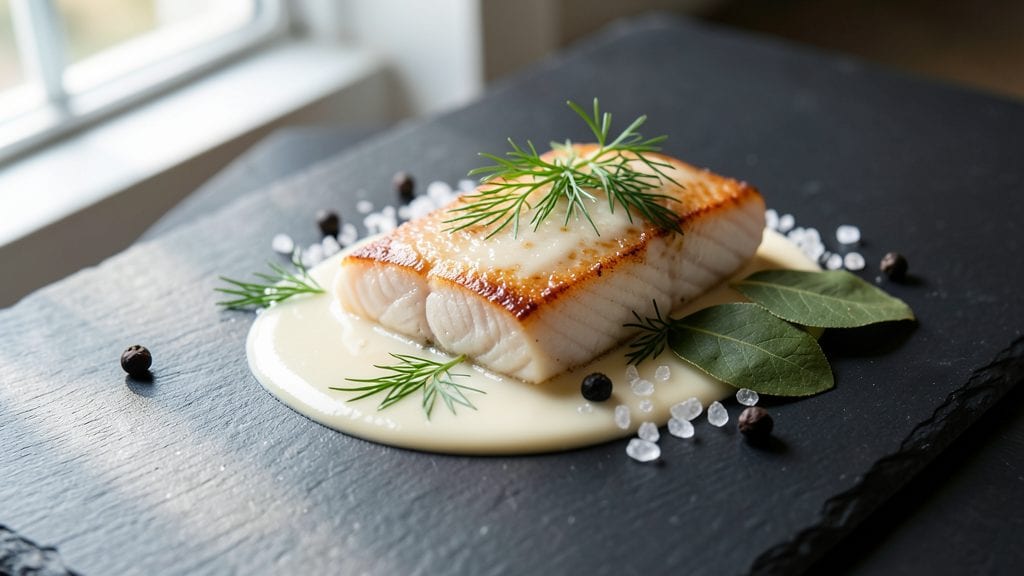
Poaching cod in milk transforms delicate fillets into ultra-silky, melt-in-your-mouth perfection with a subtle tangy richness. This classic Scandinavian technique relies on a simple yet precise method—gentle heat, properly seasoned milk, and patience—to create a dish that feels luxurious yet effortless.
The milk’s natural creaminess infuses the fish, resulting in a texture so tender it practically dissolves on your tongue.
The beauty of this method lies in its simplicity: just a few ingredients—cod fillets, whole milk, aromatics, and a touch of salt—work together to deliver restaurant-quality results at home. Unlike frying or baking, poaching preserves the fish’s natural moisture while adding depth through herbs like dill or bay leaves.
The key is maintaining a gentle simmer, which ensures the milk doesn’t curdle and the fish cooks evenly.
What you’ll achieve is cod so tender it flakes at the slightest touch, with a surface that’s just firm enough to hold its shape. The milk’s natural sweetness and slight acidity create a delicate balance, making each bite feel indulgent without being heavy.
Serve it with a squeeze of lemon, a sprinkle of fresh herbs, or a light sauce to elevate the dish further.
This recipe is perfect for special occasions or when you want to impress with minimal effort. The technique scales easily, so whether you’re cooking for two or a small gathering, the results will be consistently flawless. Let’s get started on this timeless, ultra-silky cod dish.
Ingredients for cod poached in milk
Five core ingredients transform delicate cod into ultra-silky perfection with restaurant-quality finesse.
| Ingredient | Amount | Notes |
|---|---|---|
| Fresh Cod Fillets 🐟 | 2 whole | Skin-on, center-cut preferred |
| Whole Milk 🥛 | 2 cups | Full-fat for optimal creaminess |
| Fresh Dill Sprigs 🌿 | ¼ cup | Tightly packed, stems intact |
| Bay Leaves 🍃 | 2 whole | Fresh or high-quality dried |
| Black Peppercorns 🌶️ | 6 whole | Freshly cracked preferred |
| Diamond Crystal Kosher Salt 🧂 | 1 tsp | Fine grain for precise seasoning |
| Fresh Lemon Juice 🍋 | 1 tbsp | Freshly squeezed, strained |
| Unsalted Butter 🧈 | 2 tbsp | Cold, cubed for finishing |
| Extra-Virgin Olive Oil 🫒 | 1 tbsp | For finishing drizzle |
| Garlic Cloves 🧄 | 2 cloves | Thinly sliced, for aroma |
| Fresh Parsley 🌿 | ⅛ cup | Chopped, for garnish |
The cod selection is critical—center-cut fillets with skin hold their shape best during poaching. Whole Foods or high-end seafood markets carry the freshest options, but even your local fishmonger will have suitable choices if you ask for 'sustainably sourced cod.' Look for fillets with a vibrant color and firm texture—avoid any with a fishy odor or discoloration. The milk should be whole, unsweetened, and preferably organic for better flavor and creaminess. Trader Joe's often carries organic milk at a reasonable price, and their dairy section is consistently reliable. Fresh dill and bay leaves elevate the dish beyond basic seasoning—Penzeys Spices sells high-quality dried options if fresh aren't available, but fresh herbs deliver unmatched aroma.
No fresh dill? Dried dill at one-third the amount works in a pinch, though the flavor will be more subdued. Substituting whole milk with half-and-half or heavy cream intensifies the richness but may require slightly reduced heat to prevent curdling. If you're avoiding dairy entirely, unsweetened almond milk can be used, though the texture will be less luxurious. The garlic and lemon juice can be omitted if preferred, but they're essential for that bright, balanced Scandinavian profile. For a vegetarian twist, swap the cod for firm tofu or mushrooms, though the technique remains identical. Always strain the lemon juice to avoid bitterness from pulp, and consider adding a pinch of sugar to balance acidity if needed.
Poached cod keeps best when stored in an airtight container with a thin layer of milk or water to prevent drying. Consume within 2 days for optimal texture, though it reheats beautifully in a gentle simmer for 2-3 minutes. For longer storage, portion into freezer-safe containers with a splash of milk—freezes for up to 3 months without texture degradation. The milk poaching liquid can be reduced into a silky sauce by simmering uncovered for 10-15 minutes, then straining and whisking in butter for richness. This sauce pairs perfectly with the cod or over steamed vegetables or crusty bread.
Why You'll Love This Recipe
- Same recipe, different vibes: serve it with crusty bread for a lazy Tuesday, or drizzle with lemon and garnish with extra dill for a fancy guest night. My roommates never guess how little effort it took.
- No-Fuss Simplicity: I swear by this recipe when I’m too tired to fuss—just cod, milk, and herbs in one pot. No chopping, no searing, no stress. The milk does all the work while I sip my coffee.
- Creamy-Dill Magic: That first bite? Silky milk-poached cod with bright dill and peppery undertones—it’s like a hug for your palate. The bay leaves add depth without overpowering, and honestly? It tastes like a restaurant dish.
- Weeknight to Dinner Party: Same recipe, different vibes: serve it with crusty bread for a lazy Tuesday, or drizzle with lemon and garnish with extra dill for a fancy guest night. My roommates never guess how little effort it took.
Step-by-step instructions for cod poached in milk
This method delivers melt-in-your-mouth cod with velvety texture and subtle herbal notes.
Prepare the Poaching Liquid
In a medium saucepan, combine the 2 cups whole milk, 0.25 cup fresh dill sprigs, 2 whole bay leaves, and 6 whole black peppercorns. Place over medium heat and bring just to a gentle simmer, being careful not to let it boil vigorously. The milk should maintain a temperature of 180-190°F—this delicate heat prevents curdling while infusing the liquid with aromatic compounds.
Simmer for exactly 5 minutes, then remove from heat and let steep for 10 minutes. This infusion period allows the dill and bay leaves to impart their flavors without overpowering the delicate cod. Strain the liquid through a fine-mesh sieve into a clean saucepan, pressing gently on the herbs to extract maximum flavor. Discard the solids—we're working with precision here, and every bit of herb contributes to the final result.
Season and Poach the Cod
Pat the 2 whole fresh cod fillets dry with paper towels, removing any remaining moisture from the skin. Season both sides generously with the 1 tsp diamond crystal kosher salt and a light sprinkle of freshly cracked black peppercorns. This initial seasoning creates a flavor foundation that will develop beautifully during poaching.
Gently lower the cod fillets into the strained milk mixture, skin-side down. The liquid should barely cover the fillets—just enough to submerge them completely. Return the saucepan to medium-low heat and maintain a temperature of 170-175°F. Poach for 8-10 minutes until the cod is just opaque throughout and flakes easily with a fork. Overcooking will turn the delicate flesh rubbery, so keep a close eye on the internal temperature using an instant-read thermometer—it should reach 140°F at its thickest point.
Finish with Acid and Fat
Remove the cod from the poaching liquid and transfer to a warm serving platter. Immediately stir the 1 tbsp fresh lemon juice and the 2 tbsp unsalted butter into the remaining milk mixture. This combination brightens the dish with acidity while adding luxurious richness. Simmer the sauce gently for 2 minutes until slightly thickened—it should coat the back of a spoon. If the sauce becomes too thick, whisk in 1-2 tablespoons of the reserved poaching liquid to achieve a velvety consistency.
Drizzle the finished sauce evenly over the cod fillets. For extra visual appeal, scatter the 0.125 cup chopped fresh parsley and the 2 cloves thinly sliced garlic cloves over the top. The parsley adds freshness while the garlic provides a subtle aromatic finish. Serve immediately with the sauce spooned over the top—this dish is at its peak when enjoyed fresh from the poaching liquid.
Optional Olive Oil Drizzle
For an additional layer of complexity, heat the 1 tbsp extra-virgin olive oil in a small saucepan over low heat until it just begins to shimmer. Immediately drizzle this fragrant oil over the finished cod just before serving. The heat from the oil will create a delicate sheen on the surface while enhancing the natural flavors of the milk-poached fish. This final touch elevates the dish from exceptional to memorable.
The olive oil should be used immediately after heating—its aromatic compounds are volatile and dissipate quickly. This technique is particularly effective when serving to guests, as it adds both visual appeal and a sophisticated finishing touch that complements the creamy milk base.
Pro Tips For Making Cod Poached In Milk
- Preheat milk to 160°F: Cold milk will make your cod turn to mush. Heat it gently in a saucepan until it’s just warm to the touch—like a lukewarm bath—before adding the fish. I used to skip this, and my cod always came out sad and rubbery.
- Pat cod bone-dry: Any moisture on the fillets will dilute the milk and ruin the delicate texture. Use paper towels to wipe them down thoroughly—even if they look dry. Wet skin = sad poaching. Trust me, I’ve cried over soggy cod.
- Skip the boiling point: Milk boils over like a toddler at a birthday party. Keep it at a bare simmer—tiny bubbles, not a rolling frenzy—so the cod poaches gently and absorbs flavor instead of curdling. A thermometer helps, but even without one, you’ll learn the sound.
- Add dill last minute: Tossing in dill too early turns it to sludge. Wait until the last 2 minutes of poaching, then gently nestle the sprigs into the milk. Fresh dill should stay bright, not turn to mush—your dish will thank you.
Best sauces and condiments for this recipe
Classic Lemon-Dill Sauce
The simplest way to elevate poached cod is with a bright lemon-dill sauce made from the reserved poaching liquid. After removing the cod, reduce the milk mixture over medium-low heat for 10-12 minutes until slightly thickened.
Whisk in 1 tbsp unsalted butter and 1 tsp fresh lemon juice until silky smooth. Strain through a fine-mesh sieve for a refined finish. This sauce mirrors the dish’s herbal notes while balancing the milk’s creaminess. 💫
Herbed White Wine Reduction
For a more sophisticated pairing, create a white wine reduction using the poaching liquid. Deglaze the pan with ¼ cup dry white wine (like Sauvignon Blanc) after removing the cod, then reduce by half.
Add 1 tsp minced shallot and 1 sprig fresh thyme, simmering for 5 minutes. Finish with a pat of cold butter for a velvety texture. The wine’s acidity cuts through the richness, making every bite feel luxurious.
Creamy Garlic Aioli
A garlic aioli adds a bold, creamy contrast to delicate cod. Blend ½ cup mayonnaise with 1 minced garlic clove, 1 tsp lemon juice, and a pinch of salt. For extra depth, fold in 1 tsp chopped chives and a splash of milk to thin.
Serve as a dip or drizzle lightly over the cod. The garlic’s punch complements the milk’s subtlety without overpowering it. 🌟
Spicy Yogurt Drizzle
For a tangy kick, mix ¼ cup Greek yogurt with 1 tsp lemon juice, ½ tsp honey, and a pinch of cayenne pepper. Thin with 1 tsp milk for a pourable consistency.
Drizzle over the cod just before serving to add texture and heat. The yogurt’s protein-rich creaminess enhances the milk-poached texture while the cayenne wakes up your palate. Perfect for those who love a little spice!
Buttery Parsley Sauce
Infuse the poaching liquid with 2 tbsp chopped parsley and 1 tbsp butter, simmering gently for 3 minutes. Strain and finish with ½ tsp lemon zest for a vibrant green sauce.
This herb-forward option highlights the cod’s natural sweetness while adding a pop of color. It’s lighter than the classic lemon-dill version but equally elegant. 💛
Crispy Breadcrumb Topping
For texture lovers, toast 2 tbsp breadcrumbs with 1 tbsp olive oil until golden, then mix with 1 tbsp chopped parsley and ½ tsp dried dill. Sprinkle over the cod in the final minute of poaching to create a crispy crust.
The contrast between the soft fish and crunchy topping is pure magic—like a seafood risotto in every bite.
Nutrition facts
Frequently asked questions
Can I use heavy cream instead of milk for poaching?
Heavy cream will work but requires extra care to prevent curdling. Use it at a 1:1 ratio and maintain a lower temperature (165°F) since it's richer. The result will be even more luxurious, but the texture may be slightly denser. For best results, reduce the poaching time by 1-2 minutes to avoid overcooking.
Why did my milk turn lumpy during poaching?
Lumpy milk usually means the temperature got too high or the heat was too aggressive. Always keep the liquid at a gentle simmer (170-175°F) and avoid boiling. If it happens, strain immediately and resume poaching—your cod will still turn out tender, just with slightly less creamy sauce.
What's the best way to reheat leftover poached cod?
Reheat gently in a light simmering milk bath for 2-3 minutes—never microwave. Add a splash of fresh milk and a pinch of salt to maintain moisture. For extra flavor, infuse the reheating liquid with a sprig of dill or bay leaf. Serve immediately with a fresh lemon drizzle to revive the bright notes.
Can I substitute cod with another white fish?
Hake, halibut, or flounder work beautifully—they have similar delicate textures. Avoid firm fish like mahi-mahi or salmon, as their density won't absorb the milk as well. For best results, choose fillets with similar thickness to cod (1/2 to 3/4 inch) and adjust poaching time by 1-2 minutes based on doneness.
How do I know when the cod is perfectly cooked?
The cod is done when it reaches 140°F internally and flakes easily with a fork but still holds together. Look for a just-opaque center—it should be translucent near the edges but fully white at the thickest point. Overcooking by even 1 minute can turn it rubbery, so use an instant-read thermometer for precision.