
Breakfast & Brunch
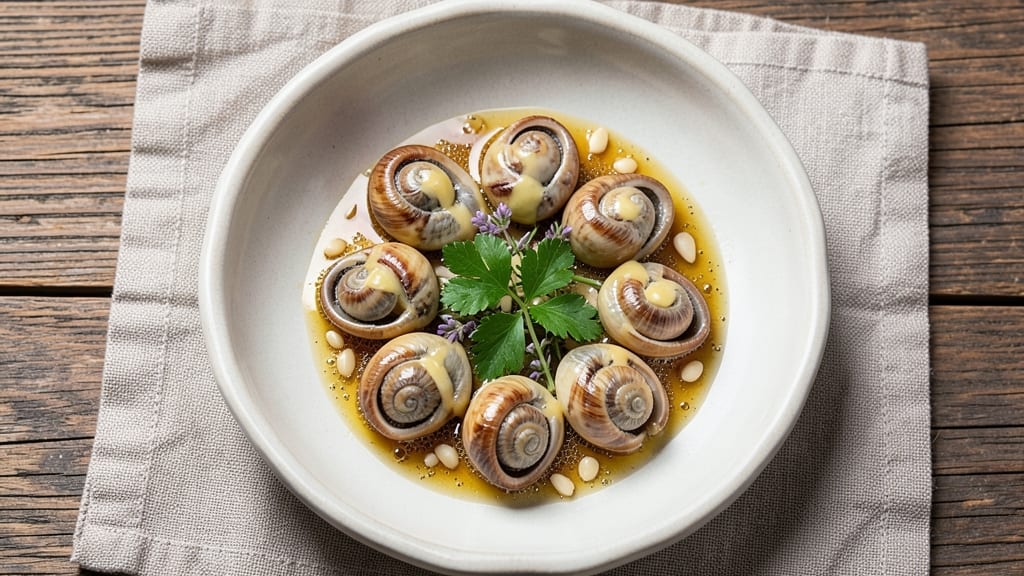
Cooking snails transforms this often-overlooked delicacy into a luxurious dish that pairs perfectly with crisp white wine and buttery textures. The secret lies in proper preparation—cleaning, poaching in garlic-infused butter and white wine, and finishing with parsley for freshness. This French-inspired method ensures tender, flavorful snails without the intimidation factor.
What makes this recipe special is the balance of rich, garlicky butter and bright white wine, creating a sauce that's both elegant and approachable. The snails absorb these flavors beautifully, resulting in a dish that feels restaurant-worthy yet simple to prepare at home.
With just a few key ingredients and about 30 minutes of active time, you'll achieve professional results.
The outcome is snails with delicate, melt-in-your-mouth texture, bathed in a velvety sauce that's aromatic and deeply savory. Each bite delivers layers of garlic, herbs, and wine that elevate this dish from ordinary to extraordinary. Serve with crusty bread to soak up every drop of that luxurious sauce.
Pair this dish with a crisp Sauvignon Blanc or Chardonnay to complement the buttery and acidic notes. The snails also work beautifully as part of a charcuterie board or antipasto spread, offering a sophisticated touch for any gathering. Let's create this refined yet approachable dish together.
Ingredients for cook snails
French-inspired luxury with just 12 ingredients—garlicky butter, crisp white wine, and fresh herbs transform snails into a restaurant-worthy dish.
| Ingredient | Amount | Notes |
|---|---|---|
| Fresh Snails (Escargots) 🐌 | 1 ½ lb | Live, cleaned and shelled |
| Unsalted Butter 🧈 | ½ cup | Cold, cubed for poaching |
| Garlic Cloves 🧄 | 6 cloves | Thinly sliced, skin removed |
| Dry White Wine 🍷 | 1 cup | Sauvignon Blanc preferred |
| Fresh Parsley 🌿 | ¼ cup | Chopped, for finishing |
| Fresh Thyme 🌿 | ½ tsp | Leaves only, finely chopped |
| Diamond Crystal Kosher Salt 🧂 | 1 tsp | For poaching water |
| Black Peppercorns 🌶️ | ½ tsp | Coarsely cracked |
| Fresh Lemon Juice 🍋 | 1 tbsp | Brightens the sauce |
| Crusty Baguette 🥖 | 1 whole | For serving, sliced |
| Extra-Virgin Olive Oil 🫒 | 1 tbsp | For finishing drizzle |
| Fresh Chives 🌱 | 2 tbsp | Minced, for garnish |
The snails are the star, so source them from a reputable seafood market or specialty grocer—avoid pre-cooked varieties, which lack the delicate texture. Look for live, cleaned escargots, typically sold in shells. Whole Foods Market or local French markets often carry them fresh. If unavailable, frozen snails work in a pinch, but thaw them overnight in the fridge. The butter should be high-quality, unsalted—European-style brands like Plugrá or French President elevate the dish. For the white wine, opt for a dry Sauvignon Blanc or Chardonnay—avoid oaked varieties, which can overpower the delicate flavors. Fresh herbs like parsley and thyme should be vibrant green, not wilted, and ideally sourced from a trusted farmers' market.
No fresh snails? Frozen escargots are a viable alternative, but ensure they're fully thawed before cooking. Short on white wine? Dry vermouth or chicken stock can substitute, though the flavor profile will differ slightly. Substituting dried herbs for fresh? Use one-third the amount—dried thyme or parsley works, but the texture won't be as refined. If you're avoiding alcohol entirely, grape juice or apple cider vinegar diluted with water can mimic the acidity, though the sauce will lack depth. For the garlic, roasted garlic adds a sweeter note, but fresh is non-negotiable for the classic method. The lemon juice can be swapped for white wine vinegar in a pinch, though fresh lemon brightens the dish more effectively.
Poached snails keep best in the sauce they're cooked in, so store them in an airtight container in the refrigerator for up to 3 days. The sauce can be reheated gently, but avoid boiling to preserve its delicate texture. For longer storage, freeze the snails and sauce in single-serving portions for up to 3 months. The crusty baguette should be served fresh, but if pre-sliced, wrap it tightly in parchment paper to maintain crispness. Garnishes like parsley and chives wilt quickly, so add them just before serving. This dish reheats beautifully—simmer gently on the stove with a splash of water to restore moisture, then finish with fresh herbs and a drizzle of olive oil for that restaurant-quality touch.
Why You'll Love This Recipe
- Five-Ingredient Magic: I swear, this is one of those recipes where you almost feel guilty for how little effort it takes. Fresh snails, butter, garlic, wine, and parsley—that’s it. No chopping mountains of veggies or balancing 10 spices. Just melt butter, add garlic until it sings, deglaze with wine, and let the snails do the rest.
- Umami Bomb: The moment the snails hit that garlic-butter-wine bath? Chef’s kiss. That crispy shell gives way to tender meat with a depth of flavor you’d expect from a fancy bistro, not your stovetop. Honestly, I’ve tried overpriced escargot—this tastes just as rich, if not better, because you control the freshness.
- Weeknight or Fancy Feast: Between us, this is my go-to when I’m hosting but don’t want to slave over a meal. Serve it with crusty bread for a rustic spread or pair it with a simple salad for a light but impressive dinner. My partner’s coworkers still ask, “What restaurant was this?” every time I bring it to a potluck.
- Leftovers? More Like Leftovers: Cook once, eat twice—or thrice. The snails reheat beautifully, and the sauce only gets better as it sits. I’ll be real: I’ve turned this into a lazy Sunday brunch by tossing the leftovers into a frittata. (Yes, even on a Tuesday night.) Plus, the wine reduces into a glossy sauce that freezes perfectly for future saucy adventures.
Step-by-step instructions for garlicky butter poached snails
Transforming fresh snails into a luxurious dish requires precision and patience—this method delivers tender escargots with rich, aromatic butter and wine.
Prepare the Snails for Poaching
Begin by inspecting the 1.5 lb of fresh snails (escargots) and discard any with broken or damaged shells. Rinse them thoroughly under cold water to remove any debris, then place them in a large bowl. Cover with cold water and add 1 tsp of diamond crystal kosher salt. Let them soak for 10 minutes—this helps relax their muscles and ensures they release cleanly.
After soaking, drain the snails and transfer them to a large pot. Add enough cold water to cover them completely (about 2 quarts). Bring to a gentle simmer over medium heat until the snails begin to retract into their shells. This should take approximately 3-4 minutes. Immediately drain them again using a slotted spoon and transfer to an ice bath for 5 minutes to stop the cooking process. This initial preparation ensures the snails are tender and ready for the poaching stage.
Poach the Snails in Garlicky Butter and Wine
In a large, deep skillet, melt the 0.5 cup of unsalted butter over medium heat until it foams but does not brown. Add the 6 cloves of thinly sliced garlic cloves and cook for 1 minute until fragrant—this step builds the aromatic foundation for the dish. Pour in the 1 cup of dry white wine, scraping up any browned bits from the bottom of the pan. Bring the mixture to a gentle simmer and reduce by half, which should take about 5 minutes.
Add the drained snails to the skillet, along with the 0.5 tsp of finely chopped fresh thyme leaves and 0.5 tsp of coarsely cracked black peppercorns. Cover the skillet and let the snails poach for 8-10 minutes, stirring gently once or twice. The snails are ready when they float to the surface and their shells open slightly. Remove them with a slotted spoon and transfer to a warm serving platter, reserving the poaching liquid in the skillet.
Finish the Sauce and Prepare the Baguette
Return the reserved poaching liquid to a simmer over medium heat. Stir in the 1 tbsp of fresh lemon juice and reduce the liquid by half again, until it thickens slightly and coats the back of a spoon. This reduction intensifies the flavors and creates a velvety sauce. Remove from heat and stir in the 1 tbsp of extra-virgin olive oil to emulsify the sauce and add richness. Taste and adjust seasoning with additional salt or pepper if needed.
Slice the 1 whole crusty baguette into 1-inch thick pieces and toast them in a dry skillet over medium heat until golden brown and crisp. Arrange the toasted baguette slices on a platter alongside the poached snails. Spoon the finished sauce generously over the snails and garnish with the 0.25 cup of chopped fresh parsley and 2 tbsp of minced fresh chives. Serve immediately while the snails are still warm and the sauce is glossy.
Pro Tips For Making Cook Snails
- Boil Snails Twice: First boil kills them, but the second—with wine and herbs—extracts the real flavor. Skip this, and your snails taste bland. I used to rush it, but now I wait 3 minutes between boils, and the difference is night and day.
- Purge Garlic First: Smash those garlic cloves with the flat side of your knife before mincing—it releases more oils. I was skeptical until I tried it, and now I never cook garlic any other way. Works especially well when tossed with butter for the final sauce.
- Don’t Crowd the Pan: If you’re sautéing snails in butter, give them space—they’ll steam instead of brown. I learned this after a greasy, soggy batch. A single layer in a wide pan guarantees crisp edges and a proper sear.
- Deglaze Aggressively: After browning garlic and snails, add the white wine and scrape the bottom of the pan with a wooden spoon. That browned butter and garlic stuck to the pan? That’s where the flavor hides. Ignore it, and your sauce will taste flat.
Essential equipment for perfect results
Poaching Essentials
Start with a large, deep skillet—I recommend a 10-inch cast iron skillet like Lodge for even heat distribution. The skillet must have high sides to prevent splattering when the wine simmers.
A fine-mesh slotted spoon (like OXO Good Grips) is essential for transferring snails without breaking their delicate shells. For precise temperature control, use a candy or instant-read thermometer—the poaching liquid should stay between 180-190°F to keep snails tender. 🌡️
Butter & Wine Tools
Invest in European-style unsalted butter (like Plugrá) for richer flavor, and measure it precisely with a digital kitchen scale—this ensures consistent results. A whisk helps emulsify the sauce later, while a small saucepan (for reducing wine) prevents spills.
For the wine, use a dry Sauvignon Blanc—avoid cooking wine, which has artificial flavors. A cheesecloth or fine strainer removes any garlic bits from the sauce for a silky texture.
Prep & Cleaning Kit
Cleaning snails requires a large bowl, slotted spoon, and ice bath setup (a second bowl with ice). A sharp paring knife helps trim any remaining debris from shells. For the ice bath, keep crushed ice in a separate container to maintain cold temps.
A fine-mesh sieve speeds up draining after soaking. I also keep paper towels nearby to pat snails dry before poaching—this prevents sauce from diluting.
Garnish & Serving
Fresh herbs need a small sharp knife (like Mercer Culinary) for chopping parsley and chives. A microplane works well for zesting lemon if you want extra brightness. For serving, a large platter (ceramic or slate) elevates presentation.
A small ladle helps spoon sauce over snails without overcrowding. Don’t skip the olive oil drizzle—use a small squeeze bottle for precise application. 💫
Budget-Friendly Swaps
No cast iron? A heavy stainless steel skillet works too. Skip the scale? Use tablespoons—½ cup butter equals 1 stick (8 tbsp). No Sauvignon Blanc? Dry vermouth or chicken stock substitute in a pinch.
For garnish, dried parsley (½ tsp) works if fresh isn’t available, though texture suffers. A wooden spoon can replace a whisk for emulsifying. Every tool matters, but adaptability keeps this recipe accessible.
Nutrition facts
Frequently asked questions
How do I know if my snails are fresh and ready to cook?
Fresh snails should be active and retract fully into their shells when touched. Discard any with cracked shells or a strong ammonia-like odor. Live snails are ideal, but if using frozen, ensure they're fully thawed in the refrigerator before cooking. The shells should be clean and free of debris.
Can I substitute white wine with another liquid?
Yes! For a non-alcoholic version, use 1 cup dry vermouth or apple cider vinegar diluted with water (1:1 ratio). A splash of chicken or vegetable stock also works, though the flavor will differ slightly. Avoid sweet wines—they can make the sauce cloying.
Why did my snails turn rubbery instead of tender?
Overcooking is the most common cause. Snails are done when they float and their shells open slightly—this usually takes 8-10 minutes. If the poaching liquid boils, it toughens the snails. Keep heat at a gentle simmer (180-190°F) and reduce wine first to concentrate flavors.
How do I store leftovers?
Store poached snails in their sauce in an airtight container for up to 3 days in the fridge. Reheat gently on low heat, adding a splash of water to prevent drying. For longer storage, freeze in single portions for up to 3 months. The sauce thickens when chilled—stir in a splash of water when reheating.
What’s the best way to serve these snails?
Pair with crusty baguette for dipping, or serve as part of a Mediterranean antipasto spread. A crisp Sauvignon Blanc or Chardonnay complements the buttery, garlicky flavors. For a modern twist, add a side of roasted cherry tomatoes or a simple arugula salad with lemon vinaigrette.