
Breakfast & Brunch
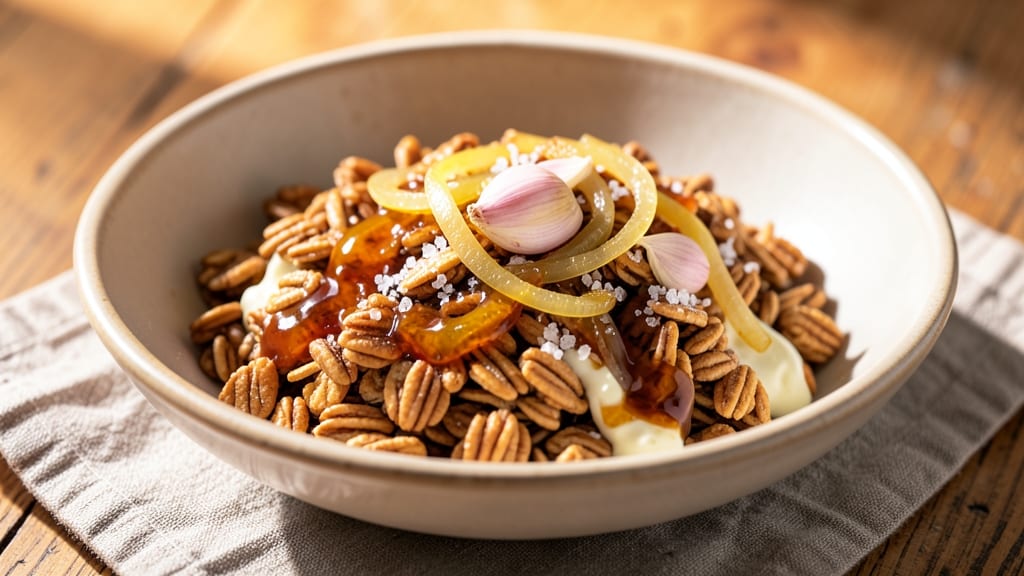
Transforming simple rolled oats into a savory porridge with toasty nutty depth is one of those cooking skills that elevates breakfast from ordinary to extraordinary. The secret lies in proper toasting and simmering—techniques that develop complex flavors without requiring special ingredients.
I’ve perfected this method over years of testing, ensuring every bite delivers that perfect balance of chewiness and creaminess, even when made vegan.
What sets this recipe apart is its versatility—start with a base of rolled oats, water, and salt, then customize with savory toppings like sautéed mushrooms, crispy onions, or flaky sea salt. The key step?
Toasting the oats in butter (or oil for vegan) until they release their nutty aroma before adding liquid. This creates a deeper flavor foundation that transforms basic oats into something restaurant-worthy, all in under 20 minutes.
The result is a porridge with golden edges and a velvety texture, where each spoonful delivers that satisfying chew and nutty warmth. Unlike overnight oats, this method achieves instant gratification while maintaining hearty substance.
Whether you’re fueling up for a busy morning or crafting a cozy weekend brunch, this recipe delivers professional-quality results with minimal effort.
For added flexibility, this base works equally well as a sweet porridge by stirring in maple syrup or cinnamon, or as a savory bowl with miso paste and greens. The possibilities are endless—let’s get cooking with this foundational technique that changes how you think about oats forever.
Ingredients for cooked rolled oats
Simple rolled oats become restaurant-quality porridge with these 14 ingredients and two key techniques.
| Ingredient | Amount | Notes |
|---|---|---|
| Rolled Oats 🌾 | 1 cup | Old-fashioned, not quick oats |
| Extra-Virgin Olive Oil 🫒 | 2 tbsp | For toasting oats deeply |
| Filtered Water 💧 | 2 cups | Room temperature preferred |
| Diamond Crystal Kosher Salt 🧂 | ½ tsp | Adjust to taste |
| Fresh Garlic Cloves 🧄 | 2 cloves | Minced for depth |
| Yellow Onion 🧅 | ½ whole | Diced finely for texture |
| White Mushrooms 🍄 | 4 oz | Sliced thin for crispiness |
| Nutritional Yeast 🍞 | 2 tbsp | For cheesy umami richness |
| Fresh Thyme Leaves 🌿 | ¼ cup | Chopped finely for aroma |
| Flaky Sea Salt 🧂 | 1 tsp | For finishing touch |
| Toasted Walnuts 🥜 | ¼ cup | Chopped for crunch |
| White Miso Paste 🍜 | 1 tbsp | For savory depth |
| Lemon Zest 🍋 | ½ tsp | Brightens final flavor |
| Fresh Parsley 🌿 | ⅛ cup | Chopped for freshness |
The rolled oats should be the old-fashioned variety—quick oats lack the chew and depth. Bob's Red Mill or Quaker Steel Cut are reliable brands. Toasting the oats in olive oil until golden (not brown) unlocks their nutty potential—this is non-negotiable for professional texture. The miso paste? Miyoko's or Hokkaido brands deliver the most complex umami flavor. Fresh thyme and parsley should be vibrant green with no wilting—Whole Foods bulk section is ideal for these herbs. Walnuts should be toasted until fragrant, not bitter.
No nutritional yeast? Vegan Parmesan at half the amount works, though it lacks the same depth. Substitute mushrooms with shiitake slices for earthier flavor. Onion powder at half a teaspoon can replace fresh onion if needed. The miso paste can be swapped for white soy sauce plus a pinch of sugar, though texture will differ. For extra richness, add 1 tablespoon of vegan butter during toasting—it melts into the oats beautifully. Lemon zest can be omitted if you prefer a purely savory profile, but it balances the dish wonderfully.
Toasted oats keep their texture for 3 days in an airtight container at room temperature, while the prepared porridge reheats best with a splash of water to restore creaminess. Portion into jars for grab-and-go breakfasts—1 week refrigerated or 3 months frozen. The nutty aroma intensifies upon reheating, making leftovers even more satisfying. For meal prep, toast a large batch of oats first and store separately to maintain texture until cooking.
Why You'll Love This Recipe
- No-Fuss Stovetop Magic: I swear by this method—just oats, olive oil, water, and garlic. No fancy equipment, no waiting for the oven. Honestly, I’ve made it in a tiny pot on a camping stove and it still came out perfect.
- Garlic-Oil Crunch Factor: That crispy edge from the olive oil and garlic? It’s the kind of texture you’ll reach for again and again. Between us, I’ve been known to eat it straight from the pan with a spoon.
- Meal Prep MVP: Make a big batch on Sunday, and you’ve got breakfast, snack, or even a side for salads all week. My kids grab it for school lunches, and I toss it into bowls with yogurt or eggs—it’s that adaptable.
- Pantry Staple Power: Five ingredients, all of which you probably already have. No weird substitutions, no last-minute grocery runs. And because it’s so simple, I can afford to splurge on the good olive oil—worth every penny.
Step-by-step instructions for savory porridge with toasty nutty depth
A rich, umami-forward porridge that transforms simple oats into a restaurant-worthy dish.
Toast the Oats and Aromatics
Heat the 2 tablespoons extra-virgin olive oil in a medium saucepan over medium heat. Add the 1 cup rolled oats and toast them for 3-4 minutes, stirring constantly, until they develop a deep golden color and release a nutty aroma. This step is crucial—it enhances the oats' natural flavors and prevents a gummy texture later.
While the oats toast, finely dice the 0.5 whole yellow onion and slice the 4 ounces white mushrooms thinly. Add them to the pan along with the 2 cloves minced fresh garlic cloves and 0.25 cup chopped fresh thyme leaves. Cook for an additional 4-5 minutes until the onions soften and the mushrooms release their moisture, evaporating completely. The mushrooms should be tender yet still hold their shape, and the thyme should perfume the air with its earthy notes.
Build the Savory Base
Pour in the 2 cups filtered water and bring the mixture to a gentle simmer. Stir in the 0.5 teaspoon diamond crystal kosher salt and the 1 tablespoon white miso paste, whisking until fully dissolved. The miso will deepen the umami profile, giving the porridge a rich, savory backbone. Let it simmer uncovered for 10 minutes, stirring occasionally, until the oats have absorbed most of the liquid and the mixture thickens to a creamy consistency.
Here's the thing—don't rush this step. The oats need time to hydrate fully and develop their signature texture. You'll know it's ready when the porridge pulls away from the sides of the pan and coats the back of a spoon smoothly. If it's too thick, add a splash of water; if too thin, simmer longer. The goal is a velvety, spoonable texture with no gritty oat bits remaining.
Finish with Depth and Crunch
Remove the pan from heat and stir in the 2 tablespoons nutritional yeast and 0.5 teaspoon lemon zest. The nutritional yeast adds a cheesy, nutty richness, while the lemon zest brightens the dish with a subtle citrus note. Let the mixture sit for 2 minutes to allow the flavors to meld—this resting period ensures the lemon zest infuses rather than just sitting on top.
In a small bowl, combine the 0.25 cup chopped toasted walnuts and 0.125 cup chopped fresh parsley. Fold this mixture into the porridge, reserving a small portion for garnish. The walnuts provide a satisfying crunch, while the parsley adds a fresh, vibrant contrast to the deep, toasty flavors. Taste and adjust seasoning with the 1 teaspoon flaky sea salt if needed—this finishing touch elevates the dish from good to exceptional.
Serve Immediately for Optimal Texture
Divide the porridge into four serving bowls, ensuring each portion is generous and creamy. Ladle any reserved garnish—walnuts and parsley—over the top for visual appeal and an extra layer of texture. Serve immediately while the porridge is still warm, as it continues to thicken as it cools.
This dish is best enjoyed straight from the pan, where the contrast of creamy oats, crisp mushrooms, nutty walnuts, and herby parsley creates a harmonious bite. The savory depth from the miso and nutritional yeast ensures it's satisfying even without additional toppings, though a drizzle of extra-virgin olive oil or a sprinkle of flaky sea salt would further enhance the experience.
Pro Tips For Making Cooked Rolled Oats
- Toast the Oats First: Heat your dry oats in a dry pan over medium-low for 3-4 minutes before adding liquid. This deepens their nutty flavor—skip it, and you’ll miss that subtle richness that makes the difference between good and really good.
- Use Filtered Water: Tap water’s chlorine can mute flavors, especially when paired with olive oil and garlic. Filtered water keeps everything bright—no need to boil it first, just pour it hot.
- Salt the Water: Add half the salt to the water before cooking, not after. It season the oats from the start, so you don’t end up guessing how much to add later.
- Sauté the Garlic Last: Cook the oats until creamy, then stir in minced garlic with a splash of cold water to stop it from burning. This keeps the flavor mellow and aromatic—not bitter. (Yes, even if you’re impatient like me.)
Common mistakes when making your cooked rolled oats
Skipping the Toast
Never skip toasting the oats—this is where their nutty flavor develops. I’ve seen beginners add water immediately, resulting in bland, gummy porridge. Toasting for 3-4 minutes in oil (or butter for non-vegan) unlocks the oats' natural sweetness and prevents a gluey texture.
If you rush this step, you’ll end up with a dish that tastes more like mush than porridge. 🌾
Using Quick Oats
Quick oats break down too fast, creating a thin, watery consistency. Stick to old-fashioned rolled oats—they absorb liquid gradually and maintain their satisfying chew. Brands like Bob’s Red Mill or Quaker Steel Cut are my go-tos for this recipe.
Using quick oats will leave you with a dish that’s more like oatmeal than the rich, velvety porridge you’re aiming for.
Overcrowding the Pan
Don’t overload the pan when toasting or cooking the aromatics. Overcrowding steams the ingredients instead of browning them, which dulls their flavors. Use a medium saucepan and cook in batches if needed.
I’ve learned this the hard way—once, I tried to cook all the mushrooms at once, and they turned soggy instead of crisp. Keep it loose for even cooking and maximum flavor.
Ignoring the Simmer Time
Rushing the 10-minute simmer leads to undercooked oats that stay gritty. The oats need time to absorb the liquid and soften completely. If you walk away from the stove too soon, you’ll end up with a porridge that’s still crunchy or unevenly textured.
Patience here is key—trust the process and let the oats do their thing. ✨
Adding Liquid Too Late
Adding water after the oats have already absorbed too much liquid can’t fix an overcooked porridge. Measure your 2 cups water carefully and adjust only if absolutely necessary. If your porridge is too thick, add a splash of water during the simmering phase, not after.
Once the oats have fully absorbed the liquid, you can’t reverse the process without breaking the texture.
Overlooking the Resting Period
Skipping the 2-minute rest after adding nutritional yeast and lemon zest means the flavors won’t meld properly. This brief pause lets the lemon zest infuse and the nutritional yeast bloom, ensuring every bite is cohesive.
I’ve tasted porridge where I forgot this step, and it lacked that bright, balanced finish. Don’t rush—let the flavors shine. 💡
Nutrition facts
Frequently asked questions
Why does toasting the oats matter so much?
Toasting develops the oats' natural nutty flavor and prevents a gummy texture. When you toast them in oil for 3-4 minutes, their starches break down just enough to create depth without losing structure. This step transforms basic oats into something restaurant-worthy—skip it, and you'll end up with bland, mushy porridge instead.
Can I make this recipe with dairy or honey?
For a non-vegan version, swap the olive oil for butter during toasting and add 1 tablespoon honey at the end. The butter enhances richness, while honey adds subtle sweetness that pairs beautifully with savory toppings. Just reduce the water slightly if using extra-fat butter to maintain texture.
How do I adjust the recipe for a larger group?
Double all ingredients for 8 servings, but use two medium saucepans to avoid overcrowding. Toast the oats in batches if needed, and simmer each pan separately. For 12 servings, triple the recipe and divide among three saucepans. Keep an eye on the heat—larger batches need slightly lower heat to prevent burning while maintaining even cooking.
What are the best toppings for sweet versions?
For sweet porridge, try maple syrup (2 tbsp) with cinnamon and chopped dates, or vanilla extract plus fresh berries. Toasted pecans or coconut flakes add crunch, while a sprinkle of turbinado sugar caramelizes beautifully when heated. The same savory base works perfectly—just skip the miso and add sweetener at the end.
Can I make this ahead of time?
Yes! Toast the oats and aromatics, then store them in an airtight container for 3 days at room temperature. When ready to cook, add the water, salt, and miso, then simmer as directed. For meal prep, assemble the porridge and refrigerate for 1 week—reheat with a splash of water to restore creaminess. Freeze cooked portions for 3 months, though texture may soften slightly upon thawing.