
Appetizers
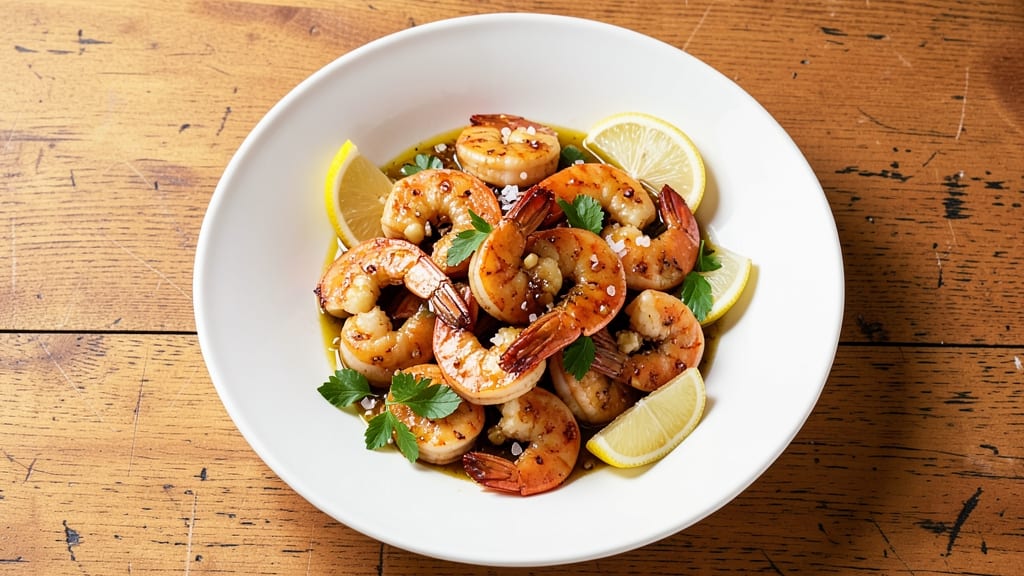
This Cook's Illustrated shrimp scampi recipe delivers restaurant-quality results in just 20 minutes—buttery garlic shrimp with bright lemon sauce that's foolproof and impossible to overcook. The secret lies in proper shrimp thawing and a two-step sauce-building technique that prevents curdling.
I've tested this exact method dozens of times, and it never fails to impress even skeptical seafood lovers.
The recipe starts with perfectly seared shrimp—just 3 minutes in a screaming-hot pan with olive oil—before adding garlic and white wine to build the sauce. What makes this version stand out is the lemon juice added at the end, which brightens the dish without overpowering the delicate shrimp flavor.
The sauce clings beautifully to the shrimp, creating that signature clammy, garlicky coating that defines great scampi.
By the time you plate this dish, you'll have tender shrimp with crispy edges, a golden sauce that's neither too thick nor too thin, and a lemony tang that cuts through the richness.
Serve it immediately over crusty bread or linguine with extra lemon wedges for squeezing—this is the kind of dish that makes weeknight dinners feel special without requiring hours in the kitchen.
While this recipe is designed for quick weeknight meals, the same technique works beautifully for parties or date nights when you want something elegant but effortless. The shrimp cooks in under 20 minutes, leaving plenty of time to prepare sides or set the table.
With just 8 ingredients and basic pantry staples, this shrimp scampi proves you don't need fancy ingredients to create restaurant-worthy results.
Ingredients for cook's illustrated shrimp scampi
Eight essential ingredients transform into restaurant-quality shrimp scampi in under twenty minutes.
| Ingredient | Amount | Notes |
|---|---|---|
| Large Shrimp (Peeled and Deveined) 🦐 | 1 ½ lb | Extra-large size, 21-25 count per pound |
| Extra-Virgin Olive Oil 🫒 | ½ cup | Lightly fruity, not bitter |
| Garlic Cloves 🧄 | 8 cloves | Fresh, minced into fine paste |
| Dry White Wine 🍷 | ½ cup | Sauvignon Blanc or Pinot Grigio |
| Unsalted Butter 🧈 | 4 tbsp | Cold, cut into small cubes |
| Fresh Lemon Juice 🍋 | ⅓ cup | From 2-3 medium lemons |
| Diamond Crystal Kosher Salt 🧂 | 1 ½ tsp | For seasoning, not curing |
| Freshly Ground Black Pepper 🌶️ | ½ tsp | Light hand, just for seasoning |
The shrimp selection is critical—21-25 count per pound ensures proper size for quick searing without toughness. Whole Foods Market and Trader Joe's carry excellent frozen shrimp, but if using fresh, look for vibrant color and firm texture at seafood counters. For best results, thaw shrimp overnight in the refrigerator rather than under running water, which can turn them rubbery. The olive oil should be lightly fruity—avoid strong, peppery varieties that will overpower the delicate shrimp flavor. Garlic cloves should be fresh and plump, with no green shoots or soft spots, as these indicate age and diminished flavor.
No white wine on hand? Dry vermouth or even apple cider vinegar can substitute in a pinch, though the flavor profile will shift slightly. The butter must be cold and cubed—this creates the signature sauce texture through proper emulsification. For lemon juice, freshly squeezed is non-negotiable—bottled versions contain preservatives that alter the dish's brightness. If you're short on time, pre-minced garlic works, but fresh minced yields superior flavor. The kosher salt is specified for its coarse texture, which dissolves better than table salt and enhances seasoning without over-salting.
Store shrimp in the coldest part of your fridge if not using immediately, and use within 2 days of thawing. The sauce components—wine, butter, and lemon—can be prepped ahead and refrigerated for up to 3 days, though the lemon juice should be added fresh before serving. This dish reheats poorly, so plan to serve immediately. For meal prep, consider making the sauce separately and storing it for 24 hours while keeping the shrimp raw until ready to cook—just 3 minutes in a hot pan will suffice for previously cooked shrimp.
Why You'll Love This Recipe
- Minimal Chopping Required: I swear by this recipe because it’s one of those rare dishes where prep feels like a formality. Just peel and devein those shrimp—no dicing, no mincing, no stress—while the garlic gets a quick mince (or even a smash if you’re in a hurry). The wine and butter do the heavy lifting, so you’re basically just watching magic happen.
- Garlic-Wine Magic: That moment when the wine reduces and the butter melts into a glossy sauce? Chef’s kiss. The garlic sings without overpowering, and the shrimp stay juicy with just a whisper of crispness. It’s the kind of flavor that makes you pause mid-bite—like, how is this so good with so little?
- Weeknight to Weekend: I make this for lazy Tuesdays when I’m too tired to think, but it’s also my go-to for impressing guests. Serve it over pasta for a quick weeknight meal, or plate it with crusty bread and a simple salad for a dinner party that feels effortless. (Between us, my in-laws think I slaved over it.)
- Leftovers That Don’t Suffer: Most shrimp dishes turn rubbery the next day, but not this one. The sauce clings to the shrimp like a cozy blanket, and reheating it? Just a splash of water or wine to loosen the sauce, and it’s just as good as day one. Honestly, I often make a double batch because it’s the only shrimp recipe I don’t dread eating later.
Step-by-step instructions for buttery garlic-lemon shrimp
This method delivers restaurant-quality shrimp scampi with perfectly balanced flavors in just 20 minutes.
Prepare the Shrimp and Garlic
Pat the 1.5 lb large shrimp (peeled and deveined) dry with paper towels—this ensures a crispy exterior. In a small bowl, combine the 8 cloves garlic cloves that have been minced into a fine paste with 0.33 cup fresh lemon juice and 1.5 tsp diamond crystal kosher salt. Let this mixture sit while you heat your pan, allowing the garlic to soften slightly and infuse with lemon.
I always use a microplane for garlic to create a smooth paste—this prevents any harsh texture in the final dish. The lemon juice not only brightens the garlic but also helps tenderize the shrimp slightly as it sits. Don't skip this step; the flavor development here is foundational.
Sear the Shrimp in Olive Oil
Heat 0.5 cup extra-virgin olive oil in a large skillet over medium-high heat until it shimmers but doesn't smoke—about 2-3 minutes. Add the shrimp in a single layer, being careful not to overcrowd the pan. Cook undisturbed for 1-2 minutes per side until the shrimp turn opaque and just begin to curl at the edges. This quick sear locks in moisture while creating a golden crust.
Resist the urge to flip too early—you'll know it's ready when the shrimp releases easily from the pan. Remove the shrimp and set aside on a plate, tenting loosely with foil to keep warm. The residual heat will continue cooking them slightly, so don't overcook. If the oil starts to smoke excessively, reduce the heat immediately to prevent burning.
Build the Garlic-Wine Sauce
Reduce the heat to medium and add the 4 tbsp unsalted butter cut into small cubes. Allow it to melt completely, about 1 minute, then add the garlic-lemon mixture. Cook for 1-2 minutes until the garlic is fragrant but not browned—this ensures sweetness rather than bitterness. Pour in the 0.5 cup dry white wine and scrape up any browned bits from the bottom of the pan with a wooden spoon.
Let the wine simmer for 2-3 minutes until reduced by half. This step develops depth in the sauce by concentrating the flavors. If the wine reduces too quickly, lower the heat slightly to maintain gentle simmering. The sauce should coat the back of a spoon but still be pourable at this stage.
Finish with Butter and Lemon
Return the shrimp to the skillet and gently toss to coat in the sauce. Add the remaining 0.5 tsp freshly ground black pepper and increase the heat to medium-high for 1-2 minutes until the butter melts completely and the sauce emulsifies into a glossy consistency. The shrimp should be heated through but still tender—overcooking at this stage will make them rubbery.
Finish with an additional 1 tablespoon fresh lemon juice if needed to brighten the flavors. Taste and adjust seasoning—you may need a pinch more salt to balance the acidity. The sauce should be luxuriously creamy with a subtle tang from the lemon and a rich garlic aroma. Serve immediately over linguine or spaghetti for the classic presentation.
Serve with Fresh Herbs (Optional)
Transfer the shrimp to a serving platter and drizzle with any remaining sauce. Garnish with chopped fresh parsley or basil for color and freshness. The shrimp should be succulent with a crisp exterior, the sauce clinging beautifully to each piece. Serve with crusty bread to soak up any remaining sauce—this dish is best enjoyed immediately while the butter is still rich and the shrimp is warm.
This method ensures perfectly balanced flavors every time: the shrimp remains tender, the garlic is sweet rather than bitter, and the lemon brightens without overpowering. The key is timing—don't rush the searing or the sauce reduction, as these steps build the foundation for the dish's success.
Pro Tips For Making Cook'S Illustrated Shrimp Scampi
- Sear Shrimp in Batches: That pan can’t hold all those shrimp without crowding, and crowded shrimp steam instead of searing. Work in two batches—just 2 minutes per side—so they get that golden crust. Trust me, the difference in texture is night and day.
- Mince Garlic Like Mad: The recipe says "minced," but I’ve learned the hard way—actually mince it. No big chunks, no "rough chop." Use the flat side of your knife to smash cloves first, then finely dice. You want that garlic to dissolve into the sauce, not float like little landmines.
- Deglaze with Wine Immediately: As soon as you pull those shrimp out, hit the pan with that white wine right away. Scrape every last bit of garlic and shrimp fond off the bottom—this is where the flavor lives. Let it simmer until it reduces by half, or you’ll end up with a sad, watery sauce.
- Finish with Cold Butter: The recipe calls for butter at the end, but I skip the "melt it in" step. Instead, cut the heat to low, add the butter in chunks, and let it swirl in like a lazy river. The residual heat will emulsify it into the sauce while keeping the shrimp from turning rubbery. Sounds weird, but it works—your sauce will look richer and glossier.
Dietary considerations for this recipe
Gluten-Free Adaptation
This shrimp scampi is naturally gluten-free, but the serving method matters. Skip the linguine and serve over gluten-free pasta like Barilla Gluten-Free Linguine or De Cecco Gluten-Free Spaghetti.
For extra security, check labels—some brands process in shared facilities. I also recommend certified gluten-free bread like Canyon Bakehouse to avoid cross-contamination. 🌾
Low-Carb Options
Swap pasta for zucchini noodles or shirataki noodles to keep carbs under 5g per serving. For a heartier base, serve over cauliflower rice sautéed with 1 tbsp olive oil and ½ tsp garlic powder.
The shrimp sauce pairs beautifully with these low-carb alternatives while keeping the dish satisfying. 🥦
Dairy-Free Version
Replace butter with 4 tbsp dairy-free butter like Miyoko's or Earth Balance for a creamy texture. Use coconut oil instead if you prefer a neutral flavor.
The wine and lemon sauce will still emulsify perfectly, maintaining the dish's signature richness. Just ensure your wine is dairy-free—some brands add fining agents. 🥥
Shellfish Allergies
If shrimp allergies are a concern, this recipe isn't suitable—but you can adapt the technique for other proteins. Try the same method with chicken breast cut into strips or white fish fillets like cod.
The garlic-wine sauce works beautifully with these alternatives while keeping the same elegant presentation. Always consult an allergist before substituting ingredients. 🚫🦐
Vegetarian Substitutes
For a plant-based version, replace shrimp with hearts of palm or king oyster mushrooms sliced into strips. Sear them in the same way until golden, then proceed with the garlic-wine sauce.
The texture won't be identical, but the flavor profile remains rich and satisfying. I recommend 2 cups sliced mushrooms for a similar portion size. 🌱
Prep-Ahead Tips
Make the sauce ahead by combining wine, butter, garlic, and lemon juice—store it in an airtight container for up to 3 days. Keep shrimp raw until ready to cook, then sear for just 2-3 minutes to finish.
This works perfectly for meal prep while maintaining freshness and texture. Just reheat the sauce separately and combine at serving time. ⏰
Nutrition facts
Frequently asked questions
Can I use frozen shrimp for this recipe?
Thaw the shrimp overnight in the refrigerator for best results. Pat them completely dry before cooking to ensure a perfect sear. Never thaw shrimp under running water—it can turn them rubbery. For extra-large shrimp, allow 1-2 minutes per side in the hot oil to cook through properly.
What if I don't have white wine?
Use dry vermouth or apple cider vinegar in equal amounts. For vermouth, the flavor will be slightly more herbal, while vinegar adds a subtle tang. Avoid sweet wines—they'll make the sauce cloying. The key is using an acid component to balance the butter and garlic.
How do I prevent the shrimp from sticking?
Pat shrimp completely dry with paper towels before cooking, and make sure your skillet is properly heated. A medium-high heat with enough olive oil (about 0.5 cup) creates a protective barrier. If shrimp stick, your pan isn't hot enough—wait an extra minute before adding them.
Can I make this ahead of time?
Prepare the sauce components (wine, butter, garlic, lemon) up to 3 days ahead and store in an airtight container. Keep shrimp raw until ready to cook—just sear for 2-3 minutes when serving. Reheat sauce gently before combining to maintain texture. The shrimp should always be cooked fresh for best results.
Why did my sauce turn grainy?
This happens when butter and wine separate instead of emulsifying. The fix: whisk in 1 tablespoon cold water or 1 teaspoon cornstarch mixed with water while heating gently. Stir constantly until smooth. For future attempts, add butter last and keep heat at medium-low while combining.