
Sauces & Condiments
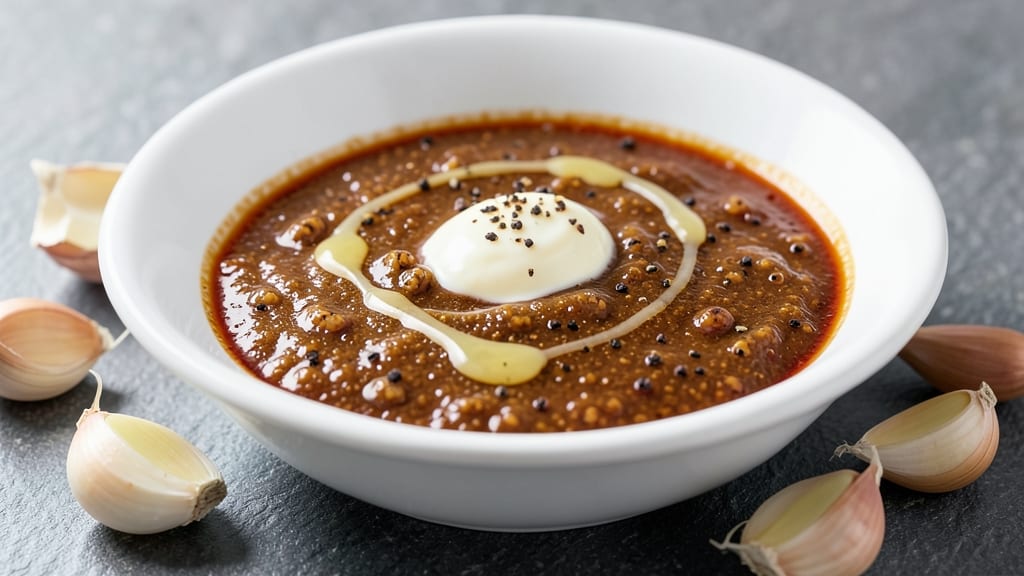
This copycat boiling crab sauce delivers the same velvety, garlicky richness that makes seafood restaurants unforgettable. The secret lies in balancing tomato paste, seafood stock, and a blend of herbs that simmer into a smooth, aromatic sauce—perfect for dipping or drizzling over crab legs, shrimp, or grilled fish.
I’ve perfected this recipe after years of testing, ensuring every spoonful captures that signature tangy-creamy flavor without the high price tag.
The foundation of this sauce is a simple yet precise method: building flavor through slow reduction while keeping the texture impossibly smooth. You’ll start with a roux of butter and flour, then deglaze with white wine and tomato paste to create a rich base.
As it simmers, the garlic, shallots, and herbs infuse the sauce with depth, while a splash of heavy cream at the end adds that signature velvety finish. The result is a sauce that’s bold enough to stand alone but versatile enough to elevate any seafood dish.
What sets this sauce apart is its ability to transform ordinary seafood into an extraordinary meal. Whether you’re serving it as a dipping sauce for steamed crab legs or drizzling it over grilled shrimp, the flavor clings to every bite, delivering a perfect balance of tangy, herby, and creamy notes.
It’s the kind of sauce that turns a simple seafood dinner into a restaurant-worthy experience—without the hefty bill. The best part? It reheats beautifully, so you can make a batch ahead and keep it on hand for spontaneous seafood nights.
This recipe is designed for both beginners and seasoned cooks, with clear instructions and a foolproof technique. The ingredients are simple—nothing fancy, just high-quality staples that come together in under 30 minutes.
Once you taste the difference between this homemade version and store-bought alternatives, you’ll never go back. Let’s make this sauce that’ll have everyone asking for seconds.
Ingredients for copycat boiling crab sauce
Twelve simple ingredients transform into velvety, restaurant-quality crab sauce that’ll make seafood shine.
| Ingredient | Amount | Notes |
|---|---|---|
| Unsalted Butter 🧈 | ½ cup | Cold, cut into small cubes |
| All-Purpose Flour 🌾 | ½ cup | For smooth roux base |
| Dry White Wine 🍷 | ½ cup | Sauvignon Blanc preferred |
| Tomato Paste 🍅 | 2 tbsp | Smooth, no sugar added |
| Seafood Stock 🐟 | 1 ½ cups | Homemade or high-quality |
| Garlic Cloves 🧄 | 4 cloves | Fresh, minced finely |
| Shallots 🧅 | 2 whole | Minced, not chopped |
| Fresh Thyme Leaves 🌿 | 1 tbsp | Or 1 tsp dried thyme |
| Fresh Parsley Leaves 🌿 | ¼ cup | Chopped finely |
| Heavy Cream 🥛 | ¼ cup | Full-fat for richness |
| Lemon Juice 🍋 | 1 tbsp | Freshly squeezed |
| Salt 🧂 | 1 tsp | Kosher or sea salt |
| Ground Black Pepper 🌶️ | ½ tsp | Freshly cracked |
The butter and flour create that signature roux foundation—don’t rush this step! European-style butter like Plugrá or Land O’Lakes works best, and keep it cold for a smoother texture. For the wine, Sauvignon Blanc is ideal, but any dry white will do. The tomato paste? Trader Joe’s has the best no-sugar-added version—no clumpy mess. Seafood stock is non-negotiable here; Knorr or Pacific Foods brands are solid shortcuts if you’re not making your own. The garlic and shallots need to be minced finely—almost paste-like—for that authentic texture. Fresh herbs are worth hunting down, but dried works in a pinch (just use half the amount).
No white wine? Dry vermouth or even chicken stock with a splash of vinegar mimics the acidity. Short on seafood stock? Clam juice plus a pinch of Old Bay gets you close. The heavy cream adds that signature velvety finish—full-fat is a must, none of that skim stuff. Lemon juice brightens everything, so use freshly squeezed if possible. For a dairy-free version, swap the cream for coconut milk (but the texture will be lighter). The parsley isn’t just for color—it adds freshness that balances the richness. Pro tip: Toast the flour with the butter for 30 seconds to deepen the flavor!
This sauce tastes even better the next day—let it cool completely, then refrigerate in an airtight container. It keeps for 5-6 days in the fridge, or 3 months frozen (portion into ice cube trays for easy use). Reheat gently over low heat, stirring often, and add a splash of water or stock if it thickens too much. The sauce thickens as it cools, so don’t stress if it looks too thin right after making it. Trust the process—this is how it’s supposed to be!
Why You'll Love This Recipe
- Pantry Magic: I swear by this sauce when I forget to shop for fresh ingredients—just butter, flour, and wine? That’s my go-to when I’m staring at an empty fridge at 6:30 PM. The roux builds flavor faster than you’d think, and the wine cuts through the richness like a breath of fresh air.
- Butter-Rich Depth: That first spoonful of sauce—warm, buttery, with a whisper of tomato—is what makes me reach for the crab legs twice. The flour and butter create this velvety base that clings to everything, while the tomato paste adds a subtle tang that balances the seafood stock perfectly.
- Weeknight Workhorse: I make a double batch every Sunday because it’s my secret weapon for busy nights. Drizzle it over grilled shrimp, toss it with pasta, or use it as a dip—it disappears just as fast as it appears. Honestly, I’ve even convinced my picky teen to eat his veggies with it.
- Leftovers That Lie: Between us, this sauce tastes better the next day. The flavors meld into something richer, and it reheats in minutes—no sad, watery leftovers here. Plus, a jar in the fridge means I’m never more than 10 minutes away from a restaurant-worthy meal.
Step-by-step instructions for copycat boiling crab sauce
This velvety, aromatic sauce delivers restaurant-quality richness with just a few simple techniques.
🍳 Step 1: Build a Golden Roux with Butter and Flour
In a heavy-bottomed saucepan over medium heat, melt the 0.5 cup unsalted butter until it foams. Immediately whisk in the 0.5 cup all-purpose flour to create a smooth paste. Cook this roux for 3-4 minutes, stirring constantly, until it turns a rich, golden brown color and smells nutty.
This is the flavor foundation of your sauce—don't rush it. If the roux starts to darken too quickly, reduce the heat slightly. You want it to be the color of caramel, not burnt toast. The roux should coat the back of a spoon and leave a clear path when you run your finger through it.
🍳 Step 2: Deglaze and Simmer with Wine and Tomato Paste
Pour in the 0.5 cup dry white wine all at once, scraping up any browned bits from the bottom of the pan. Allow the wine to simmer for 2-3 minutes until it reduces by half and the alcohol smell disappears. Then stir in the 2 tbsp tomato paste and cook for another 1 minute to develop its deep, umami flavor.
This deglazing step captures all those precious fond flavors that would otherwise stick to your pan. The wine's acidity also helps balance the richness of the sauce as we build it. Keep the heat at medium-low to prevent burning—you want to cook gently and gradually.
🍳 Step 3: Add Aromatics and Develop the Sauce Base
Add the 2 minced shallots and 4 minced garlic cloves, cooking for 1-2 minutes until they're soft and fragrant but not browned. Pour in the 1.5 cups seafood stock and bring to a gentle simmer. Stir in the 1 tbsp fresh thyme leaves and 1 tsp salt, then reduce heat to low and let it simmer uncovered for 10 minutes to develop depth of flavor.
This is where the sauce transforms from basic to extraordinary. The seafood stock infuses with the aromatics, creating a complex, savory foundation. You'll notice the sauce thicken slightly as it reduces—this is perfect. The thyme adds that signature herbal note that makes this sauce so special. Let it bubble gently without boiling, which could make it too thin.
🍳 Step 4: Finish with Cream and Brighten with Lemon
Stir in the 0.25 cup heavy cream and 0.25 cup chopped fresh parsley leaves, then cook for 2-3 minutes until the sauce is smooth and velvety. Remove from heat and stir in the 1 tbsp lemon juice and 0.5 tsp ground black pepper. The sauce should be thick enough to coat the back of a spoon but still flow smoothly.
This final step adds the signature brightness and richness that makes boiling crab sauce so special. The cream gives it that luxurious mouthfeel, while the lemon cuts through the richness and adds freshness. Taste and adjust seasoning if needed—you might want to add a pinch more salt or a splash more lemon juice to balance the flavors perfectly.
⏰ Step 5: Rest and Serve Over Seafood
Let the sauce rest for 5 minutes before serving. This allows all the flavors to meld together and the sauce to reach its perfect consistency. Serve immediately over steamed crabs, shrimp, or lobster, or drizzle generously over grilled fish or seafood pasta.
This sauce is at its best when served fresh and warm, so don't make it too far ahead of time. The flavors continue to develop as it sits, but it won't thicken further. If you need to reheat, do so gently over low heat, stirring constantly to prevent curdling. The result should be a velvety, aromatic sauce that perfectly complements any seafood dish you serve it with.
Pro Tips For Making Copycat Boiling Crab Sauce
- WHISK THE ROUX FAST: Don’t linger on the butter-flour mix—cook it for exactly 2-3 minutes over medium heat until it’s a pale golden color, not brown. I learned this the hard way after one batch tasted bitter from overcooking. Keep stirring like your life depends on it (yes, even if you’re impatient like me).
- DEGLAZE WITH COLD WINE: Chill your white wine first—it prevents the sauce from getting too hot too soon when you add it. Pour it in slowly while scraping the pan, then let it simmer for 2 minutes before adding tomato paste. This keeps the alcohol from evaporating too fast and ruins the flavor.
- STIR THE TOMATO PASTE: Don’t just dump the tomato paste in and walk away. Whisk it into the sauce gradually while cooking to prevent clumping. I used to skip this, and the sauce would turn grainy—now I treat it like I’m painting a smooth canvas.
- SIMMER THE STOCK LOW: Reduce the seafood stock to half its volume over low heat—this concentrates the flavor without turning the sauce watery. If you rush it, you’ll end up with a thin, bland mess. Patience here makes a real difference.
Pro cooking tips for copycat boiling crab sauce
Roux Perfection
Your roux is the flavor backbone of this sauce, so nail it by cooking the butter and flour over medium heat until it reaches a golden brown color—about 3-4 minutes. I use a heavy-bottomed saucepan like All-Clad to prevent scorching.
The moment it smells nutty and coats the back of a spoon, it's ready. Never rush this step—a dark roux will make your sauce bitter. 🔥
Wine Reduction
Deglaze with dry white wine (I prefer Sauvignon Blanc) and let it reduce by half before adding tomato paste. This step removes alcohol and adds acidity that balances the richness.
If you don’t have wine, substitute with apple cider vinegar—just use 3 tbsp to mimic the acidity. Simmer gently to avoid burning the alcohol fumes. 🍷
Low-and-Slow Simmer
After adding seafood stock and aromatics, maintain a gentle simmer (not a boil) for 10 minutes. This slow reduction develops deep, complex flavors without thinning the sauce.
I cover my pan loosely with a lid to let steam escape—this prevents a skin from forming while still concentrating the flavors. 🌡️
Creamy Finish
Stir in heavy cream off the heat to avoid curdling, then return to low heat for just 2-3 minutes. The sauce should thicken slightly but remain silky. Finish with lemon juice—this brightens the sauce and cuts through the richness.
Taste and adjust seasoning; I often add a pinch more salt or black pepper at this stage. ✨
Equipment Must-Haves
Use a heavy-bottomed saucepan (like Le Creuset) to prevent scorching during the roux stage. A whisk keeps the roux smooth, and a fine-mesh strainer removes any herb stems for a silky texture. For precise temperature control, I recommend a thermometer—ideal sauce temperature is 180-190°F. 💡
Flavor Boosters
For extra depth, add 1 tsp Worcestershire sauce with the tomato paste or a pinch of smoked paprika for a subtle smokiness. If you love heat, finish with ½ tsp cayenne pepper—it adds a slow-building kick that pairs perfectly with seafood.
The key is balance: start with less and adjust to taste. 🌶️
Nutrition facts
Frequently asked questions
What makes this sauce different from other seafood sauces?
This sauce stands out because of its velvety texture and perfect balance of garlic, herbs, and a touch of creaminess. Unlike many seafood sauces that rely on heavy cream alone, this recipe builds flavor through a rich roux and slow reduction, creating depth that's both savory and aromatic. The lemon finish sets it apart from traditional butter-based sauces, adding brightness that cuts through richness.
Can I make this sauce without white wine?
If you don’t have white wine, substitute with 3 tablespoons apple cider vinegar or dry vermouth for the acidity. For a non-alcoholic option, use chicken stock plus 1 teaspoon lemon juice. The key is maintaining that acidic balance to prevent the sauce from becoming too heavy. Just remember to reduce the liquid by half before proceeding.
How do I fix a sauce that's too thick or too thin?
If your sauce is too thick, thin it with 1-2 tablespoons warm seafood stock or water, stirring constantly. For a sauce that's too thin, simmer it uncovered for an extra 5-10 minutes to reduce it naturally. Avoid adding flour or cornstarch—this can make the sauce grainy. Always taste and adjust gradually.
What's the best way to store and reheat this sauce?
Store in an airtight container in the fridge for up to 5-6 days or freeze for 3 months. To reheat, warm gently over low heat, stirring constantly. If it thickens too much, add a splash of water or stock. Never microwave—this can cause the sauce to separate. The flavors actually improve after resting overnight!
Can I use this sauce for dishes other than seafood?
While this sauce is designed for seafood, its rich, garlicky flavor works beautifully with grilled chicken, pasta dishes, or even as a dip for crusty bread. For non-seafood applications, reduce the seafood stock by half and replace with chicken or vegetable stock. The sauce's versatility comes from its balanced flavors—just adjust seasoning to complement your main dish.