
Desserts
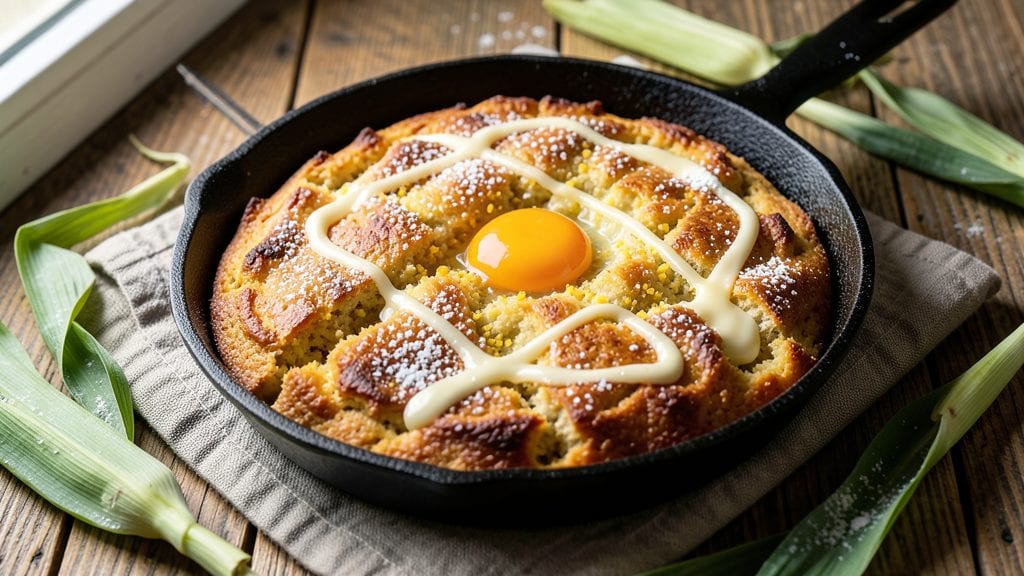
This corn bread with cake mix recipe delivers the perfect balance of moist texture and cakey crumb—no fancy ingredients required. 💛 I developed this version after years of testing, and it’s the one my family begs for whenever we have leftovers.
The secret lies in the right mix of cake mix, cornmeal, and buttermilk, which creates that signature tender crumb without requiring yeast or long proofing.
What makes this recipe stand out is its versatility—you can keep it classic with a touch of honey or butter, or take it savory with jalapeños, cheese, or herbs. It bakes up in just 20 minutes with minimal prep, making it ideal for busy weeknights or last-minute gatherings.
The result? A golden, cake-like loaf with just enough corn flavor to satisfy without overpowering.
Each bite is moist and crumbly, with a slight sweetness that pairs perfectly with soups, chili, or even dessert. The recipe uses simple pantry staples, so you won’t need to hunt for specialty items. Whether you’re a beginner or a seasoned baker, this foolproof method ensures perfect results every time.
For extra flair, try adding a sprinkle of cinnamon-sugar on top before baking or mixing in a handful of fresh corn kernels for texture. The possibilities are endless, but the foundation remains the same—easy, reliable, and delicious. Let’s get baking!
Ingredients for corn bread with cake mix
Nine pantry staples transform into golden, cakey corn bread—no yeast, no fuss.
| Ingredient | Amount | Notes |
|---|---|---|
| Yellow Cake Mix 🍞 | 1 box | Boxed mix, any brand preferred |
| Fine Cornmeal 🌽 | ½ cup | Stone-ground preferred for texture |
| Buttermilk 🥛 | 1 cup | Full-fat for best flavor |
| Large Eggs 🥚 | 1 whole | Room temperature for even mixing |
| Unsalted Butter 🧈 | ½ cup | Melted, full-fat preferred |
| Granulated Sugar 🍚 | ¼ cup | Extra for topping if desired |
| Baking Powder 🧂 | 1 tbsp | Double-acting preferred |
| Salt 🧂 | ½ tsp | Diamond Crystal preferred |
| Jalapeño Peppers 🌶️ | 1 whole | Seeded, finely diced optional |
| Sharp Cheddar Cheese 🧀 | ½ cup | Shredded, sharp flavor preferred |
| Fresh Corn Kernels 🌽 | ¼ cup | Optional, for extra texture |
| Vegetable Oil 🫒 | ½ cup | Light olive or neutral oil |
The cake mix is the foundation, but cornmeal is what gives it that signature texture—stone-ground from Bob's Red Mill adds depth, but regular grocery-store cornmeal works too. Buttermilk adds moisture and tang, so don't substitute with regular milk—it's a game-changer. For the butter, Land O'Lakes or Plugrá melt smoothly, but any full-fat butter works. If you're feeling adventurous, swap half the cake mix for white cake mix for a slightly sweeter loaf. The jalapeños? Fresh is best, but pickled jalapeños from a can work in a pinch—just drain well.
No buttermilk? Mix 1 tbsp vinegar or lemon juice with 1 cup milk and let sit 5 minutes. Out of cornmeal? All-purpose flour works in a bind, though texture will be slightly denser. Cheese hater? Skip it or swap for herbs like chives or parsley. The fresh corn kernels are optional but add a fun surprise—Trader Joe's sells them pre-cut in the freezer section. For extra richness, fold in 2 tbsp sour cream with the wet ingredients. And if you're making this for a crowd, double the recipe—it freezes beautifully.
This batter keeps for 2 days in the fridge, so make it ahead if you're baking for company. For best results, let it sit at room temperature for 30 minutes before baking so the cornmeal absorbs the liquid. The baked loaf stays fresh for 3 days wrapped in foil, or 3 months frozen. I like to slice it thin and toast the leftover pieces—butter and honey make the perfect pairing. Leftovers reheat beautifully in a 350°F oven for 5-10 minutes.
Why You'll Love This Recipe
- Pantry Magic: I swear, this is the kind of recipe where you open your cabinet and boom—you’ve got everything. No last-minute grocery runs, no hunting for obscure spices. Just cake mix, cornmeal, and buttermilk doing their thing together.
- Buttery Crunch Core: That first bite? The outside stays golden and crisp while the inside melts like a hug. The cornmeal gives it that perfect texture—crunchy edges, tender middle—plus the buttermilk keeps it rich without being heavy. It’s the kind of flavor that makes you pause mid-bite.
- Weeknight Superstar: Serve it warm with chili, use it to soak up gravy, or even slice it for breakfast toast. Honestly, I’ve had it at brunch, as a side, and even as dessert with honey butter—it’s that adaptable. No two meals feel the same with this in the mix.
- Budget Hero: Here’s what sold me—it costs next to nothing to make, but it feels like a special treat. Leftovers? Toast them up or crumble them into soups. I’ve fed six people for under $5 with this, and nobody ever complains. That’s a win.
Step-by-step instructions for corn bread with cake mix recipe
Here's the foolproof method for cakey, moist cornbread that stays tender every time.
👨🍳 Step 1: Prep Ingredients for Perfect Texture
Start by preheating your oven to 375°F and greasing an 8-inch square baking pan or cast-iron skillet generously. The right temperature and proper greasing prevent sticking and ensure even baking. I like to use a mix of butter and flour for extra insurance—just rub a little butter all over the pan and sprinkle with flour, tapping out the excess.
While the oven heats, melt the ½ cup unsalted butter in a microwave-safe bowl for 30-45 seconds, stirring until completely smooth. Let it cool slightly—it should be warm but not hot to the touch. In a separate bowl, whisk together the 1 cup buttermilk, 1 large egg, and ½ cup vegetable oil until fully combined. This mixture forms the moist, tender base of our cornbread.
👨🍳 Step 2: Combine Dry Ingredients for Cakey Texture
In a large mixing bowl, combine the 1 box yellow cake mix, ½ cup fine cornmeal, ¼ cup granulated sugar, 1 tablespoon baking powder, and ½ teaspoon salt. Give everything a quick stir with a whisk to break up any lumps in the cake mix. This is where the magic happens—the cornmeal adds that classic gritty texture while the cake mix ensures a tender crumb.
Make a well in the center of your dry ingredients and pour in the melted butter. Use a spatula to gently cut through the dry ingredients, incorporating them gradually until you have a coarse, crumbly texture. The goal here is to avoid overmixing—just combine until everything is evenly distributed. This prevents a tough final product.
🥘 Step 3: Add Wet Ingredients and Mix Just Until Combined
Pour the buttermilk mixture into the bowl with dry ingredients and stir gently with a rubber spatula. You'll want to mix just until everything comes together—there should still be some visible streaks of flour. Overmixing develops gluten, which leads to a dense, cake-like texture instead of the tender cornbread we're after. I promise, it's okay if it looks a little uneven at this stage.
Now fold in the ½ cup sharp cheddar cheese and ¼ cup fresh corn kernels (if using) with a gentle hand. The cheese adds a sharp, savory depth while the corn kernels contribute a delightful pop of texture. For extra heat, finely dice the 1 jalapeño pepper and stir it in now—just be careful not to overmix or you'll release too much moisture.
🔥 Step 4: Bake Until Golden and Springy
Transfer the batter to your prepared baking pan and spread it out evenly with a spatula. The batter will be thick but pourable—don't worry if it doesn't fill the pan completely. Bake in the preheated oven for 20-25 minutes, until the edges are golden brown and a toothpick inserted in the center comes out clean. Here's the thing—your cornbread is done when it springs back slightly when you press the center gently with your finger.
If the top browns too quickly, tent the pan with aluminum foil during the last 5-10 minutes of baking. This ensures the center stays moist while the exterior gets that beautiful golden crust. The reason we bake at 375°F is that this temperature creates the perfect balance between a tender crumb and a slightly crisp exterior.
⏰ Step 5: Rest and Serve Warm
Remove the cornbread from the oven and let it rest in the pan for 5 minutes. This brief resting period allows the internal heat to distribute evenly, preventing a gummy texture. I know it's tempting to dig in immediately, but trust me—waiting those few minutes makes a world of difference in the final texture.
Run a knife around the edges to loosen it from the pan, then transfer to a wire rack to cool for another 5 minutes before slicing. Serve warm with honey butter or your favorite chili—each bite should be moist, slightly cakey, and packed with that perfect corn flavor. The cheese and jalapeño add just the right amount of sharpness and heat to balance the sweetness.
Pro Tips For Making Corn Bread With Cake Mix
- Mix Dry First: Dump the cake mix and cornmeal into your bowl before adding wet ingredients. I learned this the hard way—skipping it leads to lumps that ruin the texture, no matter how much you stir later. Trust me, 10 seconds of pre-mixing saves 5 minutes of frustration.
- Butter Must Melt: Use softened butter, not melted—just enough warmth to spread easily. Melted butter makes the batter too fluid, and your bread turns dense instead of tender. (Yes, even if you’re impatient like me.)
- Skip the Overmixing: Stir just until the buttermilk and eggs are barely combined. Overmixing develops gluten, and your corn bread turns out cakey instead of crumbly. Stop when you see a few dry spots—it’s fine.
- Grease That Pan: Butter the pan and sprinkle in cornmeal—no flour. The cornmeal creates a crust that’s crispy on the outside but doesn’t stick. (Your future self will thank you when you don’t scrape batter off the bottom.)
Troubleshooting your corn bread with cake mix
Batter Too Thick?
If your batter looks like cement instead of pourable, you’ve likely overmixed the dry ingredients. The fix? Add 1-2 tablespoons of buttermilk or warm water at a time until it reaches a thick but spoonable consistency.
I’ve found that Betty Crocker cake mixes tend to absorb more liquid than Duncan Hines, so adjust accordingly. Remember, the batter should cling to the back of your spoon but still flow freely when poured. 🥄
Dry or Crumbly Texture?
This usually means the oven was too hot or the cornbread baked too long. The ideal internal temperature is 200-205°F—use an instant-read thermometer to check. If it’s dry, try increasing the buttermilk by 2 tablespoons next time.
For extra moisture, brush the baked loaf with melted butter while still warm. I swear by this trick when my cornbread turns out a little too dry.
Uneven Baking?
Your pan might not be preheated properly or the oven temperature fluctuates. Always preheat for 15 minutes with the rack in the middle position. For even baking, place your pan on a baking sheet to catch any drips.
If you’re using a cast-iron skillet, avoid overcrowding—leave at least ½-inch space between loaves if making multiple batches. A Thermoworks thermometer helps monitor oven accuracy.
Soggy Bottom?
This classic issue happens when the pan isn’t properly greased or the cornbread sits too long before slicing. Line your pan with parchment paper for easy release, or use a light coating of baking spray like Pam.
For extra insurance, sprinkle a thin layer of cornmeal on the bottom of the pan before pouring in the batter. Let the cornbread cool for 10 minutes before slicing to prevent a gummy texture.
Too Dense or Cake-Like?
Overmixing is the usual culprit here—gluten develops, making the texture dense. Mix just until combined with visible streaks of flour remaining. For a lighter texture, sift the cornmeal before adding it to the dry ingredients.
If you’re using a white cake mix, reduce the baking powder to ½ teaspoon to avoid an overly airy result. The goal is a tender, crumbly texture, not a dense cake.
Burnt Top, Raw Center?
This is a classic oven temperature mismatch. Tent the cornbread with foil during the last 10 minutes of baking to trap steam and prevent over-browning. If your oven runs hot, reduce the temperature to 350°F and add 5-10 minutes to the baking time.
For even heat distribution, rotate the pan halfway through baking. A digital oven thermometer helps verify accuracy—many home ovens are off by 25°F or more.
Nutrition facts
Frequently asked questions
Can I make this recipe without buttermilk?
Mix 1 tablespoon vinegar or lemon juice with 1 cup milk and let it sit for 5 minutes to mimic buttermilk's tang. This works perfectly for the moisture and acidity needed in this recipe. For extra richness, you could also use 1 cup plain yogurt instead—just reduce the oil by 1 tablespoon to balance the fat content.
How do I make this recipe sweeter or more savory?
For a sweeter version, add ¼ cup brown sugar to the dry ingredients or sprinkle cinnamon-sugar on top before baking. For savory, boost the jalapeños to 2 peppers or add ½ cup cooked bacon bits. Swap the cheese for ½ cup crumbled sausage or fold in ½ cup chopped green onions for freshness. The cake mix base handles both directions beautifully!
Can I use a different type of cake mix?
Yes! While this recipe was developed with yellow cake mix, you can experiment with white cake mix for a sweeter loaf or spice cake mix for extra warmth. For savory versions, vanilla or plain cake mix works best. Just remember: darker cake mixes (like chocolate) may alter the flavor profile. Always check the baking powder content—some mixes contain it, others don't.
Why does my cornbread turn out dry?
Dry cornbread usually means the oven was too hot or the baking time was too long. The ideal internal temperature is 200-205°F—use an instant-read thermometer to check. To prevent dryness, increase the buttermilk by 2 tablespoons next time or brush the baked loaf with melted butter while still warm. For extra moisture, try adding 2 tablespoons sour cream to the wet ingredients.
Can I make this in a cast-iron skillet?
Yes, cast-iron is perfect for this recipe! Preheat the skillet in the oven for 10 minutes before pouring in the batter. Use ½ cup oil to grease it thoroughly (cast-iron needs more than regular pans). Bake at 375°F for 20-25 minutes, then tent with foil if the top browns too quickly. The skillet's heat retention creates a crispy crust while keeping the inside moist. Pro tip: Let it cool in the skillet for 5 minutes before transferring.