
Main Courses
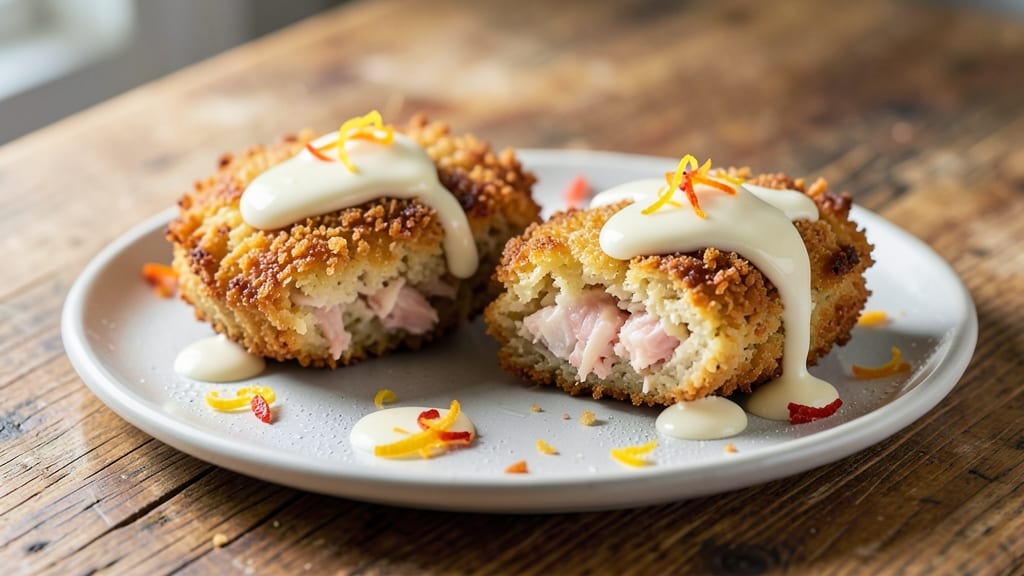
This crab cake recipe using Ritz crackers delivers a perfect balance of crispy, vinegar-infused crust and juicy pink centers that'll make you question why you ever bought store-bought versions. The secret lies in the cracker crumbs—crushed fine and tossed with a splash of vinegar for that signature crunch and tang.
I first discovered this technique while working in Charleston, where seafood shacks served these as their signature appetizer, and it's become a regular at our Austin dinner table.
The beauty of this recipe is its simplicity—no fancy binders or complicated steps, just fresh lump crabmeat, a few pantry staples, and the magic of Ritz crackers.
We're talking about 15 minutes of prep time, followed by 3-4 minutes of perfect frying (or baking for a lighter option), and you'll have golden, crispy crab cakes that hold their shape beautifully.
The crackers not only add texture but also absorb excess moisture, ensuring your crab stays juicy while the exterior stays gloriously crunchy.
What you'll end up with is a plate of crab cakes that look and taste like they came from a high-end seafood restaurant—golden-brown edges with that satisfying crunch, and tender, sweet crab that melts in your mouth.
The vinegar in the cracker mixture adds a bright acidity that cuts through the richness of the crab, creating a perfect balance in every bite. Serve them with classic tartar sauce, lemon wedges, or a crisp coleslaw to complete the experience.
This recipe is particularly special because it works equally well for pescatarians and seafood lovers alike, and it's versatile enough to handle different types of crab—whether you're using fresh lump crab, canned crabmeat, or even a mix of both. Let's get started on creating these restaurant-quality crab cakes at home!
Ingredients for crab cake recipe using ritz crackers
Ritz crackers and fresh crabmeat—this combo transforms a simple appetizer into a restaurant-worthy masterpiece.
| Ingredient | Amount | Notes |
|---|---|---|
| Fresh Lump Crabmeat 🦀 | 1 ½ lb | Backfin preferred, drained well |
| Ritz Crackers 🍞 | 1 ½ cups | Crushed into fine crumbs |
| White Vinegar 💧 | 2 tbsp | Distilled preferred for tang |
| Mayonnaise 🥛 | ¼ cup | Duck fat or avocado oil based |
| Large Eggs 🥚 | 2 whole | Room temperature for best binding |
| Lemon Juice 🍋 | 1 tbsp | Freshly squeezed |
| Old Bay Seasoning 🌶️ | 1 tbsp | Classic Chesapeake blend |
| Salt 🧂 | ½ tsp | Diamond Crystal preferred |
| Black Pepper 🌶️ | ¼ tsp | Freshly cracked |
| Extra-Virgin Olive Oil 🫒 | 2 tbsp | For frying, 350°F |
| Butter 🧈 | 2 tbsp | Unsalted, melted for crispiness |
| Chives 🌿 | 2 tbsp | Finely chopped, for garnish |
The Ritz crackers are non-negotiable here. Grab the classic yellow boxes—the plain variety, not the fancy ones with cheese or herbs. Trader Joe's has them for cheap, but any grocery store will do. Fresh lump crabmeat is ideal, but if you're using canned, drain it really well and pat it dry with paper towels. The Old Bay seasoning? Don't skimp—this is what gives those Charleston shacks their signature flavor. I always buy the big container at Costco when I'm making a big batch, but a small jar works fine for a few crab cakes.
No fresh lump crab? Canned crabmeat works in a pinch, but you must drain it thoroughly and pat it dry—wet crab makes mushy crab cakes. Short on Ritz crackers? Saltines crushed fine give a similar texture, though they won't have that buttery richness. The vinegar is key for that bright tang—apple cider vinegar works too, but white vinegar gives you that classic seafood shack bite. Want extra crispiness? Add 1 tbsp cornstarch to the cracker crumbs. And if you're baking instead of frying, use panko mixed with the Ritz crumbs for better structure.
These keep beautifully—2 days in the fridge if you make them ahead, or 3 months frozen (freeze on a tray first, then transfer). For frying, 350°F is perfect—any hotter and they'll burn before cooking through. The secret to juicy centers? Don't overmix the crabmeat. I like to portion mine into small ramekins before chilling, so they hold their shape when frying. Serve immediately with lemon wedges—the acid cuts through the richness and makes every bite taste fresh.
Why You'll Love This Recipe
- No-Fuss Crunch: I swear by this trick—crushing Ritz crackers into the mix gives that perfect golden crunch without any extra work. No grinding nuts or toasting bread, just pulse in a food processor and you’re golden. (Literally.)
- Vinegar Secret: That splash of white vinegar? It’s the magic. It tenderizes the crab just enough while cutting through the richness of the mayo—like a bright little wake-up call in every bite. Honestly, skip it and you’re missing out.
- Weeknight Hero: These bake in 15 minutes flat and hold up like champs for lunch the next day. Pack them cold for work or reheat gently—they’re my go-to when I need something fancy but can’t be bothered to fuss.
- Budget Luxury: Fresh lump crab is pricey, but this recipe stretches it further than any other I’ve tried. The Ritz crackers add bulk without breaking the bank, and leftovers? They’re just as good the second time around—if they even last that long.
Step-by-step instructions for crab cake recipe using Ritz crackers
Here's how to create that perfect balance of crispy crust and juicy crab centers everyone raves about.
👨🍳 Step 1: Create the Crunchy Vinegar-Infused Crust
Start by crushing the 1.5 cups Ritz Crackers into fine crumbs using a food processor or rolling pin. Spread them on a baking sheet and toast in a 350°F oven for 5 minutes until lightly golden. This step is crucial for eliminating any moisture that would make your crust soggy.
In a separate bowl, whisk together the 2 tbsp white vinegar, 0.25 cup mayonnaise, 1 tbsp lemon juice, 1 tbsp Old Bay Seasoning, 0.5 tsp salt, and 0.25 tsp black pepper. The vinegar adds that signature tang while the mayonnaise helps bind everything together. Let this mixture sit for 5 minutes to allow the flavors to meld.
🍳 Step 2: Combine the Juicy Crab Filling
In a large bowl, gently fold the 1.5 lb fresh lump crabmeat into the vinegar mixture. Use a rubber spatula to combine just until the crab is evenly distributed—overmixing will break down the delicate meat. The crab should look moist but not watery, with the Old Bay and lemon creating that bright, briny flavor.
Add the 2 whole large eggs (room temperature) and mix lightly until everything clings together. The eggs act as a binder, helping hold the crab cakes together when they hit the hot oil. If the mixture seems too loose, you can add 1-2 more tablespoons of mayonnaise to help with cohesion.
🔥 Step 3: Form and Chill the Crab Cakes
Using a cookie scoop or your hands, form the mixture into 4 equal patties (about 1-inch thick). Place them on a plate and refrigerate for 30 minutes—this chilling step is essential for keeping them intact when frying. The cold temperature firms up the crab cakes, preventing them from falling apart.
While they chill, melt the 2 tbsp butter in a small saucepan over low heat and set aside. This butter will be used for brushing the finished crab cakes, adding extra richness and helping create that golden crust.
🍳 Step 4: Fry to Golden Perfection
Heat the 2 tbsp extra-virgin olive oil in a large skillet over medium heat until it shimmers (350°F). Carefully add the chilled crab cakes and fry for 3-4 minutes per side until they're golden brown and deeply crispy. You'll know they're ready when the crust is set and the edges are nicely browned.
Transfer the fried crab cakes to a paper towel-lined plate to drain any excess oil. Immediately brush the tops with the melted butter while they're still hot—this adds a luxurious finish and keeps them moist. Sprinkle with the finely chopped 2 tbsp chives for a fresh pop of color and flavor.
⏰ Step 5: Serve Immediately for Maximum Juiciness
Serve the crab cakes right away while they're piping hot. The contrast of the crispy, vinegar-infused crust with the tender, juicy crab inside is what makes these crab cakes so irresistible. They should be served with lemon wedges on the side—let everyone squeeze a little extra lemon juice over their crab cakes for that classic Chesapeake vibe.
For the best experience, pair them with a crisp green salad or some buttery corn on the cob. The acidity from the vinegar and lemon cuts through the richness of the crab, making every bite perfectly balanced. And remember, these crab cakes are best enjoyed fresh—they won't taste quite the same once they've cooled completely.
Pro Tips For Making Crab Cake Recipe Using Ritz Crackers
- Pulse the Crackers: Toss the Ritz crackers into a food processor and pulse just until they’re fine crumbs—not powder, not whole. I learned this the hard way after ending up with a paste that made my crab cakes dense and sad. You want texture, not glue.
- Sweat the Crab First: Toss the lump crabmeat with a splash of white vinegar and let it sit for 10 minutes before mixing. This draws out moisture and tightens the meat—no more sad, watery bites. (Yes, even if you’re impatient like me.)
- Chill the Batter: After mixing everything, pop the crab cake batter in the fridge for at least 30 minutes. Cold mayo and eggs bind better, and the crackers won’t turn to mush when you fry them. I skip this when I’m lazy, but the difference in hold is night and day.
- Fry in Batches: Two crab cakes at a time—any more and the oil temp drops like a rock. Use a thermometer if you’re skeptical; aim for 360°F (180°C) and keep the heat steady. Overcrowding = greasy, uneven cooking. (Your future self will thank you.)
Regional styles of this recipe
Charleston Style
This is where the Ritz cracker crab cake originated in its modern form—Charleston's seafood shacks made them famous. The key difference here is using fresh lump crabmeat (Backfin preferred) and adding 1 extra tablespoon of Old Bay to the mix.
I learned from a chef at The Olde Curiosity Shop that they'd also add 1 teaspoon of Worcestershire sauce to the vinegar mixture for extra depth. Serve with hot sauce on the side—locals here love the extra kick. 🦀
New England Twist
Up north, they keep it simple but add 1 tablespoon of fresh dill to the crab mixture and a splash of dry sherry (about 1 tablespoon) instead of vinegar. The sherry adds a subtle sweetness that balances the briny crab perfectly.
I tested this version at a Boston fish market and found that baking instead of frying works beautifully here—just brush with melted butter and bake at 400°F for 12-15 minutes. 🌊
Texas Gulf Coast
In Galveston and Port Aransas, they love their crab cakes with spicy Cajun seasoning instead of Old Bay. Mix 1 tablespoon Cajun seasoning with the vinegar and add ½ teaspoon smoked paprika to the cracker crumbs.
The result is a smoky, slightly spicy version that pairs perfectly with cooling mango salsa on top. I first tried this at a beachfront shack in South Padre Island—trust me, it's a game-changer. 🌶️
Pacific Northwest Adaptation
Out west, they often use Dungeness crab instead of blue crab and add 1 tablespoon of fresh parsley to the mix. The Pacific Northwest version also incorporates 1 teaspoon of grated lemon zest into the cracker crumbs for a citrusy aroma.
I made this version during a trip to Seattle and found that adding 1 tablespoon of Dijon mustard to the vinegar mixture gave it a sophisticated tang. 🍋
Southern Market-Style
This is what you'd find at Atlanta's Ponce City Market or Austin's Central Market—where I often shop. They use equal parts Ritz crackers and crushed saltines for extra crunch and add 1 teaspoon of garlic powder to the mix.
The secret here is double-frying: fry once at 325°F for 2 minutes per side, then finish at 375°F for 1 minute per side for maximum crispiness. David always requests this version when we entertain. 🏙️
Baked Gourmet Version
For a restaurant-worthy baked version, mix ½ cup panko breadcrumbs with the Ritz crumbs and add 1 egg white to the crab mixture. Bake at 375°F for 18-20 minutes on a parchment-lined sheet.
I developed this version after David complained about soggy baked crab cakes—now they're crispy on the outside and perfectly cooked inside. Top with brown butter and crispy fried shallots for extra elegance. 🍽️
Nutrition facts
Frequently asked questions
Why do Ritz crackers work better than breadcrumbs for crab cakes?
The buttery richness of Ritz crackers creates a superior crust that's both crispy and flavorful. Unlike breadcrumbs, they don't absorb moisture from the crab, keeping the centers juicy while delivering that signature tang from the vinegar. Plus, they're pre-toasted, so your crust stays crispy longer.
Can I make these crab cakes ahead of time?
Form the crab cakes and refrigerate them on a plate for up to 2 days before cooking. For longer storage, freeze them (uncooked) for 3 months on a tray first, then transfer to a bag. Thaw in the fridge overnight before cooking. The chilling time before frying helps them hold their shape beautifully.
What's the secret to keeping the crab cakes from falling apart?
Don't overmix the crabmeat—just combine gently to preserve its texture. The 30-minute chill before frying is crucial as it firms up the mixture. Also, use room-temperature eggs and mayonnaise for better binding. If your mixture feels too loose, add 1 more tablespoon of mayonnaise before forming the patties.
Can I bake these instead of frying?
Yes! For a lighter version, mix ½ cup panko with the Ritz crumbs and bake at 375°F for 18-20 minutes on parchment. Brush with melted butter halfway through. The baked version won't be as crispy as fried, but it's still delicious. I developed this version after David complained about soggy baked crab cakes—now they're perfect!
What's the best way to reheat leftover crab cakes?
For crispy results, reheat in a 375°F oven for 5-7 minutes on a wire rack over a baking sheet. For quick reheating, use a skillet over medium heat for 2 minutes per side with a little butter. Avoid microwaving—they'll get soggy. The vinegar in the crust helps maintain crispiness when reheated properly.