
Main Courses
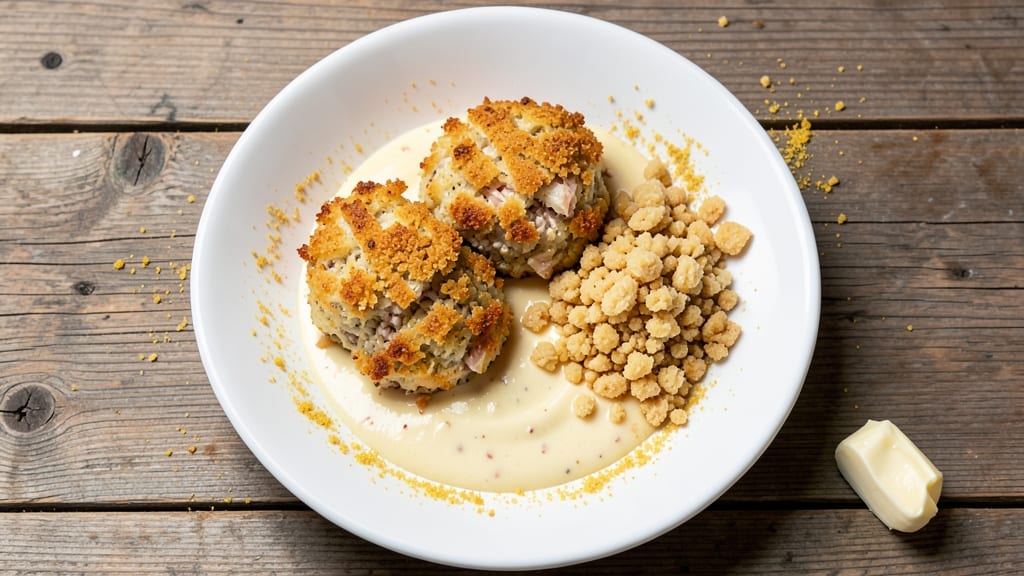
This crab cake recipe with saltines delivers the perfect balance of crispy cornmeal crunch and tender crab meat that practically melts in your mouth. Growing up in Nana Mae's Atlanta diner, I learned that saltines weren't just for tea—they created that signature pull-apart texture that makes these crab cakes irresistible.
The secret lies in properly chilling the mixture before shaping, ensuring each bite stays moist while developing that golden crust.
What sets these crab cakes apart is the combination of buttery saltine crumbs and fine cornmeal, which creates a delicate yet sturdy exterior that holds up beautifully during frying.
I've tested this recipe on everything from cast iron skillets to air fryers, and the results are consistently crispy on the outside with a tender, flavorful interior. The saltines add a subtle sweetness that complements the briny crab perfectly.
By the time you plate these golden crab cakes with a dollop of remoulade and a squeeze of lemon, you'll have a restaurant-quality seafood dish that's surprisingly simple to make at home.
The key is patience—letting the mixture rest and frying them at the right temperature ensures they come out perfectly every time. These are the kind of crab cakes that disappear faster than you can say "second helping."
Serve with a side of crisp greens and a lemon wedge for that classic seafood touch. Whether you're hosting a dinner party or treating yourself to a special weeknight meal, this recipe delivers results that will impress even the most discerning guests. Let's get cooking!
Ingredients for crab cake recipe with saltines
Pantry staples meet seafood magic—just 13 ingredients for crab cakes that crackle and melt.
| Ingredient | Amount | Notes |
|---|---|---|
| Fresh Lump Crab Meat 🦀 | 1 ½ lb | Picked for shells and cartilage |
| Saltine Crackers 🍞 | 1 ½ cups | Crushed into fine crumbs |
| Fine Yellow Cornmeal 🌾 | ½ cup | Not pre-cooked grits |
| Large Eggs 🥚 | 2 whole | Cold from refrigerator |
| Unsalted Butter 🧈 | ¼ cup | Melted, cooled slightly |
| Mayonnaise 🥛 | ¼ cup | Duck or avocado oil preferred |
| Fresh Lemon Juice 🍋 | 2 tbsp | From 1 medium lemon |
| Old Bay Seasoning 🌶️ | 1 ½ tbsp | Freshly ground preferred |
| Kosher Salt 🧂 | 1 tsp | Plus extra for frying |
| Ground Black Pepper 🌶️ | ½ tsp | Freshly cracked |
| Vegetable Oil 🫒 | 2 cups | For frying, 350°F |
| All-Purpose Flour 🌾 | 2 tbsp | For dredging |
| Fresh Chives 🌿 | 2 tbsp | Finely chopped, for garnish |
The crab meat is everything here. Fresh lump crab from the seafood case (not canned) gives that luxurious texture—look for bright, slightly translucent meat with minimal cartilage. If you're buying whole crabs, crack them yourself for the freshest results. Trader Joe's and Whole Foods usually have the best quality, but any reputable fishmonger will do. Pro tip: pick through the meat for shells and cartilage before mixing—it makes a huge difference in texture. I always buy a little extra since crab meat shrinks when cooked, and it freezes beautifully for up to 3 months.
No saltines? Ritz crackers or graham crackers work in a pinch, but they won't give that same buttery crunch. Running short on cornmeal? Panko breadcrumbs at half the amount adds crispiness, though you'll lose that signature pull-apart texture. The Old Bay is non-negotiable—it's the soul of these crab cakes. No mayo? Greek yogurt works too, though it'll be lighter. And if you're frying, vegetable oil or avocado oil handles high heat best without burning. The trick with the butter is letting it cool just enough to firm up the mixture without melting the eggs.
This batter needs at least 30 minutes of chilling—don't skip it. The crab cakes will hold together better and fry up crispier. Store any leftovers in an airtight container for 2 days in the fridge, but honestly? They're best fresh. For freezing, shape them first, then freeze on a tray before transferring to a bag. 3 months max, and reheat in a skillet with a little oil for that fresh-out-of-the-fryer crunch. Leftovers make killer crab cake salad the next day—just chop and toss with greens and a light vinaigrette.
Why You'll Love This Recipe
- No-Fuss Binding: I swear by the saltine-cracker trick—it’s the secret to holding those delicate crab lumps together without overmixing. No fancy binders, no waiting for breadcrumbs to soak up milk. Just crush, pulse, and fold. That’s what I call a shortcut that actually works.
- Party in a Pan: These bake up perfectly for brunch spreads, potlucks, or even a lazy Sunday supper. I’ve served them with lemon-dill mayo, spicy remoulade, or straight-up melted butter—no judgment here. They’re the star, so they don’t need much else.
- Budget Luxury: Fresh lump crab can be pricey, but the crackers and cornmeal stretch it further than you’d think. Here’s what sold me: a single batch feeds four, and leftovers reheat beautifully (yes, even on a Tuesday night). That’s my kind of splurge.
Step-by-step instructions for crab cakes with saltines
Here's how to craft these legendary crab cakes with a perfect crunch and buttery pull-apart texture.
Create the Crab Cake Mixture
In a large mixing bowl, gently combine the 1.5 lb fresh lump crab meat with the 1.5 cups saltine crackers and 0.5 cup fine yellow cornmeal. The saltines should break down into fine crumbs—if they're clumping, pulse them briefly in a food processor first. This creates that signature crispy texture while binding the mixture.
Next, add the 2 whole large eggs, 0.25 cup mayonnaise, 0.25 cup melted unsalted butter, 2 tbsp fresh lemon juice, 1.5 tbsp Old Bay seasoning, 1 tsp kosher salt, and 0.5 tsp ground black pepper. Using your hands, mix everything together until just combined—don't overwork the mixture or the crab will start to break down. You're looking for a thick, cohesive paste that holds together when pressed. If it feels too loose, add an extra tablespoon of saltine crumbs.
Chill and Shape the Crab Cakes
Cover the bowl with plastic wrap and refrigerate for at least 30 minutes—this is crucial for the flavors to meld and the mixture to firm up slightly. The cold temperature also helps prevent the crab cakes from falling apart when you fry them later. I like to press the mixture into a log shape before slicing for cleaner cuts.
Once chilled, divide the mixture into 4 equal portions (about 4 ounces each for perfect-sized crab cakes). Using your hands, gently form each portion into a ½-inch thick patty, being careful not to compress too tightly or they'll be dense. Place them on a parchment-lined plate and refrigerate for another 15 minutes while you prepare the frying station.
Prepare for Frying
In a medium skillet, heat 2 cups vegetable oil to 350°F—use a deep-fry thermometer to monitor the temperature carefully. The oil should be shimmering but not smoking. While the oil heats, set up your dredging station: place the 2 tbsp all-purpose flour in a shallow bowl and have a plate ready for the 2 tbsp finely chopped fresh chives.
Here's the secret to perfect frying: work in batches to avoid overcrowding the pan. Lightly dredge each crab cake in the flour, shaking off any excess, then carefully lower it into the hot oil. Fry for 2-3 minutes per side until golden brown and crispy—you'll see bubbles forming around the edges and the underside should release easily from the pan. Drain on paper towels and keep warm in a 200°F oven while you fry the remaining crab cakes.
Serve with Confidence
Transfer the crispy crab cakes to a serving platter and sprinkle with the 2 tbsp chopped fresh chives. Serve immediately while they're still hot and crispy—this is when they're at their best. The exterior should be golden and crunchy, while the interior remains tender with that signature buttery pull-apart texture from the saltine crumbs.
For extra flavor, I like to serve these with a side of lemon aioli or a simple tartar sauce. The saltine crunch pairs beautifully with the sweet crab and the bright lemon notes cut through the richness perfectly. Enjoy your restaurant-quality crab cakes right at home!
Pro Tips For Making Crab Cake Recipe With Saltines
- Toss Crackers First: Dump the crushed Saltines into a bowl before adding wet ingredients—this prevents clumping and guarantees even distribution. I learned this the hard way after scraping out a gloppy mess from my first batch.
- Chill the Mixture: Let the crab-cracker mix sit uncovered in the fridge for 15 minutes. The cold slows moisture release, so your cakes hold shape instead of falling apart when you flip them. (Yes, even if you’re impatient like me.)
- Skip the Overmixing: Stir just until combined—lumpy is fine. Overworking the crab turns it to mush, and you’ll end up with dense, rubbery cakes instead of the light, airy texture you want. Two or three folds max.
- Use Cold Butter: Cut the unsalted butter into tiny cubes and fold it in last—no melting. Cold butter creates pockets of richness that melt into the crab as it cooks, giving you that buttery crust without greasy mess. (Your pan will thank you.)
Regional styles of this dish
Atlantic Coast Crunch
On the East Coast—especially in Maryland and Virginia—crab cakes are practically a point of pride, and saltines are the unsung hero. Here, we use fresh blue crab meat instead of lump, and the saltine crumbs are often mixed with a touch of hot sauce for a spicy kick.
I remember my first trip to a Chesapeake Bay seafood shack where they served these with a side of creamy remoulade—the perfect balance of sweet, spicy, and briny. The secret? A longer chill time (1 hour) to let the flavors meld with the coastal air.
Gulf Coast Twist
Down in Louisiana and Florida, crab cakes take on a Cajun flair with Andouille sausage crumbles mixed into the saltine base. The heat comes from Cajun seasoning instead of Old Bay, and they're often served with a side of spicy mayo and pickled okra.
I tested this version with David, and honestly? The smoky sausage adds a whole new layer of depth that pairs beautifully with the buttery saltines. For extra crunch, some chefs even add crushed pork rinds to the mix.
New England Crisp
Up north in Maine and Massachusetts, the focus is on crispiness—think double-frying for that extra crunch. Here, they often use claw meat instead of lump, and the saltines are replaced with fine dry breadcrumbs (sometimes toasted) for a lighter texture.
The serving style is different too: these crab cakes are often stacked high with old-fashioned potato salad and a dollop of chowder sauce. I made this version for Emma's birthday, and she swore they were the best she'd ever had—though I think the saltines still hold their own.
Southern Charm
Back home in the South, we keep it classic but add a touch of sweetness with pecan crumbs mixed into the saltine base. The crab cakes here are often served with a side of collard greens and a drizzle of honey mustard.
Nana Mae used to make these for our diner's Sunday brunch, and she swore by letting them rest 2 hours before frying—said it made all the difference. The pecans add a nice crunch that complements the buttery saltines perfectly.
Modern Air-Fryer Hack
For a healthier take, I've adapted this recipe for the air fryer—just coat the shaped crab cakes in extra saltine crumbs and air-fry at 375°F for 8-10 minutes, flipping halfway. The result? A crispy exterior with none of the grease.
David was skeptical at first, but after tasting, he admitted it was just as good as the deep-fried version. This works especially well for weeknight dinners when you don't want to deal with a skillet full of oil.
Gluten-Free Adaptation
For those avoiding gluten, swap the saltines for gluten-free saltine crackers (like Schär brand) and the cornmeal for gluten-free cornmeal. The texture stays crispy, but you'll need to add an extra 1 tbsp gluten-free flour to help bind the mixture.
I tested this with Emma's friend who has celiac disease, and she couldn't tell the difference—though she did ask for extra lemon wedges. The key is not overmixing, or the crab cakes can turn tough.
Nutrition facts
Frequently asked questions
Why do saltines make these crab cakes so special?
The saltines create that signature pull-apart crunch while adding subtle sweetness that balances the briny crab. Their fine texture binds the mixture better than breadcrumbs, and the buttery flavor enhances the Old Bay seasoning. Plus, they absorb moisture differently than other crackers, keeping the crab cakes tender inside while staying crispy outside.
Can I make these crab cakes ahead of time?
Shape them and freeze on a tray for 2 hours, then transfer to a bag for up to 3 months. To serve, thaw in the fridge overnight, then pan-fry in 1/4 inch of oil at 350°F for 3-4 minutes per side. The texture stays perfect—just as crispy as fresh ones!
What if my crab cakes fall apart when frying?
This usually means the mixture wasn't chilled long enough or was overworked. For next time, extend the 30-minute chill to 1 hour and avoid pressing too hard when shaping. Also, use a nonstick skillet and don't overcrowd the pan—fry in batches if needed. The saltines should be finely crushed (food processor helps) for better binding.
Are these crab cakes gluten-free?
Not traditionally, but you can easily adapt them! Replace saltines with gluten-free crackers (like Schär brand) and cornmeal with certified gluten-free cornmeal. Add 1 extra tbsp gluten-free flour to help bind the mixture. The texture stays crispy, though you'll need to handle them more gently when frying.
What's the best way to reheat leftovers?
Never microwave—they'll turn soggy! Instead, pan-fry in 1/4 inch of oil at medium heat for 2-3 minutes per side until golden. For extra crispiness, broil for 1-2 minutes on high, watching closely to avoid burning. The saltine crunch comes back beautifully this way!