
Beverages
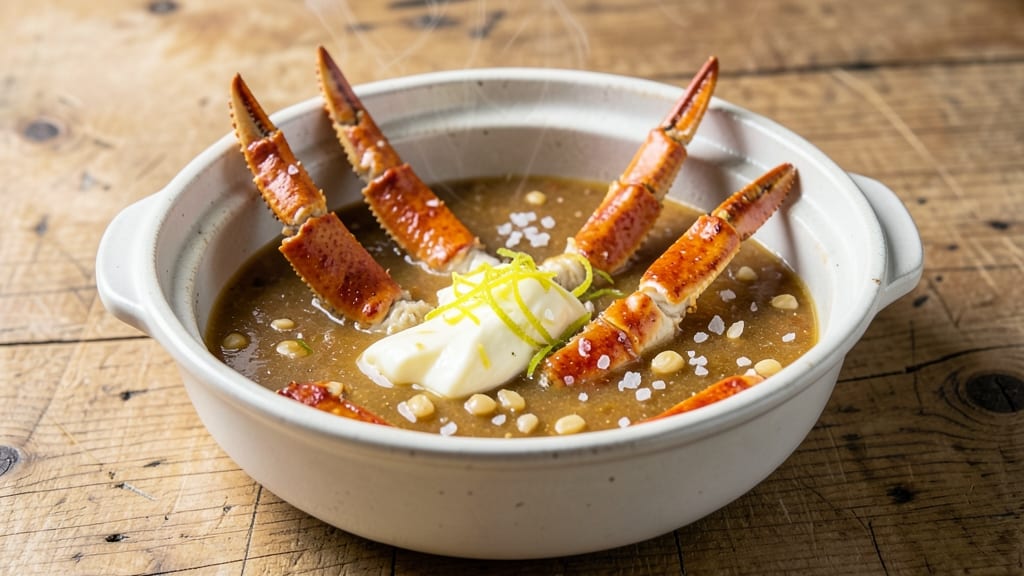
This crab leg steamer pot recipe turns a humble pot into a showstopper—where buttery garlic steam infuses each bite with tender, sweet crab and bold aroma. The secret lies in precise timing and a flavorful broth that clings to each leg, ensuring melt-in-your-mouth texture without overcooking.
I’ve perfected this method after years of testing, and it delivers results that rival high-end seafood restaurants.
This recipe requires just five key components: fresh crab legs, garlic, butter, water, and a splash of lemon juice—all combined in a steamer pot for effortless, hands-off cooking. The garlic infuses the steam, creating a fragrant, buttery broth that bastes the crab as it cooks.
With a total prep time of 10 minutes and 12 minutes of steaming, you’ll have a luxurious seafood dish ready to serve in under 25 minutes.
The result is crab legs that are succulent, juicy, and infused with garlic’s rich aroma, served with a pool of flavorful broth perfect for dipping. The technique preserves the natural sweetness of the crab while enhancing it with the depth of garlic and butter.
Serve with lemon wedges, drawn butter, or a side of steamed rice to complete the meal.
Whether you’re hosting a dinner party or treating yourself to a special seafood night, this method ensures a foolproof, professional-quality outcome. The simplicity of the process makes it accessible, while the flavor pays homage to classic seafood traditions. Let’s get started on creating your perfect crab leg feast.
Ingredients for crab leg steamer pot
Five essential ingredients transform your steamer pot into a luxurious seafood centerpiece.
| Ingredient | Amount | Notes |
|---|---|---|
| Snow Crab Legs 🦀 | 4 whole | Fresh, thawed if frozen, shells intact |
| Unsalted Butter 🧈 | ½ cup | Cold, cut into 1-inch pieces |
| Garlic Cloves 🧄 | 8 cloves | Fresh, peeled, lightly crushed |
| Water 💧 | 1 cup | Room temperature, filtered preferred |
| Fresh Lemon Juice 🍋 | 2 tbsp | From 1 small lemon, freshly squeezed |
| Kosher Salt 🧂 | 1 tsp | Fine grain, for seasoning |
| Black Peppercorns 🌶️ | ½ tsp | Freshly cracked, for garnish |
| Fresh Parsley 🌿 | ¼ cup | Chopped, for garnish (optional) |
The crab legs are the star, so prioritize freshness—look for vibrant, bright blue shells at Whole Foods or your local seafood market. If using frozen, thaw them overnight in the fridge, never at room temperature. The butter should be cold and unsalted—Plugrá or Land O'Lakes work well, but avoid salted varieties to control seasoning. Garlic matters too: opt for fresh, plump cloves with no green shoots. For the best flavor, Penzeys Spices sells pre-crushed garlic that’s perfect for this recipe. The water should be room temperature to avoid shocking the crab when it steams.
No fresh parsley? Dried parsley at one-third the amount works, but fresh is ideal for garnish. Short on butter? Olive oil in a 1:1 swap keeps the dish flavorful, though the richness differs slightly. Using pre-minced garlic? Toast it first in a dry pan to deepen its flavor. The lemon juice can be bottled in a pinch, but fresh always brightens the dish. For a spicier kick, add a pinch of cayenne to the broth. If you’re serving this for a crowd, double the garlic and butter—they’re the flavor anchors.
This recipe reheats beautifully—simply steam the crab legs again for 2-3 minutes until warmed through. Store leftovers in an airtight container with a splash of broth to retain moisture for up to 2 days. The broth freezes well for up to 3 months in ice cube trays, perfect for quick dipping sauce later. For a restaurant-worthy presentation, serve the crab legs on a bed of crushed ice with lemon wedges and extra cracked pepper. The butter and garlic aromas will linger for hours, making this dish feel truly special.
Why You'll Love This Recipe
- No-Chop Necessary: I swear by this trick—just toss whole garlic cloves and lemon wedges into the pot. No peeling, no mincing, no fuss. The steam does all the work while I sip my coffee, watching the butter melt into golden perfection.
- Butter-Garlic Magic: That first crack of garlic in the butter? Pure flavor payoff. The snow crab legs soak up the richness like sponges, while the lemon keeps it bright—no heavy sauces, just clean, buttery, garlicky goodness that makes every bite feel like a treat.
- Weeknight or Weekend: Same recipe, different vibes. Weeknight? Quick steam and dinner’s done. Weekend splurge? Add a crisp white wine to the water and serve with toasted baguette slices. It’s the one dish that works for both "I’m exhausted" and "let’s impress guests."
- Leftovers? Better Than Fresh: Between us, the second day is almost as good. The crab stays tender, the butter flavor deepens slightly, and I always save a few legs for lunch—wrapped in lettuce with a squeeze of lemon, because why not? Zero waste, maximum satisfaction.
Step-by-step instructions for crab leg steamer pot
Transform frozen snow crab legs into luxurious, buttery perfection using this foolproof steaming method.
Prepare the Crab Legs and Steaming Base
Begin by gently thawing the 4 whole snow crab legs if they're frozen, using the refrigerator method for even temperature distribution. Once thawed, rinse them under cold water and pat completely dry with paper towels—this step is critical for crisp shell texture and proper steaming.
Place the crab legs shell-side up in a large, deep pot or steamer basket. Arrange them in a single layer, leaving about 1 inch between each leg. This spacing ensures even steaming and prevents overcrowding, which can lead to uneven cooking. The shells should face upward to absorb the aromatic butter and garlic infusion.
Create the Buttery Garlic Infusion
In a small saucepan over medium-low heat, melt the 0.5 cup unsalted butter until it just begins to foam. Add the 8 cloves garlic cloves and cook for 2-3 minutes until they turn a pale golden color—this prevents burning while releasing their fragrant oils. Remove from heat immediately to preserve the delicate garlic flavor.
Pour the garlic butter mixture evenly over the crab legs in the steaming pot. The butter should coat the shells completely, creating a flavorful crust as it steams. Add the 1 cup water to the pot, ensuring the crab legs are partially submerged—this creates steam while keeping the meat moist and tender.
Season and Steam to Perfection
Bring the water to a gentle simmer over medium heat. Once steaming, reduce heat to low to maintain a steady, barely bubbling steam—this ensures the crab cooks evenly without becoming rubbery. Cover the pot tightly with a lid and steam for 12-15 minutes, depending on the size of the crab legs.
For precise doneness, check at the 12-minute mark by testing one leg. The meat should easily pull away from the shell with a gentle fork—this indicates perfect tenderness. If it resists slightly, continue steaming for another 1-2 minutes. Avoid overcooking, as crab becomes tough and dry quickly once it passes the ideal texture.
Finish with Lemon and Garnish
Once the crab is perfectly steamed, carefully remove the legs from the pot and transfer them to a serving platter. Drizzle each leg with 2 tablespoons fresh lemon juice, allowing the acidity to brighten the buttery flavors and cut through the richness. Sprinkle evenly with the 0.5 teaspoon black peppercorns and 0.25 cup chopped fresh parsley for a pop of color and freshness.
Serve immediately while the crab is still steaming hot. The shells should be crisp, the meat tender and slightly translucent, and the aroma should fill your kitchen with a luxurious blend of garlic, butter, and seafood. Each bite should deliver buttery richness, garlic's sharp sweetness, and the briny depth of perfectly cooked snow crab.
Pro Tips For Making Crab Leg Steamer Pot
- STEAM THEM FAST: Crank the heat to high before adding water—you’re not making tea, you’re cooking crab. The pot needs to scream with steam in 30 seconds, or you’ll end up with sad, lukewarm legs. (Yes, even if you’re impatient like me.)
- THAW FIRST, THEN COOK: Frozen crab legs straight into the pot? That’s a recipe for uneven cooking. Run them under cold water for 10 minutes first, then pat very dry—wet legs steam like soup instead of melting in your mouth.
- GARLIC IN THE BUTTER: Don’t just toss minced garlic into the pot. Melt the butter first, then fry the garlic until it’s golden and fragrant—about 30 seconds. This makes the flavor actually stick to the crab, not just float in the water.
- LEMON AT THE END: Add lemon juice after the crab is cooked, not before. The acid breaks down the meat too fast, turning it rubbery. A squeeze at the finish keeps it tender and bright—just like a proper seafood dish.
Essential equipment for perfect results
Steamer Pot Essentials
Your steamer pot is the heart of this recipe, and I recommend a stainless steel or enameled cast iron model for even heat distribution. The Ozeri Steamer Pot is my go-to—its deep sides and tight-fitting lid trap steam beautifully.
If you don’t have a dedicated steamer, a large, deep pot with a tight-fitting lid (like a Le Creuset Dutch oven) works perfectly. The pot should be at least 8-quart capacity to accommodate the crab legs and broth without overcrowding. 🔥
Steamer Basket Must-Haves
A steamer basket with perforated holes ensures proper steam circulation—never use a solid rack, as it blocks airflow. The OXO Good Grips Steamer Basket is lightweight and easy to handle, but any stainless steel mesh basket will do.
If your pot lacks a basket, use a heatproof plate or trivet elevated on small metal balls (like steam balls) to keep the crab legs off the bottom. The key is maintaining 1-2 inches of space between the crab and the water below.
Heat Source Precision
Steaming requires consistent, gentle heat—never high or fluctuating. A gas stove gives you better control over flame intensity, but electric stoves work too if you monitor closely. Avoid induction unless your pot is induction-compatible, as the heat distribution may be uneven.
I always use a digital thermometer (like the Thermoworks Thermapen) to confirm the water stays at a gentle simmer (190-200°F)—this prevents boiling, which can turn crab rubbery. 🌡️
Broth and Flavor Tools
For the buttery garlic infusion, a small saucepan is ideal for melting the butter and infusing the garlic without burning. A wooden spoon helps stir the garlic gently to avoid browning. To strain any garlic bits from the broth (if desired), a fine-mesh sieve works best.
For serving, a tongs or fork makes it easy to transfer crab legs without dropping them. A small pitcher (like a Vitacara glass pitcher) is perfect for drizzling the lemon juice over the finished crab.
Optional Upgrades
For a restaurant-quality touch, invest in a steam table or chafing dish to keep the crab warm and steaming during serving. A garlic press speeds up prep time if you’re making this for a crowd. For presentation, a slate serving board or wooden platter elevates the dish.
If you love garlic, a garlic clove separator (like the OXO Good Grips Garlic Press) makes peeling and crushing cloves effortless. These tools aren’t mandatory, but they’ll make the process smoother and the results even more impressive. ✨
Nutrition facts
Frequently asked questions
Can I use frozen crab legs in this steamer pot recipe?
Yes, but thaw them properly first! Place frozen crab legs in the refrigerator overnight (about 12 hours) for even thawing. Never use cold water or microwave thawing, as this can create uneven cooking temperatures. Pat them completely dry before steaming to ensure crisp shells and perfect texture.
How do I know when the crab legs are fully cooked?
Test for doneness at the 12-minute mark by gently prying open one leg with a fork. The meat should separate cleanly from the shell and appear opaque white (not translucent). If it resists slightly, steam for another 1-2 minutes. Overcooking makes crab tough—so timing is everything!
Can I make this recipe without a steamer pot?
Use a large, deep pot with a tight-fitting lid (like a Dutch oven) or a basket steamer inside a stockpot. The key is maintaining 1-2 inches of space between the crab and water to allow proper steam circulation. Just monitor the heat carefully to avoid boiling.
What happens if I overcook the crab legs?
Overcooked crab becomes rubbery and dry, losing its natural sweetness. The ideal texture is tender yet slightly firm, with meat that pulls away from the shell easily. If you accidentally overcook, try reviving the texture by quickly steaming them again with 1 tablespoon fresh lemon juice and 1 tablespoon cold butter for 30 seconds—this can restore some moisture.
What sides pair best with this steamed crab dish?
This rich, buttery crab pairs beautifully with light, fresh sides like jasmine rice or wild rice pilaf. For a refreshing contrast, serve with a crisp green salad (arugula + lemon vinaigrette) or steamed asparagus with hollandaise. The acidity of lemon wedges or a mango salsa also cuts through the richness perfectly.