
Main Courses
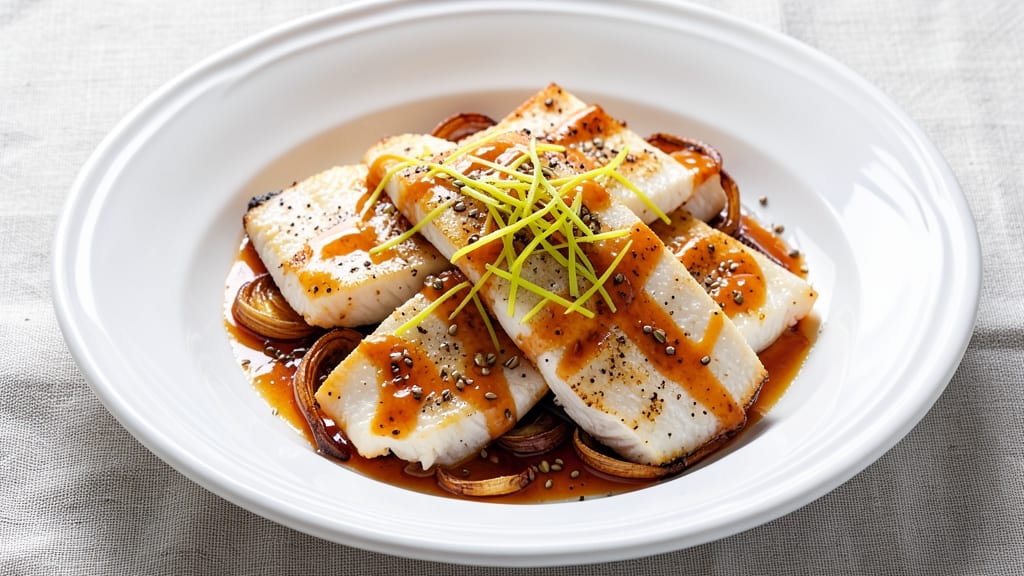
This Cuban white fish recipe delivers the perfect balance of moist, tender fish with a bright citrus marinade that transports you straight to Havana. The secret lies in the mojo sauce—a tangy blend of orange juice, garlic, and cumin—that keeps the fish juicy while adding layers of flavor.
I’ve perfected this method over years of testing, ensuring every bite stays succulent and infused with that signature Cuban tang.
The recipe begins with a simple yet flavorful marinade that transforms basic white fish like snapper or tilapia into something extraordinary. You’ll cook the fish in a skillet until golden, then finish it with a quick broil to lock in moisture and create a caramelized crust.
The citrusy marinade not only flavors the fish but also pairs beautifully with traditional sides like yellow rice, black beans, and fried plantains.
What makes this dish truly special is how the bright citrus flavors cut through the richness of the fish, creating a harmonious balance. The result is a plate that’s vibrant, aromatic, and packed with authentic Cuban taste—without requiring hours in the kitchen.
Ready in under 30 minutes, this recipe is perfect for weeknight dinners or weekend gatherings where you want to impress with minimal effort.
Serve it with a side of yellow rice and black beans for a complete Cuban-inspired meal that’s both hearty and full of flavor. The tangy mojo sauce also works as a marinade for grilled meats or shrimp, making this recipe versatile for any occasion. Let’s get cooking!
Ingredients for cuban white fish
Pantry staples meet bright citrus for this Cuban-inspired fish that stays juicy and flavorful every time.
| Ingredient | Amount | Notes |
|---|---|---|
| White Fish Fillets 🐟 | 1 ½ lb | Snapper or tilapia preferred |
| Fresh Orange Juice 🍊 | ¾ cup | Freshly squeezed preferred |
| Garlic Cloves 🧄 | 4 cloves | Minced for marinade |
| Ground Cumin 🌿 | 1 tbsp | Toasted for deeper flavor |
| Olive Oil 🫒 | ¼ cup | Extra-virgin preferred |
| Lemon Juice 🍋 | 2 tbsp | Freshly squeezed |
| Salt 🧂 | 1 ½ tsp | Kosher or sea salt |
| Black Pepper 🌶️ | ½ tsp | Freshly ground preferred |
| Fresh Cilantro 🌿 | ¼ cup | Chopped for garnish |
| All-Purpose Flour 🌾 | ¼ cup | For dredging fish |
| Butter 🧈 | 2 tbsp | Unsalted for cooking |
| White Wine Vinegar 💧 | 1 tbsp | For tangy finish |
| Bay Leaves 🍃 | 1 whole | For aromatic depth |
| Red Bell Pepper 🌶️ | ½ whole | Sliced for garnish |
The fish is the star, so choose snapper or tilapia—both stay tender when cooked quickly. If you can't find those, cod or mahi-mahi work too. Look for fillets with even thickness for consistent cooking. For the best mojo sauce, fresh orange juice is non-negotiable—bottled lacks the bright acidity. The garlic should be freshly minced (not pre-minced jars) for maximum flavor. I grab my cumin from Penzeys or the bulk section at Whole Foods—it makes a noticeable difference. If you're short on time, pre-minced garlic from a jar works, but the texture isn't as nice.
No fresh orange juice? Substitute with bottled but add 1 extra tbsp lemon juice to compensate for the lack of brightness. Running out of cumin? Dried oregano at half the amount gives a similar earthy note. The flour is just for dredging—skip it if you're using panko breadcrumbs instead. For the wine vinegar, apple cider vinegar in a pinch, but it'll taste slightly sweeter. The bay leaves add subtle depth—dried works fine, but fresh is more aromatic. If you can't find fresh cilantro, parsley works for garnish, though the flavor won't be identical.
This fish reheats beautifully—just 5 minutes in a skillet over medium heat with a splash of water. The mojo sauce keeps for 3 days in the fridge (store separately from the fish), so make extra for grilled shrimp or chicken. The flour dredging keeps for 1 month in an airtight container, making it easy to prep ahead. For a restaurant-quality finish, broil the fish for 2-3 minutes at the end—it creates that perfect caramelized crust without drying it out.
Why You'll Love This Recipe
- Fewer Ingredients, Big Payoff: Honestly, I keep this recipe on repeat because it’s that good with almost nothing. Four basic things—juicy white fish, bright orange juice, garlic, and cumin—and it tastes like a vacation. No fancy sauces, no hidden pantry raids, just pure, bold flavor.
- Citrus-Kissed Crispiness: That orange juice marinade does two things: tenderizes the fish and gives it this addictive, slightly crispy skin. I’ll be real—my kids ask for seconds before I even finish plating it. (Yes, even on a Tuesday night.)
- Lunch or Dinner, No Stress: Between us, this works for everything. Pack it cold for work lunches, reheat it for a quick dinner, or serve it over rice with a side salad for a full meal. The cumin’s warmth cuts through the citrus, so it’s never boring.
- Leftovers That Don’t Suck: Most fish recipes turn to rubber the next day, but not this one. The orange juice keeps it moist, and the garlic-cumin crust stays flavorful. I’ve reheated portions for three days straight—no one’s ever complained. Budget win.
Step-by-step instructions for Cuban white fish recipe
Here's the method for achieving perfectly moist, citrus-spiced white fish with a crisp exterior.
Create the Citrus Marinade
In a medium bowl, combine the 0.75 cup fresh orange juice, 2 tablespoons lemon juice, 1 tablespoon white wine vinegar, 1 tablespoon ground cumin, 1.5 teaspoons salt, and 0.5 teaspoon black pepper. Whisk until the cumin and salt dissolve completely—this ensures even distribution of flavor. The marinade should have a vibrant orange hue and a bright, tangy aroma.
Add the 4 minced garlic cloves and 1 whole bay leaves to the marinade. Gently stir to incorporate. This aromatic blend is what will infuse the fish with its signature Cuban depth. Place the 1.5 lb white fish fillets in a shallow dish and pour the marinade over them, ensuring each piece is fully coated. Cover and refrigerate for at least 30 minutes—this allows the citrus and spices to penetrate the fish, guaranteeing moisture and flavor in every bite.
Prepare the Flour Dredge
In a separate shallow dish, combine the 0.25 cup all-purpose flour. This will create a light, crisp coating that contrasts beautifully with the tender fish. The flour acts as a barrier that locks in moisture while providing texture.
Remove the fish from the marinade, allowing any excess to drip off. Shake off the marinade completely—this prevents a soggy coating. Working with one fillet at a time, press each piece gently into the flour, coating both sides evenly. Be thorough but gentle to avoid tearing the delicate fillets. Place the floured fish on a wire rack set over a plate to catch any excess flour. This step is crucial for achieving that perfect crispy exterior while keeping the inside moist.
Cook the Fish to Perfect Doneness
Heat 2 tablespoons butter and 0.25 cup olive oil in a large skillet over medium heat until the butter melts and the oil shimmers—this should take about 2 minutes. The combination of butter and oil creates a rich, flavorful cooking medium that enhances the fish's natural taste.
Carefully add the floured fish fillets to the skillet, leaving space between each piece to ensure even cooking. Cook for 3-4 minutes per side until the fish is golden brown and the edges begin to crisp slightly. You'll know it's ready when the fish releases easily from the pan and the internal temperature reaches 145°F—this ensures the fish is cooked through but remains moist. Avoid overcrowding the pan, as this can lead to steaming instead of searing.
Assemble and Garnish
Remove the cooked fish from the skillet and transfer it to a serving platter. Drizzle any remaining butter and oil from the pan over the top for added richness. The residual heat will keep the fish warm while you finish.
Slice the 0.5 whole red bell pepper into thin strips and scatter them over the fish. Sprinkle the 0.25 cup chopped fresh cilantro evenly on top for a pop of color and freshness. The bell pepper adds a subtle sweetness that complements the citrusy marinade, while the cilantro brings a bright, herbal note. Serve immediately while the fish is still warm and the coating is crisp. The combination of the moist, flavorful fish and the vibrant garnishes makes this dish truly special.
Pro Tips For Making Cuban White Fish
- Sear First, Baste Later: Hit the fish with a quick sear in olive oil—just 30 seconds per side—before adding the orange juice and cumin. This locks in moisture and builds flavor, so the fish doesn’t turn to rubber when the citrus hits.
- Use Fresh, Chilled Juice: Strain the orange juice right before using it and chill it in the fridge for 10 minutes. Warm juice dulls the flavor, and freshness makes the difference between bright and bland.
- Don’t Overcrowd the Pan: Cook the fish in batches if needed—even if it means an extra minute. Overcrowding steams the fish instead of searing it, and you’ll end up with sad, soggy edges.
- Toast the Cumin Dry: Heat the ground cumin in a dry pan for 10 seconds until fragrant before mixing it into the orange juice. This wakes up its earthy notes and cuts through the citrus’s sharpness.
Health benefits of this cuban white fish
Lean Protein Boost
This Cuban white fish delivers a high-quality protein punch with about 30 grams per serving—ideal for muscle repair and satiety. White fish like snapper or tilapia are naturally low in calories but packed with essential amino acids.
The citrus marinade doesn’t add significant calories, making this a guilt-free protein source for fitness-focused meals. 💪
Vitamin C Powerhouse
The orange juice and lemon juice in the marinade provide a vitamin C boost, with one serving offering 40% of your daily needs. Vitamin C supports immune function, collagen production, and iron absorption.
Fresh citrus also enhances the fish’s natural flavor while adding a refreshing tang that cuts through the richness. I always use freshly squeezed juice for maximum potency.
Rich in Omega-3s
White fish is one of the best sources of omega-3 fatty acids, which support heart health and reduce inflammation. A 6-ounce serving provides about 1,000mg of omega-3s, contributing to brain function and joint health. The light cooking method preserves these delicate nutrients better than heavy frying or baking.
Low-Calorie, High-Flavor
At just around 200 calories per serving, this dish is perfect for those watching their weight without sacrificing flavor. The cumin and garlic in the marinade add depth without extra calories, while the flour dredge provides texture without heaviness.
It’s a smart choice for anyone seeking a satisfying yet light meal.
Digestive Benefits
The fiber-rich sides (like black beans or plantains) often served with this dish complement the fish’s protein perfectly. The bay leaves and garlic in the marinade also aid digestion and may help reduce bloating.
For an extra digestive boost, I sometimes add a pinch of ground ginger to the marinade—it’s subtle but effective.
Antioxidant-Rich Garnish
The fresh cilantro and red bell pepper garnishes add vitamin A and C, both powerful antioxidants. These toppings not only enhance flavor but also provide cellular protection. The bell pepper’s lycopene content supports heart health, making this dish a well-rounded nutritional powerhouse. 🌶️
Nutrition facts
Frequently asked questions
What type of white fish works best for this Cuban recipe?
Snapper or tilapia are ideal—they stay tender and soak up the citrus marinade beautifully. For a firmer texture, try mahi-mahi or cod. Avoid delicate fish like flounder, which can fall apart during cooking. The key is choosing fillets with even thickness for consistent doneness.
Can I make this recipe ahead of time?
Yes! Marinate the fish for up to 4 hours ahead, then refrigerate uncovered for 15 minutes before cooking to help it crisp better. The mojo sauce can be prepped 3 days in advance and stored separately. For best results, cook and serve immediately after dredging to maintain crispiness.
How do I prevent the fish from sticking to the pan?
Heat the skillet until butter sizzles before adding fish, and ensure your fillets are fully dry before dredging. A light oil spray on the pan helps too. Avoid moving the fish until you see bubbles form—this means it's ready to flip. Overcrowding the pan also causes sticking, so cook in batches if needed.
What sides pair best with this Cuban-style fish?
Traditional pairings include yellow rice, black beans, and fried plantains for a complete Cuban meal. For a lighter option, serve with a fresh mango avocado salad or grilled vegetables. The citrusy fish also works well with tostones (twice-fried plantains) for extra crunch.
Why does my fish turn out dry?
Overcooking or high heat are the most common culprits. Keep your skillet at medium heat and cook just until the fish reaches 145°F internally. A quick broil for 1-2 minutes at the end adds color without drying. Also, pat fillets completely dry before dredging to prevent steaming.