
Main Courses
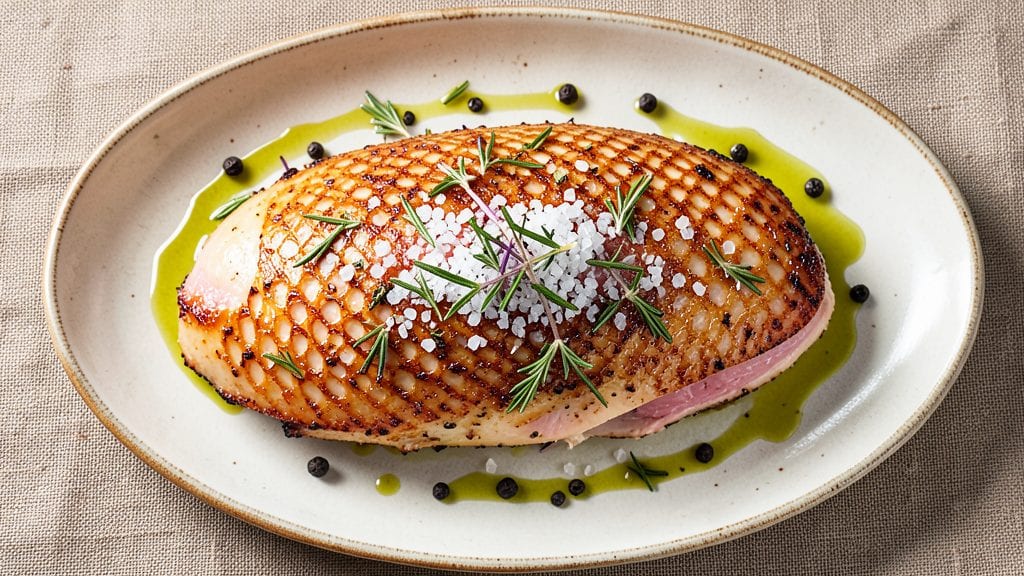
Dry-brining transforms turkey breast from dry to juicy perfection—this method guarantees a moist center and crispy edges without the guesswork. The secret lies in salting the turkey 24 hours before cooking, allowing the salt to penetrate deeply and retain moisture during roasting. I’ve perfected this technique over years of holiday cooking, and it never fails to impress.
What sets this recipe apart is the foolproof timing: a precise 24-hour dry brine, followed by a simple roasting process that yields tender meat every time. No need for complicated basting or stuffing—just a few key steps and patience.
The result? A turkey breast so moist it practically melts in your mouth, with a flavor profile that’s rich yet balanced.
By the time you carve this turkey, you’ll have a restaurant-quality centerpiece that stays juicy even after resting. The dry brine method eliminates the risk of overcooking while enhancing natural flavors. Pair it with classic sides like roasted vegetables or cranberry sauce for a complete holiday meal.
This technique works equally well for Thanksgiving or a special weeknight dinner. The beauty of dry-brining is its versatility—no special equipment, just time and attention to detail. Let’s get started on a turkey breast that will be the talk of the table.
Ingredients for dry brine turkey breast
Foolproof ingredients for restaurant-quality turkey breast that stays juicy and flavorful every time.
| Ingredient | Amount | Notes |
|---|---|---|
| Turkey Breast 🦃 | 4 lb | Boneless, skinless, even thickness preferred |
| Diamond Crystal Kosher Salt 🧂 | ½ cup | Coarse grain for even distribution |
| Freshly Ground Black Pepper 🌶️ | 2 tsp | Freshly cracked for optimal flavor |
| Extra-Virgin Olive Oil 🫒 | 2 tbsp | For even coating before roasting |
| Fresh Rosemary 🌿 | ¼ cup | Finely chopped, stems removed |
| Fresh Thyme 🌿 | ¼ cup | Leaves only, finely chopped |
| Garlic Cloves 🧄 | 4 cloves | Minced for aromatic depth |
| Unsalted Butter 🧈 | ¼ cup | Cold, cubed for basting |
| Honey 🍯 | 1 tbsp | For subtle sweetness balance |
| Fresh Sage Leaves 🌿 | ¼ cup | Whole leaves for garnish |
| Fresh Parsley 🌿 | ⅛ cup | Chopped, for final garnish |
The turkey breast is your foundation—look for a 4-pound boneless, skinless cut with even thickness for consistent cooking. Whole Foods Market and Costco carry high-quality, pre-trimmed breasts that eliminate guesswork. If buying whole, remove the skin and bone yourself for optimal moisture retention. The Diamond Crystal kosher salt is essential; its coarse texture adheres better to the meat than table salt. For herbs, Trader Joe's or local farmers markets offer the freshest rosemary and thyme—vibrant green leaves indicate peak freshness. Store turkey uncovered in the fridge 24 hours before cooking to allow the brine to work its magic.
No fresh rosemary? Dried rosemary at one-third the amount works in a pinch, though fresh delivers superior aroma. Short on thyme? Fresh oregano or marjoram can substitute equally well. The garlic should be freshly minced—pre-minced from jars lacks the aromatic punch. For a sweeter profile, swap honey for maple syrup or agave nectar. The butter must be cold and cubed—softened butter will melt prematurely during roasting. If you prefer a leaner option, reduce butter to 2 tablespoons and increase olive oil to 3 tablespoons for moisture. Every ingredient here serves a purpose: salt for moisture retention, herbs for depth, and honey to balance richness.
The dry-brined turkey breast maintains peak quality for 3-4 days in the refrigerator when stored properly. Wrap tightly in plastic wrap and place on a tray to catch any juices. For longer storage, portion into individual servings and freeze for up to 3 months—thaw overnight in the fridge before reheating. Reheat gently in a 350°F oven with a splash of water or broth to prevent drying. The basting butter should be kept cold until the final 15 minutes of roasting to ensure a crisp exterior. Garnish with fresh sage and parsley just before serving to preserve their vibrant colors and aromas.
Why You'll Love This Recipe
- No-Fuss Prep: Honestly, the dry brine method is my shortcut to stress-free holidays. Just slather that turkey breast with olive oil, sprinkle the kosher salt and pepper, and let it sit—no basting, no fussing. I’ve got better things to do than stand in the kitchen for hours.
- Crispy-Perfect Magic: That rosemary and salt combo? It’s like wrapping the turkey in a flavor hug. The crust gets gloriously crisp while the inside stays juicy—no dry turkey here. My husband still asks why I don’t make it every Sunday.
- Leftovers That Shine: Between us, this recipe makes enough for a crowd and leftovers that taste just as good cold. Slice it for sandwiches, dice it into salads, or reheat it—it’s the kind of turkey that doesn’t disappoint the second time around.
- Budget Meets Impressive: Fresh rosemary and good olive oil might sound fancy, but they stretch further than you’d think. A single breast feeds six, and the cost per serving is half what you’d pay for pre-sliced deli turkey. Fancy enough for company, cheap enough for Tuesday.
Step-by-step instructions for dry brine turkey breast
The secret to unparalleled juiciness lies in this precise dry brine method and exact timing.
Prepare the Dry Brine Mixture
In a small bowl, combine the 0.5 cup Diamond Crystal kosher salt, 2 tsp freshly ground black pepper, 0.25 cup finely chopped fresh rosemary, and 0.25 cup finely chopped fresh thyme. Mix thoroughly until the salt is evenly distributed among the herbs and pepper. This blend creates the flavor foundation while ensuring even penetration into the turkey breast.
Next, add 2 tbsp extra-virgin olive oil to the mixture and stir until fully incorporated. The oil helps carry the seasoning deeper into the meat while adding subtle richness. Transfer this mixture to a resealable plastic bag or airtight container for easy application later.
Apply the Dry Brine to the Turkey Breast
Place the 4 lb turkey breast (skinless, boneless, and of even thickness) on a wire rack set over a rimmed baking sheet. This elevation allows air circulation on all sides, ensuring even drying and seasoning. Generously coat the entire surface of the turkey with the dry brine mixture, pressing it gently into the meat to ensure adhesion.
Real talk: Don't skip this pressing step. The salt needs time to penetrate the outer layers, and pressing helps it cling rather than just sitting on top. Once coated, place the turkey in the refrigerator uncovered, allowing the surface to dry slightly. This process should take 24 hours for optimal results. The longer the brine time, the more evenly the seasoning will distribute and the juicier the final product will be.
Preheat and Roast the Turkey Breast
Remove the turkey from the refrigerator and let it sit at room temperature for 30 minutes before roasting. Preheat your oven to 325°F and position a rack in the lower third of the oven. Place the turkey breast on the rack, fat-side up if applicable, and roast for 2 to 2.5 hours, or until the internal temperature reaches 160°F when measured at the thickest part of the breast.
Here's the thing—turkey breast cooks quickly and can easily overcook. Use a meat thermometer for accuracy, and avoid opening the oven door during cooking to maintain consistent heat. About 30 minutes before the turkey reaches 160°F, remove it from the oven and tent loosely with aluminum foil to prevent over-browning.
Baste and Finish with Butter and Honey
While the turkey rests, melt the 0.25 cup unsalted butter in a small saucepan over low heat. Once melted, remove from heat and stir in 1 tbsp honey until fully combined. This mixture will create a glossy, flavorful finish for the turkey.
Using a pastry brush, generously baste the turkey with the butter-honey mixture, coating all surfaces evenly. Return the turkey to the oven and roast for an additional 10 to 15 minutes until the internal temperature reaches 165°F. This basting step not only adds flavor but also helps retain moisture, ensuring a juicy, moist center.
Rest and Garnish for Serving
Remove the turkey from the oven and transfer it to a cutting board. Tent loosely with aluminum foil and let it rest for 15 to 20 minutes. This resting period allows the juices to redistribute throughout the meat, preventing them from pooling on the cutting board and ensuring every slice remains moist and flavorful.
Once rested, garnish the turkey with 0.25 cup fresh sage leaves and 0.125 cup chopped fresh parsley for a vibrant finish. Slice the turkey against the grain into ¼-inch thick portions and serve immediately. The result should be a perfectly juicy, moist turkey breast with a well-seasoned crust and aromatic herbs infused throughout.
Pro Tips For Making Dry Brine Turkey Breast
- BRINE OVERNIGHT: I used to rush this and wonder why my turkey always felt dry. Diamond Crystal salt takes 12–24 hours to penetrate—skip the shortcut. Toss the breast in 1–2 tablespoons of salt per pound (yes, it seems like a lot) and let it sit uncovered on a wire rack in the fridge. The crust forms faster, and the meat stays juicy.
- SKIP THE PEEKING: Resist the urge to check the temp early. Turkey breast hits 140°F fast, but it’ll climb to 165°F while resting—pull it at 145°F. I learned this the hard way when my Thanksgiving turkey turned into shoe leather. Use a meat thermometer, and don’t crowd the pan. High heat = crispy skin, not steamed sadness.
- OIL THE SKIN: Extra-virgin olive oil isn’t just for drizzling—rub it generously under the skin before roasting. I was skeptical until I tried it: the fat renders out, the skin crisps, and the meat stays moist. Pull the skin loose, slide your fingers in, and coat every inch. No need to go crazy, but don’t skimp.
- ROSEMARY NEEDS TIME: Fresh rosemary sprigs won’t release their flavor if you just toss them on top. After salting and oiling, poke the sprigs into the meat at 45-degree angles—this lets the oils infuse. I used to just scatter them, and the turkey tasted like a sad bouquet instead of herby perfection. A few deep pokes make all the difference.
Common mistakes when making this recipe
Over-Salting the Meat
One of the biggest mistakes is using too much salt during the dry brine. While salt is essential for moisture retention, more than 0.5 cup for a 4 lb turkey breast will create an overly salty exterior and potentially ruin the flavor.
I’ve seen home cooks double the salt, thinking it would enhance flavor—only to end up with a turkey that tastes like a salt lick. Stick to the 0.5 cup kosher salt measurement and trust the process. 🧂
Skipping the 24-Hour Rest
Rushing the dry brine is a recipe for disaster. The salt needs 24 hours to penetrate the turkey evenly, breaking down proteins and helping retain moisture. I’ve tried cutting this time to 12 hours for convenience, and the result was a turkey that was dry and bland.
The magic happens during that full day in the fridge—don’t skip it, even if you’re short on time. ⏰
Not Using a Thermometer
Guessing the doneness of turkey breast leads to overcooked, dry meat. Without a meat thermometer, it’s easy to overcook the turkey, especially since it’s a lean cut.
I recommend the ThermoWorks Smoke thermometer for accuracy. The turkey is done at 165°F internal temperature—any higher, and you’ll end up with a sad, dry center. 🌡️
Opening the Oven Door Too Often
Every time you open the oven door during roasting, you lose heat and extend cooking time, which can dry out the turkey. I’ve caught myself checking the turkey too frequently, and it always leads to a less-than-perfect result.
Limit oven door openings to just a few times—use the thermometer to track progress instead. 🚪
Underestimating Resting Time
Skipping the 15-20 minute rest after roasting is a common mistake that leads to juices pooling on the cutting board instead of staying in the meat. I’ve seen people slice turkey immediately after removing it from the oven, and the results are always disappointing.
Patience pays off—let that turkey rest so every slice stays juicy and flavorful. ⏳
Using the Wrong Cut of Turkey
Not all turkey breasts are created equal. A bone-in, skin-on turkey breast will cook differently than a boneless, skinless cut. The recipe calls for a boneless, skinless 4 lb breast because it cooks more evenly and stays juicier.
If you use a different cut, adjust your cooking time and temperature accordingly—otherwise, you might end up with dry, unevenly cooked meat. 🦃
Nutrition facts
Frequently asked questions
Why does dry brining make turkey breast so much juicier?
The salt breaks down muscle proteins, allowing them to retain moisture during cooking. This 24-hour process creates a moisture barrier that keeps the turkey succulent even after roasting. Unlike wet brining, dry brining doesn't dilute flavors or add excess liquid—just pure, concentrated seasoning penetration.
Can I use this method for smaller turkey breasts?
Yes, but adjust the salt proportionally. For a 2-pound breast, use ¼ cup kosher salt and reduce cooking time to 1.5-2 hours at 325°F. The key is maintaining the 1:1 ratio of salt to turkey weight (about 1.5 tsp salt per pound). Smaller cuts need less time but the same brining principles.
What's the best way to reheat leftover turkey?
Slice any leftovers into ½-inch pieces and reheat in a 350°F oven for 10-15 minutes with a splash of chicken broth. For microwave reheating, use 30-second intervals on low power, covering with a damp paper towel to prevent drying. Never reheat to steaming—just until warmed through (165°F).
Can I dry brine turkey breast overnight in the fridge?
The 24-hour window works perfectly overnight. Place the brined turkey on the bottom shelf of your fridge (around 38°F) for even cooling. If you forget to start it the night before, you can still brine for 18-20 hours—just monitor the oven temperature closely during cooking.
What if my turkey breast is uneven in thickness?
For even cooking, trim any thick edges to match the thinnest part. If you prefer to keep it whole, roast the thicker side up and tent with foil 30 minutes before it reaches 160°F to prevent over-browning. The 165°F internal temp remains your guide—don't rely on visual cues alone.