
Soups & Stews
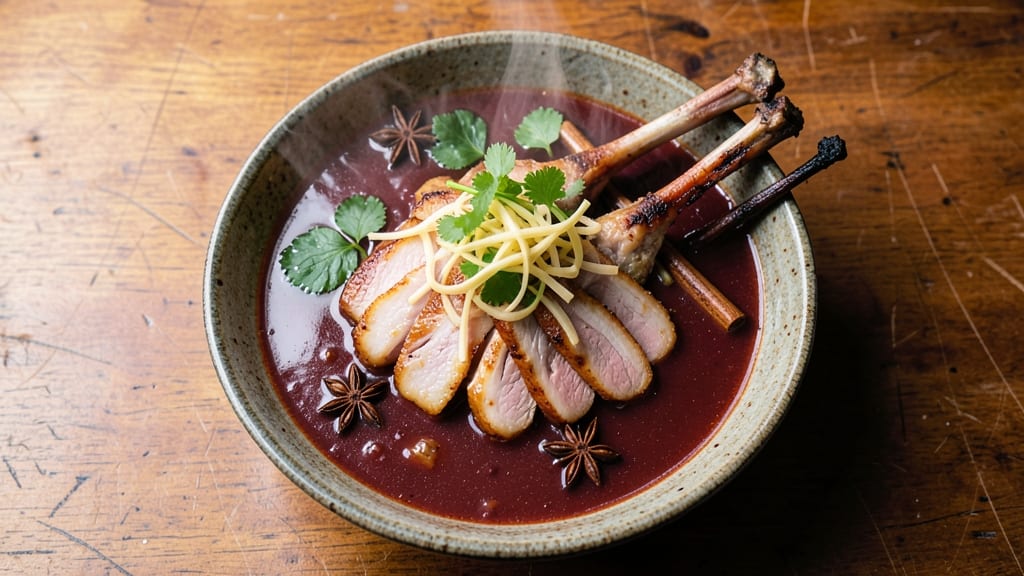
This duck pho recipe transforms humble ingredients into a fragrant, deeply aromatic bowl that captures the soul of Vietnamese street food. 🌟 The secret lies in slow-simmered duck bones and charcuterie, which infuse the broth with layers of savory depth—star anise and cinnamon create that signature warmth that lingers long after the first sip.
I first tasted authentic pho in Hanoi, and this version brings that same restaurant-quality magic to your kitchen, where every spoonful tells a story.
The beauty of this recipe is in its balance—rich, umami-packed broth meets delicate rice noodles and tender duck slices, all harmonized by fresh herbs and bright lime. While traditional pho requires hours of simmering, I've included a shortcut using pre-boiled duck bones to save time without sacrificing flavor.
The key is patience: letting the aromatics bloom and the broth reduce slowly to develop that complex, layered taste that makes pho unforgettable.
By the time you're ready to serve, you'll have a steaming bowl of golden broth, silky noodles, and perfectly cooked duck that practically melts in your mouth. The garnishes—thinly sliced onions, fresh cilantro, bean sprouts, and lime—add layers of texture and brightness that cut through the richness.
This is comfort food at its finest: hearty enough to satisfy, yet light enough to enjoy on any evening.
Pair it with a side of pickled vegetables or a simple cucumber salad to complete the meal. The leftovers? Even better the next day as the flavors continue to meld. Let's create this pho masterpiece that will have everyone asking for seconds—and maybe even a third bowl.
Ingredients for duck pho
Few ingredients deliver this much aromatic magic—star anise, cinnamon, and ginger transform simple duck into restaurant-worthy pho.
| Ingredient | Amount | Notes |
|---|---|---|
| Duck Bones 🦆 | 2 lb | Pre-boiled for shortcut method |
| Duck Charcuterie 🍗 | 1 ½ lb | Skin-on, bone-in for richness |
| Fresh Ginger Root 🌿 | 3 oz | Julienned, skin removed |
| Star Anise Pods 🌟 | 4 whole | Whole pods, not ground |
| Cinnamon Sticks 🍃 | 2 whole | High-quality Ceylon preferred |
| Cardamom Pods 🌿 | 4 whole | Lightly crushed |
| Cloves 🌶️ | 4 whole | Whole, not ground |
| Onion 🧅 | 1 whole | Yellow, halved lengthwise |
| Garlic Cloves 🧄 | 6 cloves | Smash with side of knife |
| Fish Sauce 🐟 | 2 tbsp | Red Boat brand preferred |
| Soy Sauce 🍶 | 2 tbsp | Light or regular |
| Rice Noodles 🍜 | 12 oz | Flat rice noodles, medium width |
| Fresh Cilantro 🌿 | ½ cup | Stems removed, chopped |
| Bean Sprouts 🌱 | 1 cup | Fresh, not canned |
| Lime 🍋 | 2 whole | Juiced, wedges for serving |
| Thai Chili Sauce 🔥 | 2 tbsp | Sriracha or similar |
| Salt 🧂 | 1 tsp | Kosher or sea salt |
| Black Peppercorns 🌶️ | ½ tsp | Freshly cracked |
The star anise and cinnamon are non-negotiable—they create that signature warmth that lingers. Whole spices from Penzeys or your local Asian market make all the difference. Skip the pre-ground stuff—those little pods add layers of flavor you can't get from powder. For the duck bones, Costco or specialty butchers often have them pre-boiled, which cuts hours off your prep. If you're starting from raw bones, simmer them for 30 minutes first to remove impurities. The ginger? Organic, knobby roots from the produce section—peel away the skin before julienning. Freshness matters here, so don't use powdered ginger.
No star anise? 1 tsp ground star anise plus 2 extra cinnamon sticks gets you close. Running out of cardamom? Double the cloves—they're in the same spice family. The fish sauce can be swapped for soy sauce plus a pinch of sugar, but you'll lose some depth. For the noodles, Trader Joe's or Asian grocery stores carry the perfect flat rice noodles. If you can only find round ones, boil them 1 minute less. The bean sprouts? Fresh from the produce section—canned ones get mushy. And that Thai chili sauce? Sriracha or any brand with heat works, but don't skip it—the brightness cuts through the richness.
This broth gets better with time. Simmer uncovered for at least 2 hours, but I often let it go 4-6 hours—the flavors deepen like fine wine. Store it in the fridge for up to 5 days, or freeze portions for 3 months. The noodles? Soak them in hot water for 10-15 minutes before serving—don't overcook or they'll turn to mush. Garnishes like cilantro and lime should be added fresh at the table. Leftovers make amazing lunches—just reheat the broth and noodles separately, then assemble.
Why You'll Love This Recipe
- One-Pot Magic: I swear by this recipe—just toss duck bones and charcuterie in a pot with ginger, star anise, and cinnamon, then walk away. The broth builds itself while you chop veggies or fold laundry. (No, I won’t judge if you multitask.)
- Rich, Layered Depth: That first sip of broth—where the duck’s natural fat meets slow-simmered spices—is chef’s kiss. The ginger and star anise add warmth without overpowering, and the charcuterie? It melts into the broth like a secret weapon.
- Weeknight to Weekend: Between us, this is my go-to for both tired Tuesday nights and fancy dinner parties. Serve it with rice and fresh herbs for a quick weeknight meal, or add a splash of fish sauce and lime for a restaurant-worthy bowl. (No one will guess it’s the same recipe.)
- Broth Goldmine: Honestly, the leftovers are the real MVP. The broth only gets better as it sits—more flavor, less effort. Freeze extras for future noodle nights, or use it in stir-fries. (I’ve even turned it into a quick ramen hack.)
Step-by-step instructions for duck pho recipe
Here's how to build a rich, aromatic duck broth that forms the soul of this Vietnamese classic.
🔥 Step 1: Char the Duck Bones and Charcuterie
Preheat your oven to 450°F. Place the 2 lb duck bones and 1.5 lb duck charcuterie on a baking sheet lined with parchment paper. Roast for 20 minutes, turning occasionally, until they develop a deep golden-brown color and smell irresistibly fragrant.
This charring step is crucial—it develops the Maillard reaction that gives the broth its deep, caramelized flavor. You'll know it's ready when the skin is crispy and the fat starts to render. Let the bones cool slightly before moving to the next step.
🍳 Step 2: Simmer the Aromatic Broth Base
In a large stockpot, add the charred duck bones and charcuterie along with 1 whole onion (halved), 6 cloves garlic (smash with knife), 3 oz fresh ginger root (julienned), 4 whole star anise pods, 2 whole cinnamon sticks, 4 whole cardamom pods (lightly crushed), and 4 whole cloves. Cover with 12 cups cold water—just enough to submerge everything.
Bring to a boil over high heat, then immediately reduce to a gentle simmer. Skim off any foam that rises to the surface during the first 15 minutes—this ensures a clear broth. Simmer uncovered for 3 hours, maintaining a gentle bubble. The broth should reduce slightly and develop a deep amber color with an intoxicating aroma of star anise and cinnamon.
🥘 Step 3: Strain and Season the Broth
After simmering, strain the broth through a fine-mesh sieve into a clean pot, discarding the solids. Return the broth to the stove and add 2 tbsp fish sauce, 2 tbsp soy sauce, 1 tsp salt, and 0.5 tsp cracked black peppercorns. Taste and adjust seasoning—you want a balance of saltiness from the fish and soy sauces, with just a hint of spice from the pepper.
Keep the broth warm over low heat while you prepare the noodles and toppings. The broth should smell like a spice market—earthy from the ginger and garlic, sweet from the charred duck, and warm from the star anise and cinnamon. If it tastes too mild, add a bit more fish sauce; if too strong, dilute with a splash of hot water.
🍳 Step 4: Cook the Rice Noodles
Bring a separate pot of water to a boil and add the 12 oz rice noodles. Cook according to package instructions—usually 3-5 minutes—until they're al dente but still slightly firm. Drain and rinse briefly under cold water to stop the cooking process. The noodles should be tender but still hold their shape when drained.
Divide the cooked noodles among four bowls. Ladle the hot duck broth over the noodles, filling each bowl about ¾ full. The noodles will continue to soften as they absorb the broth, so don't overfill.
🥘 Step 5: Assemble and Garnish
Top each bowl with ¼ cup bean sprouts, 2 tbsp Thai chili sauce (swirled into the broth), 2 tbsp fresh cilantro, and 2 lime wedges. The bean sprouts add a crisp contrast to the rich broth, while the lime brightens the flavors with acidity. Serve immediately with extra chili sauce on the side for those who like more heat.
This pho is all about balance—each bite should deliver the deep, savory duck broth, the chewy rice noodles, the fresh crunch of sprouts and herbs, and a touch of spicy heat. The aroma alone should make your kitchen smell like a bustling Hanoi street market.
Pro Tips For Making Duck Pho
- Char the Bones First: Skip the slow simmer until the broth is deep amber—start by searing duck bones in a dry pot for 10 minutes until they blacken in spots. This caramelizes the collagen, giving your pho that rich, umami backbone without needing extra salt.
- Ginger: Peel and Slice Thin: I used to waste time grating ginger—don’t. Use a sharp knife to shave it into matchsticks (about 1/8-inch thick) right before adding to the broth. Thinner slices infuse faster, and you avoid the gritty texture that comes from over-grating.
- Watch the Star Anise: Toss those pods in after the broth is simmering, but remove them before it reduces too much—say, 20 minutes in. Overcooking turns them bitter, and you’ll taste it in every sip. Strain them out like you mean it.
- Save the Duck Fat: The first 5 minutes of rendering duck charcuterie release liquid gold—don’t pour it off. Use a ladle to skim the fat after the bones are charred, then swirl it back into the pot when adding aromatics. That fat carries flavor, not just calories.
Essential equipment for duck pho
Stockpot Essentials
The heart of your duck pho starts with a large, heavy-bottomed stockpot—I swear by my All-Clad 8-quart for even heat distribution. A fine-mesh sieve (like the OXO Good Grips) is non-negotiable for straining out bones and spices without losing precious broth.
Don't skimp on quality here—thin, flimsy pots won't handle the long simmer time. 🌡️
Spice Control Tools
Whole spices need gentle handling—use a mortar and pestle (I love the KitchenAid 8-inch) to lightly crush cardamom pods without grinding them to powder. A spice grinder (like Basic Gourmet) comes in handy for adjusting quantities if you're substituting ground spices.
For star anise, I keep a small glass jar in my pantry to store whole pods—they stay fresher longer than in a spice rack.
Duck Prep Gear
Your butcher should provide duck bones and charcuterie, but you'll need a sharp boning knife (my go-to is Wüsthof) and a baking sheet with parchment paper for charring. A meat thermometer (like ThermoWorks Thermapen) ensures perfect duck doneness—aim for 165°F internal temperature.
Pro tip: Use tongs to handle the hot duck pieces after charring to avoid burns. 🦆
Noodle Prep Kit
Rice noodles cook fast—have a fine-mesh strainer (like OXO Good Grips) ready to drain them immediately. A small bowl for rinsing with cold water stops the cooking process.
For serving, I use wide, shallow bowls (I love Villeroy & Boch)—they let everyone see the beautiful layers of their pho. A tongs set helps with garnishing without crushing delicate herbs.
Garnish Station
Fresh herbs need quick prep—keep a sharp chef's knife (my Shun Premier) and a cutting board (I prefer Teakha bamboo) handy for slicing onions and chopping cilantro. A lime juicer (like OXO Good Grips) makes quick work of wedges.
For heat control, I use small ramekins to serve extra chili sauce on the side—let guests adjust to their preference. 🌶️
Nutrition facts
Frequently asked questions
Can I use chicken instead of duck for pho?
While chicken pho is common, duck transforms this dish into something truly special. The duck fat adds incredible richness and depth to the broth that chicken can't match. If you absolutely must substitute, use chicken thighs and bones (dark meat has more fat) and increase the simmering time to 4 hours to build comparable flavor. The result will be lighter but still delicious.
How do I make this recipe vegetarian?
For a plant-based version, replace the duck with mushroom stems and soy sauce for umami depth. Use shiitake mushrooms (soaked and sliced) to mimic meaty texture. Add 1 tbsp miso paste to the broth and increase fish sauce to 3 tbsp. The star anise and cinnamon will still shine through, creating that signature aromatic profile.
Why does my pho broth look cloudy?
Cloudy broth usually means you didn't skim enough foam during the initial simmer or didn't strain properly. Skim aggressively for the first 15 minutes to remove impurities. For straining, use a cheesecloth-lined sieve for ultra-clear results. If it's still cloudy, simmer the strained broth uncovered for 10 more minutes—this helps clarify it naturally.
Can I make pho broth ahead of time?
This broth actually improves overnight. Store it in the fridge for up to 5 days or freeze for 3 months. When reheating, bring to a simmer (don't boil) to preserve flavors. The noodles should be cooked fresh—soak them separately and assemble bowls when ready to serve for the best texture.
What's the best way to reheat leftovers?
Reheat broth and noodles separately to prevent mushiness. Warm the broth on low heat (never boil) and cook fresh noodles just before serving. For a quick fix, store components in airtight containers—broth lasts 5 days refrigerated, noodles 3 days. Assemble bowls with fresh herbs and lime when ready to eat for maximum freshness.