
Breakfast & Brunch
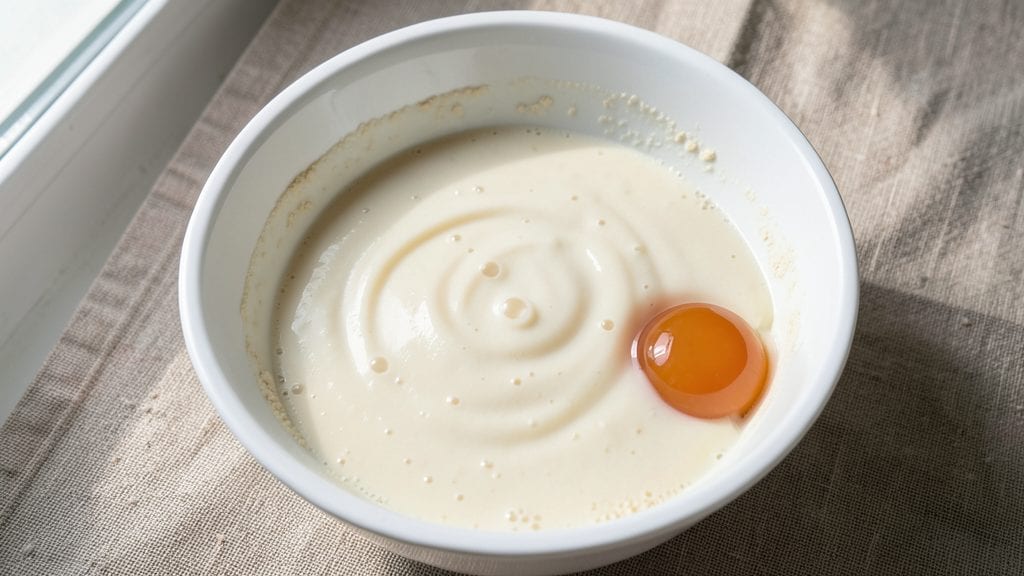
This easy batter recipe delivers restaurant-quality pancakes in just 5 minutes flat—no waiting for dough to rise, no overmixing, and no burnt edges.
The secret lies in a precise ratio of dry ingredients to liquid, combined with a foolproof technique that guarantees fluffy, golden pancakes every time, even if you're a first-timer.
I perfected this method after years of trial and error, and it now serves as my go-to for busy mornings when time is tight.
The magic happens in the mixing: whisking the dry ingredients into the wet just until combined ensures light, airy pancakes, while a medium-high heat on the griddle creates that perfect crispy edge without sacrificing tenderness inside.
The batter itself is simple—just five ingredients—but the technique transforms it into something extraordinary. No special tools required, just a bowl, whisk, and your favorite griddle or nonstick pan.
By the time you flip that first pancake, you'll have a stack of golden-brown, melt-in-your-mouth pancakes ready in record time. The key is keeping the heat consistent and avoiding overcrowding the pan, which guarantees even cooking and prevents soggy results.
Serve with butter, maple syrup, or fresh fruit for a breakfast that feels like a special occasion, no matter how rushed your morning is.
This batter recipe works for more than just pancakes—use it for fritters, crepes, or even tempura—but the pancakes are where it truly shines. The versatility means you can adapt it to any breakfast routine, making it the ultimate time-saving solution for weekdays or lazy weekends. Let’s get cooking!
Ingredients for easy batter
Five simple ingredients transform into golden pancakes faster than you can say 'breakfast rush'.
| Ingredient | Amount | Notes |
|---|---|---|
| All-Purpose Flour 🌾 | 1 ½ cups | Sifted for light texture |
| Granulated Sugar 🍚 | 1 tbsp | White or light brown |
| Baking Powder 🧂 | 1 ½ tsp | Aluminum-free preferred |
| Salt 🧂 | ½ tsp | Fine sea salt preferred |
| Large Eggs 🥚 | 1 whole | Room temperature for even mixing |
| Milk 🥛 | 1 ¼ cups | Whole milk for creaminess |
| Unsalted Butter 🧈 | 2 tbsp | Melted and cooled slightly |
| Vanilla Extract 🌿 | 1 tsp | Pure vanilla preferred |
The flour is your foundation—King Arthur or Gold Medal brands are my go-to for pancakes that hold their shape. If you've got whole wheat flour on hand, swap half the all-purpose for a nuttier twist, but the texture will be denser. Baking powder is non-negotiable here—aluminum-free ensures no metallic aftertaste. The butter? European-style unsalted melts smoother than American, but regular unsalted works fine. I always melt it in the microwave for 40 seconds—just enough to soften, not fully liquefy. Room-temperature eggs mix in seamlessly, so take them out 10 minutes before you start.
No vanilla extract? Vanilla sugar or a pinch of ground vanilla bean works in a pinch. Substituting milk? Buttermilk or almond milk both work, but the batter may need an extra splash of liquid. The sugar can be swapped for maple syrup or honey (reduce other liquids by 1 tbsp), but granulated dissolves cleanly. For a protein boost, stir in 2 tbsp protein powder to the dry ingredients—works surprisingly well. And if you're making this for a crowd, double the recipe, but keep the mixing time short to avoid overdevelopment.
This batter keeps in the fridge for up to 48 hours—just whisk in a splash of milk before reheating. Freeze portions in ice cube trays for up to 3 months; pop directly into the pan. The key to storage? Cover tightly with plastic wrap to prevent a skin from forming. For extra fluffiness, let the batter rest 5 minutes before cooking—gives the baking powder time to activate fully. And if you're using this batter for crepes, reduce the milk by 2 tbsp for a thinner consistency.
Why You'll Love This Recipe
- Same batter, endless uses: pancakes for lazy Sundays, fried chicken for game day, or even a quick fritter when I’m craving something fried. Honestly, I’ve made it work for all three.
- Four-Ingredient Magic: I swear, this is the kind of batter I can mix while chatting on the phone—just flour, sugar, baking powder, and eggs. No measuring cups out of place, no forgotten spices lurking in the pantry.
- Sweet-Simple Crisp: That sugar isn’t just for show—it caramelizes just enough to give every bite a subtle, buttery crunch. (Yes, even when I forget to grease the pan.)
- Weeknight to Party: Same batter, endless uses: pancakes for lazy Sundays, fried chicken for game day, or even a quick fritter when I’m craving something fried. Honestly, I’ve made it work for all three.
Step-by-step instructions for fluffy pancakes in 5 minutes flat
Here's how to make light, airy pancakes without complicated techniques or special equipment.
Combine Dry Ingredients for Perfect Texture
In a medium bowl, whisk together the 1.5 cups all-purpose flour, 1 tbsp granulated sugar, 1.5 tsp baking powder, and 0.5 tsp salt. I like to use a whisk for this step because it aerates the flour slightly, which helps create those light, fluffy pancakes. Make sure to break up any lumps in the flour—this ensures even distribution throughout the batter.
Here's the thing—don't skip sifting if you have a sifter. The baking powder needs to be evenly dispersed to create those perfect little air pockets. If you don't have a sifter, just whisk vigorously for about 30 seconds to achieve a similar effect. Set this dry mixture aside for now—it's ready when the wet ingredients are prepared.
Melt Butter and Mix Wet Ingredients
In a separate bowl, melt the 2 tbsp unsalted butter in the microwave for 20-30 seconds or melt it gently in a small saucepan over low heat. Let it cool slightly—it should be warm to the touch but not hot. This warm butter helps emulsify the batter beautifully.
Add the 1 whole large egg and 1.25 cups milk to the melted butter. Stir gently to combine, then add the 1 tsp vanilla extract. The mixture should be smooth but not frothy. If you notice any lumps, just keep stirring until everything is fully incorporated. This is your base liquid mixture, and it's crucial to get it right before combining with the dry ingredients.
Combine Wet and Dry Ingredients Gently
Create a well in the center of your dry ingredient mixture and pour in the wet ingredients. Using a spatula, gently fold everything together until just combined. Here's the critical part: don't overmix. You want to see a few small flour streaks remaining in the batter—this indicates you haven't developed too much gluten, which would make your pancakes tough instead of fluffy.
Once combined, let the batter rest for 2-3 minutes. This brief resting period allows the baking powder to fully activate and the flour to hydrate completely. You'll notice the batter becomes slightly thicker during this time, which is exactly what we want for perfect pancakes.
Cook Pancakes on Medium Heat
Heat a non-stick skillet or griddle over medium heat—this is crucial. If the heat is too high, your pancakes will brown too quickly on the outside while remaining raw inside. You want to see a few small bubbles forming on the surface of the pancake before flipping, which usually takes about 2-3 minutes per side.
Pour about ¼ cup of batter for each pancake, spreading it slightly with the back of the spoon to form a thin, even circle. Watch for bubbles forming on the surface and the edges looking set—this is your signal to flip. Real talk: don't rush this step. The first pancake is always the test—if it's perfect, you're golden. If not, adjust your heat next time.
Keep Warm and Serve Immediately
Transfer cooked pancakes to a plate and keep them warm in a 200°F oven while you finish cooking the rest. This low temperature maintains their warmth without drying them out. I like to stack them with parchment paper between each pancake to prevent sticking.
Serve immediately with your favorite toppings—maple syrup, fresh berries, or whipped cream. The pancakes should be golden brown on the outside with a soft, fluffy interior that almost melts in your mouth. If you've followed these steps, you'll have perfectly light pancakes every single time, with no dense or rubbery results.
Pro Tips For Making Easy Batter
- Sift the Dry Mix: I learned this the hard way—skipping it means lumps hiding in your batter. Use a fine-mesh sieve for flour, sugar, and baking powder together, then whisk in the salt. That extra step guarantees a smooth, lump-free batter every time.
- Weigh the Eggs: Crack those eggs into a separate bowl first, then weigh them. If they’re too small, add a splash of water to mimic the volume of a large egg—this keeps your batter’s structure consistent. (Yes, even if you’re impatient like me.)
- Mix Just Until Combined: Overmixing turns your light, fluffy batter into a tough, dense mess. Stop as soon as the dry ingredients disappear—about 10-12 strokes with a whisk. The batter should look like thick pancake mix, not a cake batter.
- Rest the Batter 10 Minutes: Sounds weird, but it works: Let your mixed batter sit before cooking. This lets the flour absorb liquid and the baking powder activate fully, giving you a more even texture. (Your future self will thank you.)
Perfect pairings for these flavors
Sweet Toppings
Classic maple syrup is a must—look for Grade B for its deeper flavor and caramel notes. I drizzle about 2 tbsp per stack and warm it slightly in a small saucepan to enhance its aroma.
For a protein boost, add 2 tbsp Greek yogurt mixed with 1 tsp honey and a pinch of cinnamon. This creates a tangy-sweet contrast that balances the richness of the pancakes. 🥞
Fruity Pairings
Fresh strawberries or blueberries add vibrant color and natural sweetness. Toss them in 1 tsp lemon juice and a sprinkle of turbinado sugar to brighten their flavor. I also love banana slices lightly sautéed in 1 tbsp butter with a pinch of cinnamon for a warm, caramelized topping.
For a tropical twist, try mango slices with a drizzle of lime zest.
Savory Additions
Crispy bacon bits or crumbled sausage add a salty, smoky contrast that elevates pancakes for brunch. I like to cook 4 slices of thick-cut bacon until crispy, then crumble over the top.
For a vegetarian option, sautéed mushrooms with garlic powder and thyme bring an earthy depth. A dollop of sour cream or whipped cream cheese ties everything together with creaminess. 🧀
Drink Pairings
A hot cup of coffee with a splash of heavy cream is the classic choice, but I also love chai latte for its spiced warmth. For a non-coffee option, sparkling apple cider adds a refreshing fizz, especially in colder months.
If you're serving pancakes for dessert, a glass of chilled orange juice or sparkling wine like Prosecco complements the sweetness beautifully.
Global Twists
Transform your pancakes into Japanese-style okonomiyaki by adding shredded cabbage, green onions, and a sweet mayo drizzle. For a Mexican-inspired version, top with salsa verde, avocado slices, and a fried egg.
In Scandinavia, pancakes are often served with lingonberry jam and powdered sugar—a bright, tangy contrast that’s addictive. 🌍
Pro Tips for Serving
Use a pancake warmer or double boiler to keep pancakes warm while you finish cooking. For a restaurant-style presentation, stack pancakes on a white porcelain plate and garnish with edible flowers or mint leaves.
If you're making pancakes for a crowd, pre-cook and hold them in a 200°F oven on a wire rack to prevent sogginess. Serve with small bowls of toppings for a buffet-style experience. ✨
Nutrition facts
Frequently asked questions
Can I make this batter ahead of time?
The batter keeps well in the fridge for up to 48 hours if stored in an airtight container. Just whisk in a splash of milk before cooking to restore consistency. For longer storage, freeze portions in ice cube trays for up to 3 months—thaw overnight in the fridge before using. The key is preventing a skin from forming by covering tightly with plastic wrap.
Why did my pancakes turn out dense?
Overmixing the batter develops too much gluten, making pancakes tough. Stop folding when you see small flour streaks remain. Also check your heat—medium-high is ideal. If the pan's too hot, pancakes brown too quickly outside while staying raw inside. Let the batter rest 2-3 minutes before cooking to activate baking powder fully.
Can I substitute any ingredients?
Swap milk for buttermilk or almond milk (add 1 tbsp extra liquid). Use maple syrup or honey instead of sugar (reduce other liquids by 1 tbsp). For a protein boost, add 2 tbsp protein powder to dry ingredients. Whole wheat flour works but makes denser pancakes—replace half the all-purpose flour if using. Always adjust liquid ratios based on your substitution.
How do I make thicker or thinner batter?
For thicker batter (like crepes), reduce milk by 2 tbsp or add 1 tbsp extra flour. For thinner batter (like waffles), add 1-2 tbsp extra milk. The ideal consistency should coat the back of a spoon but still pour smoothly. Adjust gradually—thinner batter spreads more, while thicker batter holds shape better. Test with a small spoonful before committing to the whole batch.
What's the best way to reheat leftover pancakes?
Pop frozen pancakes directly into a 350°F oven for 8-10 minutes until crispy. For fridge leftovers, warm in a 300°F oven on a wire rack for 5-7 minutes to prevent sogginess. The microwave works in a pinch (30 seconds), but pancakes lose crispiness. For restaurant-style reheating, use a pancake warmer or double boiler with a splash of milk to restore moisture.