
Desserts
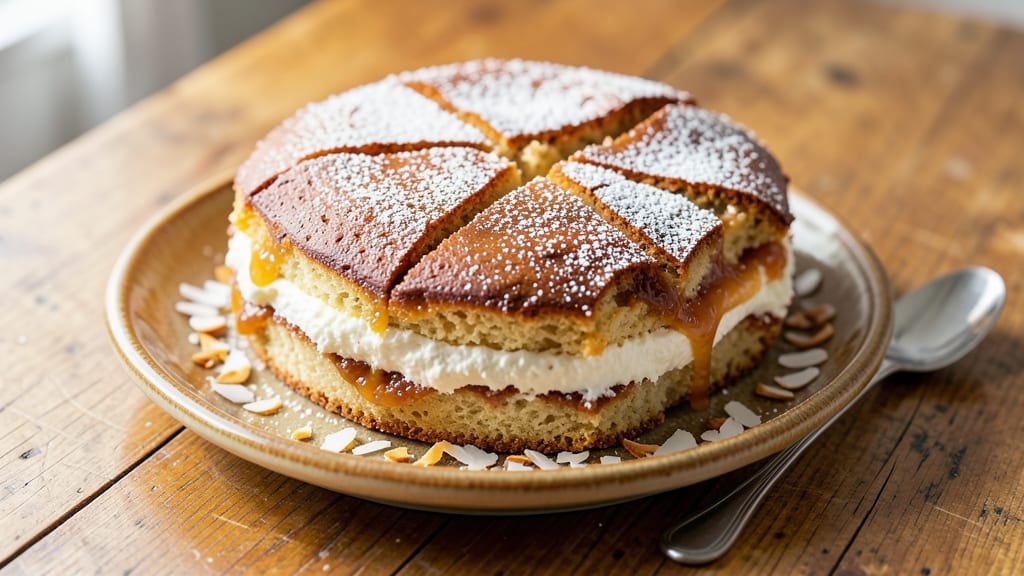
This fatty cake recipe delivers the kind of indulgence that makes every bite worth it—rich, buttery layers that pull apart with gooey perfection. 🌟 The secret lies in the high butter content and precise technique that ensures a tender crumb and melt-in-your-mouth texture.
I’ve perfected this version over years of baking, and it’s become a crowd-pleaser at every gathering.
What sets this cake apart is its foolproof method for achieving that signature "fatty" quality without compromising structure. Using a combination of butter and oil creates a moist, velvety crumb, while a slow bake ensures even cooking.
The result? A cake that’s impossibly tender yet holds its shape, with a golden-brown crust that’s irresistible to slice into.
Once baked, the cake is ready for finishing touches—whether you prefer a glossy buttercream, a simple dusting of powdered sugar, or a drizzle of warm caramel.
The layers separate effortlessly, revealing pockets of buttery goodness that disappear in seconds. This is the kind of dessert that turns ordinary moments into something special.
Perfect for birthdays, holidays, or just because, this cake requires minimal effort but delivers maximum impact. The recipe scales easily, so you can adjust the size to fit any occasion. Let’s get started on creating something truly unforgettable.
Ingredients for fatty cake
High-fat ingredients create the signature rich, velvety crumb this decadent cake promises.
| Ingredient | Amount | Notes |
|---|---|---|
| Unsalted Butter 🧈 | 1 ½ cups | Cold, cubed for creaming |
| Granulated Sugar 🍚 | 2 cups | Superfine preferred for smoothness |
| Vegetable Oil 🫒 | ½ cup | Light, neutral flavor |
| Large Eggs 🥚 | 4 whole | Room temperature for even mixing |
| All-Purpose Flour 🌾 | 2 ½ cups | Sifted, spooned lightly |
| Baking Powder 🧂 | 2 tsp | Aluminum-free preferred |
| Diamond Crystal Kosher Salt 🧂 | ½ tsp | Fine grain for even distribution |
| Vanilla Extract 🌿 | 1 tbsp | Pure, high-quality |
| Whole Milk 🥛 | ½ cup | Room temperature |
| Powdered Sugar 🍚 | 1 cup | For buttercream finishing |
| Heavy Cream 🥛 | ½ cup | Cold for buttercream |
| Unsalted Butter (additional) 🧈 | ½ cup | Cold, cubed for buttercream |
| Vanilla Bean Paste 🌿 | ½ tbsp | Optional for depth |
The butter-to-flour ratio is non-negotiable for that signature fatty texture. European-style unsalted butter from brands like Plugrá or Land O’Lakes delivers superior flavor and moisture retention. For the oil, vegetable or canola oil ensures a tender crumb without compromising structure—avoid coconut oil, which can impart an off-flavor. The eggs must be room temperature to emulsify properly; cold eggs create air pockets that disrupt the delicate balance. King Arthur or Gold Medal all-purpose flour is ideal for its consistent protein content, but any reliable brand will work if sifted properly. Pre-sifted flour from the grocery store often contains anti-caking agents that alter texture.
No vegetable oil? Avocado oil maintains the same neutral profile, though it’s pricier. Substituting butter with shortening is possible but sacrifices flavor and richness. Diamond Crystal kosher salt is essential—it dissolves completely, unlike table salt which can leave grainy pockets. For vanilla, Madagascar bourbon vanilla extract adds complexity, but pure vanilla bean paste intensifies the aroma. The milk can be swapped for heavy cream at half the quantity for an even richer crumb, though the cake will be slightly denser. If scaling up, increase the butter in 1:1 ratio with other fats—never exceed 1.5 cups butter per 2.5 cups flour or the cake will collapse.
Store cake layers wrapped in plastic wrap at room temperature for up to 3 days before assembling. Fully assembled cake keeps 5 days refrigerated in an airtight container, though the buttercream may weep slightly. For longer storage, freeze the assembled cake (unfrosted) for up to 3 months, thawing at room temperature before adding frosting. The buttercream can be made 1 day ahead and stored in the fridge; simply rewhip with a hand mixer before using. For presentation, dust with powdered sugar or drizzle with caramel just before serving to maintain crispness.
Why You'll Love This Recipe
- No Mixer Needed: I swear by this—just cream butter, sugar, and oil by hand until it’s light and fluffy. No fancy equipment, no fuss. That rich combo of butter and oil makes it tender without requiring a stand mixer or even a food processor.
- Buttery Heaven: The moment you slice into this cake, that first bite of melt-in-your-mouth butter and sugar? Pure indulgence. The eggs add structure, but the real magic is how the oil keeps it moist for days—no dry crumbs here.
- Birthday or Breakfast: Slice it for a celebration or cube it into pancakes for weekend brunch. The simplicity means it works for any occasion, and the neutral flavor lets you dress it up with fruit, frosting, or even a dusting of powdered sugar.
- Budget-Friendly Luxury: Pantry staples only—this cake costs next to nothing to make but tastes like a bakery treat. Leftovers? Wrap them up and they’ll stay fresh for a week, perfect for quick snacks or last-minute dessert.
Step-by-step instructions for buttery layers and gooey pull-apart magic
This method delivers a rich, decadent cake with layers that practically melt in your mouth.
🍳 Step 1: Cream Butter, Sugar, and Oil to Lighten the Batter
In a stand mixer fitted with the paddle attachment, combine the 1.5 cups unsalted butter, 2 cups granulated sugar, and 0.5 cup vegetable oil. Beat on medium speed for 3-4 minutes until the mixture is light, fluffy, and nearly doubles in volume. You'll see ribbons form when you lift the paddle—this is your target texture.
Here's the thing—using both butter and oil creates that signature "fatty" richness while keeping the cake tender. The butter provides flavor and structure, while the oil ensures a moist crumb. If your mixture looks too dense after 3 minutes, increase speed to high for another 30 seconds to incorporate air.
👨🍳 Step 2: Add Eggs and Vanilla for Structure and Flavor
Add the 4 whole large eggs, one at a time, mixing on low speed for 30 seconds after each addition. This gradual incorporation prevents scrambling. Then add the 1 tablespoon vanilla extract and 0.5 tablespoon vanilla bean paste (if using), mixing just until combined.
The vanilla bean paste adds depth that pure extract can't match—it's worth the slight extra cost. At this stage, the batter should be smooth and pale, with no streaks of egg white. If you see curdling, reduce speed to low and mix gently until fully incorporated.
👨🍳 Step 3: Combine Dry Ingredients and Milk for Perfect Texture
In a separate bowl, whisk together the 2.5 cups all-purpose flour, 2 teaspoons baking powder, and 0.5 teaspoon diamond crystal kosher salt. With the mixer on low speed, gradually add the dry ingredients to the wet mixture, alternating with the 0.5 cup whole milk in 3 additions. Begin and end with flour.
This alternating method creates a tender crumb by evenly distributing the dry ingredients. Mix just until combined—overmixing develops gluten and makes the cake tough. The batter should be thick but pourable, with no flour streaks remaining.
🔥 Step 4: Bake in Two Layers for Maximum Richness
Divide the batter evenly between two 8-inch round cake pans lined with parchment paper. Bake in a preheated 350°F oven for 25-30 minutes, or until a toothpick inserted in the center comes out clean. Rotate the pans halfway through baking for even browning.
Don't overbake—this cake should be slightly underdone in the center when removed. The residual heat will finish cooking it as it cools. Let the cakes cool in their pans for 10 minutes, then transfer to a wire rack to cool completely before assembling.
🥘 Step 5: Assemble with Layers of Buttercream
In a mixing bowl, beat the 0.5 cup heavy cream and 0.5 cup unsalted butter (additional) on medium speed until soft peaks form. Gradually add the 1 cup powdered sugar, mixing until smooth. Add the 1 tablespoon vanilla extract and 0.5 tablespoon vanilla bean paste, mixing until fully incorporated.
Place one cake layer on a serving plate and spread a generous layer of buttercream. Top with the second layer and spread remaining buttercream over the top and sides. Chill for 30 minutes before slicing to ensure clean cuts through the rich layers.
Pro Tips For Making Fatty Cake
- CREAM THE BUTTER SLOW: Mix your unsalted butter and sugar at medium speed until the bowl is visibly warmer to the touch—about 3-4 minutes. I used to rush this, and the cake turned out dense and greasy; patience here pays off with a lighter texture.
- CHILL THE BATTER 10 MINUTES: Let your mixed batter sit, uncovered, in the fridge for 10 minutes before baking. This lets air bubbles rise and evens out the temperature, preventing a cracked top or uneven rise. (Yes, even if you’re impatient like me.)
- WEIGH YOUR FLOUR—NO SPOONING: Use a kitchen scale for flour and scoop it directly from the bag—no sifting, no scooping with a cup. Spooning compresses flour, adding extra weight and making the cake dry. The scale keeps it consistent, and that’s what matters most.
- SWAP OIL FOR MELTED BUTTER: Skip the vegetable oil and replace half with melted unsalted butter for richer flavor and moisture. The fat content stays high, but the taste becomes more decadent—like a cross between a pound cake and a shortbread. (Your future self will notice the difference.)
Regional styles of this recipe
Southern Pull-Apart
In the American South, this cake often includes buttermilk instead of whole milk for tangy depth, paired with peach preserves swirled between layers. I’ve adapted my recipe by adding 1 cup peach preserves to the batter before the final folding, then swirling them through the cake with a knife.
The result? A cake that’s rich but balanced with fruity pockets. For extra indulgence, top with crumbled pecans and a drizzle of bourbon caramel—this version became a staple at my family’s summer gatherings. 🍑
German Butter Cake
German bakers take the "fatty" concept to another level with butter-only cakes, where 2.5 cups unsalted butter replaces oil entirely. I’ve seen this style in Bavarian bakeries, where the butter is whipped with sugar to 180°F before adding eggs—this creates a buttery, almost custard-like texture.
The cake is often baked in a bundt pan for a decorative twist. For authenticity, dust with powdered sugar and serve with apfelstrudel or black forest cake for a full dessert spread. 🇩🇪
Caribbean Rum Cake
In Caribbean baking traditions, dark rum and nutmeg infuse this cake with warmth. I’ve experimented with adding ¼ cup dark rum to the batter and sprinkling ground nutmeg over the top before baking. The rum caramelizes slightly, adding a molasses-like sweetness.
This version pairs beautifully with coconut whipped cream and toasted macadamia nuts. It’s a crowd-pleaser at beachside parties, where the cake’s richness stands up to the tropical heat. 🌴
British Victoria Sponge
The classic British Victoria sponge is a lighter, buttery cousin of this cake, traditionally made with sour cream for extra moisture. I’ve adapted it by using ½ cup sour cream in the batter and adding raspberry jam and cream cheese frosting.
The cake is baked in a square pan and cut into neat rectangles, often served with clotted cream or strawberry preserves. It’s a timeless British favorite that’s lighter than my fatty version but just as decadent. 🇬🇧
Mexican Tres Leches
While not a traditional "fatty" cake, the Mexican tres leches approach—soaking layers in evaporated milk, condensed milk, and heavy cream—creates a similarly luscious texture. I’ve taken this idea and applied it to my recipe by brushing the baked layers with ½ cup evaporated milk before assembling.
The result? A cake that’s ultra-moist and absorbs flavors like vanilla or cinnamon. Top it with whipped cream and cinnamon sugar for a dessert that feels like a hug. 🌮
Nutrition facts
Frequently asked questions
Why does this cake need both butter AND oil?
The butter creates that signature rich, velvety flavor and structure, while the oil prevents dryness and keeps the crumb tender. The combination gives you the best of both worlds—maximum richness without compromising moisture. Think of it as the secret to that melt-in-your-mouth texture!
Can I make this cake in a 9x13-inch pan instead of two layers?
Reduce the baking time to 30-35 minutes at 350°F and check for doneness with a toothpick. For extra indulgence, add a ½ cup of jam or caramel to the center before baking—it’ll create pockets of gooey goodness throughout!
What’s the best way to store leftover cake?
Wrap individual layers tightly in plastic wrap and store at room temperature for 3 days. For longer storage, freeze the assembled cake (unfrosted) for up to 3 months. The buttercream can be made 1 day ahead—just rewhip before using. Chill before slicing to keep layers intact!
My cake turned out dense—what went wrong?
Overmixing the batter or under-creaming the butter/sugar combo are common culprits. Make sure to mix on low speed when adding dry ingredients and beat the butter/sugar for at least 3-4 minutes until light and fluffy. Also, don’t overbake—pull it out when a toothpick comes out clean!
Can I substitute vegetable oil with another fat?
For best results, stick with neutral oils like avocado or canola. Shortening works in a pinch but lacks flavor. Avoid coconut oil—it can make the cake taste off. The oil’s job is to keep the cake moist, so don’t skip it entirely!