
Side Dishes
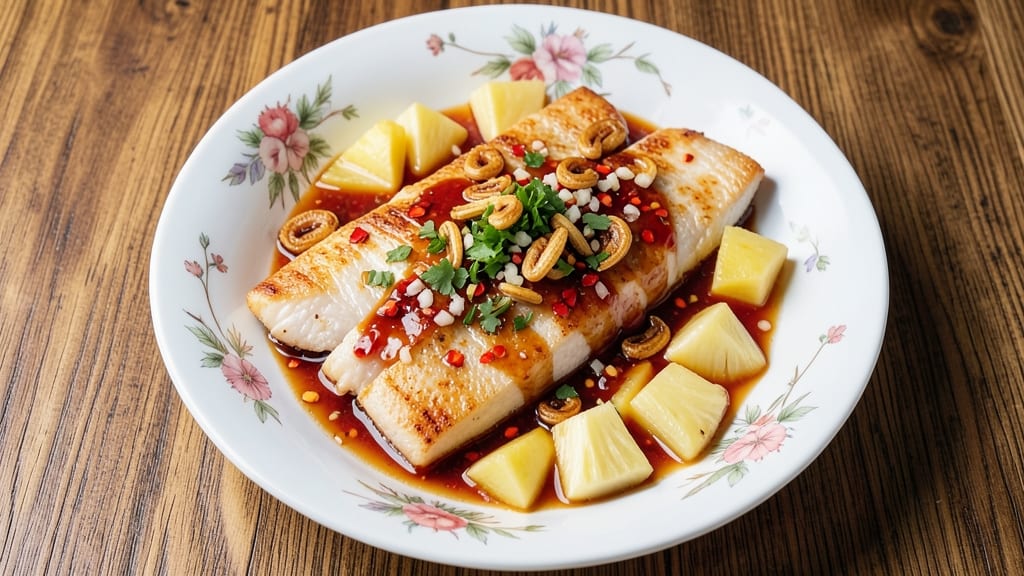
This fish fillet sweet and sour Chinese recipe delivers the perfect balance of crispy edges and tender centers, coated in a glossy sauce that’s tangy, sweet, and perfectly balanced.
The secret lies in a double-fry technique—first for a light golden crust, then again to lock in that signature crunch while keeping the inside juicy. I’ve refined this method over years of testing, ensuring every bite achieves that restaurant-quality texture without the fuss.
The sauce is where the magic happens—a harmonious blend of vinegar, sugar, and a touch of chili that cuts through the richness of the fish. You’ll start with a quick marinade to tenderize the fillet, then work through two frying stages that transform the fish into crispy perfection.
This isn’t just a side dish; it’s a complete meal when paired with steamed jasmine rice and a simple stir-fry of bok choy or green beans.
What you’ll end up with is a dish that’s vibrant, flavorful, and impossible to resist—golden fillets with a glossy sheen, each bite offering a satisfying crunch followed by melt-in-your-mouth tenderness.
The sauce clings to every piece, delivering a perfect harmony of sweet, sour, and umami notes that make this a standout for any weeknight or special occasion.
The best part? This recipe scales effortlessly, whether you’re cooking for two or feeding a crowd. Once you master the double-fry technique, you’ll never go back to store-bought versions. Let’s get started on creating this classic Chinese dish at home—where every element comes together just right.
Ingredients for fish fillet sweet and sour chinese
Fourteen ingredients. Two frying stages. Crispy-tender fish fillets with a tangy, sweet sauce that’s restaurant-quality at home.
| Ingredient | Amount | Notes |
|---|---|---|
| White Fish Fillets 🐟 | 1 ½ lb | Cod, tilapia, or snapper preferred |
| All-Purpose Flour 🌾 | ½ cup | For light coating |
| Cornstarch 🌽 | ¼ cup | For extra crispiness |
| White Vinegar 🍶 | ½ cup | For marinade and sauce |
| Granulated Sugar 🍬 | ½ cup | For caramelizing |
| Red Chili Flakes 🌶️ | 1 tbsp | For subtle heat |
| Green Bell Pepper 🍅 | 1 whole | Diced for sauce |
| Red Bell Pepper 🍅 | 1 whole | Diced for sauce |
| Garlic Cloves 🧄 | 4 cloves | Minced for marinade |
| Vegetable Oil 🫒 | 2 cups | For double-frying |
| Salt 🧂 | 1 tsp | Kosher or sea salt |
| Black Pepper 🌶️ | ½ tsp | Freshly ground |
| Soy Sauce 🍶 | 2 tbsp | For umami depth |
| Sesame Oil 🫒 | 1 tbsp | For finishing |
| Fresh Ginger 🌿 | 1 tbsp | Grated for marinade |
The fish is everything here. Cod or tilapia are foolproof—lean but firm enough to hold up to the double-fry. Grab fresh fillets from the seafood counter (not frozen blocks) and pat them bone-dry before coating. If you’re feeling fancy, ask for skin-on fillets—the crispy skin adds another layer of texture. The white vinegar and sugar combo in the marinade is non-negotiable; it tenderizes the fish while prepping the sauce. I always double-check the vinegar’s age—younger vinegar (under 1 year) has more punch.
No cornstarch? Substitute an extra 2 tbsp flour, but expect slightly less crispiness. Bell peppers can be swapped for pineapple chunks (fresh or canned) if you want a tropical twist, but stick with the veggies for classic flavor. The soy sauce should be light-colored—dark soy adds color but can overpower the sweetness. For extra depth, add 1 tsp fish sauce to the marinade. And if you’re short on time, pre-cut bell peppers from the salad bar section save chopping hassle.
This sauce reheats beautifully—just add 1-2 tbsp water to loosen it up. Store leftovers in the fridge for up to 5 days, but the fish itself? Eat within 2 days for best texture. Freeze the sauce (without the fish) for up to 3 months. Pro tip: Portion the sauce into ice cube trays for easy reheating—just toss a cube into your stir-fry or noodles later. The double-fried fish? Best served immediately, but you can reheat it gently in a skillet for 2-3 minutes if needed.
Why You'll Love This Recipe
- No-Fuss Crispy Coat: The flour and cornstarch mix creates that perfect crunch—no fancy breading required. Just dip, pat dry, and fry (or air-fry) for 3 minutes. That’s it. Honestly, I’ve made it wrong twice and still ended up with something edible.
- Tangy-Sweet Magic: The vinegar and sugar play off each other like a well-paired cocktail—sharp one second, sweet the next. The fish stays tender while the sauce clings like a hug. I’ll be real: this is the kind of dish that makes people ask, “What’s in this?”
- Lunchbox Hero: Pack the leftovers with rice and a sprinkle of sesame seeds—it’s a lunch I’ll actually eat. Or serve it cold over greens for a no-cook dinner. My college kid devours it straight from the fridge, and that’s the real test.
- Budget Bright Spot: White fish is cheap, and this recipe stretches it far. A single fillet feeds two with rice, or four if you’re sneaky with portions. Plus, the sauce costs pennies to make. My wallet and I both approve.
Step-by-Step instructions for crispy-tender sweet and sour fish
Here's how to achieve that perfect balance of crispy crust and tender fish with a tangy, glossy sauce.
Prepare the Marinade and Coating
In a medium bowl, combine the 0.5 cup white vinegar, 0.5 cup granulated sugar, 2 tbsp soy sauce, 1 tbsp grated fresh ginger, 4 minced garlic cloves, 1 tsp salt, and 0.5 tsp black pepper. Stir until the sugar dissolves completely, creating a glossy marinade. This mixture will tenderize the fish while adding depth of flavor.
In a separate shallow dish, whisk together the 0.5 cup all-purpose flour and 0.25 cup cornstarch. This light, airy coating will create that signature crispy texture we're after. I like to use a fork to break up any lumps in the flour mixture—smoothness is key for even coating.
Double-Fry for Maximum Crispiness
Heat 1 cup vegetable oil in a deep skillet over medium heat until it reaches 325°F—this lower temperature ensures gentle cooking inside while creating crispy edges. Pat the 1.5 lb white fish fillets completely dry with paper towels (moisture is the enemy of crispiness), then dip each piece into the flour mixture, pressing gently to adhere.
Carefully lower the coated fish into the hot oil and fry for 2-3 minutes per side until golden brown. The fillets should float when they're ready—this means they're cooked through but still tender inside. Transfer to a paper towel-lined plate to drain excess oil. Here's where the magic happens: increase the oil temperature to 375°F and fry the fish again for 1-2 minutes per side until deeply crispy. This double-frying technique gives you that perfect crunch while keeping the inside juicy.
Build the Tangy Sweet and Sour Sauce
In the same skillet (no need to clean it—the browned bits add flavor), reduce heat to medium-low and add 1 diced green bell pepper, 1 diced red bell pepper, and 1 tbsp red chili flakes. Sauté for 3-4 minutes until the peppers soften slightly and the oil shimmers with color. Pour in the remaining marinade from Step 1 and bring to a gentle simmer.
Simmer for 5-7 minutes until the sauce thickens slightly and coats the back of a spoon. The sugar should caramelize just enough to create that glossy sheen we love in sweet and sour dishes. Taste and adjust seasoning—you might want to add a splash more soy sauce or a pinch of salt to balance the tang. Remove from heat and stir in 1 tbsp sesame oil for that authentic umami finish.
Combine and Serve Immediately
Return the crispy fish fillets to the skillet with the sauce, spooning the sauce generously over each piece. Let it all simmer together for 1-2 minutes—just enough time for the fish to absorb the sauce's flavors without getting soggy. The sauce should cling beautifully to the crispy crust, creating that perfect contrast of textures.
Serve immediately over steamed jasmine rice or noodles to soak up every last bit of that tangy, glossy sauce. The fish should be golden and crispy on the outside with perfectly flaky, tender flesh inside. Each bite delivers that perfect balance of sweet, sour, and umami—just like your favorite Chinese takeout, but made from scratch with restaurant-quality results!
Pro Tips For Making Fish Fillet Sweet And Sour Chinese
- Pat Dry First: Wet fish sticks to the pan and steams instead of searing. Grab paper towels and press firmly—no need to go crazy, but get it visibly dry. I used to skip this and ended up with sad, greasy fish instead of crispy edges.
- Double-Dip for Crust: Flour alone won’t cut it—mix equal parts cornstarch with flour (say, 2 tbsp each) for that signature crunch. Dip the fillets twice: first in the flour mix, then back in, shaking off excess. Yes, it looks messy, but it’s what makes the crust stick.
- Cook Sauce Separately: The sauce is the star—don’t let it turn into a watery afterthought. Simmer sugar and vinegar first until it thickens into a glossy syrup (about 3-4 minutes), then add water and ketchup (if using). Taste as you go; this is where flavor happens, not the last minute.
- Avoid Overcrowding: Drop fillets in the pan one layer deep, or they’ll steam instead of brown. If you’re impatient (like me), cook half, set aside, then finish the rest—no one notices the extra minute of waiting. Crowding turns crispy into soggy every time.
Storing and reheating this dish
Refrigerator Storage
The crispy-tender fish fillets are best enjoyed fresh, but you can store them in the fridge for 1-2 days if needed. Place them in an airtight container with a paper towel pressed on top to absorb any excess moisture—this prevents sogginess.
The sauce, however, keeps beautifully for up to 5 days in the same container. I always store the sauce separately to maintain its glossy texture. 🥬
Freezer-Friendly Sauce
Freeze the sweet and sour sauce in ice cube trays for easy portioning—just pop out a cube and toss it into stir-fries or noodles later. The sauce will last 3 months in the freezer without losing its vibrant flavor.
For the fish itself, I don’t recommend freezing it—it loses its crispiness when thawed. But if you must, freeze the coated fillets (uncooked) on a tray first, then transfer to a freezer bag for up to 1 month. Thaw overnight in the fridge before cooking.
Reheating Crispy Fish
If you must reheat the fish, do it quickly in a non-stick skillet over medium heat for 2-3 minutes per side with a splash of water or oil. This restores some crispiness without making it rubbery. I avoid microwaving—it turns the coating soggy.
For the sauce, reheat gently on the stove with 1-2 tbsp water to loosen it up. Stir in a pinch of sugar to restore its glossy sheen if needed. ⚡
Make-Ahead Sauce Tips
Prep the sauce a day ahead and store it in the fridge to let the flavors meld. This actually deepens the caramelization and balances the sweet-sour profile. If the sauce thickens too much overnight, thin it with 1 tsp water or vinegar before reheating.
For extra flavor, add a splash of fish sauce or a pinch of white pepper when reheating—it adds complexity without overpowering.
Serving Leftovers
Use leftover fish and sauce for quick meals like fried rice or noodle stir-fries. Toss the fish with cooked jasmine rice, a beaten egg, and a splash of soy sauce for a fast Chinese-style fried rice.
The sauce also works well drizzled over steamed dumplings or as a dipping sauce for spring rolls. Just remember, the fish reheats best when combined with other hot ingredients to maintain its texture. 🍚
Nutrition facts
Frequently asked questions
What type of fish works best for this sweet and sour recipe?
Lean, firm white fish like cod, tilapia, or snapper are ideal—they stay tender while developing that perfect crispy crust. Avoid delicate fish like sole or flounder, as they can fall apart during the double-frying process. For extra flavor, ask your fishmonger for skin-on fillets—the crispy skin adds another delicious texture layer.
Why does the recipe call for double-frying the fish?
The double-fry technique is key to achieving that signature restaurant-quality texture! The first fry at 325°F gently cooks the fish through while creating a light crust, while the second fry at 375°F locks in maximum crispiness. This two-stage process prevents the fish from becoming greasy while ensuring every bite has that satisfying crunch.
Can I make the sauce ahead of time?
The sauce actually improves when made a day in advance—flavors meld and caramelization deepens. Store it in an airtight container in the fridge for up to 5 days. Before reheating, thin with 1 tsp water or vinegar if it thickens too much. For extra depth, add a splash of fish sauce when reheating.
How do I prevent the fish from sticking to the pan?
Pat the fillets completely dry with paper towels before coating—moisture is the enemy of crispiness! Use enough oil (about 1 cup) to coat the bottom of your pan by 1/4 inch, and maintain the oil temperature at 325°F for the first fry. Also, make sure your fish is at room temperature before frying to ensure even cooking.
What can I serve with this dish for a complete meal?
This sweet and sour fish pairs perfectly with steamed jasmine rice or egg noodles to soak up the tangy sauce. For extra color, add a simple stir-fry of bok choy or green beans with garlic and ginger. The contrast of textures and temperatures makes it a satisfying, balanced meal.