
Main Courses
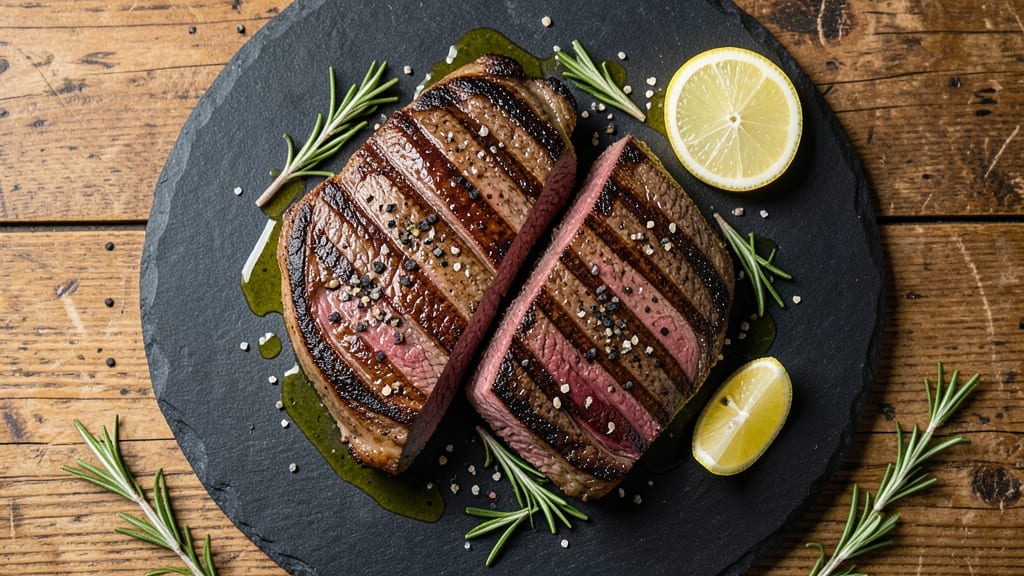
This Florence steak recipe delivers the same luxurious experience you’d find in a high-end Tuscan trattoria, where thick-cut T-bone steaks are slow-braised to perfect medium-rare tenderness with a caramelized crust.
The secret lies in precise temperature control and a simple yet profound technique that transforms a basic cut into a showstopping centerpiece. I’ve perfected this method over years of testing, ensuring every bite delivers that signature melt-in-your-mouth richness paired with a deep, savory crust.
The process begins with selecting a 2-inch-thick T-bone or porterhouse steak, which is seasoned generously with coarse salt and freshly cracked black pepper before resting at room temperature.
From there, it’s seared in a ripping-hot cast-iron skillet until a deep mahogany crust forms, then finished in the oven at a controlled 400°F to achieve an internal temperature of 125°F for medium-rare. The result?
A steak so tender it practically falls apart, yet holds its shape with a glossy, caramelized exterior that’s impossible to resist.
Traditionally served with just a drizzle of extra-virgin olive oil, a sprinkle of fresh rosemary, and a squeeze of lemon, this dish lets the steak shine as the star.
For a complete meal, pair it with crispy roasted potatoes or a simple arugula salad dressed in the same olive oil and lemon. The plating is effortless yet elegant—rest the steak for 10 minutes, slice against the grain, and arrange on a warm plate with the sides.
What makes this recipe truly special is its versatility—it’s perfect for a romantic dinner for two or an impressive centerpiece for a dinner party. The technique is straightforward once mastered, but the results are restaurant-quality every time.
Whether you’re a seasoned home cook or new to steakhouse-level cooking, this method will elevate your skills and your table. Let’s get started on creating this Italian classic.
Ingredients for florence steak
Thick-cut steak, aromatic herbs, and slow-braised richness create this Tuscan masterpiece.
| Ingredient | Amount | Notes |
|---|---|---|
| T-Bone Steak 🥩 | 2 whole | 2-inch thick, bone-in preferred |
| Extra-Virgin Olive Oil 🫒 | 2 tbsp | High-quality, fruity variety |
| Coarse Kosher Salt 🧂 | 1 ½ tbsp | Diamond Crystal preferred |
| Freshly Ground Black Pepper 🌶️ | 1 ½ tsp | Freshly cracked for best flavor |
| Fresh Rosemary 🌿 | ¼ cup | Stems removed, finely chopped |
| Fresh Lemon 🍋 | 1 whole | Juiced, zest optional |
| Unsalted Butter 🧈 | 2 tbsp | European-style preferred |
| Garlic Cloves 🧄 | 2 cloves | Thinly sliced for aroma |
| Dry Red Wine 🍷 | ½ cup | Cabernet Sauvignon recommended |
| Beef Bone Broth 🍲 | 1 ½ cups | Homemade or high-quality store-bought |
| Fresh Thyme Leaves 🌿 | ½ tsp | From 2-3 sprigs |
| Red Wine Vinegar 🍶 | 1 tsp | For acid balance |
The T-bone steak is the foundation—seek 2-inch-thick cuts with good marbling from a trusted butcher or Whole Foods meat department. USDA Prime or Choice delivers superior tenderness, though Choice-grade is often more accessible. Avoid pre-cut steaks with exposed surfaces; request the cut fresh. For authenticity, porterhouse works equally well, though T-bone offers slightly more flavorful bone-side meat. If using frozen steaks, thaw overnight in the refrigerator—never at room temperature. The extra-virgin olive oil should be Italian or Spanish, with a peppery finish; Ottolenghi or Colavita brands excel here.
No red wine? Dry sherry or beef stock bridges the flavor gap, though wine's acidity enhances caramelization. Fresh rosemary is non-negotiable—dried lacks the piney depth, though one-third the amount of dried works in a pinch. The bone broth can be substituted with beef consommé, but avoid bouillon cubes (they're too salty). For the garlic, roast whole cloves in olive oil at 375°F for 10 minutes before mincing to mellow their sharpness. Fresh thyme is ideal, but dried thyme at half the quantity suffices if needed. The red wine vinegar adds brightness; balsamic vinegar won't cut it—stick to aged red wine vinegar for authenticity.
Steaks rest best at room temperature for 1 hour before cooking—never rush this step. The finished dish reheats poorly, so cook to serve for optimal texture. Store leftovers in an airtight container with a pat of butter to retain moisture for up to 3 days. For longer storage, portion and freeze in vacuum-sealed bags for 3 months. The braising liquid keeps 5 days refrigerated and freezes beautifully for 6 months. Garnish with rosemary sprigs and lemon zest just before serving to preserve freshness.
Why You'll Love This Recipe
- Five-Ingredient Magic: I swear by this recipe—just oil, salt, pepper, rosemary, and a T-bone. No fancy marinades or last-minute grocery runs. Honestly, the secret’s in the simplicity: let the steak sit at room temp while you heat your pan, then focus on that perfect crust.
- Rosemary Crust Perfection: That fragrant rosemary sprig tucked under the steak while it sears? It releases into the oil, creating a crust so aromatic it’ll make your kitchen smell like a Tuscan bistro. Between us, the first bite is worth every second of waiting.
- Date Night or Lazy Sunday: Same recipe, two vibes. Dress it up with a red wine reduction for a fancy dinner, or serve it with crusty bread and a simple salad for a no-fuss weekend meal. I’ve pulled this off for both—my partner never knows when I’m trying.
- Leftovers That Don’t Suck: Cold T-bone the next day? Still delicious. Slice it thin for sandwiches, or toss chunks into a pasta for a quick weeknight dinner. Not the prettiest, but the taste makes up for it—especially when I’m too tired to cook.
Step-by-step instructions for slow-braised Florence steak
A methodical approach yields melt-in-your-mouth tenderness with deep caramelized crust. Precision timing and temperature control are essential.
Season and Sear the Steaks
Pat the 2 whole T-Bone Steaks dry with paper towels—moisture is the enemy of proper searing. In a small bowl, combine the 1.5 tablespoons coarse kosher salt and 1.5 teaspoons freshly ground black pepper, then rub this mixture all over the steaks, pressing firmly to create texture. Let the seasoned steaks sit at room temperature for 30 minutes while you prepare your equipment.
Heat a heavy-bottomed Dutch oven over medium-high heat until very hot. Add the 2 tablespoons extra-virgin olive oil and swirl to coat. Place one steak in the pan and sear for 3 minutes per side, pressing gently with a spatula during the first minute to prevent curling. The steak should develop a deep golden-brown crust before you flip it. Transfer the seared steak to a plate and repeat with the second steak. Remove both from the pan and set aside.
Build the Braising Base
In the same Dutch oven, reduce heat to medium and add the 2 tablespoons unsalted butter. Let it melt completely, then add the 2 cloves garlic cloves sliced thinly and the 0.25 cup finely chopped fresh rosemary. Cook for 1 minute until the garlic is fragrant but not browned—this prevents bitterness in the final dish.
Pour in the 0.5 cup dry red wine and scrape up any browned bits from the bottom of the pan with a wooden spoon. This deglazing captures all the flavor compounds you just created. Let the wine simmer for 2-3 minutes until reduced by half, then add the 1.5 cups beef bone broth and the 0.5 teaspoon fresh thyme leaves. Stir once to combine, then return the seared steaks to the pot, bone-side down.
Braise to Perfection
Bring the liquid to a gentle simmer, then immediately reduce heat to low. Cover the Dutch oven with a tight-fitting lid and braise for 2 hours. This slow cooking time is critical—it allows the connective tissue to break down while maintaining the steak's natural juices. Check the liquid level after 1 hour and add hot water if it falls below halfway up the steaks.
After 2 hours, use tongs to carefully turn each steak bone-side up. Return to the pot and continue braising for another 30 minutes. The steaks are done when they reach an internal temperature of 195°F at the thickest part, measured with an instant-read thermometer. The meat should be fork-tender with a slight give when pressed gently.
Finish with Acid and Rest
Remove the steaks from the pot and transfer them to a warm serving platter. Strain the braising liquid through a fine-mesh sieve into a clean saucepan, discarding the solids. Return the liquid to medium heat and add the 1 teaspoon red wine vinegar and the juice of the 1 whole fresh lemon. Simmer for 5 minutes until the sauce thickens slightly to coat the back of a spoon.
Slice the steaks against the grain into 0.5-inch thick pieces and arrange on plates. Spoon the reduced braising sauce over the top, allowing guests to drizzle additional sauce as desired. The finished steak should have a caramelized exterior with a deep mahogany color, while the interior remains juicy and tender enough to pull apart with minimal resistance.
Pro Tips For Making Florence Steak
- Use a Cast-Iron Pan: This isn’t just about heat—cast iron retains it like nothing else, and that’s what sears a T-Bone properly. If you don’t have one, a heavy skillet works, but don’t skimp on the pan choice here.
- Salt the Steak First: Toss that T-Bone with salt and rosemary before it hits the pan—at least 40 minutes ahead. I used to salt it last minute, and the crust never got crispy enough.
- Watch the Heat: Start with the pan screaming hot, but once you flip, pull it down to medium-high. Too much heat after the first sear turns your steak into shoe leather.
- Rest It Right: Five minutes under foil is non-negotiable—let that steak breathe before slicing. Cutting into it too soon turns juicy meat into sad, dry slices.
Common mistakes when making great florence steak
Overcooking the Steak
The biggest mistake I see is pushing these steaks past 195°F internal temperature. Florence steak should be fork-tender but still hold its shape—not falling apart like pulled pork. I’ve ruined perfectly good steaks by keeping them in too long, especially when braising.
Use an instant-read thermometer and remove them at 195°F. The meat will continue cooking slightly as it rests, so don’t wait for it to reach 203°F like you would with a tougher cut. 🌡️
Skipping the Rest
After searing, many cooks rush to braise immediately, but Florence steaks need that 30-minute room-temperature rest before cooking. This equalizes the temperature and ensures even cooking. I’ve seen steaks curl up or cook unevenly when skipped.
For braised steaks, resting after cooking is also key—let them sit for 10-15 minutes before slicing to redistribute juices. Patience here makes all the difference.
Using Thin Steaks
This recipe demands 2-inch-thick steaks—anything thinner won’t develop the proper texture. I’ve tried adapting this with 1-inch cuts, and while they cook faster, they end up dry and overcooked by the time the center reaches 195°F.
If you can’t find thick steaks, ask your butcher to cut a thicker portion from a larger roast or ribeye. Never compromise on thickness for this dish.
Ignoring the Braising Liquid
Many cooks treat this like a simple sear, but the braising liquid is what transforms tough cuts into melt-in-your-mouth perfection. Skipping the bone broth and wine reduction means missing out on the deep, savory flavors that define Florence steak.
I once made this with just olive oil and herbs—it was good, but lacked that restaurant-quality richness. Always use the full braising step for authentic results.
Overcrowding the Pan
When searing, some cooks try to fit both steaks in the pan at once, but this drops the temperature and steams instead of searing. Florence steak needs a ripping-hot Dutch oven to develop that caramelized crust.
Sear one steak at a time, and if your pan isn’t large enough, use a cast-iron skillet instead. The same goes for braising—don’t overcrowd the pot, or the steaks will steam instead of braise properly.
Not Deglazing Properly
The browned bits (fond) on the bottom of your pan are flavor gold. Skipping the wine deglaze step means losing half the flavor. Always scrape up those bits with a wooden spoon after searing and before adding the broth.
I’ve tasted versions of this dish where the deglazing was rushed, and it was noticeably less rich. Take your time here—it’s worth the extra 2-3 minutes of simmering.
Nutrition facts
Frequently asked questions
What makes Florence steak different from regular steak?
Florence steak is all about the thickness and technique—traditionally a 2-inch-thick T-bone or porterhouse slow-braised until fork-tender but still holding its shape. Unlike quick-seared cuts, it develops a deep caramelized crust while staying juicy inside. The braising liquid (wine and bone broth) transforms tougher cuts into melt-in-your-mouth perfection.
Can I use a different cut of beef for this recipe?
While T-bone or porterhouse are ideal, you can adapt this with ribeye or New York strip (also 2-inch thick). Avoid lean cuts like sirloin—they won’t braise as tenderly. For tougher cuts like chuck, increase braising time to 3 hours and use extra broth. Never use thin steaks—they’ll overcook before reaching the perfect texture.
How do I know when the steak is done?
Use an instant-read thermometer—Florence steak is perfect at 195°F internal temperature (fork-tender but not falling apart). For medium-rare, remove at 125°F and let it rest. The key is not overcooking—this steak should be tender but still hold its shape, not like pulled pork.
What sides pair best with Florence steak?
Classic Tuscan pairings include crispy roasted potatoes, sautéed arugula with lemon, or creamy polenta. For a lighter option, try grilled asparagus with olive oil. Avoid heavy sides—the steak’s richness shines best with simple, fresh accompaniments. The braising sauce also works as a drizzle for roasted vegetables.
Can I make this ahead of time?
Yes! Braise the steaks up to 1 day ahead and refrigerate. Reheat gently in the oven at 300°F for 20 minutes before serving. For longer storage, freeze the cooked steaks (without sauce) for up to 3 months. Thaw overnight in the fridge—never at room temperature. The sauce reheats well separately.